
The film getting a projected $150 million worldwide opening weekend kind of proves the article's point that the audience for this is enormous regardless of what critics think. Fan enthusiasm for Michael Jackson does not expire.
20
Sign up to see more
SignupAlready a member?
LoginBy continuing, you agree to Sociomix's Terms of Service, Privacy Policy

The film getting a projected $150 million worldwide opening weekend kind of proves the article's point that the audience for this is enormous regardless of what critics think. Fan enthusiasm for Michael Jackson does not expire.
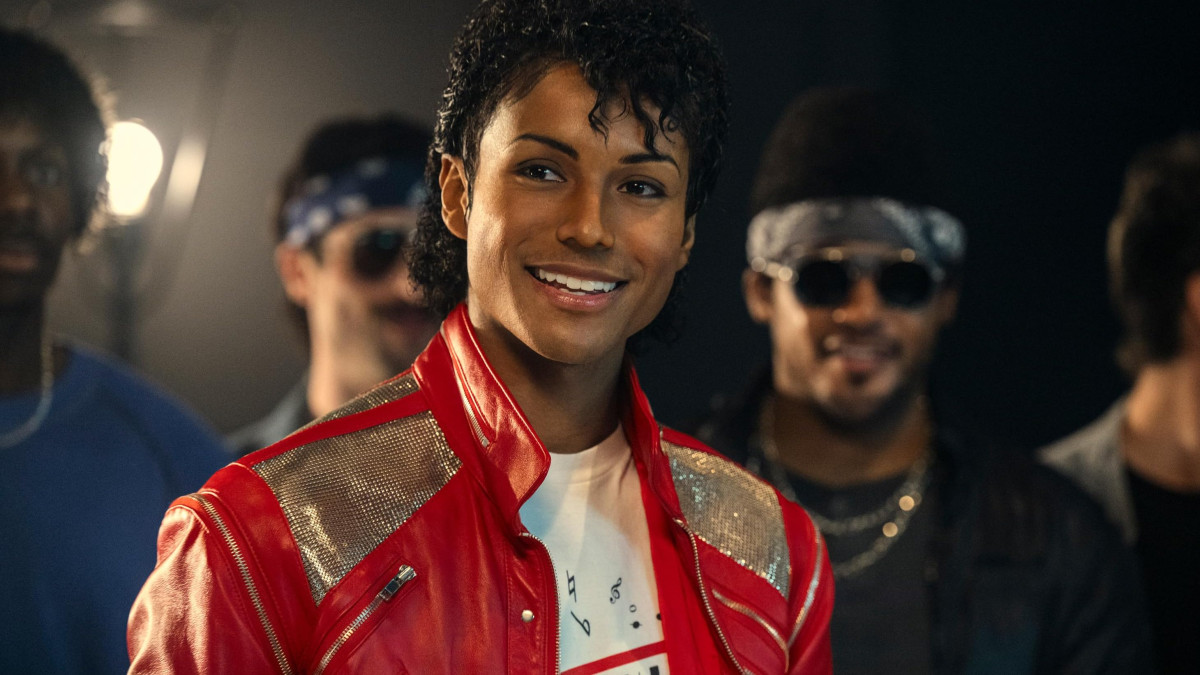
The Michael movie review verdict is in, and it is more complicated than the 26% Rotten Tomatoes score suggests. Antoine Fuqua's long-delayed Michael Jackson biopic, simply titled Michael, hit theaters this weekend with Jaafar Jackson playing his late uncle, and the critical response has been brutal. The BBC gave it one star. Roger Ebert's site called it a filmed playlist in search of a story. Yet early audience reactions on social media have been warmer, ticket pre-sales suggest an $80 million opening, and Variety thought it worked as an engrossing middle-of-the-road biopic. After tracking coverage across more than a dozen outlets over the past 48 hours, I think the honest answer to "should you watch this?" depends almost entirely on what you want from a music biopic, and this guide breaks down exactly what the film delivers, what it skips, and who will actually enjoy sitting through its two-hour-and-nine-minute runtime.
It maintains it. The later arcs are actually where the emotional payoff lands hardest because you have spent so long with these characters. Trust the process.
On the Figma import question, my experience is that standard layouts and component-heavy screens convert pretty cleanly. Anything with custom animations or really artistic layouts still needs manual work. It is not magic but it is faster than starting from scratch.
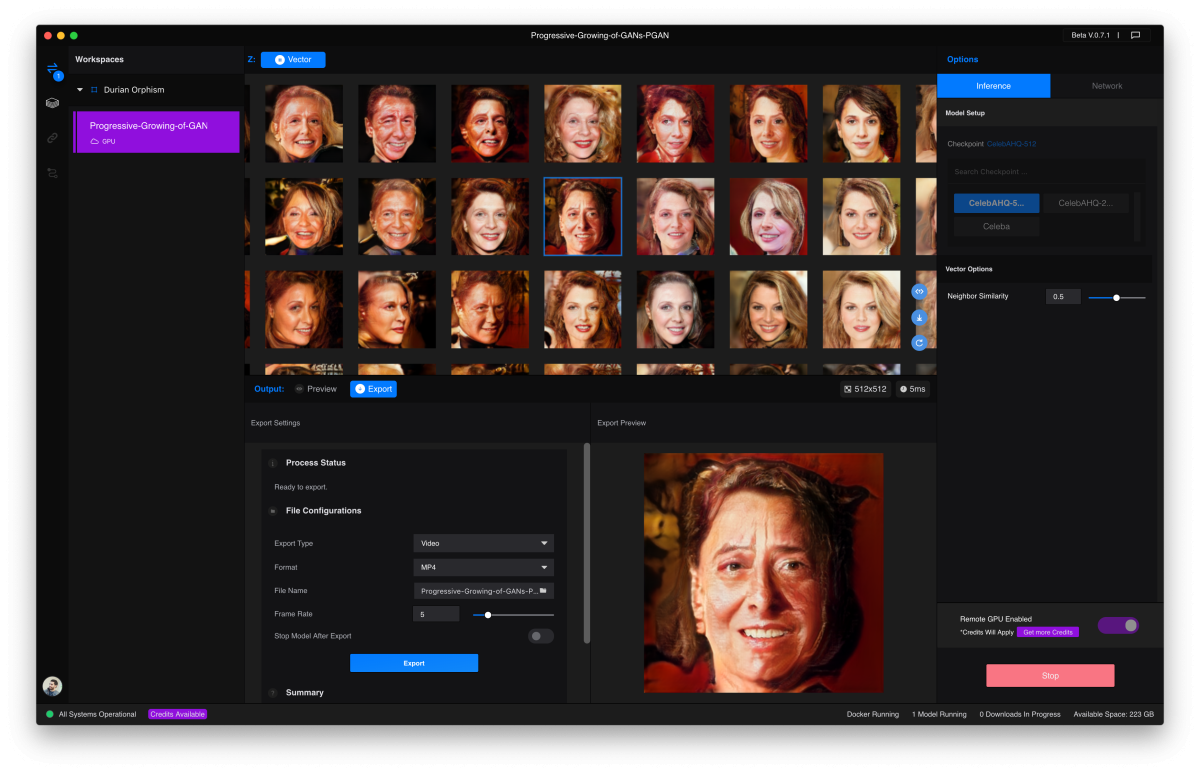
The AI video generation race just got a clear winner. Runway Gen-4.5 topped the Video Arena leaderboard with a 1,247 Elo score, surpassing both Google Veo 3 and OpenAI Sora 2. For those unfamiliar with Elo ratings, this is the same system used to rank chess players and competitive games. A higher score means more wins in head-to-head comparisons. When real users compare videos side by side without knowing which AI generated them, they consistently choose Runway's output. Runway didn't start as an enterprise video tool. It began as a playground for artists and filmmakers who wanted to experiment with AI-generated visuals. The early versions produced fascinating but inconsistent results. Sometimes you'd get stunning cinematic footage. Other times you'd get distorted motion and unrealistic physics. Gen-4.5 changed that equation by achieving breakthrough consistency in motion quality and physical accuracy.
The year 2026 marks a pivotal moment in the evolution of manhwa as a medium. What started as a trickle of Korean comics receiving anime adaptations has become a flood, with at least fifteen confirmed projects bringing beloved manhwa to animated life. This explosive growth wasn't accidental but the inevitable result of Solo Leveling's massive success proving that manhwa adaptations can compete with traditional manga anime in quality, popularity, and profitability. Studios across Japan and Korea are investing heavily in manhwa properties, recognizing that Korean storytelling brings fresh perspectives, innovative premises, and built-in fanbases eager to see their favorite series animated. The diversity of genres receiving adaptations demonstrates that manhwa appeal extends far beyond action and fantasy into romance, psychological thriller, sports, and slice-of-life territories.

The educational content angle is real and I don't think people talk about it enough. This is one of the few series where I actually looked up real historical engineering projects after reading a chapter.
152% year over year customer growth for HeyGen versus 30% for Synthesia. Framing slower growth as enterprise stability only works until the challenger catches up on revenue too.
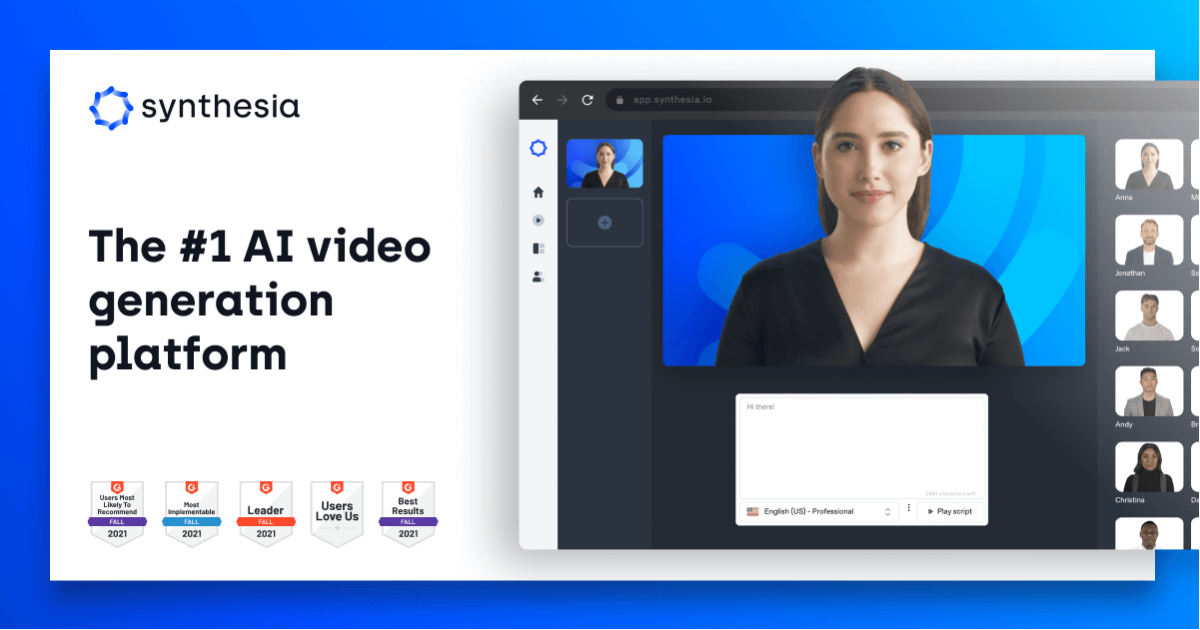
When a company raises $200 million in Series E funding during January 2026, investors are betting on more than potential. They're backing proven market demand and sustainable growth. Synthesia's funding round came alongside a 44% year-over-year increase in headcount to 706 employees, signaling aggressive expansion in a category the company essentially created: AI avatar-based video generation for enterprise training and communications. Corporate training videos have been expensive and slow to produce for decades. Recording a single 10-minute training module traditionally required booking a studio, hiring a presenter, scheduling a videographer, managing multiple takes, and editing everything together. If you needed to update information or translate content, you essentially started over. Synthesia eliminated this entire production workflow by replacing human presenters with AI avatars.
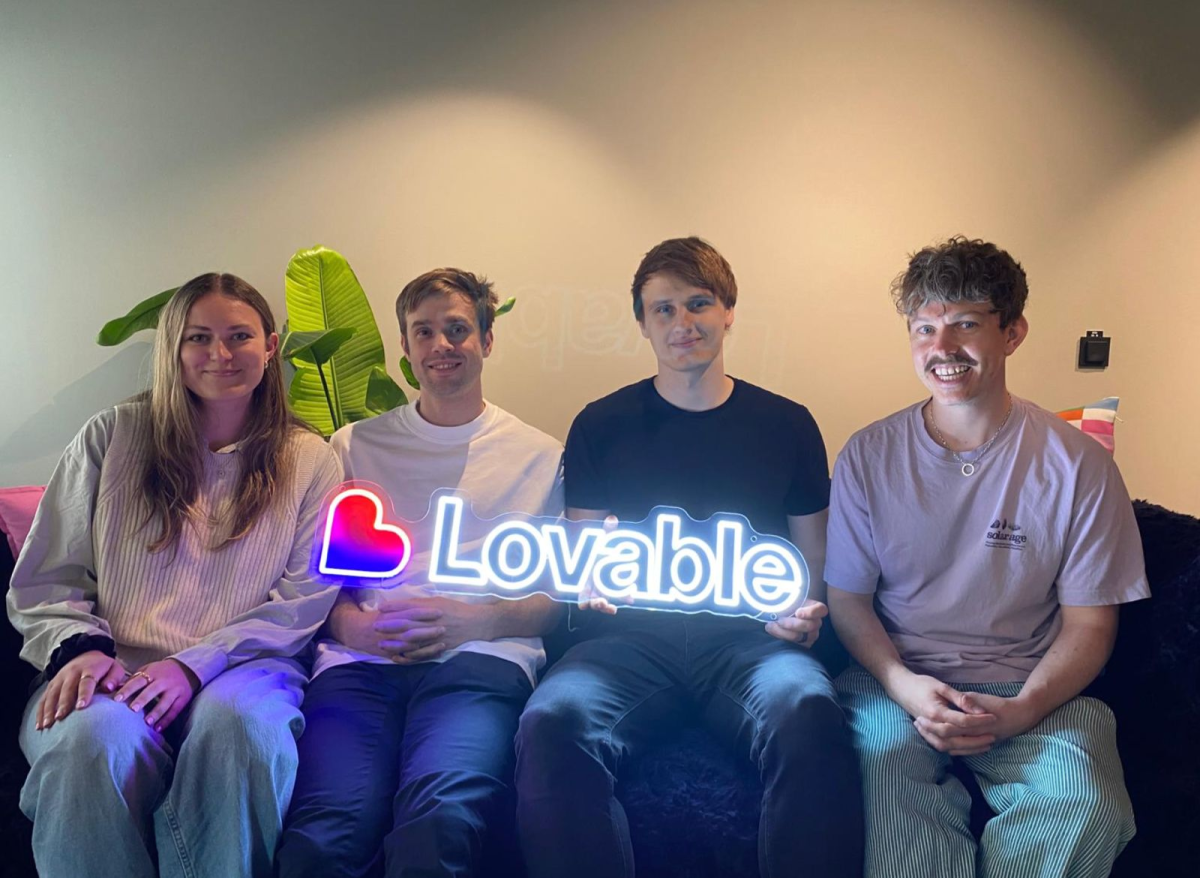
The software development world just witnessed something unprecedented. A European startup called Lovable reached $20 million in annual recurring revenue in just two months, making it potentially the fastest-growing startup in European history. But here's the twist that's making traditional software agencies nervous: they did it by giving non-technical founders the power to build full-stack applications without writing a single line of code. For years, the promise of no-code tools has been the same: anyone can build an app. But the reality has always been different. You'd create a beautiful frontend, get excited about your progress, and then hit the technical cliff. Suddenly you needed to configure databases, set up authentication, manage API keys, and deploy to servers. The "no-code" dream became a "hire-a-developer-anyway" nightmare.
The lock-in to the Vercel ecosystem is a real strategic risk that the article kind of glosses over. You are not just adopting a tool, you are choosing infrastructure. That is a much bigger decision for enterprise teams.
The article is right that team pricing at this range makes sense for small engineering teams. Where it falls apart is at the mid-market level where you need SSO and that adds significant per-user cost.
There's a photograph from February 2026 that pretty much sums up the state of AI right now. At the India AI Impact Summit in New Delhi, Indian Prime Minister Narendra Modi invited the world's tech leaders onstage for a group photo. Everyone held hands. Well, almost everyone. Sam Altman of OpenAI and Dario Amodei of Anthropic, standing right next to each other, refused to clasp hands and instead raised their fists separately. The internet, predictably, lost its mind. An awkward moment between OpenAI CEO Sam Altman and Anthropic CEO Dario Amodei at an AI Summit captured the increasingly icy relations between two rival tech leaders who started off as colleagues. That's not just petty drama. It's a window into what may be the most consequential corporate rivalry in the technology world right now, one that's playing out in boardrooms, courtrooms, Super Bowl ads, and billion-dollar compute deals all at once.

Anyone watching the open interest data alongside this move? OI surging back up while price rises is not always bullish. It means more leverage is building into the rally.
the most interesting governance question raised by this whole situation is whether an independent third party body rather than any single government is the right home for overseeing capabilities at this level. Anthropic itself suggested that.
You design for flexibility and you make architectural bets based on what you think will be stable. Memory bandwidth and interconnect performance have been consistently important across generations. You build around those first principles.
15 minutes to fix a typo is plenty. Unlimited time to silently rewrite your argument after the replies roll in would be a disaster. Instagram found the right balance here.
The article mentions that Meta's advantage is not just the model but the network. That is genuinely true and genuinely underappreciated. The marginal cost of adding AI to a platform where people already spend hours a day is essentially zero. You are not acquiring users. You are activating them.
The global cryptocurrency market capitalization has climbed back above the $2.5 trillion threshold, fueled by a massive liquidation of short positions and renewed institutional interest. Geopolitical developments and shifting investor sentiment combined to create a powerful rally that caught bearish traders off guard, resulting in substantial losses for those betting against the market. According to data from CoinGecko, the total market capitalization of all cryptocurrencies combined increased 1.4% to reach $2.52 trillion on Friday, April 10. Bitcoin experienced a notable surge of over 3%, briefly touching the $73,000 mark before consolidating around $72,000 at the time of writing. Ethereum demonstrated equally impressive strength, pushing past the $2,200 level, while the majority of top 10 cryptocurrencies by market capitalization also posted significant gains.