This is one of those series where knowing it exists and is being adapted is already changing how I spend my weekends. Started the manhwa three days ago and I have responsibilities that are not getting done.
21
Sign up to see more
SignupAlready a member?
LoginBy continuing, you agree to Sociomix's Terms of Service, Privacy Policy

This is one of those series where knowing it exists and is being adapted is already changing how I spend my weekends. Started the manhwa three days ago and I have responsibilities that are not getting done.
Gosu getting Toei Animation involved alongside Studio Mir and Studio N is either a dream team or a too-many-cooks situation. Joint productions across multiple studios often produce inconsistent results.
When Tomb Raider King first exploded onto the manhwa scene, it brought a fresh take on dungeon crawling stories by combining archaeological adventure with ruthless protagonist energy and a treasure-hunting premise that felt genuinely different from typical gate and dungeon narratives. The series built a dedicated fanbase through its satisfying blend of historical artifact powers, strategic relic acquisition, and a protagonist who wasn't afraid to be morally gray in pursuit of his goals. Now, with the anime adaptation confirmed for 2026 as one of the most anticipated manhwa-to-anime projects, Tomb Raider King is experiencing a resurgence. New readers are discovering the series while longtime fans eagerly await seeing Jooheon Suh's relic-hunting adventures brought to life with animation. The timing couldn't be better, as the series has built enough content to support a substantial adaptation while maintaining momentum in its ongoing storyline.

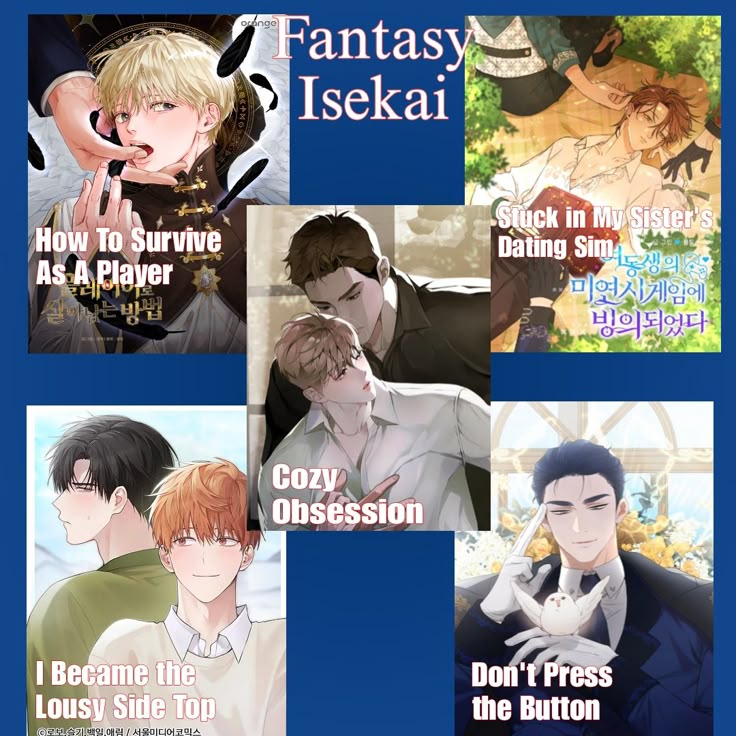
The BL (Boys' Love) genre has exploded in popularity over recent years, and isekai stories have dominated manhwa and manga for nearly a decade. Combining these elements seems like an obvious move, yet surprisingly few series have attempted it seriously. Shall I Write You A Love Letter, created by Nickup and Yutae and released on Lehzin in December 2025, takes the familiar otome isekai formula and transforms it into a compelling BL narrative that subverts expectations at every turn. Otome isekai typically features female protagonists transported into romance game worlds where they must navigate relationships with attractive male love interests. The formula has been refined through countless iterations to the point where readers can predict story beats from the first chapter. What makes Shall I Write You A Love Letter noteworthy is how it takes that established framework and examines it through a completely different lens, creating something that feels both familiar and refreshingly new.
Different genre indeed but also a completely different artistic project. Comparing Nano Machine and The Boxer is like comparing action cinema to slow literary drama. Both can be excellent without competing.
That is a legitimate concern but the series addresses it somewhat by not really asking you to love Yu. It asks you to understand him, which is a different and arguably more interesting request.
The multi-file context awareness is actually the strongest argument for Windsurf over simpler tools. Once you are refactoring across a dozen files simultaneously, single-file autocomplete feels like using a notepad.
My honest experience after three months: great for greenfield work, progressively less useful as a codebase ages and accumulates complexity. Context management is the unsolved problem for all of these tools.
This is the kind of tool that sounds great in the pitch and then causes a compliance crisis eighteen months after deployment when nobody thought to ask about data governance. Ask first.
As someone with a non-technical background who has been wanting to build a specific tool for years, this is genuinely emotional to read. The barrier was never the idea. It was always the execution.
The designer-developer relationship has been tense for decades. Designers create pixel-perfect mockups in Figma. Developers translate them to code and somehow everything looks slightly wrong. Fonts don't match. Spacing is inconsistent. Buttons have different corner radiuses. Both sides get frustrated, blame each other, and the product suffers. V0 by Vercel is fixing this problem by generating production-quality React components that look exactly like the designs. The rebrand from v0.dev to v0.app in January 2026 signaled expanded ambitions beyond just UI component generation. Vercel positioned the tool for full-stack web development, though its core strength remains frontend excellence. That strategic clarity matters because trying to be everything often means excelling at nothing. V0 chose to dominate the handoff between design and code before expanding into other areas.
Speaking from experience building two products on the platform, the first 70 percent of any app is genuinely magical. The remaining 30 percent where you need precise control over edge cases is where you start to feel the limitations.
The manhwa community has been buzzing with anticipation ever since MAPPA Studio announced their adaptation of Omniscient Reader's Viewpoint. With a spring 2026 release date confirmed and 24 episodes planned for the first season, this adaptation represents one of the most ambitious manhwa-to-anime projects ever undertaken. But what makes this series so special that it warranted such a massive production commitment? If you're hearing about Omniscient Reader's Viewpoint for the first time or wondering whether the hype is justified, this guide will prepare you for what promises to be one of the biggest anime releases of the year. We'll cover the story premise, why it's captured millions of readers worldwide, what MAPPA's involvement means, and everything else you need to know before the first episode airs

To the agency question above: custom integrations, compliance work, security architecture, accessibility standards, load testing, proper CI/CD pipelines. The list is actually quite long. But you are right that the entry point has shifted dramatically.
Forty million dollars in annual recurring revenue. Six months. One browser-based platform. Those numbers would be impressive for any software company, but for Bolt.new, they represent something more significant: the moment when development environments moved permanently into the cloud and never looked back. Traditional software development has always required setup. Install Node.js, configure your environment, manage dependencies, set up local servers, troubleshoot version conflicts. Before writing a single line of code, developers spend hours or even days preparing their machines. Junior developers often spend their first week just getting their environment working. Bolt.new eliminated all of that with WebContainers technology.
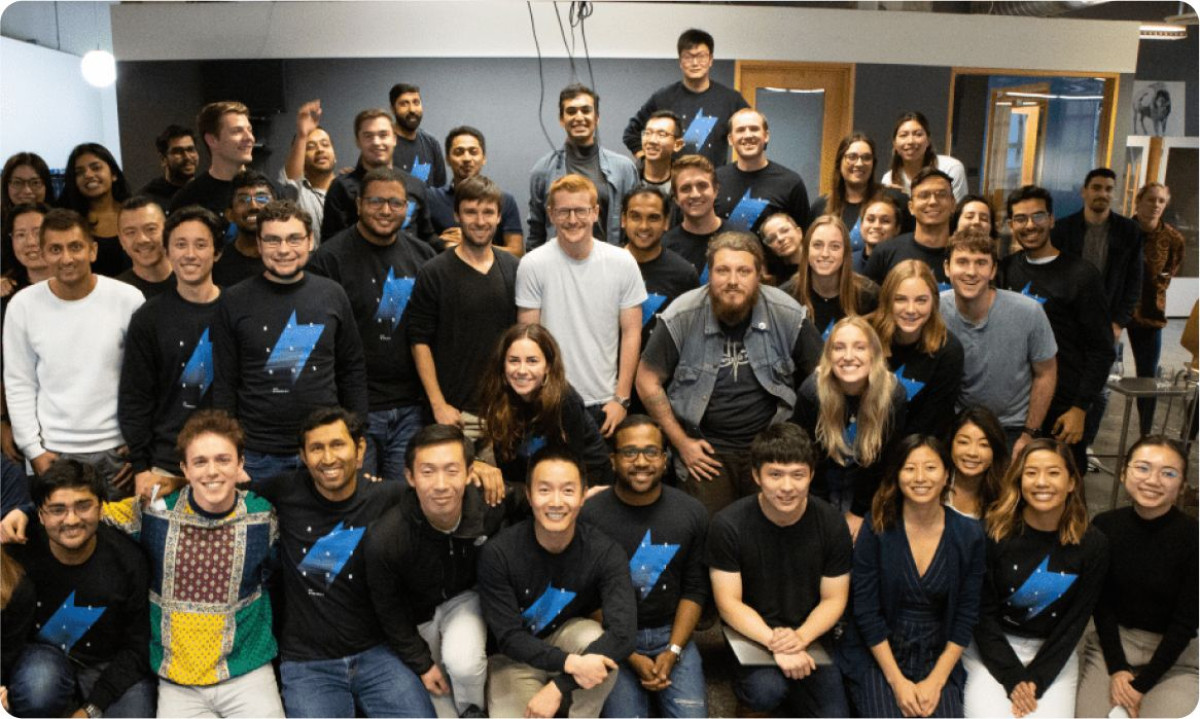
Every single one of these companies, Anthropic included, is going to spend billions on this and some of them are going to fail spectacularly. That is just the nature of moonshot hardware bets. Not everyone who tries this succeeds.
The comparison to Gmail in transit encryption is doing a lot of heavy lifting. Gmail is not a platform with documented ties to a foreign government that has legally mandated data-sharing requirements for its domestic companies.
The thing that keeps this from being purely a cost story is reliability. When you are training a frontier model and you need thousands of chips to run reliably for weeks, guaranteed access and predictable performance matter more than headline cost per chip.
Not gonna lie, the idea of AI being the default interface for everything is either the most exciting or most dystopian sentence in this piece depending on what kind of week you are having.