There were reports that a storyline involving one of Michael's accusers had to be removed for legal reasons after a settlement. Whether that is fully accurate or not, the finished film noticeably avoids the allegations entirely.
21
Sign up to see more
SignupAlready a member?
LoginBy continuing, you agree to Sociomix's Terms of Service, Privacy Policy
There were reports that a storyline involving one of Michael's accusers had to be removed for legal reasons after a settlement. Whether that is fully accurate or not, the finished film noticeably avoids the allegations entirely.
The article mentions the skills gap but honestly undersells how wide it is. Over half of datacenter operators globally say they cannot find qualified candidates for open roles. That is not a niche problem.
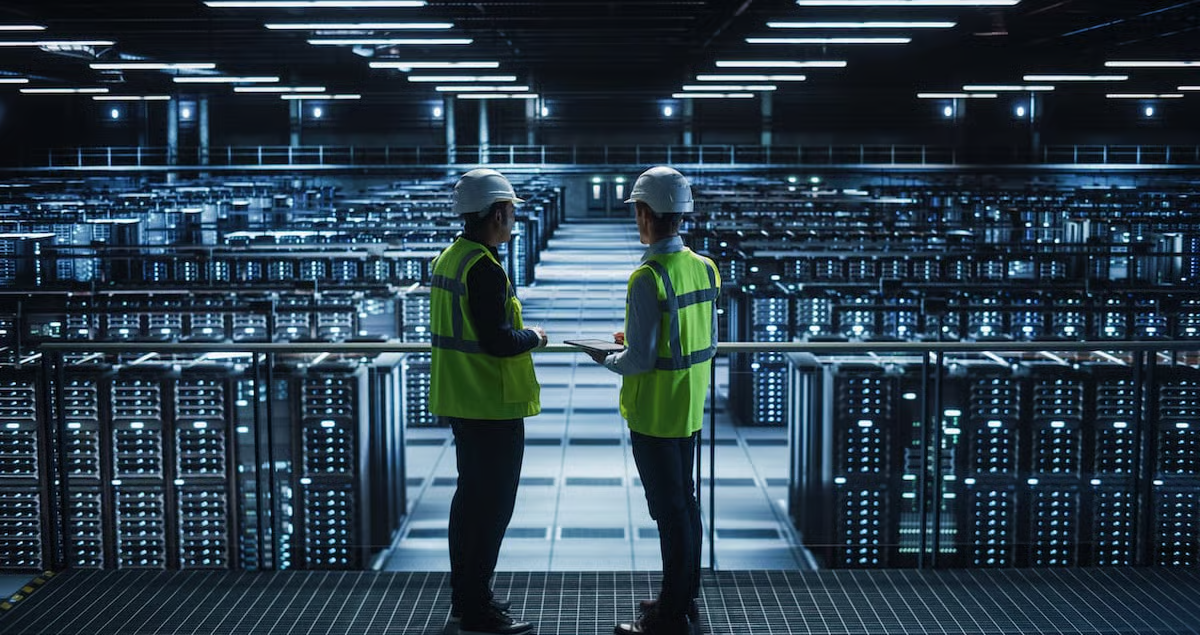
The technology sector is experiencing a paradox. While headlines scream about mass layoffs at major tech companies, a critical shortage is quietly building in one of the most essential areas of digital infrastructure. Datacenters, the physical backbone of our digital world, are facing an unprecedented demand surge, and there simply are not enough skilled professionals to build and maintain them. Countries across the globe are rushing to establish their own datacenter infrastructure. From India's ambitious plans to become a datacenter hub to the European Union's push for data sovereignty, and emerging markets in Southeast Asia and Latin America building their first large scale facilities, the construction boom is just beginning.
The year 2026 marks a pivotal moment in the evolution of manhwa as a medium. What started as a trickle of Korean comics receiving anime adaptations has become a flood, with at least fifteen confirmed projects bringing beloved manhwa to animated life. This explosive growth wasn't accidental but the inevitable result of Solo Leveling's massive success proving that manhwa adaptations can compete with traditional manga anime in quality, popularity, and profitability. Studios across Japan and Korea are investing heavily in manhwa properties, recognizing that Korean storytelling brings fresh perspectives, innovative premises, and built-in fanbases eager to see their favorite series animated. The diversity of genres receiving adaptations demonstrates that manhwa appeal extends far beyond action and fantasy into romance, psychological thriller, sports, and slice-of-life territories.

The rough early chapters are kind of the point though. You are supposed to see Gongja at his most petty and unimpressive. If the beginning were polished and cool the transformation would mean nothing.
The social mobility point the article makes about male characters in historical fantasy settings is accurate but I want to add that Elliot specifically being a minor villain rather than a protagonist or love interest complicates that mobility significantly. He has male privilege in the setting but no narrative privilege.
Respectfully disagree. The engineering problem solving is the core identity of the series. Take that away and it's just another smart protagonist manhwa.
Genuinely curious whether anyone has compared Windsurf output quality specifically on TypeScript with strict mode versus Python. My experience has been meaningfully different across those two and I wonder if others see the same.
Valuation doubled from $2.1 billion to $4 billion in a single year. That trajectory either ends in an IPO or the largest acqui-hire in enterprise SaaS history.
Wait, where is Doom Breaker on this list? Zephyr regressing from having fought until the absolute last moment and then getting a second chance is one of the most emotionally loaded regression setups in the genre right now.
In a manhwa landscape dominated by dungeon crawling, regression narratives, and power fantasies, The Greatest Estate Developer stands out by asking a simple question: what if the protagonist's greatest weapon wasn't a sword or magic system, but civil engineering knowledge? This bizarre premise transforms into one of the most entertaining, genuinely funny, and surprisingly heartfelt series currently running, proving that innovation in storytelling comes from unexpected places. The series takes the familiar isekai setup where a modern person finds themselves in a fantasy world and completely subverts expectations. Instead of becoming an adventurer or hero, protagonist Kim Suho uses his engineering knowledge to revolutionize construction, infrastructure, and economic development. What sounds like it should be boring becomes absolutely captivating through sharp writing, excellent comedic timing, and genuine passion for showing how infrastructure improves lives.

The designer-developer relationship has been tense for decades. Designers create pixel-perfect mockups in Figma. Developers translate them to code and somehow everything looks slightly wrong. Fonts don't match. Spacing is inconsistent. Buttons have different corner radiuses. Both sides get frustrated, blame each other, and the product suffers. V0 by Vercel is fixing this problem by generating production-quality React components that look exactly like the designs. The rebrand from v0.dev to v0.app in January 2026 signaled expanded ambitions beyond just UI component generation. Vercel positioned the tool for full-stack web development, though its core strength remains frontend excellence. That strategic clarity matters because trying to be everything often means excelling at nothing. V0 chose to dominate the handoff between design and code before expanding into other areas.

For summer I'm going to try this same look but with denim shorts instead of jeans.
The black accessories create such a cohesive look. Really shows how important the details are.