
New here, been lurking this blog for a while. This post convinced me to try shifting my dinner earlier. Starting tonight with a goal of finishing by 7 instead of 9.
2
Sign up to see more
SignupAlready a member?
LoginBy continuing, you agree to Sociomix's Terms of Service, Privacy Policy

New here, been lurking this blog for a while. This post convinced me to try shifting my dinner earlier. Starting tonight with a goal of finishing by 7 instead of 9.
That distinction is everything. Wanting credit is such a small, recognizable, embarrassingly human motivation. Kim weaponizing it as the engine for a serial killer thriller is genuinely brilliant.
The article keeps calling the protagonist's existence bleak but I actually find it kind of peaceful? Like watching someone who has made peace with a reality most people would find horrifying. There is something meditative about that.
Wait does the article imply Flame Emperor experiences Gongja copying his death memories from his own perspective, or is that a one-sided thing? The phrasing was slightly ambiguous.
The structure shift in later volumes is divisive but I think it is actually the point. JH is showing you that there is no single hero story. Every person who steps into that ring has a complete life behind them.
The multi-file context awareness is actually the strongest argument for Windsurf over simpler tools. Once you are refactoring across a dozen files simultaneously, single-file autocomplete feels like using a notepad.
The part about Video Agents triggering automatically from data sources is either the best product idea in enterprise training or a completely unreviewed content liability waiting to happen. Probably both.
Debugging AI-generated code is genuinely harder than debugging code you wrote yourself. You did not make the decisions, so you do not have the mental model for why the component is structured the way it is. That is a real cost the article does not mention.
Been using Descript for course content for two years. The one thing I wish was better is the handling of screen recordings with cursor movement. The text sync works but scrubbing through that type of footage is still awkward.
Anyone else noticed that the YouTube import feature was quietly turned off? They say it is for compliance reasons but it added a step to the workflow for a lot of creators who were pulling their own content back in for repurposing.
While Synthesia leads in revenue, HeyGen leads in customer acquisition momentum with 152% year-over-year growth in mid-market adoption. That explosive growth rate allowed HeyGen to close much of the customer count gap by late 2025. The company is winning by making avatar video accessible to smaller teams and individual creators who cannot afford enterprise contracts but need professional video capabilities. HeyGen positioned itself for small and medium businesses, marketing teams, content creators, and solo entrepreneurs rather than enterprise learning and development departments. This market segment values affordability, ease of use, and creative flexibility over governance features and advanced integrations. Average contract values are roughly one-third of Synthesia's, reflecting this different customer profile.

The designer-developer relationship has been tense for decades. Designers create pixel-perfect mockups in Figma. Developers translate them to code and somehow everything looks slightly wrong. Fonts don't match. Spacing is inconsistent. Buttons have different corner radiuses. Both sides get frustrated, blame each other, and the product suffers. V0 by Vercel is fixing this problem by generating production-quality React components that look exactly like the designs. The rebrand from v0.dev to v0.app in January 2026 signaled expanded ambitions beyond just UI component generation. Vercel positioned the tool for full-stack web development, though its core strength remains frontend excellence. That strategic clarity matters because trying to be everything often means excelling at nothing. V0 chose to dominate the handoff between design and code before expanding into other areas.

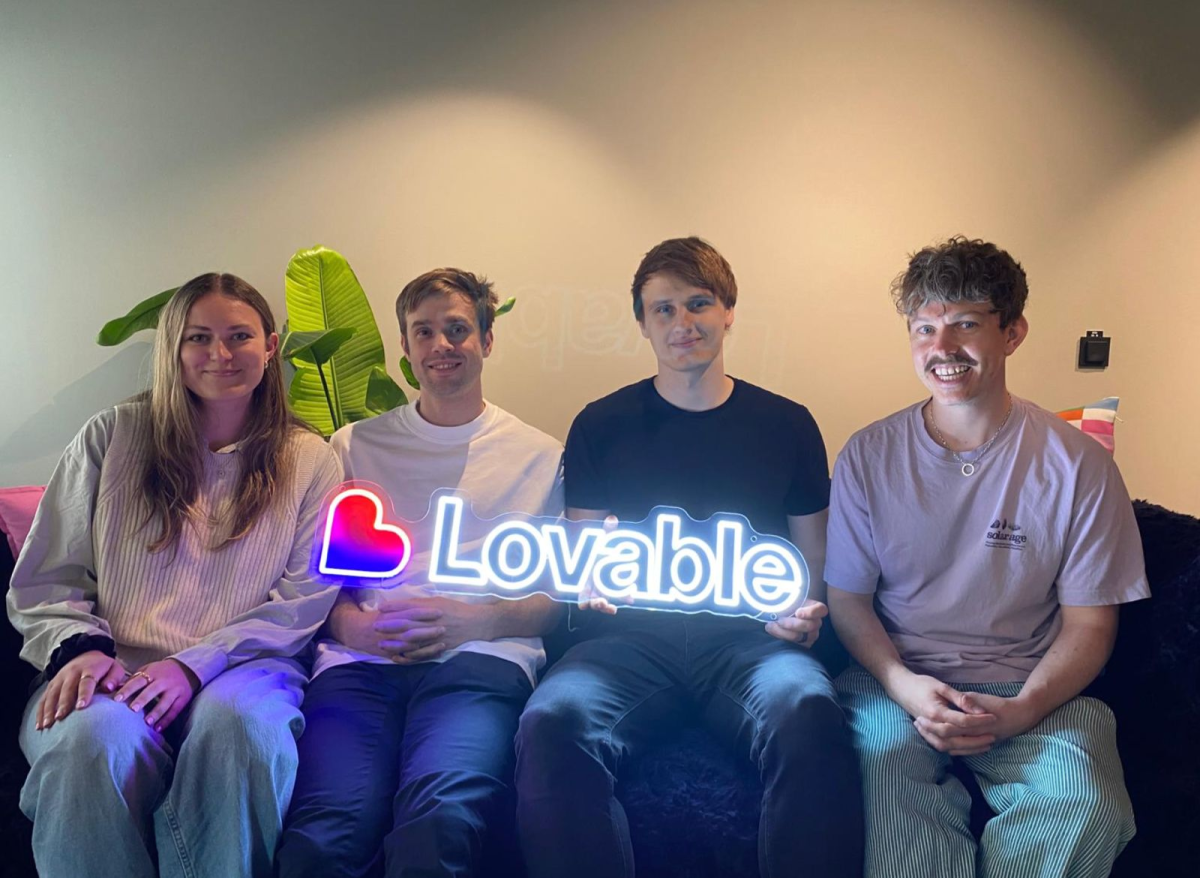
The software development world just witnessed something unprecedented. A European startup called Lovable reached $20 million in annual recurring revenue in just two months, making it potentially the fastest-growing startup in European history. But here's the twist that's making traditional software agencies nervous: they did it by giving non-technical founders the power to build full-stack applications without writing a single line of code. For years, the promise of no-code tools has been the same: anyone can build an app. But the reality has always been different. You'd create a beautiful frontend, get excited about your progress, and then hit the technical cliff. Suddenly you needed to configure databases, set up authentication, manage API keys, and deploy to servers. The "no-code" dream became a "hire-a-developer-anyway" nightmare.
As someone who follows AI policy closely, the 90-day reporting commitment from Anthropic is actually a significant governance commitment. Most AI labs treat internal red-team findings as proprietary indefinitely.
Real talk, the way the fashion press covered this was split pretty evenly between the clothes and the celebrity, which tells you the balance was actually right. Shows where the celebrity swamps the fashion are a red flag. This felt like both mattered.
Anyone else thinking this would look amazing with a denim jacket for cooler evenings?