Three weeks into shifting my eating window earlier and the sleep improvement alone has been worth it. I was not expecting that side effect at all.
11
Sign up to see more
SignupAlready a member?
LoginBy continuing, you agree to Sociomix's Terms of Service, Privacy Policy

Three weeks into shifting my eating window earlier and the sleep improvement alone has been worth it. I was not expecting that side effect at all.
The meta-commentary about readers and protagonists becomes so much more layered once you understand the full context of who tls123 is. Cannot wait to see new fans experience that reveal.
Suho's relationship with Beru is the emotional core of the series so far and it barely gets mentioned in most guides. That dynamic is doing more narrative work than anything else.
The year 2026 marks a pivotal moment in the evolution of manhwa as a medium. What started as a trickle of Korean comics receiving anime adaptations has become a flood, with at least fifteen confirmed projects bringing beloved manhwa to animated life. This explosive growth wasn't accidental but the inevitable result of Solo Leveling's massive success proving that manhwa adaptations can compete with traditional manga anime in quality, popularity, and profitability. Studios across Japan and Korea are investing heavily in manhwa properties, recognizing that Korean storytelling brings fresh perspectives, innovative premises, and built-in fanbases eager to see their favorite series animated. The diversity of genres receiving adaptations demonstrates that manhwa appeal extends far beyond action and fantasy into romance, psychological thriller, sports, and slice-of-life territories.

No anime announcement as of now, but with the webtoon entering its final season, people are saying the timing is basically perfect for a studio to step in. The source material is nearly complete which makes it a much safer investment.
That's a valid point but accessibility matters enormously. Something being done in a niche light novel versus reaching Webtoon's global audience are completely different conversations.
This is my biggest worry going in. Isekai protagonists with full plot knowledge have a tendency to feel emotionally detached in a way that makes rooting for them complicated. The best series in this space find ways to make the meta-knowledge a wound rather than a superpower.
While Synthesia leads in revenue, HeyGen leads in customer acquisition momentum with 152% year-over-year growth in mid-market adoption. That explosive growth rate allowed HeyGen to close much of the customer count gap by late 2025. The company is winning by making avatar video accessible to smaller teams and individual creators who cannot afford enterprise contracts but need professional video capabilities. HeyGen positioned itself for small and medium businesses, marketing teams, content creators, and solo entrepreneurs rather than enterprise learning and development departments. This market segment values affordability, ease of use, and creative flexibility over governance features and advanced integrations. Average contract values are roughly one-third of Synthesia's, reflecting this different customer profile.
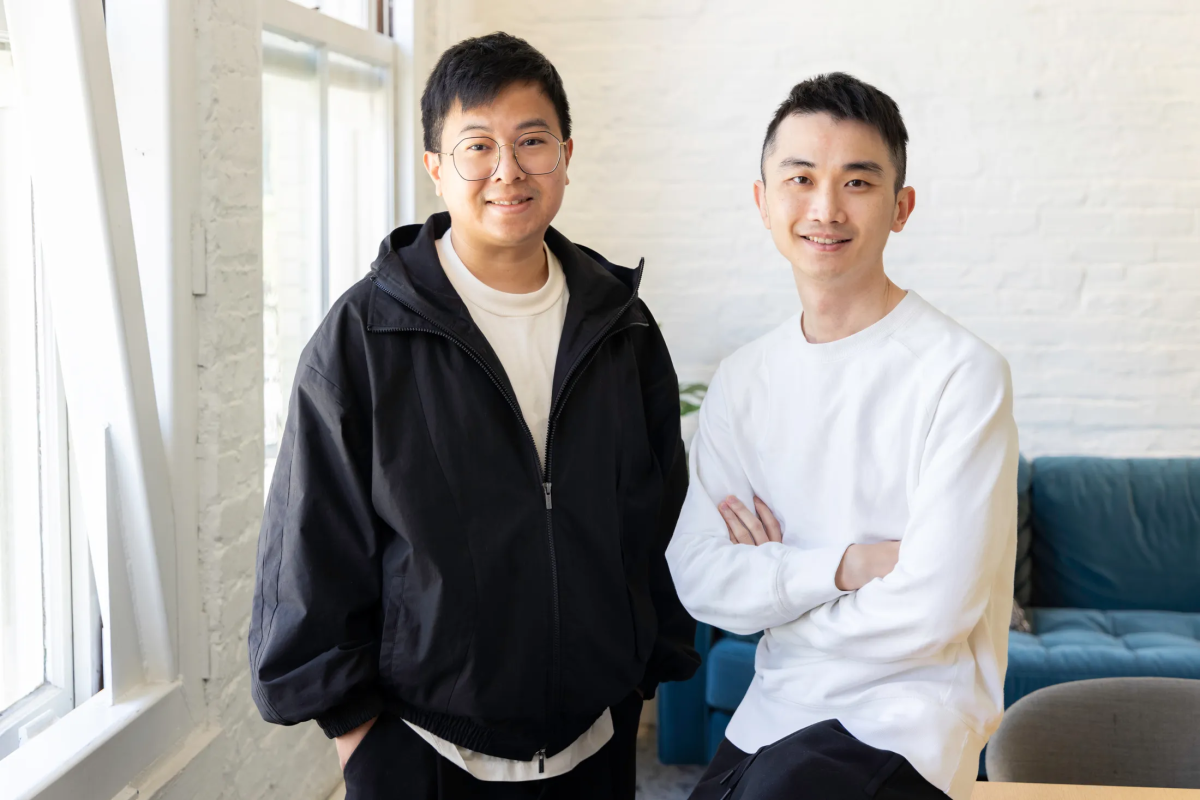
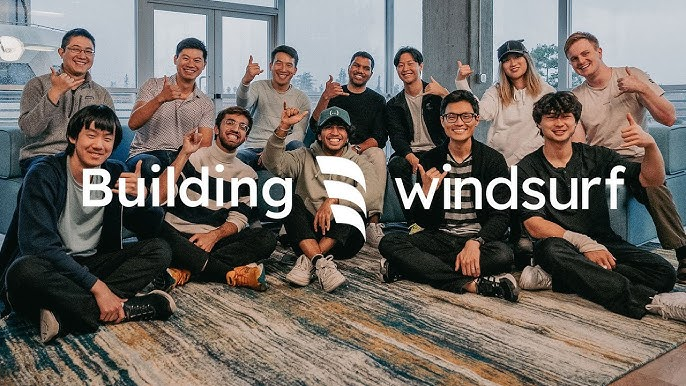
Developers have a new anxiety in 2026: token anxiety. You're in the middle of debugging a complex problem, the AI is helping you refactor three files simultaneously, and suddenly you wonder if this session is about to cost you $50. That mental tax slows you down and makes you second-guess using the tool you're paying for. Windsurf eliminated that anxiety with a simple decision: flat monthly pricing with no token limits. Fifteen dollars per month. Unlimited usage. No tracking credits or calculating costs per query. That pricing model sounds almost boring compared to the complex token systems other AI coding tools use, but boring is exactly what professional developers want when it comes to pricing. They want predictable costs and unlimited usage so they can focus on writing code instead of budgeting AI queries.
The 40 million users stat with only 150,000 paying customers tells the whole monetization story of the pre-agent era. Huge audience, zero willingness to pay. The agent changed what people were willing to spend money on, not just who was using the platform.
The software development world just witnessed something unprecedented. A European startup called Lovable reached $20 million in annual recurring revenue in just two months, making it potentially the fastest-growing startup in European history. But here's the twist that's making traditional software agencies nervous: they did it by giving non-technical founders the power to build full-stack applications without writing a single line of code. For years, the promise of no-code tools has been the same: anyone can build an app. But the reality has always been different. You'd create a beautiful frontend, get excited about your progress, and then hit the technical cliff. Suddenly you needed to configure databases, set up authentication, manage API keys, and deploy to servers. The "no-code" dream became a "hire-a-developer-anyway" nightmare.
There's a photograph from February 2026 that pretty much sums up the state of AI right now. At the India AI Impact Summit in New Delhi, Indian Prime Minister Narendra Modi invited the world's tech leaders onstage for a group photo. Everyone held hands. Well, almost everyone. Sam Altman of OpenAI and Dario Amodei of Anthropic, standing right next to each other, refused to clasp hands and instead raised their fists separately. The internet, predictably, lost its mind. An awkward moment between OpenAI CEO Sam Altman and Anthropic CEO Dario Amodei at an AI Summit captured the increasingly icy relations between two rival tech leaders who started off as colleagues. That's not just petty drama. It's a window into what may be the most consequential corporate rivalry in the technology world right now, one that's playing out in boardrooms, courtrooms, Super Bowl ads, and billion-dollar compute deals all at once.

AI attacks at thousands of requests per second against human defenders with 24 hour patch cycles. That math does not work.
This is genuinely a fascinating moment in tech history. We are watching AI software companies become vertically integrated hardware companies in real time. The industry structure five years from now is going to look completely different.
Wait, what about the broader stablecoin picture? If institutions are rotating in through ETFs, stablecoin inflows to exchanges should be showing a big spike too. Has anyone checked on-chain data?
When you hear “Paris Fashion Week,” your mind races to haute couture, bold statements, and the world’s most glamorous attendees. But on October 4, 2025, the scene got a surprise guest—Meghan Markle, making what might be her most talked-about entrance yet. To call it a “debut” feels almost too neat, as if she’s stepping into a world she’s never touched. Yet, Meghan’s gradual evolution as a style influencer has been anything but accidental. Her Paris moment isn’t just celebrity spectacle; it’s a statement, a pivot, and a nuanced step into a new chapter. Here’s my take on why this matters.

This outfit screams confidence and competence. I love how every piece works together while still being versatile enough to mix with other items
Those sandals look so comfortable for walking around all day. Does anyone know where they're from?