Why does Gen Z specifically seem to be leading the cognitive health trend? Is it just social media or is something deeper going on?
9
Sign up to see more
SignupAlready a member?
LoginBy continuing, you agree to Sociomix's Terms of Service, Privacy Policy

Why does Gen Z specifically seem to be leading the cognitive health trend? Is it just social media or is something deeper going on?
I keep coming back to the Motown 25 moonwalk scene. If they get that single sequence right, and by all accounts they do, that is a moment that can carry an entire theater for days. Some film moments are bigger than the movie they live in.
Very much connected. The estate's involvement in both situations is not a coincidence.
Lloyd's faces alone justify an anime adaptation. Animated with proper timing and voice acting those expressions would become instant meme material across the entire community.
As someone who produces online courses for a living, text-based editing completely changed my economics. I used to budget 3 hours of editing for every hour of content. Now it is closer to 45 minutes.
Token-based pricing feels more honest than flat subscriptions for tools like this. You pay proportionally to how much you build. That said, the token math needs to be much more transparent upfront so users don't hit walls unexpectedly.
Technical jargon is hit or miss in my experience. Common industry terms do okay. Very specialized or regional nomenclature can get garbled in ways that are worse than a gap because the error looks plausible.
When you think of murim manhwa, your mind probably conjures images of ancient martial arts sects, internal energy cultivation, and warriors battling with swords and bare fists in historical settings. Science fiction elements like outer space invasions, advanced technology, and apocalyptic scenarios belong to completely different stories. Return of the Demonic Instructor takes these seemingly incompatible genres and weaves them into something genuinely innovative. Released on Webtoon in January 2026, this series arrived at the perfect moment when readers were hungry for fresh takes on established formulas. The premise alone sounds wild. A murim world gets invaded by demons from outer space, forcing martial artists to adapt centuries-old techniques to fight extraterrestrial threats. Then throw in regression, magic systems, and apocalyptic survival elements for good measure.

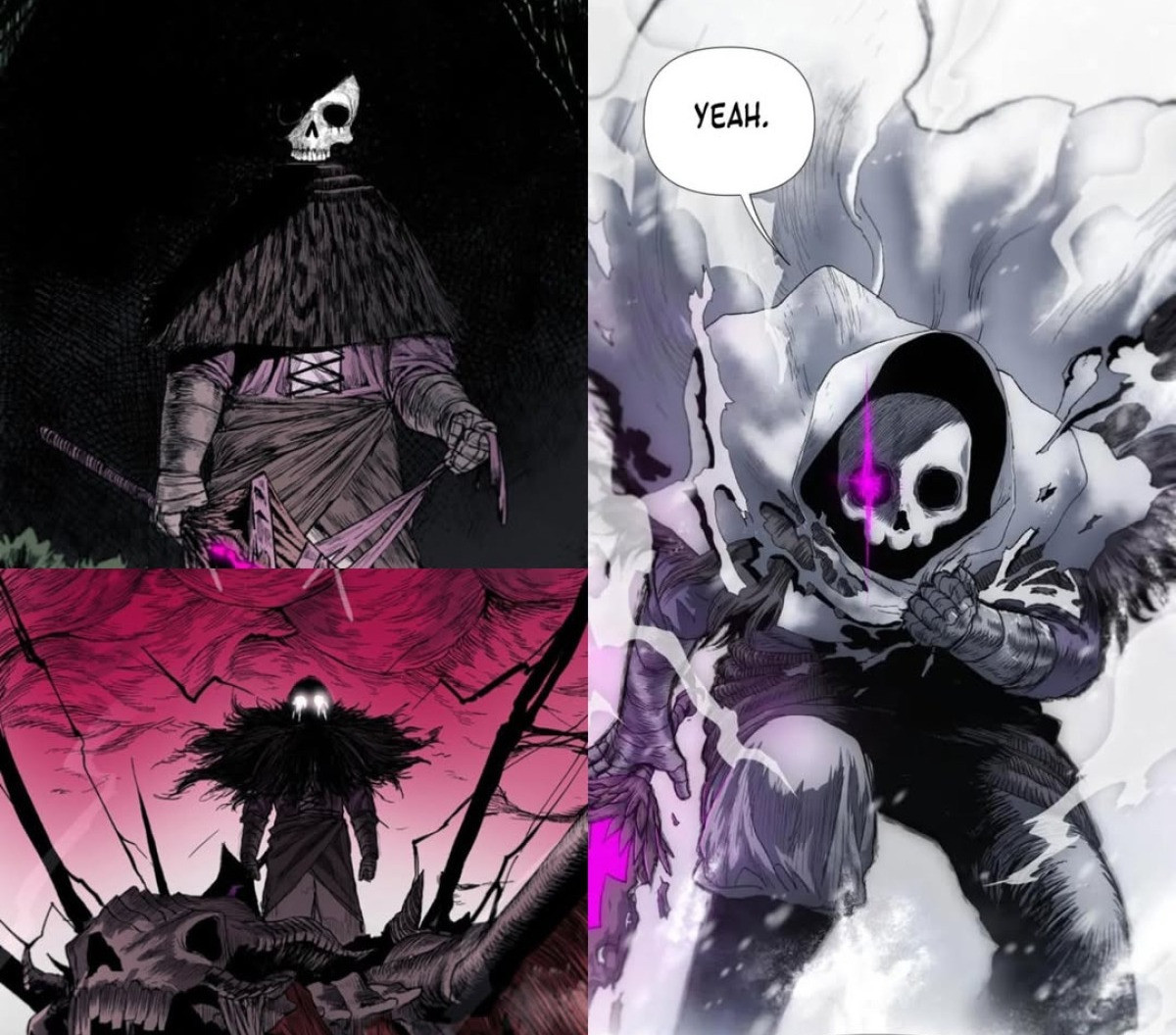
When a manhwa gets compared to Frieren: Beyond Journey's End but with a dark, bleak twist, expectations immediately rise. The Tale of the Skeleton Messenger, released on Webtoon in January 2026 by creators kain_y and SORAGAE, arrives with that exact premise and a tone that sets it apart from the increasingly crowded fantasy manhwa landscape. Most fantasy stories lean toward hopeful narratives where heroes overcome darkness through determination and friendship. Even dark fantasy typically offers glimmers of light and the possibility of triumph. The Tale of the Skeleton Messenger takes a different approach, embracing bleakness and melancholy in ways that feel refreshing rather than oppressive, thoughtful rather than nihilistic.
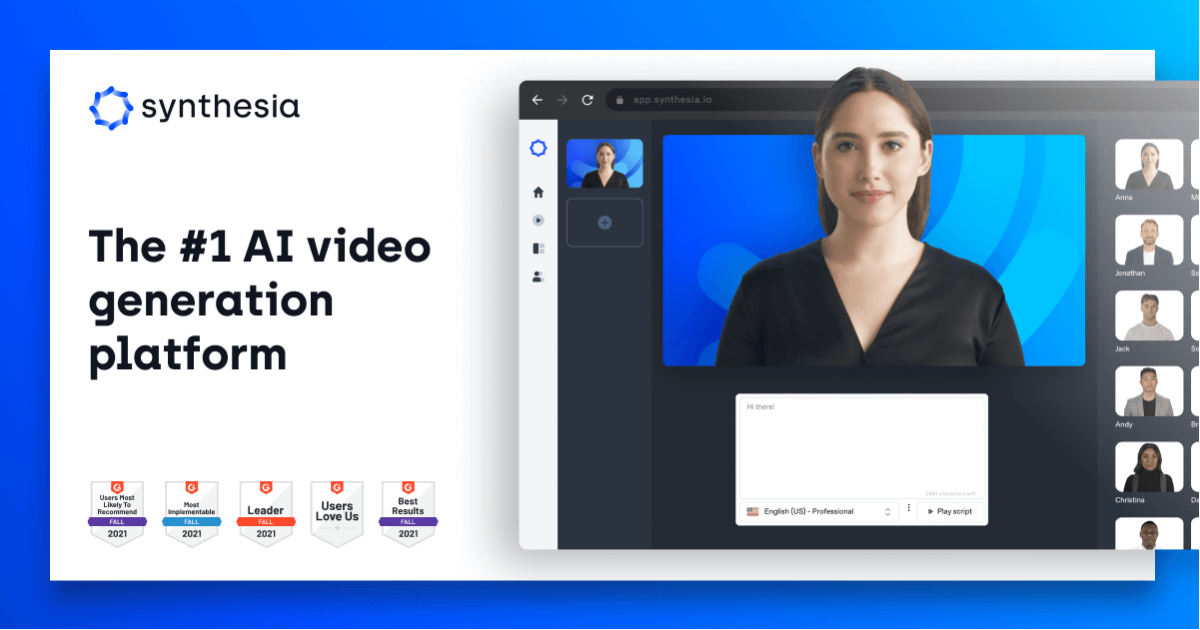
When a company raises $200 million in Series E funding during January 2026, investors are betting on more than potential. They're backing proven market demand and sustainable growth. Synthesia's funding round came alongside a 44% year-over-year increase in headcount to 706 employees, signaling aggressive expansion in a category the company essentially created: AI avatar-based video generation for enterprise training and communications. Corporate training videos have been expensive and slow to produce for decades. Recording a single 10-minute training module traditionally required booking a studio, hiring a presenter, scheduling a videographer, managing multiple takes, and editing everything together. If you needed to update information or translate content, you essentially started over. Synthesia eliminated this entire production workflow by replacing human presenters with AI avatars.
While Synthesia leads in revenue, HeyGen leads in customer acquisition momentum with 152% year-over-year growth in mid-market adoption. That explosive growth rate allowed HeyGen to close much of the customer count gap by late 2025. The company is winning by making avatar video accessible to smaller teams and individual creators who cannot afford enterprise contracts but need professional video capabilities. HeyGen positioned itself for small and medium businesses, marketing teams, content creators, and solo entrepreneurs rather than enterprise learning and development departments. This market segment values affordability, ease of use, and creative flexibility over governance features and advanced integrations. Average contract values are roughly one-third of Synthesia's, reflecting this different customer profile.

Okay but does anyone else find it mildly funny that the company almost died right before launching the product that made it worth billions? Eight years of struggle and then nine months of rocketship growth.
That is actually a fascinating point. If keywords in comments now affect discoverability, then the edit window essentially becomes a brief optimization opportunity. Social media managers are definitely going to start treating those 15 minutes strategically.
Meta has just had one of its most important AI moments yet and the early signals are hard to ignore. Following the launch of its newest AI model Muse Spark, the company’s standalone Meta AI app surged dramatically in popularity, hinting at a much larger shift that is beginning to take shape. The release is particularly significant because it marks the first major AI model rollout under Alexandr Wang, who joined Meta to reboot its AI strategy. This is not just another incremental update. It represents a more aggressive and focused push into the AI race. According to data from Appfigures, Meta AI jumped from number 57 to number 5 on the U.S. App Store within a day of the launch. That kind of movement rarely happens without a strong underlying pull from users. It signals not curiosity but intent.
As someone who does AppSec work, we have known for years that static analysis and fuzzing miss entire categories of logical vulnerabilities. This is why human review still matters, and it is also why something that reasons about code rather than just scanning it is a different beast.
Remember the Paris trip in Season 2? Such a pivotal moment. Can't wait to see where the movie takes us next.