
Hot take: the 32 percent Rotten Tomatoes score actually tells you more about what this film chose not to include than about what Jaafar delivers on screen. Two completely different conversations.
23
Sign up to see more
SignupAlready a member?
LoginBy continuing, you agree to Sociomix's Terms of Service, Privacy Policy

Hot take: the 32 percent Rotten Tomatoes score actually tells you more about what this film chose not to include than about what Jaafar delivers on screen. Two completely different conversations.
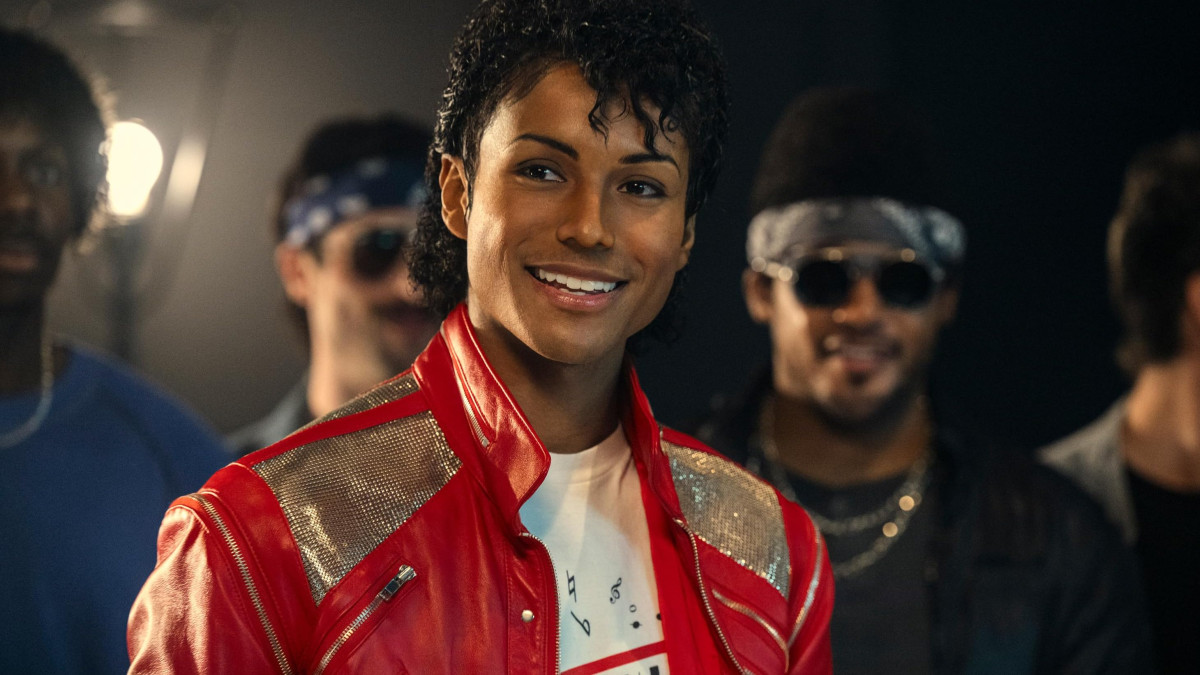
The Michael movie review verdict is in, and it is more complicated than the 26% Rotten Tomatoes score suggests. Antoine Fuqua's long-delayed Michael Jackson biopic, simply titled Michael, hit theaters this weekend with Jaafar Jackson playing his late uncle, and the critical response has been brutal. The BBC gave it one star. Roger Ebert's site called it a filmed playlist in search of a story. Yet early audience reactions on social media have been warmer, ticket pre-sales suggest an $80 million opening, and Variety thought it worked as an engrossing middle-of-the-road biopic. After tracking coverage across more than a dozen outlets over the past 48 hours, I think the honest answer to "should you watch this?" depends almost entirely on what you want from a music biopic, and this guide breaks down exactly what the film delivers, what it skips, and who will actually enjoy sitting through its two-hour-and-nine-minute runtime.
The post is clearly written by someone who loves the source material and that enthusiasm is infectious even where the facts drift from what is actually confirmed.
The fact that the Solo Leveling franchise topped charts consistently from 2019 through 2024 on major platforms tells you this isn't a one-hit trend. Ragnarok is a continuation of something with real staying power.
Nano Machine and Peerless Dad are the two series I use to explain to people why murim is worth their time. Different reasons but both completely rewarding.
The regression subgenre has exploded in popularity over the past few years, becoming one of the most beloved narrative frameworks in Korean manhwa. The core premise is deceptively simple: a protagonist dies or fails catastrophically, then returns to an earlier point in time with their memories intact. Armed with future knowledge, they get a second chance to change their fate, save loved ones, gain power, or pursue revenge against those who wronged them. What makes regression stories so compelling is the combination of dramatic irony, strategic satisfaction, and emotional depth they provide. Readers know what the protagonist knows, creating tension when other characters make mistakes we can see coming. We feel smart alongside protagonists who use foreknowledge to outmaneuver enemies. And we experience the emotional weight of carrying memories of futures that haven't happened yet, of people who died who are currently alive, of betrayals that haven't occurred.

One-sided from Gongja's perspective. Flame Emperor does not directly experience the transfer. What changes him is seeing how Gongja acts differently toward him afterward and gradually understanding why.
Coming in with a mild counterpoint. The tomb exploration sequences in the manhwa are great but they can also bog down the pacing significantly in the middle of the series. Animation might actually fix this by tightening the visual storytelling.
The multi-file context awareness is actually the strongest argument for Windsurf over simpler tools. Once you are refactoring across a dozen files simultaneously, single-file autocomplete feels like using a notepad.
Fifteen is probably an undercount at this point. There are confirmed projects that still do not have precise 2026 windows and the article is treating all of them as definitely 2026 releases.
The sales team use case is the most compelling one for me. Reviewing AI summaries of 20 calls a week instead of listening to recordings is a massive time unlock for managers.
If you're new to manhwa or looking to understand what all the hype is about regarding system and leveling stories, you've arrived at exactly the right place. The system genre has become one of the most popular and accessible entry points into Korean comics, offering clear progression mechanics, satisfying power growth, and narratives that feel like playing your favorite RPG or video game brought to life on the page. System manhwa feature protagonists who gain access to game-like interfaces that display stats, skills, quests, and levels. These systems provide clear frameworks for character growth and power progression. You can literally see the protagonist getting stronger through numbers increasing, new abilities unlocking, and challenges being overcome. This visual and concrete progression creates deeply satisfying reading experiences that hook readers from the first chapter.
The designer-developer relationship has been tense for decades. Designers create pixel-perfect mockups in Figma. Developers translate them to code and somehow everything looks slightly wrong. Fonts don't match. Spacing is inconsistent. Buttons have different corner radiuses. Both sides get frustrated, blame each other, and the product suffers. V0 by Vercel is fixing this problem by generating production-quality React components that look exactly like the designs. The rebrand from v0.dev to v0.app in January 2026 signaled expanded ambitions beyond just UI component generation. Vercel positioned the tool for full-stack web development, though its core strength remains frontend excellence. That strategic clarity matters because trying to be everything often means excelling at nothing. V0 chose to dominate the handoff between design and code before expanding into other areas.

Genuinely cannot tell if this is the most important corporate rivalry of our lifetimes or the most expensive public argument in history. Possibly both at the same time.
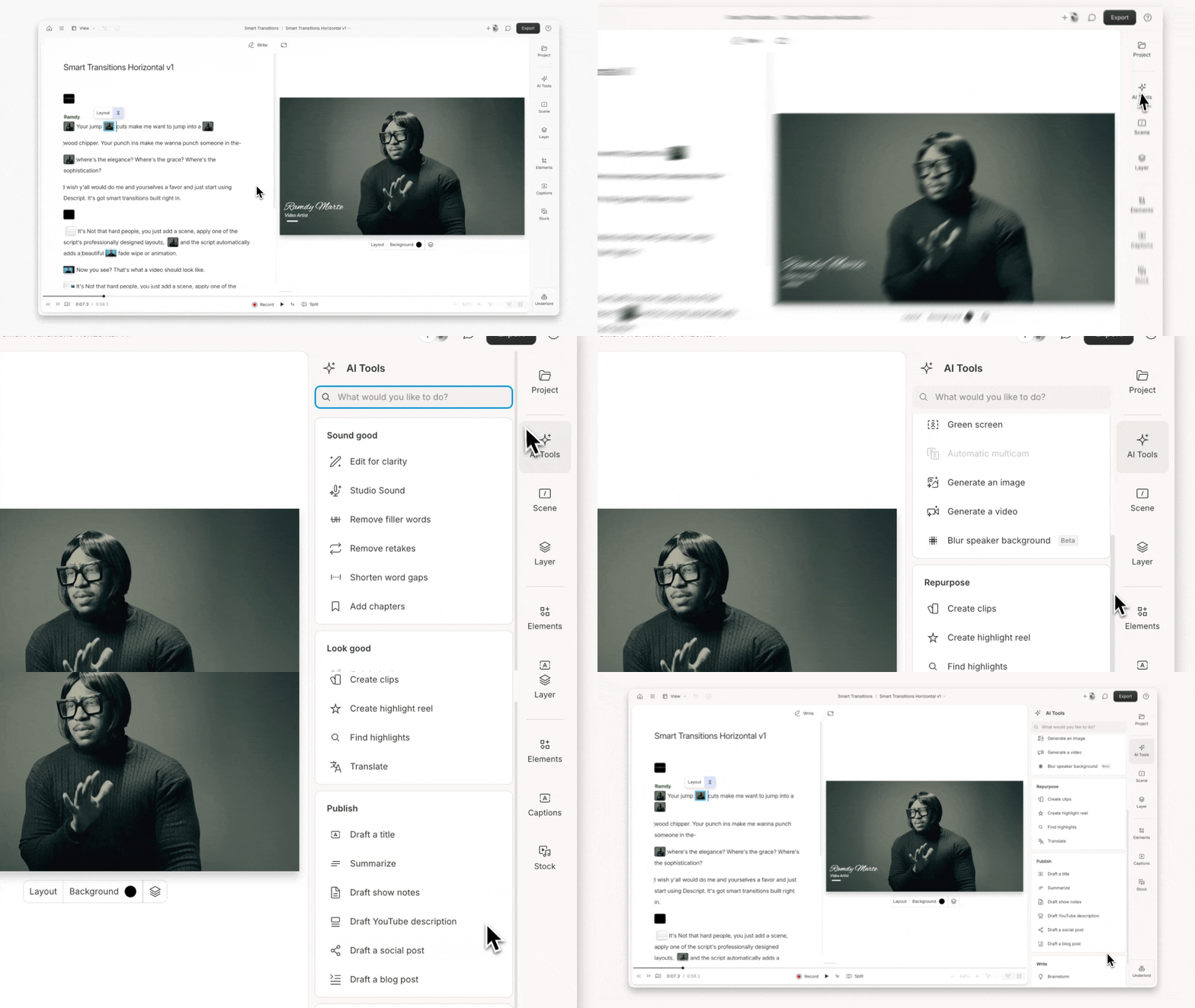
Most people can edit a Google Doc. Delete some words, rearrange sentences, fix typos, add paragraphs. It's intuitive and requires no special training. Now imagine editing video the same way. That's Descript's core innovation, and it transformed video editing from a specialized skill requiring expensive software into something anyone who can edit text can do effectively. Descript started as a transcription tool for podcasters. Record your podcast, upload it to Descript, and get an accurate transcript for show notes. But the founders realized something bigger. If you have a perfect transcript synchronized to audio, you can edit the audio by editing the text. Delete a word from the transcript and that word disappears from the audio. That insight became the foundation for a complete editing platform.
Whatever you think about the personal drama, the actual strategic question being answered in real time is whether safety as a brand attribute translates into durable commercial advantage. Anthropic is providing strong evidence that it does.
My neighbor who works at a pension fund told me last month they were finally allowed to have a small allocation to Bitcoin ETFs. That kind of quiet institutional creep is happening everywhere and most retail traders are not pricing it in.
The code ownership and liability question is the one that is going to create a legal industry. Who is responsible when AI-generated code has a security vulnerability that causes a breach? Nobody has a clear answer yet.
Every single one of these companies, Anthropic included, is going to spend billions on this and some of them are going to fail spectacularly. That is just the nature of moonshot hardware bets. Not everyone who tries this succeeds.
The child safety argument is real but it is also the argument that never loses in a PR battle. Any company that wants to justify surveillance of user communications just has to wave the child safety flag and the conversation becomes very difficult. That pattern should make us cautious.