
This is either going to be a series people talk about for years or it is going to collapse under the weight of its own ambitions around chapter forty. The premise is rich enough to go either way and I am invested enough to find out which.
Sign up to see more
SignupAlready a member?
LoginBy continuing, you agree to Sociomix's Terms of Service, Privacy Policy
Sign up to see more
SignupAlready a member?
LoginBy continuing, you agree to Sociomix's Terms of Service, Privacy Policy

This is either going to be a series people talk about for years or it is going to collapse under the weight of its own ambitions around chapter forty. The premise is rich enough to go either way and I am invested enough to find out which.
The guide explains the Itarim as new cosmic threats but doesn't really get into how wild the lore expansion actually is. These aren't just stronger monsters, they reframe the entire premise of why the system exists.
Webtoon has had such a rough few years navigating platform changes and creator disputes, nice to see a genuinely distinctive series finding an audience there.
As a murim fan specifically, I would argue the regression formula works even better in a martial arts cultivation setting than in the modern dungeon-system setting. The power hierarchies are more rigid so subverting them with foreknowledge feels more satisfying.
The Primal Hunter going darker with its post-apocalyptic morality is the thing that will either make it special or make it uncomfortable for audiences used to the genre playing it safe.
The article mentions 70 percent editing time reduction and I was skeptical until I tracked my own numbers for a month. The actual time savings on a 30-minute interview episode was closer to 65 percent. So yeah, those claims check out.
For short form content it works fine for basic cuts and captions but it is not optimized for the trend-responsive fast paced editing style that performs on Reels. There are more nimble tools for that specific use case.
The price gap between HeyGen and Synthesia is significant but the comparison gets complicated fast when you factor in per-seat costs, rendering limits, and premium feature tiers. Sticker price is not total cost of ownership.
Technical jargon is hit or miss in my experience. Common industry terms do okay. Very specialized or regional nomenclature can get garbled in ways that are worse than a gap because the error looks plausible.
Honestly the uncanny valley problem has mostly been solved for internal corporate use. Nobody expects a training video presenter to have the warmth of a live teacher. The standard is just professional and clear.
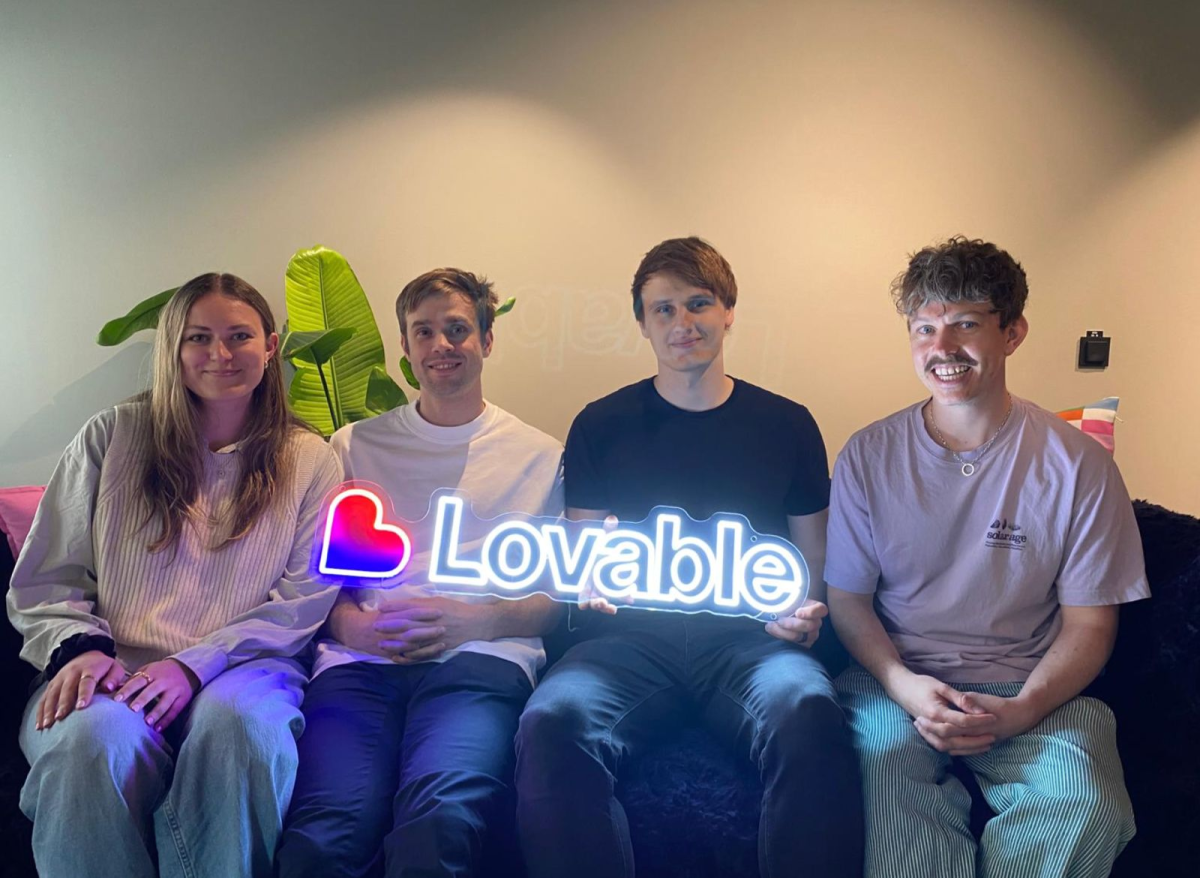
The software development world just witnessed something unprecedented. A European startup called Lovable reached $20 million in annual recurring revenue in just two months, making it potentially the fastest-growing startup in European history. But here's the twist that's making traditional software agencies nervous: they did it by giving non-technical founders the power to build full-stack applications without writing a single line of code. For years, the promise of no-code tools has been the same: anyone can build an app. But the reality has always been different. You'd create a beautiful frontend, get excited about your progress, and then hit the technical cliff. Suddenly you needed to configure databases, set up authentication, manage API keys, and deploy to servers. The "no-code" dream became a "hire-a-developer-anyway" nightmare.
The designer-developer relationship has been tense for decades. Designers create pixel-perfect mockups in Figma. Developers translate them to code and somehow everything looks slightly wrong. Fonts don't match. Spacing is inconsistent. Buttons have different corner radiuses. Both sides get frustrated, blame each other, and the product suffers. V0 by Vercel is fixing this problem by generating production-quality React components that look exactly like the designs. The rebrand from v0.dev to v0.app in January 2026 signaled expanded ambitions beyond just UI component generation. Vercel positioned the tool for full-stack web development, though its core strength remains frontend excellence. That strategic clarity matters because trying to be everything often means excelling at nothing. V0 chose to dominate the handoff between design and code before expanding into other areas.
As a software developer I have complicated feelings about this. On one hand it could meaningfully improve the security of code I ship. On the other hand the same capability that patches my code can be used to attack systems I depend on if it ever escapes the restricted group.
Why does JPMorgan Chase get access? They are a bank, not an infrastructure software company. I understand the critical systems argument but that criteria seems to be stretching.
Wait, the article kind of glossed over something huge. Anthropic just locked in 3.5 gigawatts of Google TPU capacity through a deal with Broadcom. That is an enormous amount of compute. So why are they also talking about building their own chips at the same time? These two strategies feel contradictory.
Not every rally is sustainable. The market cap going from $2.4 to $2.5 trillion in a day on a short squeeze and a rumor about Iran is not the same as genuine adoption-driven growth.
The accessories really elevate this entire look. I'm particularly drawn to that watch
The makeup palette seems really versatile but I wonder if cooler tones would work better with the red top
Have you tried layering a turtleneck under the dress for winter? I feel like that could work really well
Join independent creators, thought leaders, and storytellers to share your unique perspectives, and spark meaningful conversations.