
Narrative inevitability as a plot device only works if the story acknowledges how frustrating it is for the character experiencing it. The best isekai do not just use it as a convenience. They use it as a source of genuine existential dread.
Sign up to see more
SignupAlready a member?
LoginBy continuing, you agree to Sociomix's Terms of Service, Privacy Policy

Narrative inevitability as a plot device only works if the story acknowledges how frustrating it is for the character experiencing it. The best isekai do not just use it as a convenience. They use it as a source of genuine existential dread.
When Tomb Raider King first exploded onto the manhwa scene, it brought a fresh take on dungeon crawling stories by combining archaeological adventure with ruthless protagonist energy and a treasure-hunting premise that felt genuinely different from typical gate and dungeon narratives. The series built a dedicated fanbase through its satisfying blend of historical artifact powers, strategic relic acquisition, and a protagonist who wasn't afraid to be morally gray in pursuit of his goals. Now, with the anime adaptation confirmed for 2026 as one of the most anticipated manhwa-to-anime projects, Tomb Raider King is experiencing a resurgence. New readers are discovering the series while longtime fans eagerly await seeing Jooheon Suh's relic-hunting adventures brought to life with animation. The timing couldn't be better, as the series has built enough content to support a substantial adaptation while maintaining momentum in its ongoing storyline.
The article's point about emotional context changing fight depiction is the most important one and the least obvious. A duel for honor and a survival fight should not look the same and in most series they do.
In a manhwa landscape dominated by dungeon crawling, regression narratives, and power fantasies, The Greatest Estate Developer stands out by asking a simple question: what if the protagonist's greatest weapon wasn't a sword or magic system, but civil engineering knowledge? This bizarre premise transforms into one of the most entertaining, genuinely funny, and surprisingly heartfelt series currently running, proving that innovation in storytelling comes from unexpected places. The series takes the familiar isekai setup where a modern person finds themselves in a fantasy world and completely subverts expectations. Instead of becoming an adventurer or hero, protagonist Kim Suho uses his engineering knowledge to revolutionize construction, infrastructure, and economic development. What sounds like it should be boring becomes absolutely captivating through sharp writing, excellent comedic timing, and genuine passion for showing how infrastructure improves lives.
If you're new to manhwa or looking to understand what all the hype is about regarding system and leveling stories, you've arrived at exactly the right place. The system genre has become one of the most popular and accessible entry points into Korean comics, offering clear progression mechanics, satisfying power growth, and narratives that feel like playing your favorite RPG or video game brought to life on the page. System manhwa feature protagonists who gain access to game-like interfaces that display stats, skills, quests, and levels. These systems provide clear frameworks for character growth and power progression. You can literally see the protagonist getting stronger through numbers increasing, new abilities unlocking, and challenges being overcome. This visual and concrete progression creates deeply satisfying reading experiences that hook readers from the first chapter.
The article makes the ROI case almost entirely on cost reduction. That is the right argument for procurement but it is the wrong framing for learning strategy. We should be asking whether people are actually better at their jobs afterward.
People keep framing this as no-code vs developers as if those are the only two options. The real story is that the feedback loop between idea and working product just compressed from months to hours.
The title promises that this makes designers and developers like each other. The reality is probably more like this makes them fight slightly less often. Which honestly might be enough.
Speaking from experience running a small production company, the collaboration feature is underrated in this article. Being able to leave timestamped comments directly on the transcript is something editors and clients both love immediately.
Can someone explain to me why the Iran Bitcoin payment news moved markets this much when there has been zero official confirmation from the Iranian government?
the way this trip got dissected down to which tunnel her car drove past says more about the media climate than it does about her.
The article asks what Paris says about the future. My guess is a lot more of this. More curated appearances, fewer of them, each one very deliberate. That is a more interesting public presence than the constant content cycle.
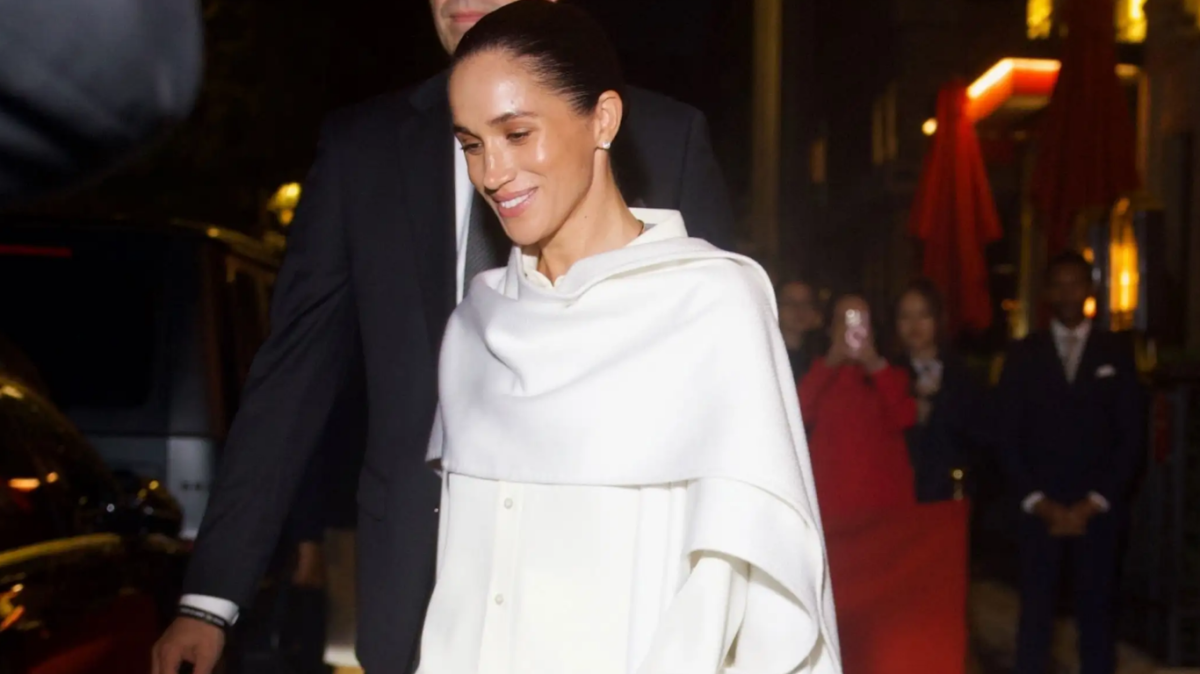
When you hear “Paris Fashion Week,” your mind races to haute couture, bold statements, and the world’s most glamorous attendees. But on October 4, 2025, the scene got a surprise guest—Meghan Markle, making what might be her most talked-about entrance yet. To call it a “debut” feels almost too neat, as if she’s stepping into a world she’s never touched. Yet, Meghan’s gradual evolution as a style influencer has been anything but accidental. Her Paris moment isn’t just celebrity spectacle; it’s a statement, a pivot, and a nuanced step into a new chapter. Here’s my take on why this matters.
Wonder how this would look with a statement necklace for evening? I often need to transition from office to events
No way I could pull off those loafers with distressed jeans. I think combat boots would make it more edgy
That mascara and brow combo is giving me life! Perfect balance with the statement dress
I have a similar dress and found that pearl drop earrings work beautifully with the Victorian neckline. What do you all think?