The decision to present the Pepsi burn as a triumph of willpower rather than the beginning of a serious addiction is exactly the kind of choice that makes this film feel like PR rather than art.
17
Sign up to see more
SignupAlready a member?
LoginBy continuing, you agree to Sociomix's Terms of Service, Privacy Policy

The decision to present the Pepsi burn as a triumph of willpower rather than the beginning of a serious addiction is exactly the kind of choice that makes this film feel like PR rather than art.
Saying Gosu needs to distinguish itself in a crowded martial arts anime landscape is true but also dismisses how much the murim setting distinguishes itself by default from Japanese martial arts frameworks.
The regression subgenre has exploded in popularity over the past few years, becoming one of the most beloved narrative frameworks in Korean manhwa. The core premise is deceptively simple: a protagonist dies or fails catastrophically, then returns to an earlier point in time with their memories intact. Armed with future knowledge, they get a second chance to change their fate, save loved ones, gain power, or pursue revenge against those who wronged them. What makes regression stories so compelling is the combination of dramatic irony, strategic satisfaction, and emotional depth they provide. Readers know what the protagonist knows, creating tension when other characters make mistakes we can see coming. We feel smart alongside protagonists who use foreknowledge to outmaneuver enemies. And we experience the emotional weight of carrying memories of futures that haven't happened yet, of people who died who are currently alive, of betrayals that haven't occurred.
Anyone who has ever sat in a meeting where a developer and a designer are literally arguing about whether a border radius is 4px or 6px will understand exactly why this article exists.
That is actually a growing conversation in the ethics space around synthetic media disclosure. Some companies are starting to add disclosures, others are treating it the same as any produced video content. No consensus yet and no regulation requiring it.
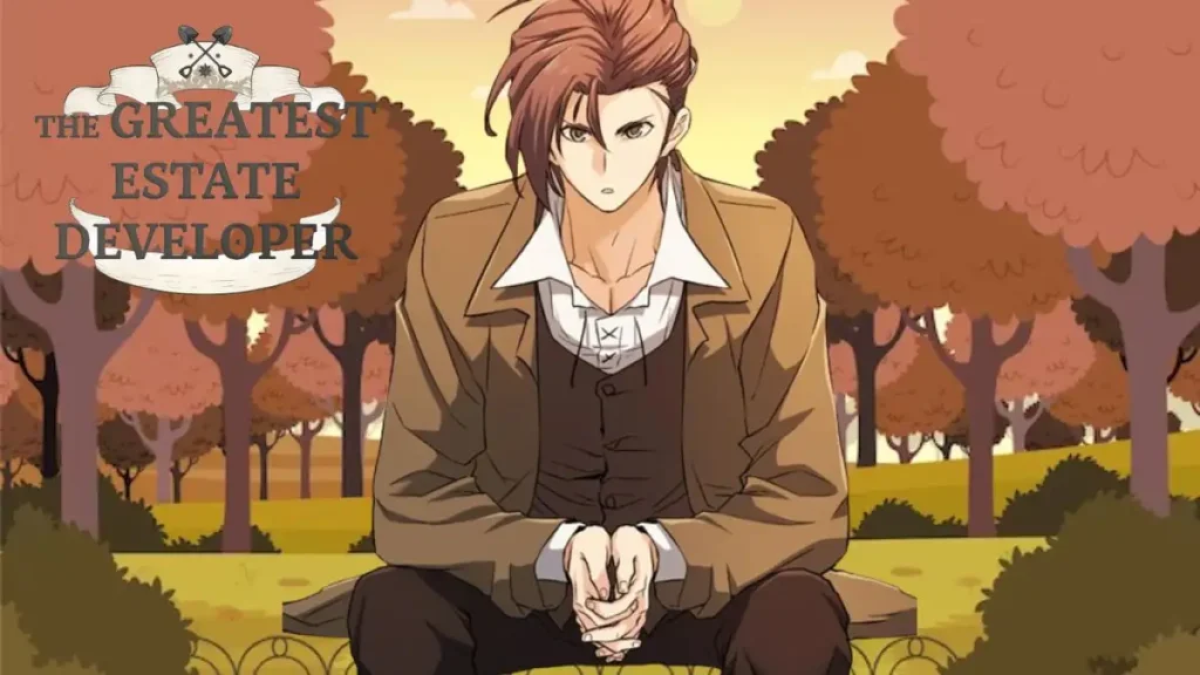
In a manhwa landscape dominated by dungeon crawling, regression narratives, and power fantasies, The Greatest Estate Developer stands out by asking a simple question: what if the protagonist's greatest weapon wasn't a sword or magic system, but civil engineering knowledge? This bizarre premise transforms into one of the most entertaining, genuinely funny, and surprisingly heartfelt series currently running, proving that innovation in storytelling comes from unexpected places. The series takes the familiar isekai setup where a modern person finds themselves in a fantasy world and completely subverts expectations. Instead of becoming an adventurer or hero, protagonist Kim Suho uses his engineering knowledge to revolutionize construction, infrastructure, and economic development. What sounds like it should be boring becomes absolutely captivating through sharp writing, excellent comedic timing, and genuine passion for showing how infrastructure improves lives.
Hot take: the real innovation here is not the technology, it is the interaction design. Dozens of tools had decent transcription before Descript. Nobody made editing the actual interface until Descript did.
A studio that handles comedic timing well would be essential. The humor really lives in the beats and the expressions more than the dialogue.
Both companies are burning billions and everyone's acting like the laws of financial gravity don't apply because the technology is impressive. I've seen this movie before and it doesn't always end with the most impressive tech winning.
The designer-developer relationship has been tense for decades. Designers create pixel-perfect mockups in Figma. Developers translate them to code and somehow everything looks slightly wrong. Fonts don't match. Spacing is inconsistent. Buttons have different corner radiuses. Both sides get frustrated, blame each other, and the product suffers. V0 by Vercel is fixing this problem by generating production-quality React components that look exactly like the designs. The rebrand from v0.dev to v0.app in January 2026 signaled expanded ambitions beyond just UI component generation. Vercel positioned the tool for full-stack web development, though its core strength remains frontend excellence. That strategic clarity matters because trying to be everything often means excelling at nothing. V0 chose to dominate the handoff between design and code before expanding into other areas.

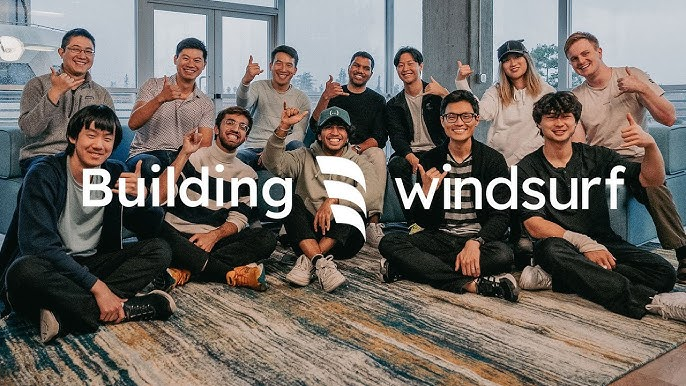
Developers have a new anxiety in 2026: token anxiety. You're in the middle of debugging a complex problem, the AI is helping you refactor three files simultaneously, and suddenly you wonder if this session is about to cost you $50. That mental tax slows you down and makes you second-guess using the tool you're paying for. Windsurf eliminated that anxiety with a simple decision: flat monthly pricing with no token limits. Fifteen dollars per month. Unlimited usage. No tracking credits or calculating costs per query. That pricing model sounds almost boring compared to the complex token systems other AI coding tools use, but boring is exactly what professional developers want when it comes to pricing. They want predictable costs and unlimited usage so they can focus on writing code instead of budgeting AI queries.
The silence from the Fed, Treasury, and every major bank is telling. When everyone lawyers up at the same time, the underlying facts are usually worse than what got published.
Codex's voice input via spacebar for terminal workflows is a sleeper feature. If your workflow is already terminal-native that small thing actually speeds up a surprising amount of context-setting.
The cape silhouette is very now. We are in this moment where fashion is oscillating between oversized drama and quiet precision and she landed squarely in the right column.
Am I the only one who thinks the holographic bag is a bit too much with this elegant outfit?
The proportions are stunning together. I especially love how the length of the dress works with those strappy heels.
What sunglasses would you pair with this? I'm thinking cat eye to match the liner vibe