Honestly the part about the suprachiasmatic nucleus and the peripheral clocks in the liver and gut is the piece that finally made sense to me. It is not woo, there is a whole system at work.
23
Sign up to see more
SignupAlready a member?
LoginBy continuing, you agree to Sociomix's Terms of Service, Privacy Policy

Honestly the part about the suprachiasmatic nucleus and the peripheral clocks in the liver and gut is the piece that finally made sense to me. It is not woo, there is a whole system at work.
Is Jaafar Jackson actually dancing in the movie or is it a stunt double doing most of the heavy lifting?
First time I saw the trailer I genuinely thought it was archival Michael Jackson footage during the moonwalk section. Jaafar has something supernatural going on.
That is a real tension. Datacenters consume a significant share of global electricity and that percentage is climbing with AI workloads. The renewable energy procurement roles exist precisely because this is becoming a crisis that needs managing.
The structure shift in later volumes is divisive but I think it is actually the point. JH is showing you that there is no single hero story. Every person who steps into that ring has a complete life behind them.
Jooheon's relationship with his sister is the emotional anchor the whole series needs. Without it he would be too cold to follow for hundreds of chapters. The writing understood that early and committed to it.
From a craft perspective the choice to make the catalyst for the tragedy a piece of writing rather than a violent act or political betrayal is genuinely unusual for this genre. Text is doing narrative work that swords usually do in isekai. That is worth appreciating.
Thomas Andre showing up in Ragnarok and having a whole rivalry with Suho is something I never knew I needed.
For readers who come from literary fiction rather than manhwa, this is the series to start with. The emotional seriousness will feel familiar even if the format does not.
Kill the Hero's protagonist working methodically rather than impulsively is such a refreshing contrast to typical revenge narratives. The patience makes the eventual confrontations feel earned rather than explosive for the sake of it.
The manhwa world exploded when Solo Leveling first introduced us to Sung Jinwoo's journey from the weakest hunter to humanity's strongest defender. Now, Solo Leveling Ragnarok brings a fresh perspective to this beloved universe, and fans everywhere are asking the same questions. Can the sequel live up to the original? Do you need to read Solo Leveling first? What makes this continuation worth your time? This guide covers everything you need to know about Solo Leveling Ragnarok, whether you're a longtime fan or someone curious about jumping into the series Solo Leveling Ragnarok is not a reboot or alternate timeline. This is a direct sequel that continues the story years after the original series concluded. The protagonist shifts from Sung Jinwoo to his son, Sung Suho, who must forge his own path in a world still recovering from the catastrophic events his father prevented.
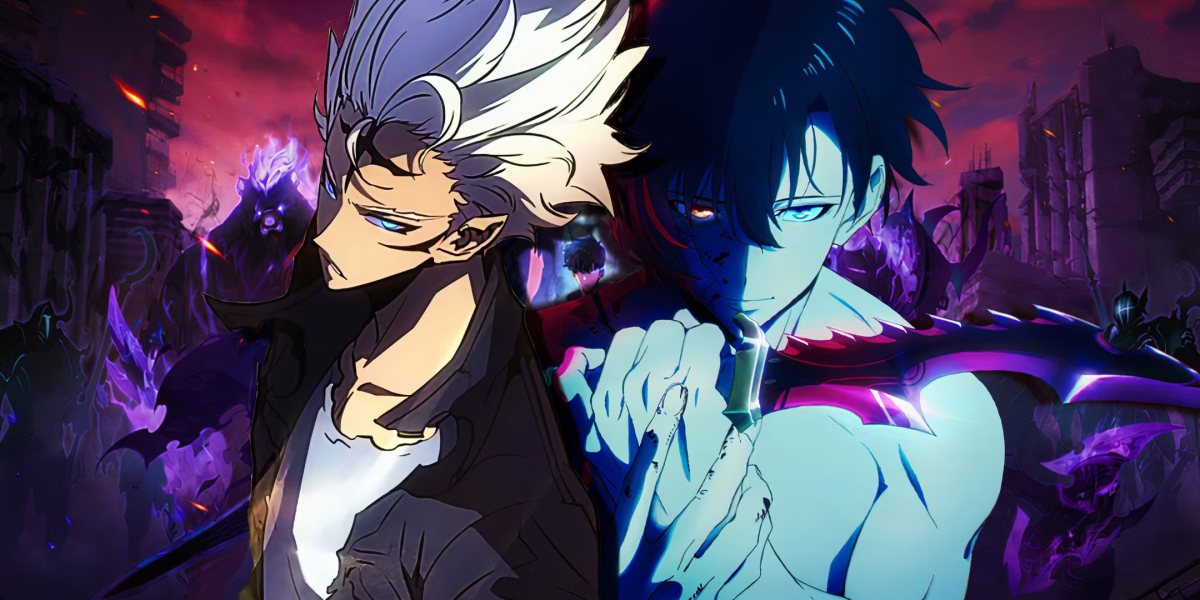
The name localization thing is a real adjustment but it is standard practice for Japanese dubs of Korean properties. Solo Leveling did the same thing and after a few episodes you just adjust.
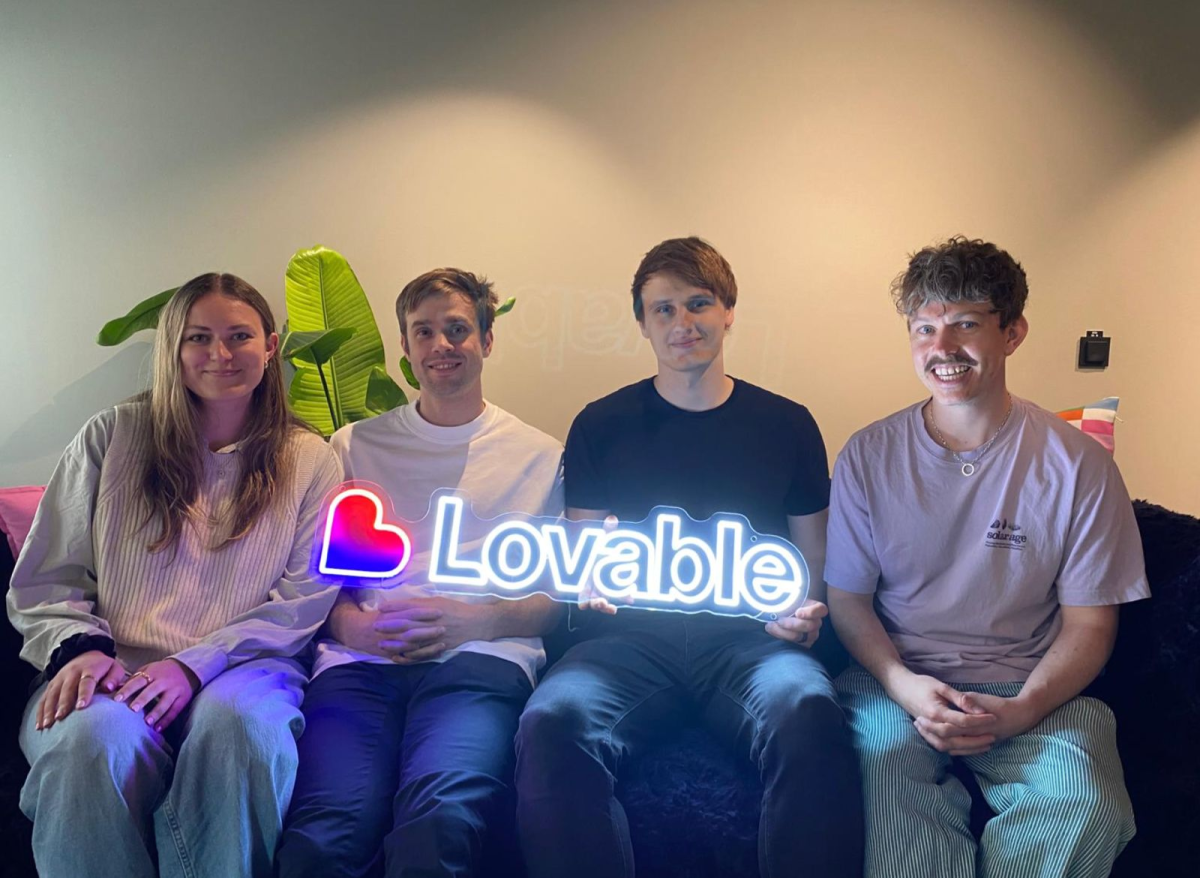
The software development world just witnessed something unprecedented. A European startup called Lovable reached $20 million in annual recurring revenue in just two months, making it potentially the fastest-growing startup in European history. But here's the twist that's making traditional software agencies nervous: they did it by giving non-technical founders the power to build full-stack applications without writing a single line of code. For years, the promise of no-code tools has been the same: anyone can build an app. But the reality has always been different. You'd create a beautiful frontend, get excited about your progress, and then hit the technical cliff. Suddenly you needed to configure databases, set up authentication, manage API keys, and deploy to servers. The "no-code" dream became a "hire-a-developer-anyway" nightmare.
While Synthesia leads in revenue, HeyGen leads in customer acquisition momentum with 152% year-over-year growth in mid-market adoption. That explosive growth rate allowed HeyGen to close much of the customer count gap by late 2025. The company is winning by making avatar video accessible to smaller teams and individual creators who cannot afford enterprise contracts but need professional video capabilities. HeyGen positioned itself for small and medium businesses, marketing teams, content creators, and solo entrepreneurs rather than enterprise learning and development departments. This market segment values affordability, ease of use, and creative flexibility over governance features and advanced integrations. Average contract values are roughly one-third of Synthesia's, reflecting this different customer profile.
The clip finder works better than I expected honestly. It does not always pick the clips I would have chosen but it surfaces moments I would have missed, and the starting point is strong enough to refine quickly.
Sure, except Apple had decades of hardware experience, massive margins to fund the R and D, and a controlled software platform to optimize for. Anthropic has none of those. The comparison is flattering but not really apt.
The cloud-versus-local architecture difference has real implications for security-conscious developers that both marketing departments gloss over. Your code going into OpenAI's cloud sandboxes versus being processed locally by Claude is a fundamentally different trust model.
Honestly not sure about that. Most heavy Instagram commenters were not holding back because of typo anxiety. They were already posting freely. The beneficiaries of this feature are probably the more thoughtful commenters who agonize over wording.
The detail about the model not being made generally available for the first time ever is the real headline. Anthropic has always leaned toward openness. Pulling back signals that even they were scared of what they built.
Meta has just had one of its most important AI moments yet and the early signals are hard to ignore. Following the launch of its newest AI model Muse Spark, the company’s standalone Meta AI app surged dramatically in popularity, hinting at a much larger shift that is beginning to take shape. The release is particularly significant because it marks the first major AI model rollout under Alexandr Wang, who joined Meta to reboot its AI strategy. This is not just another incremental update. It represents a more aggressive and focused push into the AI race. According to data from Appfigures, Meta AI jumped from number 57 to number 5 on the U.S. App Store within a day of the launch. That kind of movement rarely happens without a strong underlying pull from users. It signals not curiosity but intent.