
Estate-approved biopics are basically a subgenre at this point. You get the music, you get the performance, you get a version of the life story that has been pre-approved for palatability. Michael is just the most expensive example so far.
Sign up to see more
SignupAlready a member?
LoginBy continuing, you agree to Sociomix's Terms of Service, Privacy Policy
Sign up to see more
SignupAlready a member?
LoginBy continuing, you agree to Sociomix's Terms of Service, Privacy Policy

Estate-approved biopics are basically a subgenre at this point. You get the music, you get the performance, you get a version of the life story that has been pre-approved for palatability. Michael is just the most expensive example so far.
Most biopics about musicians are really just concert films with biographical framing. The criticism that this film is essentially a filmed playlist is not unfair but it also describes a lot of beloved films in this genre.
Based on what Jaafar said at the premiere, the film actually goes into the vitiligo story in some depth, including how early it affected him. He specifically said one of the biggest misconceptions the movie corrects is the idea that Michael wanted to be white.
Kim is clearly building toward the reveal of what that obsession does to both of them. The structural mirroring the article describes in Hwang's panel composition is already telegraphing something about how similar these two might turn out to be.
Been following Carnby Kim since the Bastard days and genuinely teared up a little seeing Copycat hit the front page rankings. This man's work shaped how I think about psychological horror in comics.
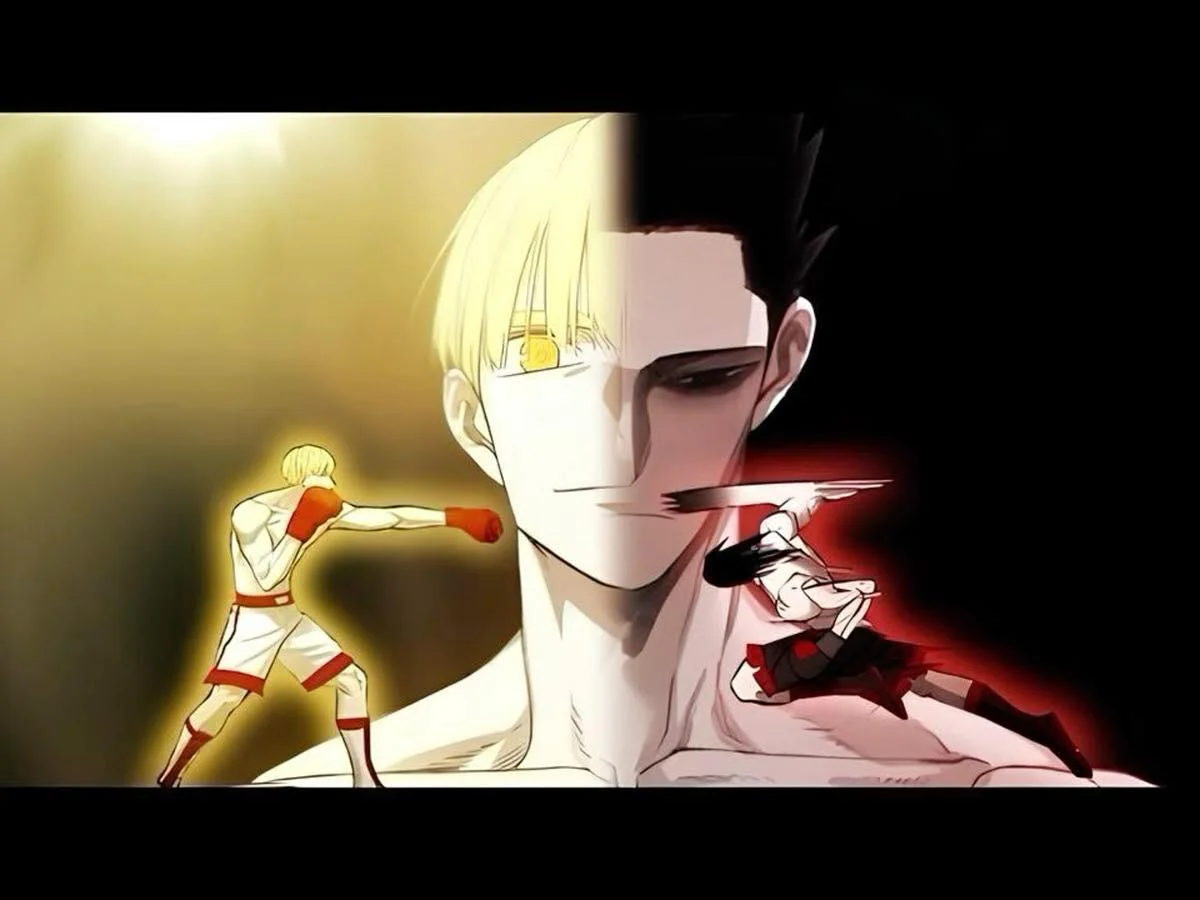
Sports anime and manga have delivered countless memorable series over the decades, from Slam Dunk's basketball brilliance to Haikyuu's volleyball excellence. These stories typically follow familiar patterns: talented but inexperienced protagonist joins a team, forms bonds with teammates, faces rivals, grows through competition, and ultimately pursues championship glory. The formula works because it taps into universal themes about effort, teamwork, and self-improvement. The Boxer, created by JH, takes everything you expect from sports stories and systematically deconstructs it. The protagonist doesn't love boxing. He doesn't form deep bonds with teammates. He doesn't overcome challenges through friendship and determination. Instead, the manhwa presents one of the darkest, most psychologically complex examinations of combat sports ever created, wrapped in stunningly minimalist artwork that elevates the narrative to something approaching high art.
Counterpoint to the people saying skip straight to Ragnarok, the original Solo Leveling is legitimately one of the most satisfying reads in modern manhwa. Don't rob yourself of that experience just to get to the sequel faster.
On the Figma import question, my experience is that standard layouts and component-heavy screens convert pretty cleanly. Anything with custom animations or really artistic layouts still needs manual work. It is not magic but it is faster than starting from scratch.
Cautiously optimistic overall. The pricing drama of the last few months has been a bit of a mess but the underlying tool capability is legitimately good and keeps getting better.
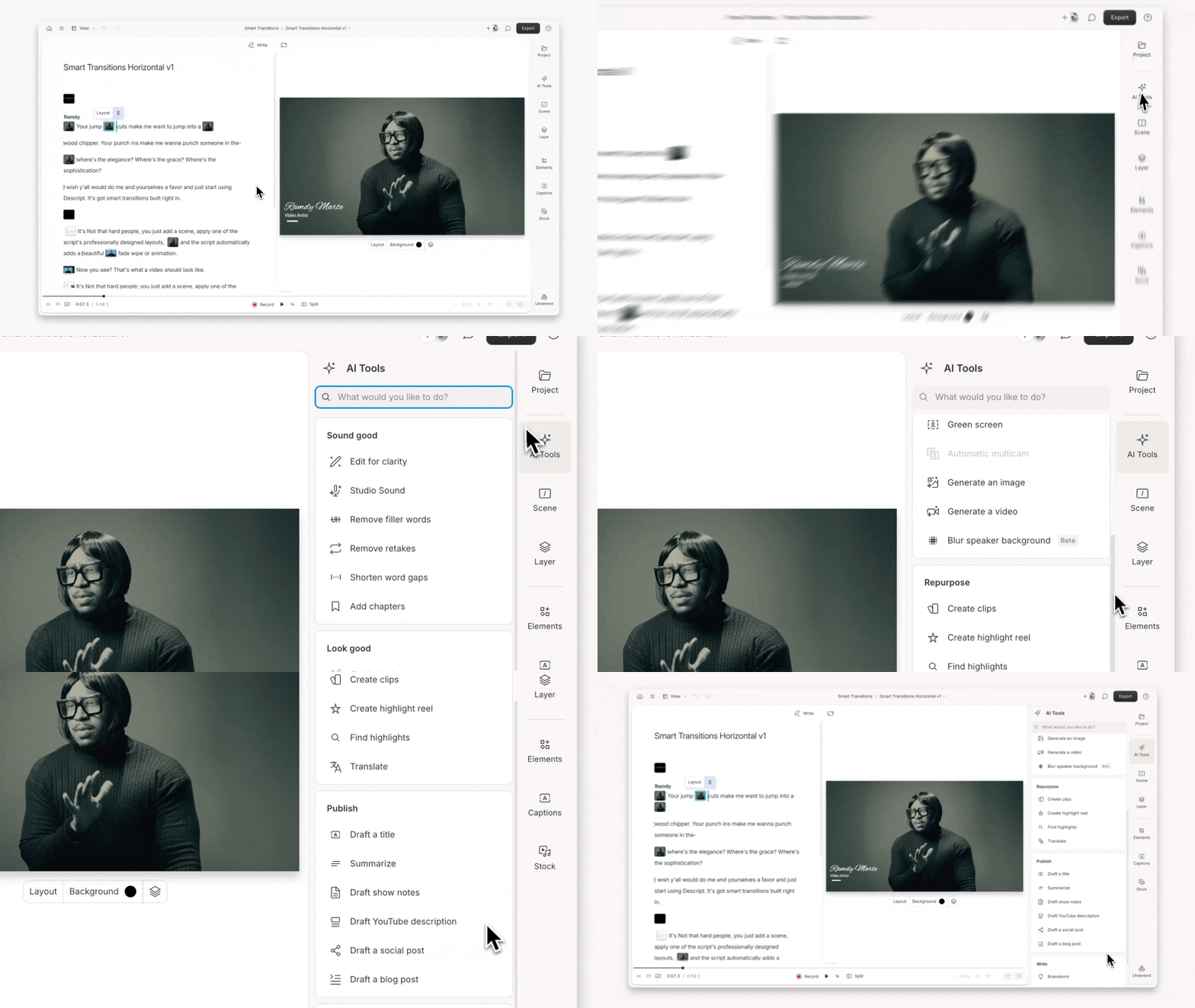
Most people can edit a Google Doc. Delete some words, rearrange sentences, fix typos, add paragraphs. It's intuitive and requires no special training. Now imagine editing video the same way. That's Descript's core innovation, and it transformed video editing from a specialized skill requiring expensive software into something anyone who can edit text can do effectively. Descript started as a transcription tool for podcasters. Record your podcast, upload it to Descript, and get an accurate transcript for show notes. But the founders realized something bigger. If you have a perfect transcript synchronized to audio, you can edit the audio by editing the text. Delete a word from the transcript and that word disappears from the audio. That insight became the foundation for a complete editing platform.
Hot take: the designer-developer relationship was never really about aesthetics. It was about power and ownership over the product. Better tooling helps but it does not address the underlying org structure question.
The manhwa world exploded when Solo Leveling first introduced us to Sung Jinwoo's journey from the weakest hunter to humanity's strongest defender. Now, Solo Leveling Ragnarok brings a fresh perspective to this beloved universe, and fans everywhere are asking the same questions. Can the sequel live up to the original? Do you need to read Solo Leveling first? What makes this continuation worth your time? This guide covers everything you need to know about Solo Leveling Ragnarok, whether you're a longtime fan or someone curious about jumping into the series Solo Leveling Ragnarok is not a reboot or alternate timeline. This is a direct sequel that continues the story years after the original series concluded. The protagonist shifts from Sung Jinwoo to his son, Sung Suho, who must forge his own path in a world still recovering from the catastrophic events his father prevented.
While Synthesia leads in revenue, HeyGen leads in customer acquisition momentum with 152% year-over-year growth in mid-market adoption. That explosive growth rate allowed HeyGen to close much of the customer count gap by late 2025. The company is winning by making avatar video accessible to smaller teams and individual creators who cannot afford enterprise contracts but need professional video capabilities. HeyGen positioned itself for small and medium businesses, marketing teams, content creators, and solo entrepreneurs rather than enterprise learning and development departments. This market segment values affordability, ease of use, and creative flexibility over governance features and advanced integrations. Average contract values are roughly one-third of Synthesia's, reflecting this different customer profile.
Reading TikTok's new privacy policy from January alongside this encryption news and it is quite a combination. They added precise location tracking and confirmed no E2EE in the same breath. Users are not reading this stuff.
The thing that strikes me is that Anthropic disclosed all of this voluntarily. They did not have to publish the red team results or explain the capabilities. That transparency is either genuinely admirable or strategically timed. Probably both.
I tried Codex for a month when it launched, had a great time with the parallel task feature, then went right back to Claude Code for my actual production work. Speed is nice but I need accuracy on the code that ships.
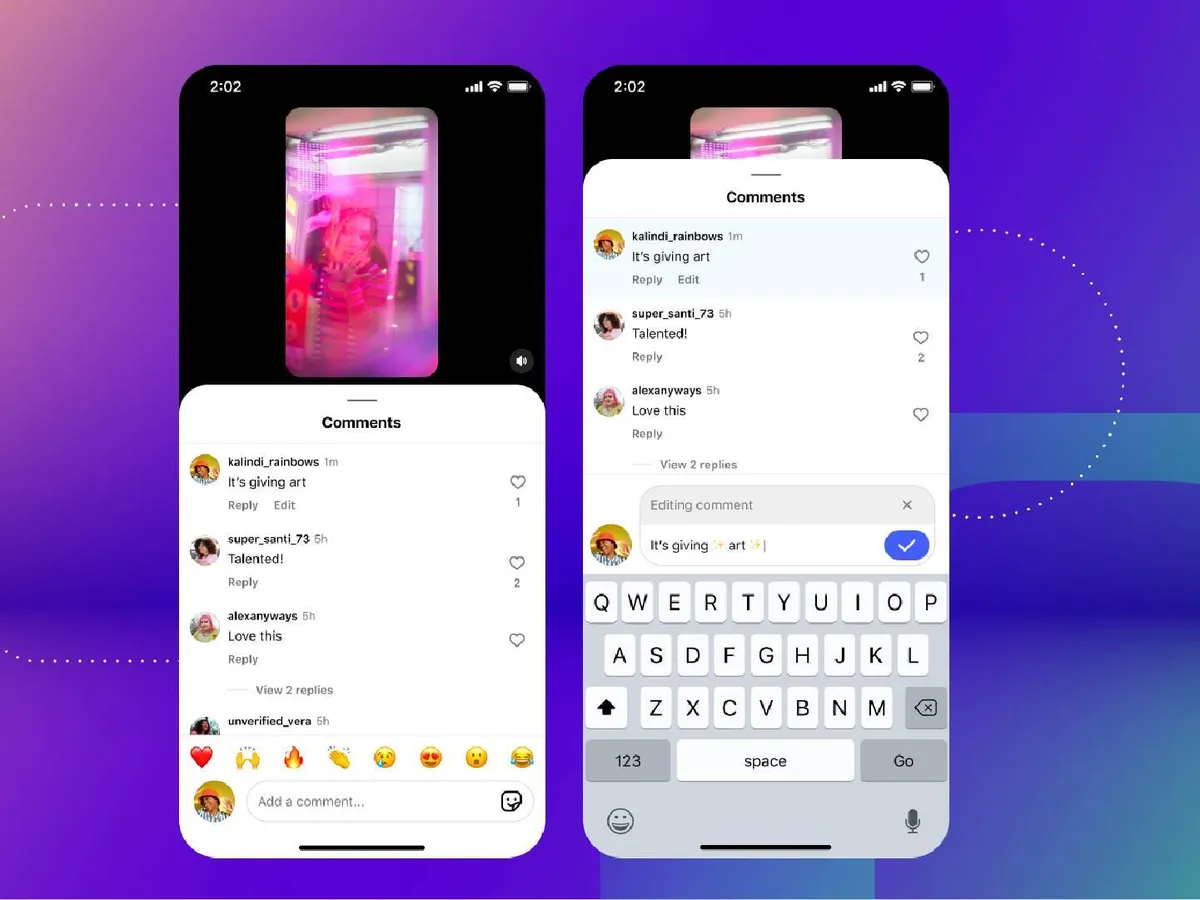
Instagram has rolled out a small but long overdue feature that users have been asking for years. You can now edit your comments after posting them. This simple change solves a very real frustration. Until now, fixing even the smallest typo meant deleting your comment and writing it all over again. That friction is finally gone. But there is a boundary. You get a 15 minute window after posting to make edits. Within that time, you can update your comment as many times as you want. There is also a layer of transparency built in. Once a comment is edited, others will be able to see that it has been modified. However, unlike platforms such as iMessage, Instagram does not show the edit history. What was originally written stays hidden.
This would be stunning for a summer wedding. Just add a fascinator and you're good to go
How do you keep black blazers from getting those dreaded shine marks on the elbows?
Join independent creators, thought leaders, and storytellers to share your unique perspectives, and spark meaningful conversations.