
The Primal Hunter's moral complexity angle is what separates it from generic system manhwa and I hope the anime does not sand that down into just another power fantasy.
Sign up to see more
SignupAlready a member?
LoginBy continuing, you agree to Sociomix's Terms of Service, Privacy Policy

The Primal Hunter's moral complexity angle is what separates it from generic system manhwa and I hope the anime does not sand that down into just another power fantasy.
Hot take but TGED has better comedic timing than most actual anime comedies currently airing.
Hot take but the Sword Empress would carry a solo series without any supporting cast and Doom Breaker is almost too generous with her by keeping her in a supporting role.
The adaptation was originally supposed to drop in the second half of 2025 and we still have no confirmed release date. My hype has officially entered survival mode.
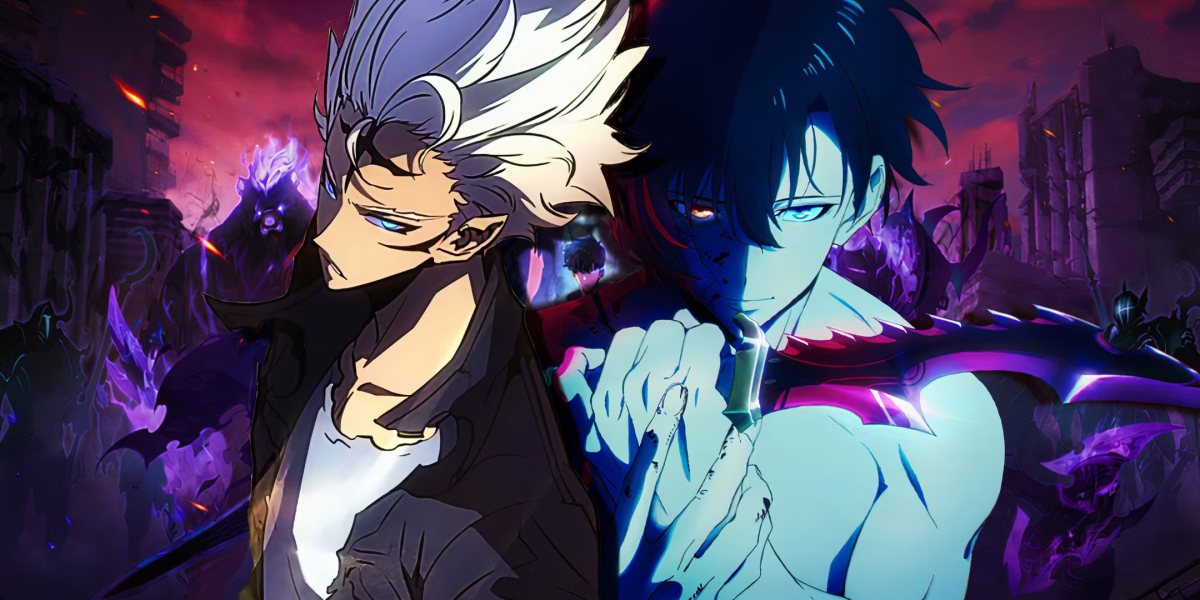
The manhwa world exploded when Solo Leveling first introduced us to Sung Jinwoo's journey from the weakest hunter to humanity's strongest defender. Now, Solo Leveling Ragnarok brings a fresh perspective to this beloved universe, and fans everywhere are asking the same questions. Can the sequel live up to the original? Do you need to read Solo Leveling first? What makes this continuation worth your time? This guide covers everything you need to know about Solo Leveling Ragnarok, whether you're a longtime fan or someone curious about jumping into the series Solo Leveling Ragnarok is not a reboot or alternate timeline. This is a direct sequel that continues the story years after the original series concluded. The protagonist shifts from Sung Jinwoo to his son, Sung Suho, who must forge his own path in a world still recovering from the catastrophic events his father prevented.
My only concern with an anime adaptation is pacing. A lot of the humor lives in facial expression panels and the slow build of a comedic beat. Bad pacing would absolutely kill what makes Lloyd so funny.
The mystery wearing thin is a valid criticism but I think the fragmented reveals are intentional. We are getting her past the same way she experiences the present, in pieces, without full context.
From what I understand the novel handles this with some care, suggesting Seongshik had unexplored feelings that the situation brings into focus rather than framing the BL world as the thing that makes him gay. The manhwa adaptation seems to follow the same approach.
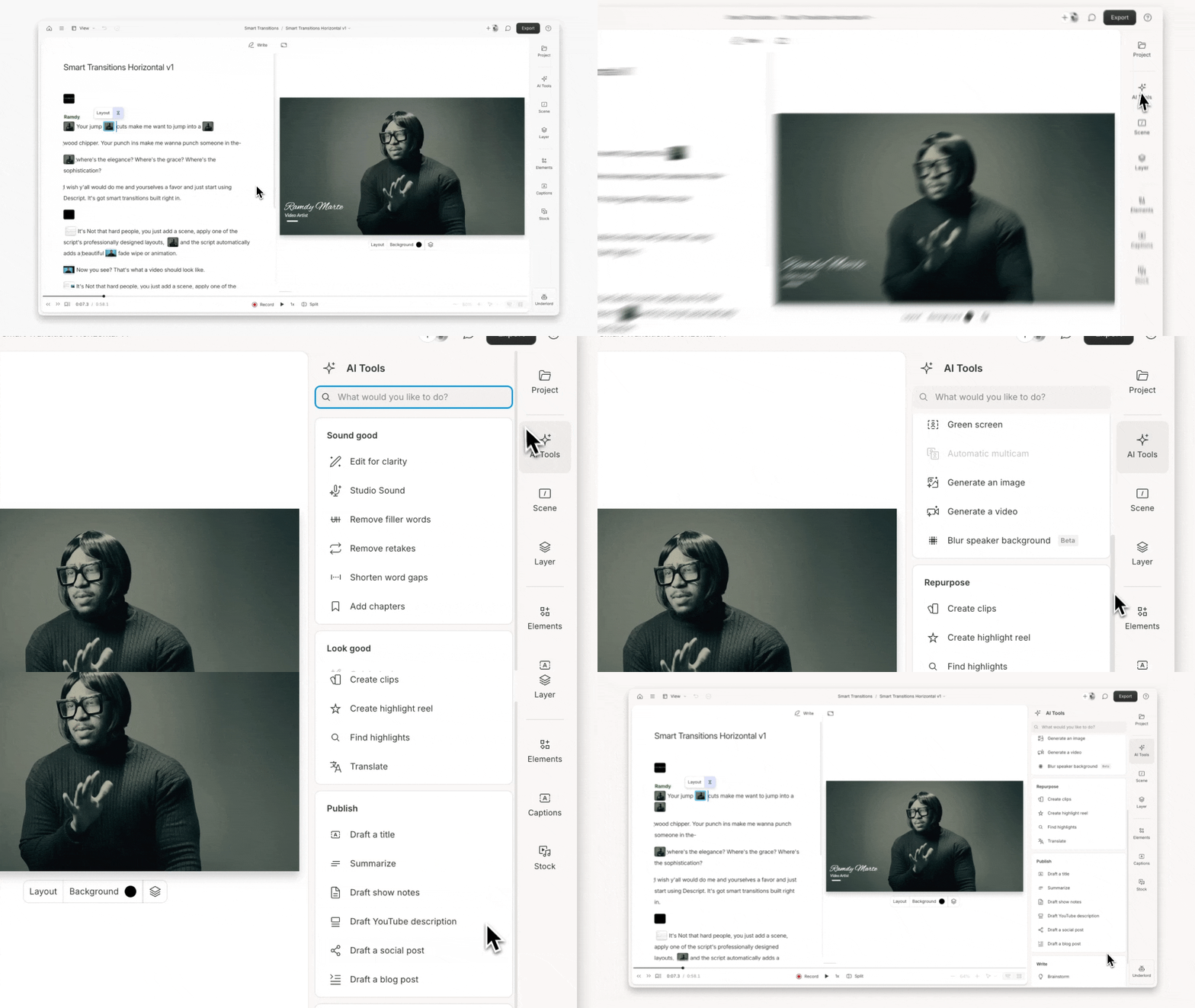
Most people can edit a Google Doc. Delete some words, rearrange sentences, fix typos, add paragraphs. It's intuitive and requires no special training. Now imagine editing video the same way. That's Descript's core innovation, and it transformed video editing from a specialized skill requiring expensive software into something anyone who can edit text can do effectively. Descript started as a transcription tool for podcasters. Record your podcast, upload it to Descript, and get an accurate transcript for show notes. But the founders realized something bigger. If you have a perfect transcript synchronized to audio, you can edit the audio by editing the text. Delete a word from the transcript and that word disappears from the audio. That insight became the foundation for a complete editing platform.
The Fortune 100 adoption numbers are impressive but also a little circular. Once enough big companies adopt something it becomes safer for other big companies to adopt it. Network effects in enterprise compliance culture are wild.
The OpenAI Startup Fund backed Descript early on, which explains why the AI features feel well integrated rather than bolted on as afterthoughts. The alignment between their AI approach and the underlying product is unusually coherent.
The article describing Season of Blossom as relatively untested territory for romance manhwa anime is interesting because True Beauty Season 2 is also coming this year and it seems like the obvious precedent.
In a manhwa landscape dominated by dungeon crawling, regression narratives, and power fantasies, The Greatest Estate Developer stands out by asking a simple question: what if the protagonist's greatest weapon wasn't a sword or magic system, but civil engineering knowledge? This bizarre premise transforms into one of the most entertaining, genuinely funny, and surprisingly heartfelt series currently running, proving that innovation in storytelling comes from unexpected places. The series takes the familiar isekai setup where a modern person finds themselves in a fantasy world and completely subverts expectations. Instead of becoming an adventurer or hero, protagonist Kim Suho uses his engineering knowledge to revolutionize construction, infrastructure, and economic development. What sounds like it should be boring becomes absolutely captivating through sharp writing, excellent comedic timing, and genuine passion for showing how infrastructure improves lives.
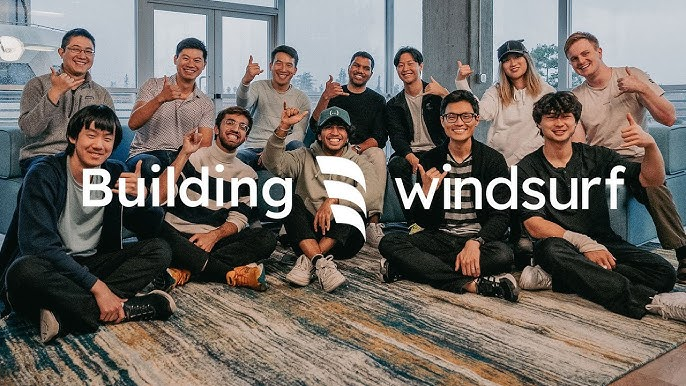
Developers have a new anxiety in 2026: token anxiety. You're in the middle of debugging a complex problem, the AI is helping you refactor three files simultaneously, and suddenly you wonder if this session is about to cost you $50. That mental tax slows you down and makes you second-guess using the tool you're paying for. Windsurf eliminated that anxiety with a simple decision: flat monthly pricing with no token limits. Fifteen dollars per month. Unlimited usage. No tracking credits or calculating costs per query. That pricing model sounds almost boring compared to the complex token systems other AI coding tools use, but boring is exactly what professional developers want when it comes to pricing. They want predictable costs and unlimited usage so they can focus on writing code instead of budgeting AI queries.
From a purely practical standpoint, the ability to search three months of meeting history and find the specific conversation where a decision was made is worth whatever the subscription costs. That alone has saved relationships in my team.
Still waiting for someone to explain how the AI eye contact feature actually works without looking deeply unsettling. Every demo I have seen looks a little off.
the compute math here is brutal for OpenAI. Spending 4x more on training and generating less revenue is not a gap you close by writing memos to investors.
Been saying for months that Ethereum's ETF flows were the underpriced story of the year. $85 million in a single day is the market starting to pay attention.
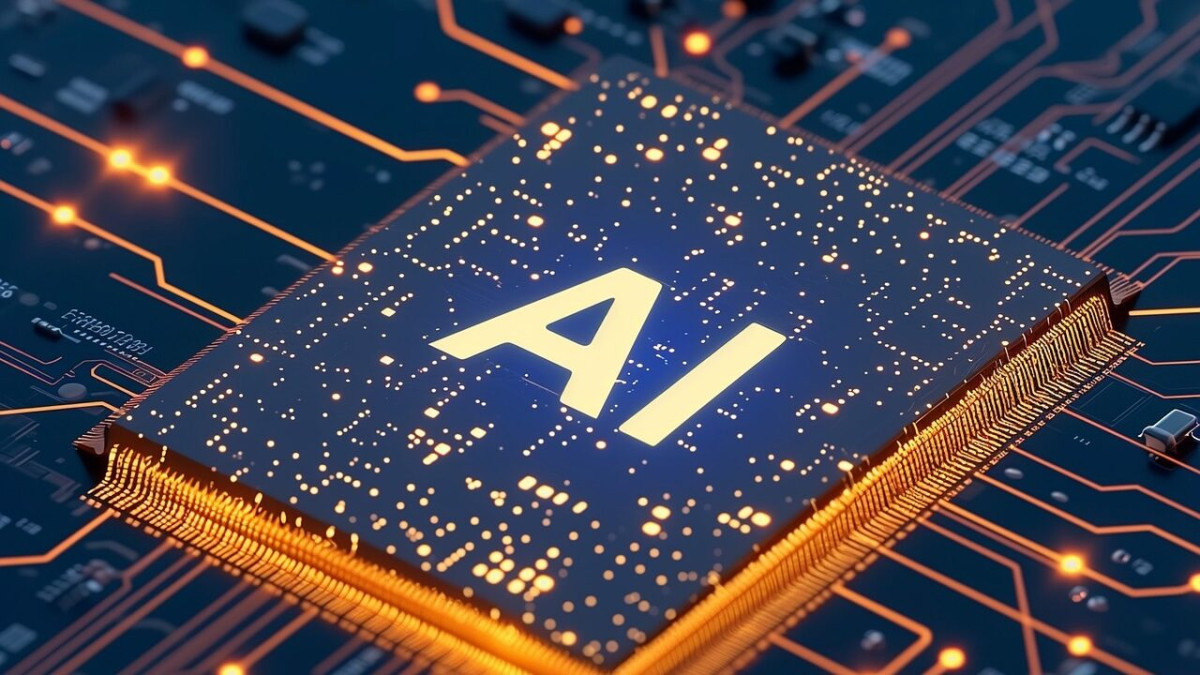
The artificial intelligence industry is entering a new phase of competition, one that extends far beyond the development of advanced language models and neural networks. Companies are now engaged in an intense struggle to secure the computational infrastructure necessary to train and deploy their AI systems. In this context, Anthropic has reportedly begun exploring the possibility of designing and manufacturing its own specialized processors to power Claude, its flagship conversational AI platform, along with its broader suite of artificial intelligence technologies. This strategic consideration emerges at a critical moment in the global AI sector. The exponential growth in model complexity and capability has created unprecedented demand for high-performance computing resources. Sources familiar with the matter indicate that Anthropic is conducting feasibility studies to determine whether developing proprietary semiconductor technology could reduce its dependence on external hardware vendors while ensuring reliable access to the computing power required for its operations.
As someone who has watched Meta's AI efforts for years, this feels different. Llama was always a research play dressed up as a product. Muse Spark is the opposite. It is a product play backed by serious research. That is a meaningful change in orientation.