
Estate-approved biopics are basically a subgenre at this point. You get the music, you get the performance, you get a version of the life story that has been pre-approved for palatability. Michael is just the most expensive example so far.
Sign up to see more
SignupAlready a member?
LoginBy continuing, you agree to Sociomix's Terms of Service, Privacy Policy
Sign up to see more
SignupAlready a member?
LoginBy continuing, you agree to Sociomix's Terms of Service, Privacy Policy

Estate-approved biopics are basically a subgenre at this point. You get the music, you get the performance, you get a version of the life story that has been pre-approved for palatability. Michael is just the most expensive example so far.
I keep seeing people online ask whether Jaafar Jackson is a good actor or just a skilled impersonator. The article addresses this honestly and I think the answer is both, depending on which scenes you are watching.
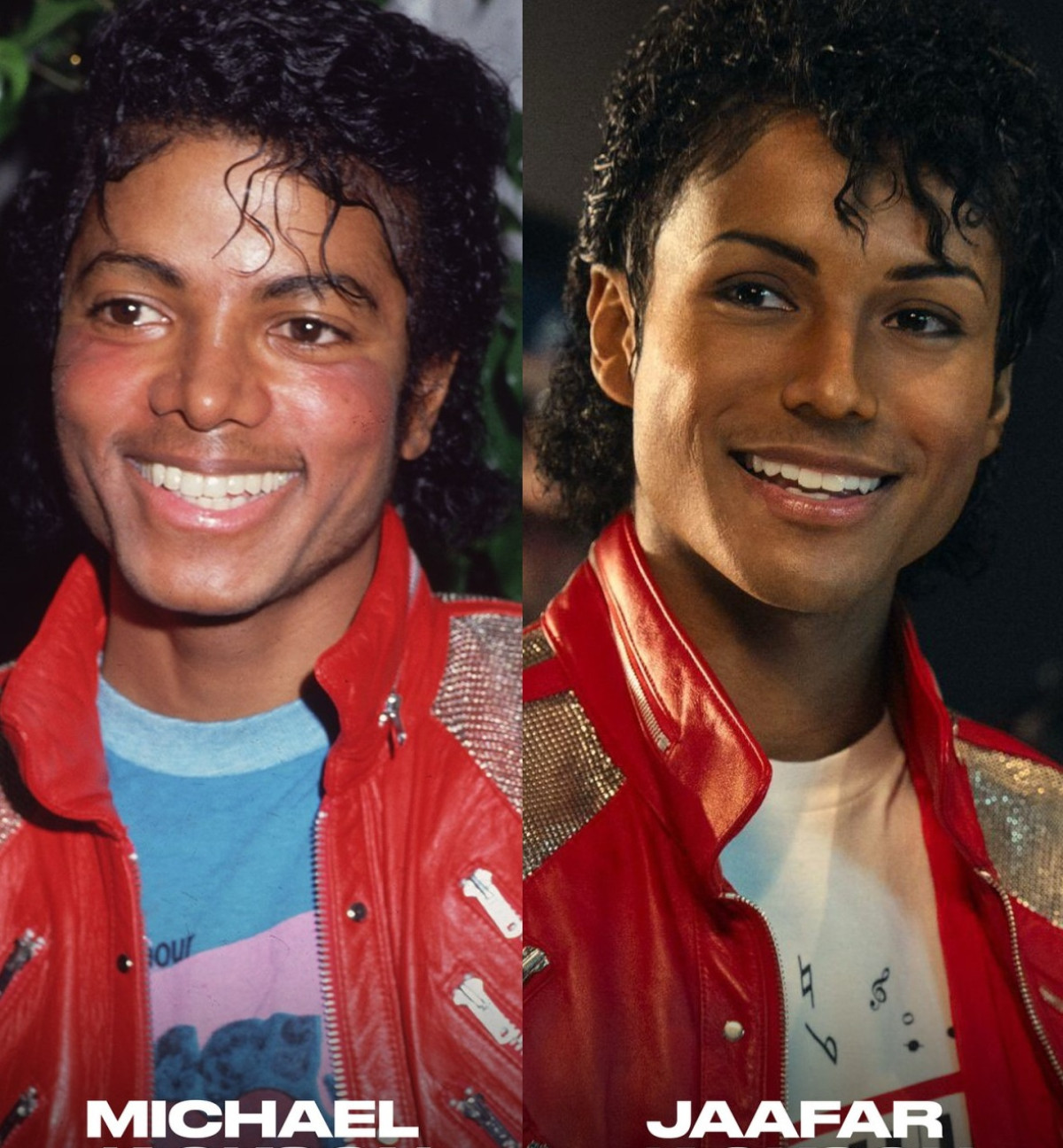
Jaafar Jackson plays Michael Jackson in the 2026 biopic Michael, and the story of how the 29-year-old newcomer landed the role is more interesting than the film itself. It started with a voice note. It involved a two-year global casting search with no formal auditions. It required Jaafar to keep the role secret from his own family for a full year. And it ended with his grandmother Katherine Jackson, the woman who knew Michael longest and loved him most, telling producers that her grandson didn't just resemble her son, he embodied him. After tracking every interview, behind-the-scenes video, and production report released since the film was announced, I can tell you that the choice of Jaafar was not nepotism, not a publicity play, and not the obvious pick everyone assumes it was. It was a hard-earned outcome of the most unusual casting process in recent biopic history, and here is how it actually happened.
Went opening night with a group of friends in their 40s and 50s who grew up with this music. We all agreed it is the most fun we have had at the movies in years despite every flaw the critics describe being accurate. Know your audience.
Same. Without naming names for spoiler reasons, the person introduced around chapter 7 immediately jumped to top suspect status for me while simultaneously making me feel terrible about suspecting them.
For people wondering about whether Copycat is appropriate for sensitive readers, I would say the body horror is conceptual more than visual. Hwang implies more than he shows, which somehow makes it worse.
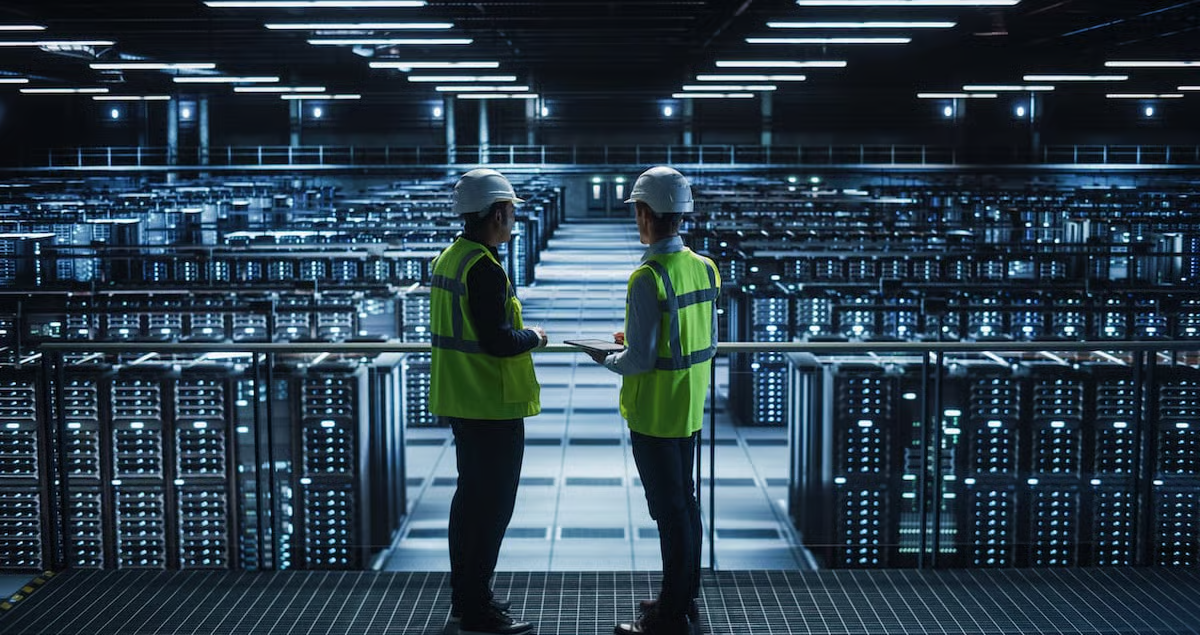
The technology sector is experiencing a paradox. While headlines scream about mass layoffs at major tech companies, a critical shortage is quietly building in one of the most essential areas of digital infrastructure. Datacenters, the physical backbone of our digital world, are facing an unprecedented demand surge, and there simply are not enough skilled professionals to build and maintain them. Countries across the globe are rushing to establish their own datacenter infrastructure. From India's ambitious plans to become a datacenter hub to the European Union's push for data sovereignty, and emerging markets in Southeast Asia and Latin America building their first large scale facilities, the construction boom is just beginning.
Hot take but TGED has better comedic timing than most actual anime comedies currently airing.
The regression subgenre has exploded in popularity over the past few years, becoming one of the most beloved narrative frameworks in Korean manhwa. The core premise is deceptively simple: a protagonist dies or fails catastrophically, then returns to an earlier point in time with their memories intact. Armed with future knowledge, they get a second chance to change their fate, save loved ones, gain power, or pursue revenge against those who wronged them. What makes regression stories so compelling is the combination of dramatic irony, strategic satisfaction, and emotional depth they provide. Readers know what the protagonist knows, creating tension when other characters make mistakes we can see coming. We feel smart alongside protagonists who use foreknowledge to outmaneuver enemies. And we experience the emotional weight of carrying memories of futures that haven't happened yet, of people who died who are currently alive, of betrayals that haven't occurred.
What sold me completely is that Bigang's combat approach is described as fighting smart because he has to, not because he's being clever for the sake of a cool moment. His unconventional style is born from genuine necessity.
Ran into that performance issue too. The workaround that helped me was splitting longer recordings into segments rather than one giant project file. Bit annoying but it mostly solves the sluggishness.
As a murim fan specifically, I would argue the regression formula works even better in a martial arts cultivation setting than in the modern dungeon-system setting. The power hierarchies are more rigid so subverting them with foreknowledge feels more satisfying.
Good question, actually. Their AI dubbing supports around 30 languages with proper lip sync, and the full text to speech library covers 140 plus. So the experience quality does vary depending on which tier of language support you are using.
The framework flexibility claim is accurate but there is a catch. Because AI models have trained on so much React and Next.js code, they naturally default toward that stack even when you ask for something lighter. Vibe coding tools in general have a React bias baked in.
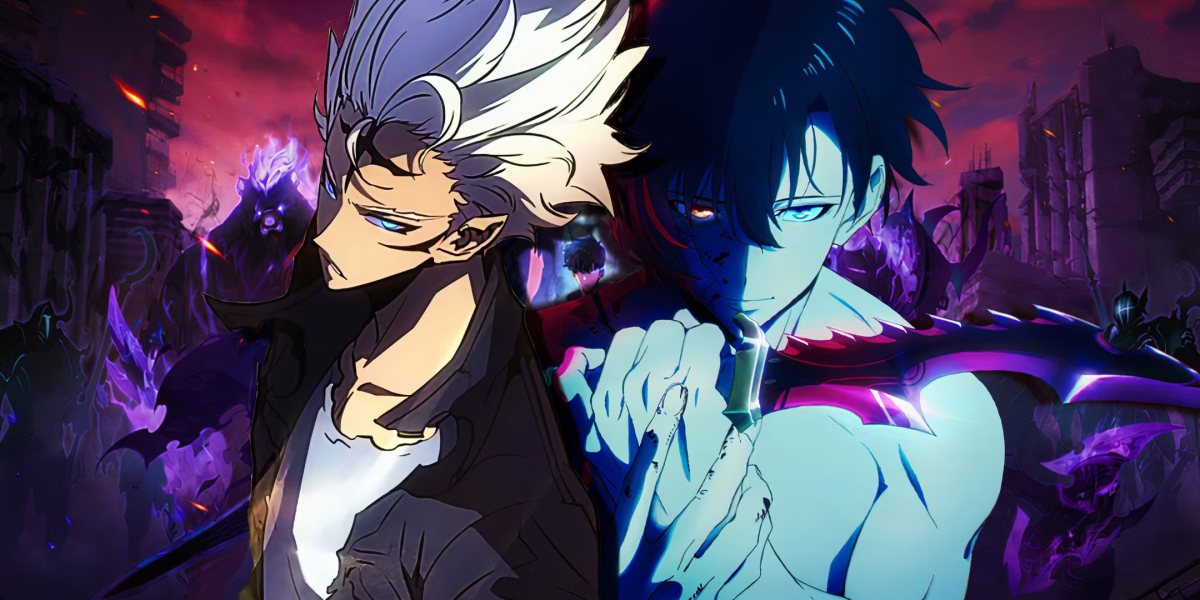
The manhwa world exploded when Solo Leveling first introduced us to Sung Jinwoo's journey from the weakest hunter to humanity's strongest defender. Now, Solo Leveling Ragnarok brings a fresh perspective to this beloved universe, and fans everywhere are asking the same questions. Can the sequel live up to the original? Do you need to read Solo Leveling first? What makes this continuation worth your time? This guide covers everything you need to know about Solo Leveling Ragnarok, whether you're a longtime fan or someone curious about jumping into the series Solo Leveling Ragnarok is not a reboot or alternate timeline. This is a direct sequel that continues the story years after the original series concluded. The protagonist shifts from Sung Jinwoo to his son, Sung Suho, who must forge his own path in a world still recovering from the catastrophic events his father prevented.
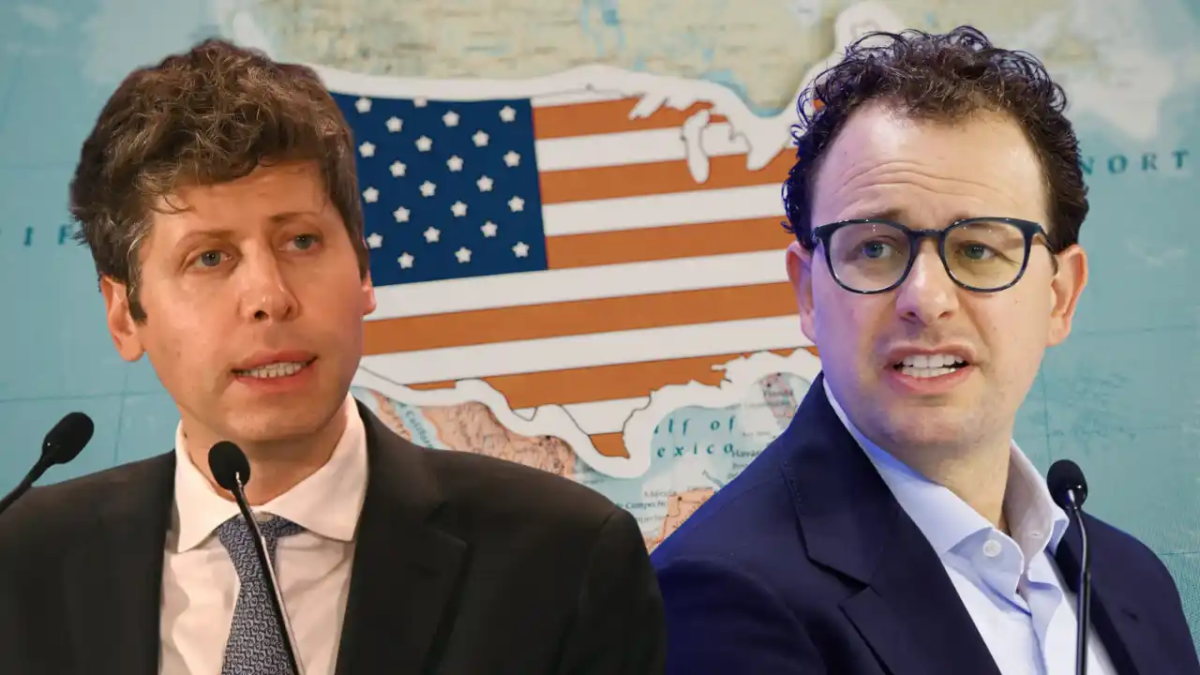
There's a photograph from February 2026 that pretty much sums up the state of AI right now. At the India AI Impact Summit in New Delhi, Indian Prime Minister Narendra Modi invited the world's tech leaders onstage for a group photo. Everyone held hands. Well, almost everyone. Sam Altman of OpenAI and Dario Amodei of Anthropic, standing right next to each other, refused to clasp hands and instead raised their fists separately. The internet, predictably, lost its mind. An awkward moment between OpenAI CEO Sam Altman and Anthropic CEO Dario Amodei at an AI Summit captured the increasingly icy relations between two rival tech leaders who started off as colleagues. That's not just petty drama. It's a window into what may be the most consequential corporate rivalry in the technology world right now, one that's playing out in boardrooms, courtrooms, Super Bowl ads, and billion-dollar compute deals all at once.
The part about E2EE protecting dissidents and journalists is the piece that makes this a genuinely hard problem. Child safety and political freedom are both real and important values and they are in genuine tension here. Anyone who tells you the answer is simple is selling something.
This is literally the argument Anthropic is making for why Glasswing exists. You get defenders trained and infrastructure hardened before the capability is everywhere. It is a race and they know it.
Honestly not sure about that. Most heavy Instagram commenters were not holding back because of typo anxiety. They were already posting freely. The beneficiaries of this feature are probably the more thoughtful commenters who agonize over wording.
Join independent creators, thought leaders, and storytellers to share your unique perspectives, and spark meaningful conversations.