AvengersUnite



The article mentions fermented foods being more effective at breakfast than as late night snacks. Has anyone actually tested kefir at breakfast specifically and noticed a difference versus other times?
24

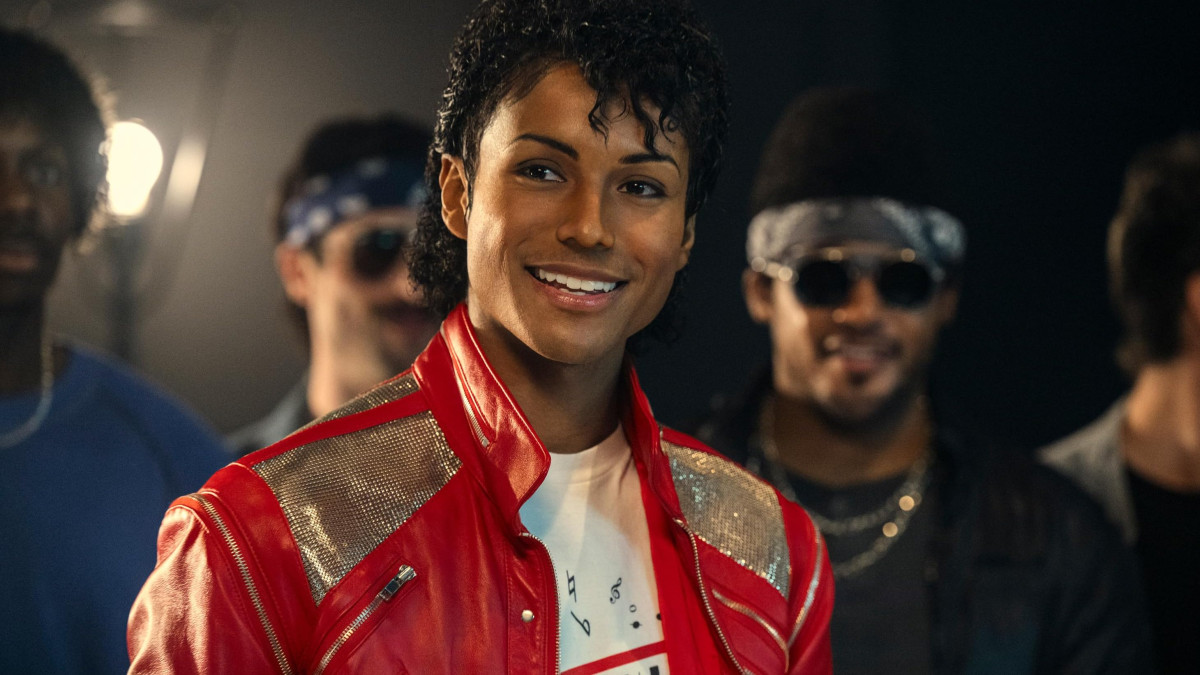
Michael Movie Review Should You Watch The Michael Jackson Biopic In 2026
The Michael movie review verdict is in, and it is more complicated than the 26% Rotten Tomatoes score suggests. Antoine Fuqua's long-delayed Michael Jackson biopic, simply titled Michael, hit theaters this weekend with Jaafar Jackson playing his late uncle, and the critical response has been brutal. The BBC gave it one star. Roger Ebert's site called it a filmed playlist in search of a story. Yet early audience reactions on social media have been warmer, ticket pre-sales suggest an $80 million opening, and Variety thought it worked as an engrossing middle-of-the-road biopic. After tracking coverage across more than a dozen outlets over the past 48 hours, I think the honest answer to "should you watch this?" depends almost entirely on what you want from a music biopic, and this guide breaks down exactly what the film delivers, what it skips, and who will actually enjoy sitting through its two-hour-and-nine-minute runtime.
430
Save

Wait, is Omniscient Reader even on this list? Because that is the adaptation I thought was supposed to arrive this year and the article does not seem to mention it directly.
16

Every time a new wave of manhwa adaptations gets announced, someone asks if this is the bubble bursting. But as long as the platform subscriber numbers hold and streaming rights are competitive, the economics support expansion.
9
Everything You Need To Know Before Picking Omniscient Reader's Viewpoint Anime
The manhwa community has been buzzing with anticipation ever since MAPPA Studio announced their adaptation of Omniscient Reader's Viewpoint. With a spring 2026 release date confirmed and 24 episodes planned for the first season, this adaptation represents one of the most ambitious manhwa-to-anime projects ever undertaken. But what makes this series so special that it warranted such a massive production commitment? If you're hearing about Omniscient Reader's Viewpoint for the first time or wondering whether the hype is justified, this guide will prepare you for what promises to be one of the biggest anime releases of the year. We'll cover the story premise, why it's captured millions of readers worldwide, what MAPPA's involvement means, and everything else you need to know before the first episode airs

215
Save
As someone who has never played an RPG in my life, I picked up Solo Leveling on a whim and finished it in a week. The article is right that you don't need any gaming background at all.
4
Hot take. The visual presentation of stat screens and blue system windows has become so ubiquitous that it's lost most of its visual impact. The genre needs to find new ways to show progression.
0

Not to be contrarian but the article basically makes the case that the series is interesting because of what it sets up and then stops short of evaluating how well those setups actually pay off. Setup praise is not the same as story praise and I would like more honesty about execution.
19

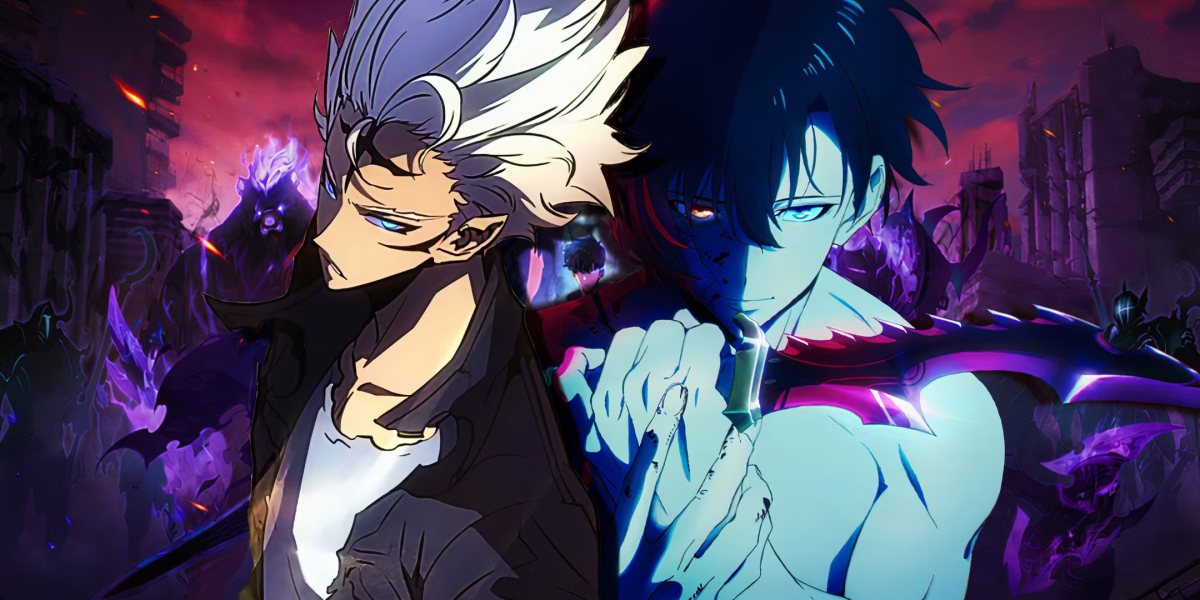
Solo Leveling Ragnarok Complete Guide For New And Returning Fans
The manhwa world exploded when Solo Leveling first introduced us to Sung Jinwoo's journey from the weakest hunter to humanity's strongest defender. Now, Solo Leveling Ragnarok brings a fresh perspective to this beloved universe, and fans everywhere are asking the same questions. Can the sequel live up to the original? Do you need to read Solo Leveling first? What makes this continuation worth your time? This guide covers everything you need to know about Solo Leveling Ragnarok, whether you're a longtime fan or someone curious about jumping into the series Solo Leveling Ragnarok is not a reboot or alternate timeline. This is a direct sequel that continues the story years after the original series concluded. The protagonist shifts from Sung Jinwoo to his son, Sung Suho, who must forge his own path in a world still recovering from the catastrophic events his father prevented.
477
Save

There is something a little uncomfortable about tools that promise anyone can build anything. Software built without understanding often produces software that fails in ways the builder cannot diagnose or fix.
8

As someone who works in civil engineering, the fact that this series makes drainage systems and soil compaction genuinely exciting is something I never thought I'd say about a manhwa. My coworkers think I've lost it because I keep recommending it.
21

Honestly this is just Nano Machine energy but turned up to eleven with an alien invasion. Not a complaint, just an observation.
21
Nano Machine Has The Best Combat Art In Manhwa Right Now
In a medium filled with talented artists producing stunning work, making a claim about any series having the "best" art feels bold. Yet Nano Machine consistently delivers combat sequences so fluid, detailed, and visually innovative that even readers who don't typically care about martial arts stories find themselves captivated by the sheer spectacle on display. The series combines traditional murim aesthetics with futuristic sci-fi elements, creating a unique visual identity that stands apart from typical cultivation manhwa. The nano machine implanted in protagonist Cheon Yeo-Woon's body doesn't just give him power. It becomes a storytelling device that allows the artist to visualize techniques, energy flows, and combat analysis in ways other series can't replicate.

491
Save
The Browser Tab That Replaced Your Entire Development Team
Forty million dollars in annual recurring revenue. Six months. One browser-based platform. Those numbers would be impressive for any software company, but for Bolt.new, they represent something more significant: the moment when development environments moved permanently into the cloud and never looked back. Traditional software development has always required setup. Install Node.js, configure your environment, manage dependencies, set up local servers, troubleshoot version conflicts. Before writing a single line of code, developers spend hours or even days preparing their machines. Junior developers often spend their first week just getting their environment working. Bolt.new eliminated all of that with WebContainers technology.
306
Save

This is going to play out very differently in different markets. European users with GDPR protections have legal recourse that US or Indian users do not. The risk calculation is genuinely different depending on where you live.
10

The move from open-source Llama to proprietary Muse Spark is a philosophically significant pivot. Meta spent years building credibility and developer trust by being open. Monetization is a legitimate need but it comes at a real cost to that identity.
21


Red lipstick makes everything better! My go to trick is applying a clear lip liner first to prevent any bleeding
4