
Entry-level datacenter technician roles in most US markets are landing between 55k and 75k right now, with senior ops roles clearing 110k to 130k fairly routinely. And those numbers are trending upward because of the shortage.
Sign up to see more
SignupAlready a member?
LoginBy continuing, you agree to Sociomix's Terms of Service, Privacy Policy

Entry-level datacenter technician roles in most US markets are landing between 55k and 75k right now, with senior ops roles clearing 110k to 130k fairly routinely. And those numbers are trending upward because of the shortage.
Lloyd's faces alone justify an anime adaptation. Animated with proper timing and voice acting those expressions would become instant meme material across the entire community.
That is a fair point about backgrounds in the webtoon format but JH leans into that limitation so deliberately that it transforms into a feature rather than a bug.
Genuinely think the regression genre has had more narrative innovation in the past two years than any other manhwa subgenre. The murim regression scene in particular keeps finding new angles on a formula that should feel exhausted by now.
The point about Gongja's resurrections not erasing the grief of people who witnessed him die is something the article highlights well and something the story executes brilliantly. The trauma distributes outward, it does not just stay with him.
Peerless Dad is phenomenal for emotional weight in fights, no argument there. But Nano Machine has a technical precision that Peerless Dad does not really reach for. Different priorities in the art direction.
The manhwa market in 2026 is so oversaturated with regression and leveling system stories that something this quiet and atmospheric feels almost radical.
Eleceed and Gosu both have release windows described as unconfirmed but the article treats them as if they are definitely 2026 entries. That is doing a lot of work for a list of fifteen supposedly confirmed adaptations.
Fifteen is probably an undercount at this point. There are confirmed projects that still do not have precise 2026 windows and the article is treating all of them as definitely 2026 releases.
The article mentions you own the code through GitHub sync. What it does not mention is that most non-technical founders have no idea what to do with that code if something goes wrong. Ownership without comprehension has real limits.
The article says the question is not whether companies will adopt this technology but how quickly. That framing assumes the technology keeps improving and the ethics concerns do not catch up. I would not assume either of those things.
Forty million dollars in annual recurring revenue. Six months. One browser-based platform. Those numbers would be impressive for any software company, but for Bolt.new, they represent something more significant: the moment when development environments moved permanently into the cloud and never looked back. Traditional software development has always required setup. Install Node.js, configure your environment, manage dependencies, set up local servers, troubleshoot version conflicts. Before writing a single line of code, developers spend hours or even days preparing their machines. Junior developers often spend their first week just getting their environment working. Bolt.new eliminated all of that with WebContainers technology.
The manhwa world exploded when Solo Leveling first introduced us to Sung Jinwoo's journey from the weakest hunter to humanity's strongest defender. Now, Solo Leveling Ragnarok brings a fresh perspective to this beloved universe, and fans everywhere are asking the same questions. Can the sequel live up to the original? Do you need to read Solo Leveling first? What makes this continuation worth your time? This guide covers everything you need to know about Solo Leveling Ragnarok, whether you're a longtime fan or someone curious about jumping into the series Solo Leveling Ragnarok is not a reboot or alternate timeline. This is a direct sequel that continues the story years after the original series concluded. The protagonist shifts from Sung Jinwoo to his son, Sung Suho, who must forge his own path in a world still recovering from the catastrophic events his father prevented.
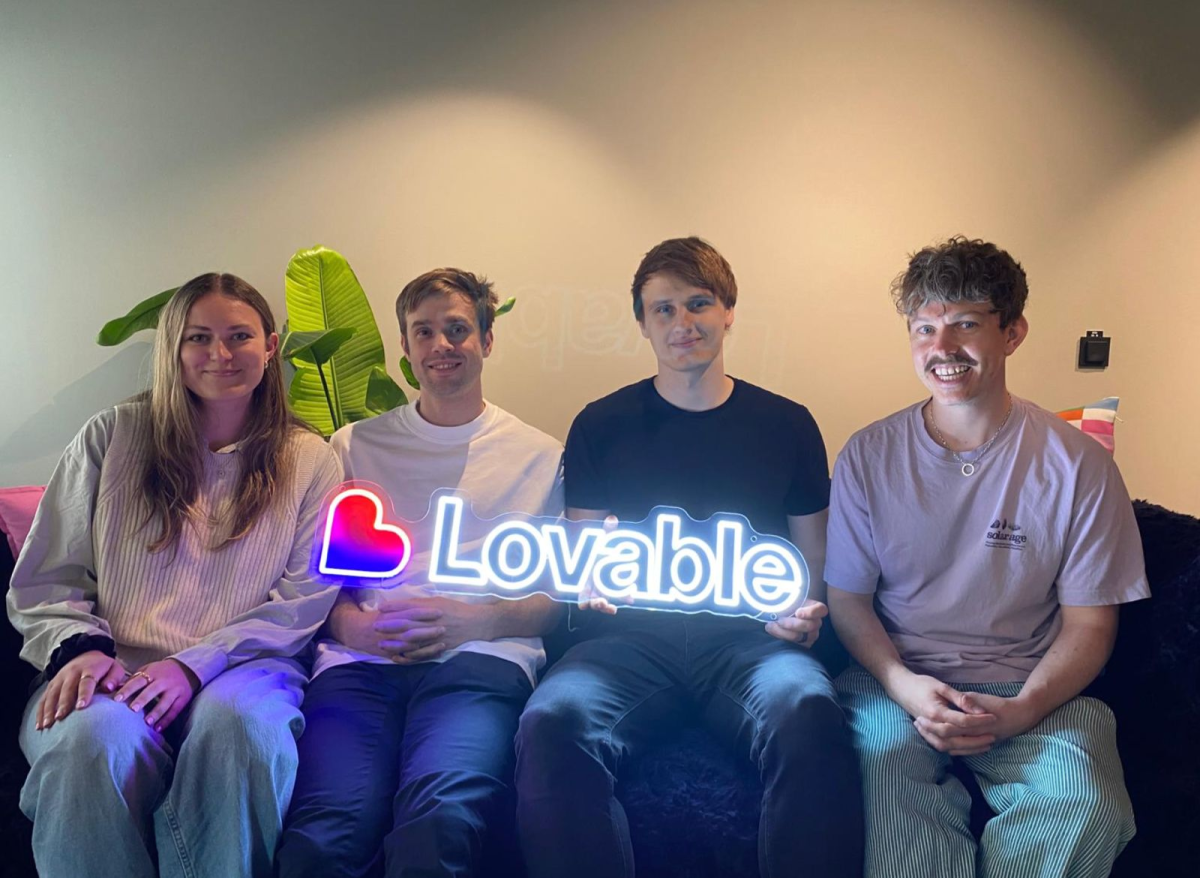
The software development world just witnessed something unprecedented. A European startup called Lovable reached $20 million in annual recurring revenue in just two months, making it potentially the fastest-growing startup in European history. But here's the twist that's making traditional software agencies nervous: they did it by giving non-technical founders the power to build full-stack applications without writing a single line of code. For years, the promise of no-code tools has been the same: anyone can build an app. But the reality has always been different. You'd create a beautiful frontend, get excited about your progress, and then hit the technical cliff. Suddenly you needed to configure databases, set up authentication, manage API keys, and deploy to servers. The "no-code" dream became a "hire-a-developer-anyway" nightmare.
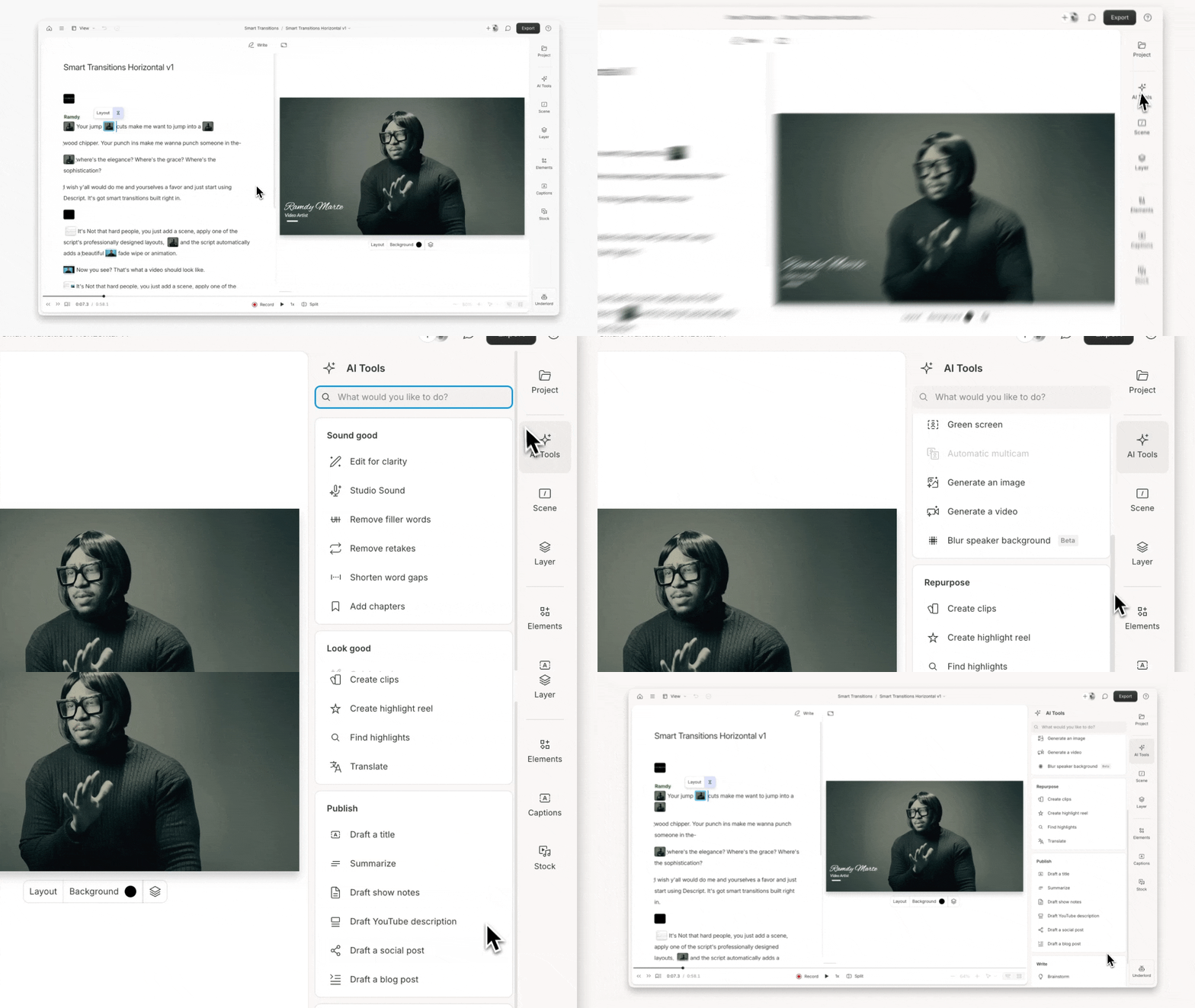
Most people can edit a Google Doc. Delete some words, rearrange sentences, fix typos, add paragraphs. It's intuitive and requires no special training. Now imagine editing video the same way. That's Descript's core innovation, and it transformed video editing from a specialized skill requiring expensive software into something anyone who can edit text can do effectively. Descript started as a transcription tool for podcasters. Record your podcast, upload it to Descript, and get an accurate transcript for show notes. But the founders realized something bigger. If you have a perfect transcript synchronized to audio, you can edit the audio by editing the text. Delete a word from the transcript and that word disappears from the audio. That insight became the foundation for a complete editing platform.
Hot take: OpenAI is still the consumer AI brand but Anthropic is quietly becoming the enterprise developer brand. This pricing move is OpenAI acknowledging that reality.
The WhatsApp comparison is interesting since WhatsApp also does not show version history on edited messages. It seems like Meta has a consistent internal policy across its apps to show the edited label but hide original content.
OpenAI's latest subscription offering represents its most aggressive move yet to reclaim market share in the rapidly expanding AI-powered coding assistant sector