
The smart protagonist thing works better here than usual because his intelligence is domain specific. He's a genius at engineering and economics but the series doesn't pretend he's good at everything else.
Sign up to see more
SignupAlready a member?
LoginBy continuing, you agree to Sociomix's Terms of Service, Privacy Policy

The smart protagonist thing works better here than usual because his intelligence is domain specific. He's a genius at engineering and economics but the series doesn't pretend he's good at everything else.
Still cannot believe this series does not have an anime adaptation confirmed yet. The fight choreography is so clearly animated already in your head when you read it.
The found family dynamic that develops across arcs is something the article gestures at but does not fully explore. That element carries a lot of the emotional weight in the later half of the story.
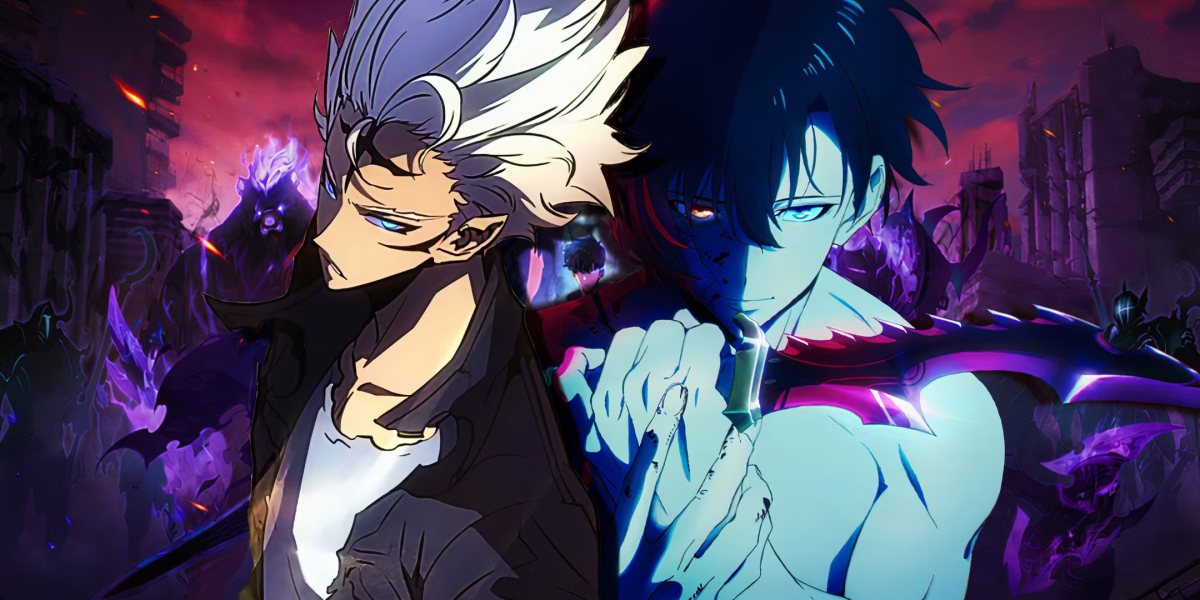
The manhwa world exploded when Solo Leveling first introduced us to Sung Jinwoo's journey from the weakest hunter to humanity's strongest defender. Now, Solo Leveling Ragnarok brings a fresh perspective to this beloved universe, and fans everywhere are asking the same questions. Can the sequel live up to the original? Do you need to read Solo Leveling first? What makes this continuation worth your time? This guide covers everything you need to know about Solo Leveling Ragnarok, whether you're a longtime fan or someone curious about jumping into the series Solo Leveling Ragnarok is not a reboot or alternate timeline. This is a direct sequel that continues the story years after the original series concluded. The protagonist shifts from Sung Jinwoo to his son, Sung Suho, who must forge his own path in a world still recovering from the catastrophic events his father prevented.
What gets lost in the speed conversation is testability. AI-generated code often lacks unit tests, edge case handling, and error states that a thoughtful developer would include. Those gaps bite you later.
Hot take, the real disruption here is not the AI avatars. It is the economics. When producing video number 100 costs roughly the same as producing video number one, the entire calculus of corporate training changes overnight.
In a medium filled with talented artists producing stunning work, making a claim about any series having the "best" art feels bold. Yet Nano Machine consistently delivers combat sequences so fluid, detailed, and visually innovative that even readers who don't typically care about martial arts stories find themselves captivated by the sheer spectacle on display. The series combines traditional murim aesthetics with futuristic sci-fi elements, creating a unique visual identity that stands apart from typical cultivation manhwa. The nano machine implanted in protagonist Cheon Yeo-Woon's body doesn't just give him power. It becomes a storytelling device that allows the artist to visualize techniques, energy flows, and combat analysis in ways other series can't replicate.
The designer-developer relationship has been tense for decades. Designers create pixel-perfect mockups in Figma. Developers translate them to code and somehow everything looks slightly wrong. Fonts don't match. Spacing is inconsistent. Buttons have different corner radiuses. Both sides get frustrated, blame each other, and the product suffers. V0 by Vercel is fixing this problem by generating production-quality React components that look exactly like the designs. The rebrand from v0.dev to v0.app in January 2026 signaled expanded ambitions beyond just UI component generation. Vercel positioned the tool for full-stack web development, though its core strength remains frontend excellence. That strategic clarity matters because trying to be everything often means excelling at nothing. V0 chose to dominate the handoff between design and code before expanding into other areas.
The multi-IDE plugin support is what got me. My team has three people on JetBrains and two on VS Code and we can all use the same tool without anyone compromising their setup.
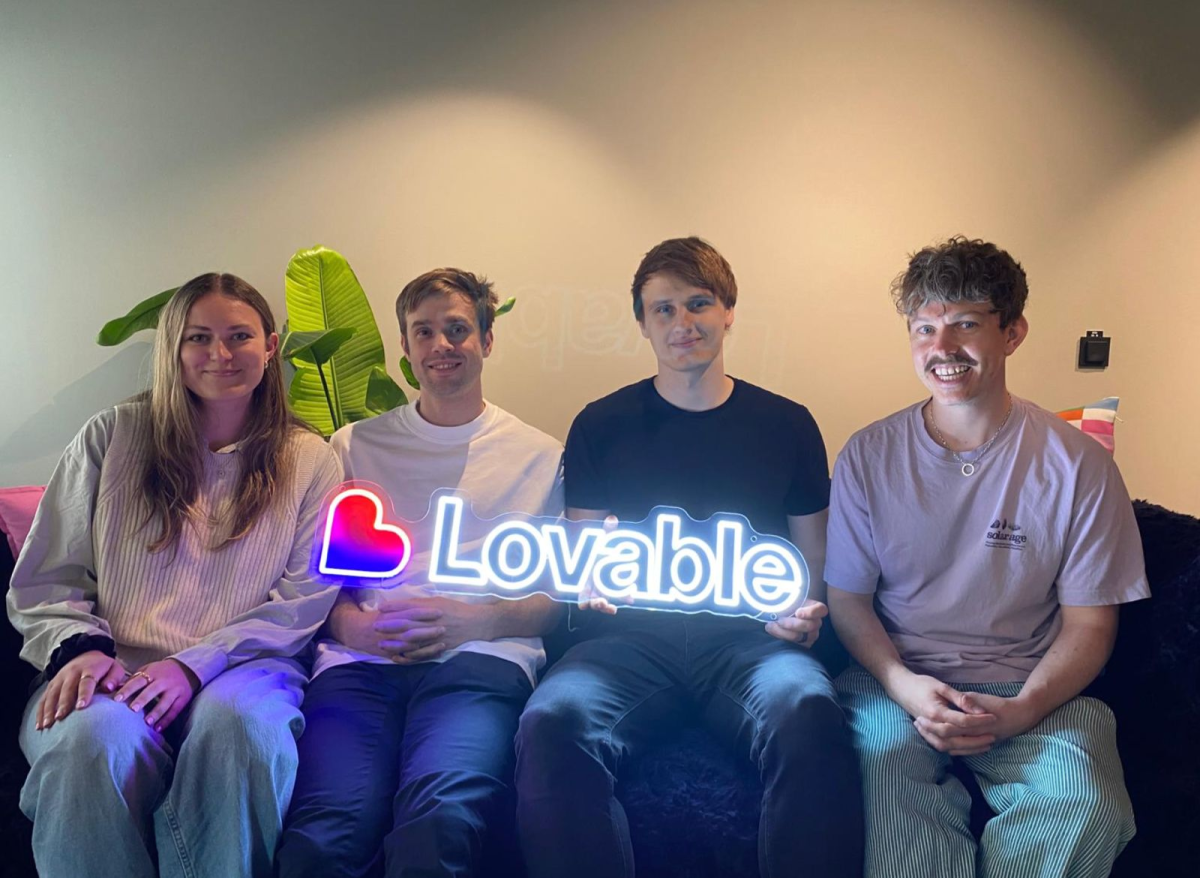
The software development world just witnessed something unprecedented. A European startup called Lovable reached $20 million in annual recurring revenue in just two months, making it potentially the fastest-growing startup in European history. But here's the twist that's making traditional software agencies nervous: they did it by giving non-technical founders the power to build full-stack applications without writing a single line of code. For years, the promise of no-code tools has been the same: anyone can build an app. But the reality has always been different. You'd create a beautiful frontend, get excited about your progress, and then hit the technical cliff. Suddenly you needed to configure databases, set up authentication, manage API keys, and deploy to servers. The "no-code" dream became a "hire-a-developer-anyway" nightmare.
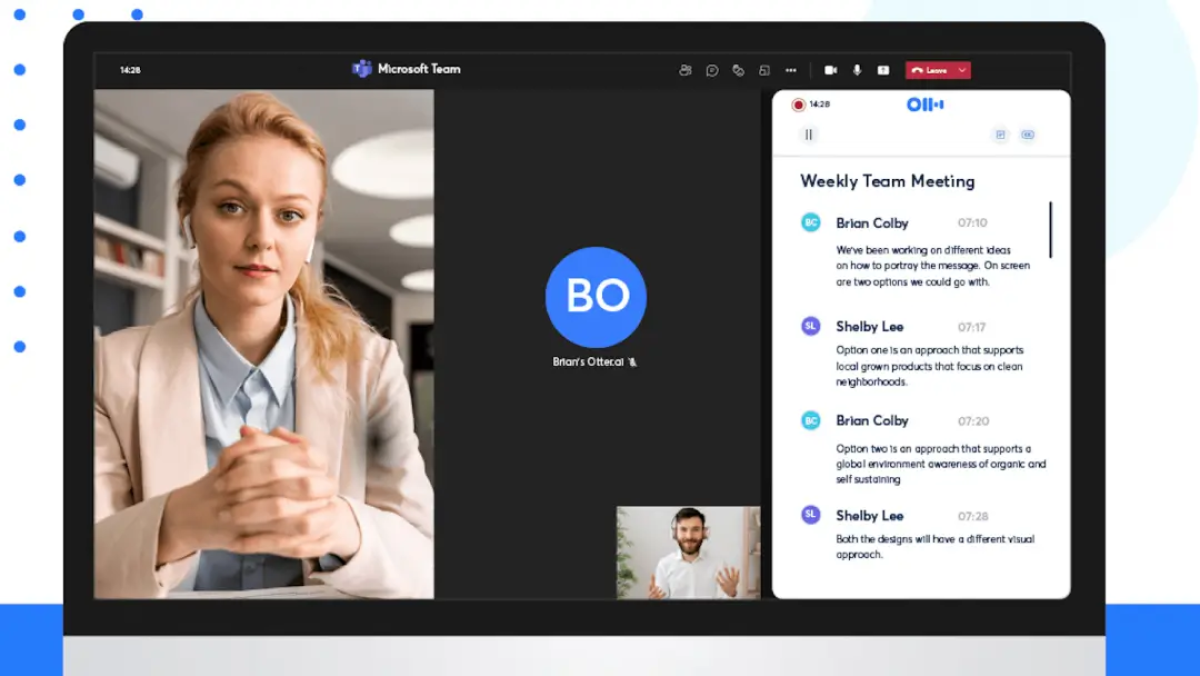
Knowledge workers spend an average of 18 hours per week in meetings. Much of that time involves routine status updates, recurring check-ins, and informational sessions where your physical presence adds minimal value. Otter.ai introduced a provocative concept called OtterPilot: an AI assistant that joins meetings autonomously when you can't attend, records everything, generates summaries, and answers questions about what happened. Connect Otter.ai to your calendar. The system monitors your scheduled meetings and automatically joins Zoom, Google Meet, or Microsoft Teams calls when they start. OtterPilot records audio, generates real-time transcripts, identifies speakers, and creates AI summaries with action items. You receive a meeting briefing without attending the meeting yourself.
The article glosses over the token pricing model a bit too charitably. Tokens run out faster than you expect, especially when the AI makes mistakes and you go back and forth trying to fix them. The economics get less friendly once you are in a complex project.
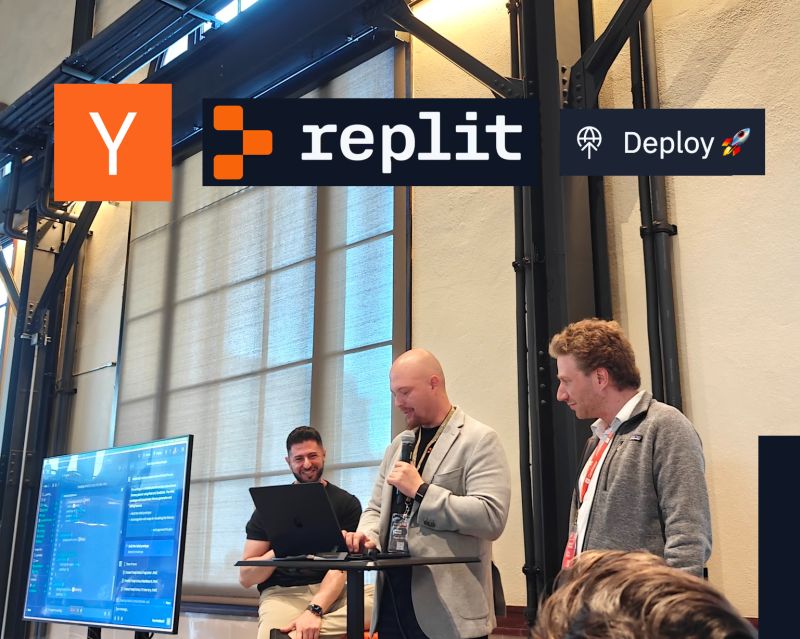
When a company's revenue jumps from $10 million to $100 million in nine months, you pay attention. When that growth comes from an AI agent that builds entire applications autonomously, you realize something fundamental just changed in software development. Replit Agent represents that change, and the numbers prove developers are ready for it. Replit started as a browser-based coding environment for education. Students could write Python or JavaScript without installing anything locally. Teachers loved it because setup time vanished. But the company saw something bigger. If you could run code in the browser, why not let AI write that code? That question led to Agent 3, an AI that doesn't just suggest code completions. It builds entire applications from scratch.
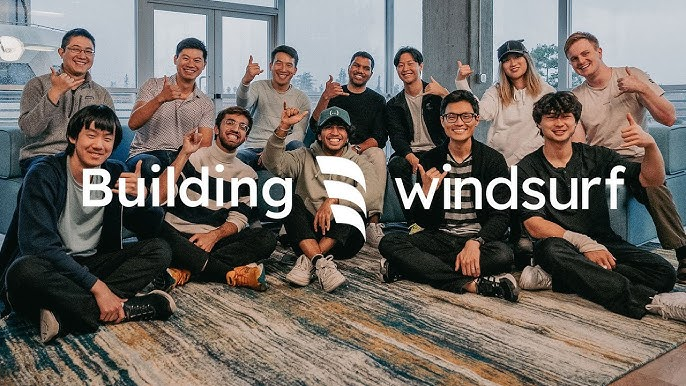
Developers have a new anxiety in 2026: token anxiety. You're in the middle of debugging a complex problem, the AI is helping you refactor three files simultaneously, and suddenly you wonder if this session is about to cost you $50. That mental tax slows you down and makes you second-guess using the tool you're paying for. Windsurf eliminated that anxiety with a simple decision: flat monthly pricing with no token limits. Fifteen dollars per month. Unlimited usage. No tracking credits or calculating costs per query. That pricing model sounds almost boring compared to the complex token systems other AI coding tools use, but boring is exactly what professional developers want when it comes to pricing. They want predictable costs and unlimited usage so they can focus on writing code instead of budgeting AI queries.
Respectfully, the article is underselling how competitive the field is at this exact moment. The same week Muse Spark launched, Google, OpenAI, and Anthropic all had major moves. Meta got a good headline but the frontier labs are not standing still.
In a rare divergence from industry norms, TikTok has confirmed it will not adopt end-to-end encryption (E2EE) for direct messages, breaking with nearly every major social media platform and reigniting one of the tech industry's most contentious debates. The Chinese-owned video platform told the BBC exclusively that it believes the privacy technology championed by Meta, Apple, and others as essential for user protection actually makes users less safe by creating "dark spaces" where harmful content can flourish beyond the reach of safety teams and law enforcement. The decision puts TikTok in direct opposition to its competitors while potentially exposing the company to fresh criticism over data protection, particularly given ongoing concerns about its ties to Beijing.
Casual user here. Downloaded it, played with it for an hour, then went back to Claude. The UI feels very Facebook-brained if that makes sense. Like it was designed by people whose primary mental model is a social media feed rather than a thinking tool.
Genuinely curious, does Anthropic actually need to fully own chip design to get the benefits, or could they do what Amazon did with the original Trainium and work closely with a chip design firm to build something that is essentially custom but with external expertise?
Whether you like her or not, the level of scrutiny applied to every physical gesture she makes in public is exhausting to observe. Let the woman watch a runway show.
Meghan wearing Balenciaga to the Balenciaga show is obvious but the way she wore it, architectural and precise without being stiff, showed real understanding of what Piccioli is trying to say.