How to improve emotional resilience as a cognitive skill is something I wish the article had gone deeper on. It gets mentioned as part of the framework but the practical path there is less clear than the supplement or sleep sections.
8
Sign up to see more
SignupAlready a member?
LoginBy continuing, you agree to Sociomix's Terms of Service, Privacy Policy

How to improve emotional resilience as a cognitive skill is something I wish the article had gone deeper on. It gets mentioned as part of the framework but the practical path there is less clear than the supplement or sleep sections.
Bio-harmony eating is the nutrition trend reshaping how people think about food in 2026, and if you have been feeling like calorie counting is making you miserable without actually delivering results, the science behind it will likely resonate immediately. The concept is straightforward - instead of obsessively tracking numbers on a label, you align what you eat, when you eat it, and how much with your body's internal biological clock, your metabolic rhythms, and your gut's own needs. After spending several months testing this approach, shifting my own meals earlier in the day and rebuilding my eating window around natural light cycles, the difference in energy levels and digestion alone was enough to keep me from ever going back to a calorie app. This guide covers what bio-harmony eating actually is, the real science behind it, what a typical day looks like in practice, and who is most likely to benefit.

The scene I keep seeing clips of where Jaafar teaches the gang members the Beat It choreography looks genuinely electric. That specific moment is apparently one of the most praised sequences in the whole film.
I keep seeing people online ask whether Jaafar Jackson is a good actor or just a skilled impersonator. The article addresses this honestly and I think the answer is both, depending on which scenes you are watching.
What is the best entry chapter for someone who wants to evaluate the combat art specifically? Like what chapter actually shows what this series can do at its peak?
When Tomb Raider King first exploded onto the manhwa scene, it brought a fresh take on dungeon crawling stories by combining archaeological adventure with ruthless protagonist energy and a treasure-hunting premise that felt genuinely different from typical gate and dungeon narratives. The series built a dedicated fanbase through its satisfying blend of historical artifact powers, strategic relic acquisition, and a protagonist who wasn't afraid to be morally gray in pursuit of his goals. Now, with the anime adaptation confirmed for 2026 as one of the most anticipated manhwa-to-anime projects, Tomb Raider King is experiencing a resurgence. New readers are discovering the series while longtime fans eagerly await seeing Jooheon Suh's relic-hunting adventures brought to life with animation. The timing couldn't be better, as the series has built enough content to support a substantial adaptation while maintaining momentum in its ongoing storyline.

Absolute banger of a concept, mediocre execution in the first few chapters, gets significantly better around the midpoint of what's available.
The ROI measurement problem the article mentions at the end is genuinely the Achilles heel of enterprise training investment broadly, not just for AI video. Proving learning transfer is hard. Most L&D teams live and die by completion rate data instead.
Vercel calling out that vibe coding has created the world's largest shadow IT problem and then positioning v0 as the secure enterprise alternative is a masterclass in identifying a fear and selling the solution simultaneously.
Basically without major spoilers, the Itarim are entities from other universes who see Earth as unclaimed territory now that the system's original purpose is over. Their power level makes the original gate monsters look like warm-up enemies.
Both companies are burning billions and everyone's acting like the laws of financial gravity don't apply because the technology is impressive. I've seen this movie before and it doesn't always end with the most impressive tech winning.
Forty million dollars in annual recurring revenue. Six months. One browser-based platform. Those numbers would be impressive for any software company, but for Bolt.new, they represent something more significant: the moment when development environments moved permanently into the cloud and never looked back. Traditional software development has always required setup. Install Node.js, configure your environment, manage dependencies, set up local servers, troubleshoot version conflicts. Before writing a single line of code, developers spend hours or even days preparing their machines. Junior developers often spend their first week just getting their environment working. Bolt.new eliminated all of that with WebContainers technology.
The designer-developer relationship has been tense for decades. Designers create pixel-perfect mockups in Figma. Developers translate them to code and somehow everything looks slightly wrong. Fonts don't match. Spacing is inconsistent. Buttons have different corner radiuses. Both sides get frustrated, blame each other, and the product suffers. V0 by Vercel is fixing this problem by generating production-quality React components that look exactly like the designs. The rebrand from v0.dev to v0.app in January 2026 signaled expanded ambitions beyond just UI component generation. Vercel positioned the tool for full-stack web development, though its core strength remains frontend excellence. That strategic clarity matters because trying to be everything often means excelling at nothing. V0 chose to dominate the handoff between design and code before expanding into other areas.
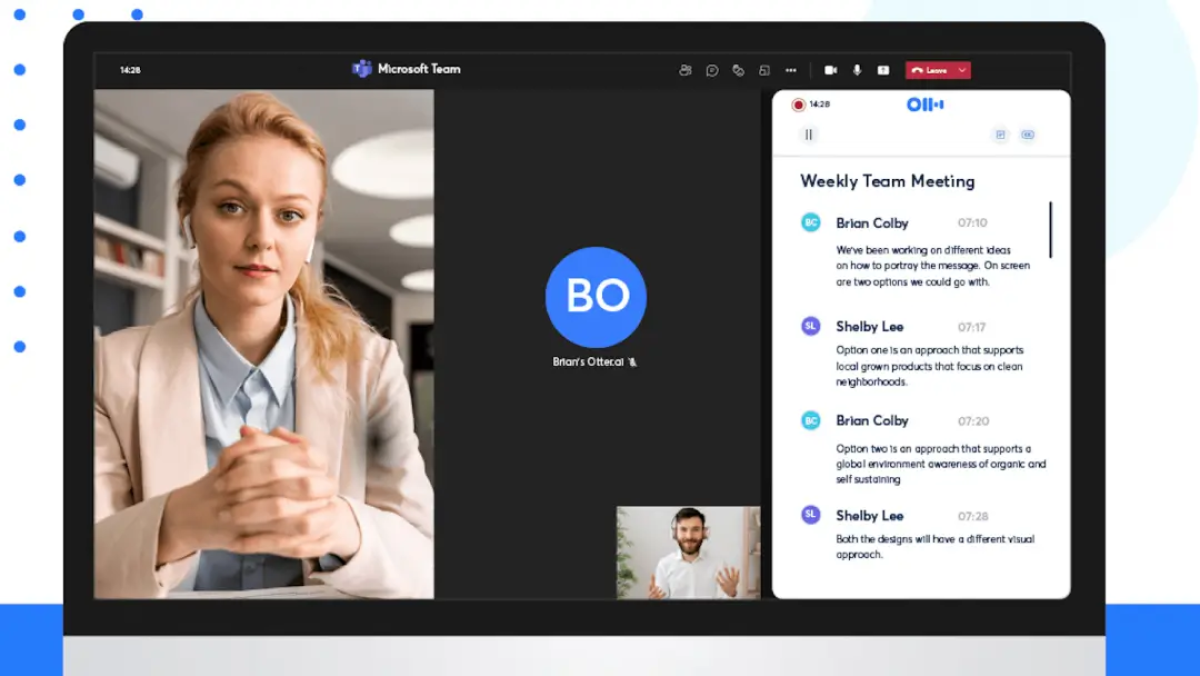
Knowledge workers spend an average of 18 hours per week in meetings. Much of that time involves routine status updates, recurring check-ins, and informational sessions where your physical presence adds minimal value. Otter.ai introduced a provocative concept called OtterPilot: an AI assistant that joins meetings autonomously when you can't attend, records everything, generates summaries, and answers questions about what happened. Connect Otter.ai to your calendar. The system monitors your scheduled meetings and automatically joins Zoom, Google Meet, or Microsoft Teams calls when they start. OtterPilot records audio, generates real-time transcripts, identifies speakers, and creates AI summaries with action items. You receive a meeting briefing without attending the meeting yourself.
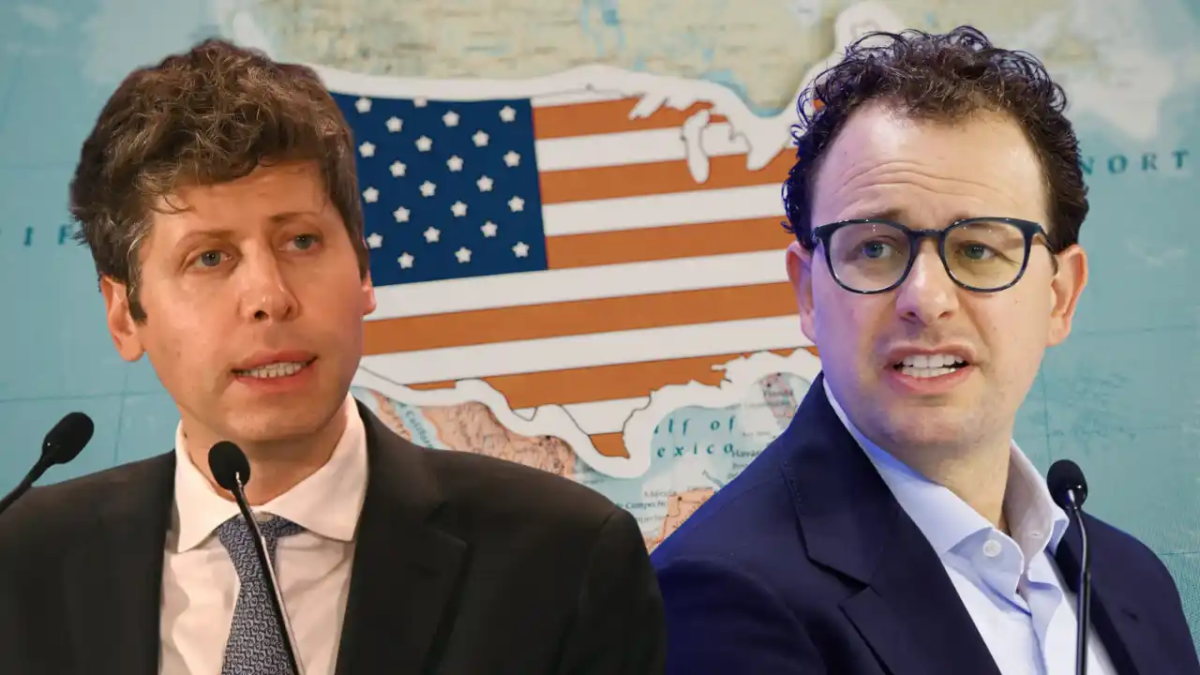
There's a photograph from February 2026 that pretty much sums up the state of AI right now. At the India AI Impact Summit in New Delhi, Indian Prime Minister Narendra Modi invited the world's tech leaders onstage for a group photo. Everyone held hands. Well, almost everyone. Sam Altman of OpenAI and Dario Amodei of Anthropic, standing right next to each other, refused to clasp hands and instead raised their fists separately. The internet, predictably, lost its mind. An awkward moment between OpenAI CEO Sam Altman and Anthropic CEO Dario Amodei at an AI Summit captured the increasingly icy relations between two rival tech leaders who started off as colleagues. That's not just petty drama. It's a window into what may be the most consequential corporate rivalry in the technology world right now, one that's playing out in boardrooms, courtrooms, Super Bowl ads, and billion-dollar compute deals all at once.
The article positions Meta's ecosystem as a distribution moat and it is correct. But moats get crossed. Google had a moat in search. Microsoft had a moat in productivity software. These things are not permanent and the AI space is moving too fast to assume any current position is durable.
As someone who works in enterprise security, the shortage of qualified analysts is genuinely crippling. We are drowning in alerts and understaffed by miles. If AI can actually close that gap, I am cautiously on board even if the access restrictions frustrate me.
OpenAI releasing this tier the same week Sam Altman posted about 3 million Codex users is very deliberate optics management. They wanted a growth story and a product announcement in the same news cycle.
Meta has just had one of its most important AI moments yet and the early signals are hard to ignore. Following the launch of its newest AI model Muse Spark, the company’s standalone Meta AI app surged dramatically in popularity, hinting at a much larger shift that is beginning to take shape. The release is particularly significant because it marks the first major AI model rollout under Alexandr Wang, who joined Meta to reboot its AI strategy. This is not just another incremental update. It represents a more aggressive and focused push into the AI race. According to data from Appfigures, Meta AI jumped from number 57 to number 5 on the U.S. App Store within a day of the launch. That kind of movement rarely happens without a strong underlying pull from users. It signals not curiosity but intent.
Not sure about the red boots with this honestly... I think white sneakers would make it more wearable