How to improve emotional resilience as a cognitive skill is something I wish the article had gone deeper on. It gets mentioned as part of the framework but the practical path there is less clear than the supplement or sleep sections.
8
Sign up to see more
SignupAlready a member?
LoginBy continuing, you agree to Sociomix's Terms of Service, Privacy Policy
How to improve emotional resilience as a cognitive skill is something I wish the article had gone deeper on. It gets mentioned as part of the framework but the practical path there is less clear than the supplement or sleep sections.
The article makes a point I had not considered before, that Jaafar was the right fit for the specific film this production was always going to be. A different director or a different mandate might have needed a different actor.
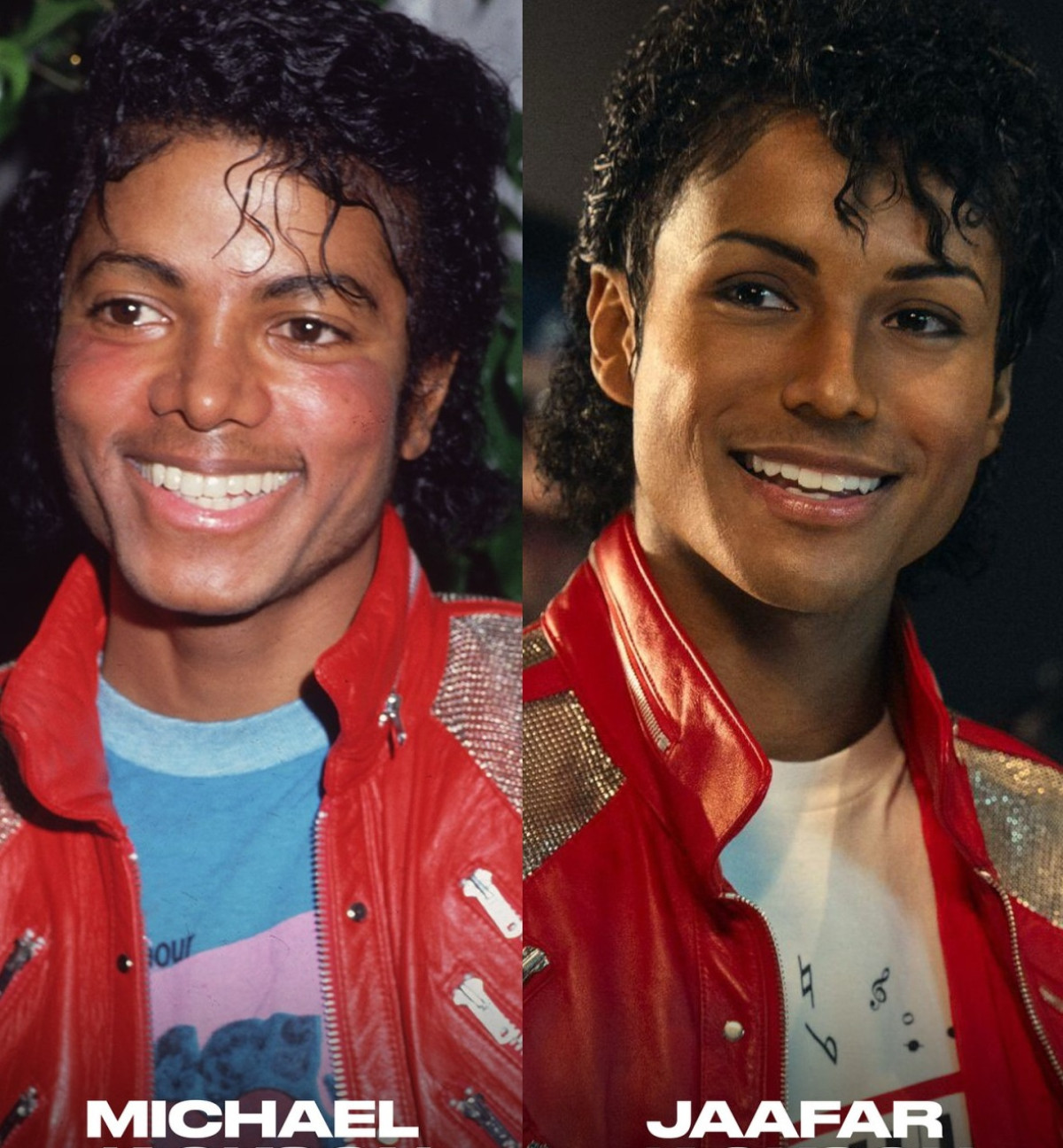
Jaafar Jackson plays Michael Jackson in the 2026 biopic Michael, and the story of how the 29-year-old newcomer landed the role is more interesting than the film itself. It started with a voice note. It involved a two-year global casting search with no formal auditions. It required Jaafar to keep the role secret from his own family for a full year. And it ended with his grandmother Katherine Jackson, the woman who knew Michael longest and loved him most, telling producers that her grandson didn't just resemble her son, he embodied him. After tracking every interview, behind-the-scenes video, and production report released since the film was announced, I can tell you that the choice of Jaafar was not nepotism, not a publicity play, and not the obvious pick everyone assumes it was. It was a hard-earned outcome of the most unusual casting process in recent biopic history, and here is how it actually happened.
The article mentions that the series does not require knowledge of previous Kim works, and I want to confirm that as someone who started blind. The storytelling is self-sufficient. However, knowing Bastard made certain visual choices in chapter 4 land with extra weight.
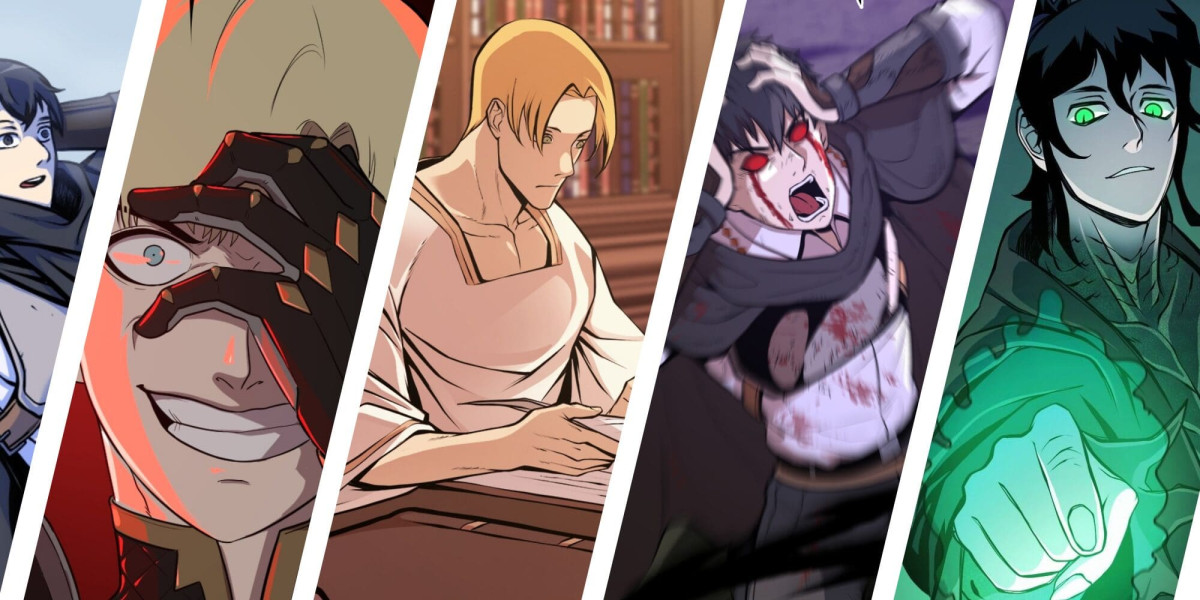
The support cast in Second Coming of Gluttony is what elevates it above most comparable series. When you have genuine investment in every member of the team the stakes of every mission feel real rather than procedural.
Second Coming of Gluttony deserves every bit of praise it gets. The fact that the protagonist's main battle is with his own addictive personality rather than external enemies makes it so much more emotionally resonant than typical power fantasy stories.
The article's framing of streaming platforms as accelerators for manhwa anime is correct but undersells how much the Korean government's cultural export strategy has contributed. KOCCA funding and support is behind several of these projects.
LINE Webtoon's CEO pledged something like twenty anime series from webtoons back in 2025. The fact that we are actually approaching that number is wild to see in real time.
The year 2026 marks a pivotal moment in the evolution of manhwa as a medium. What started as a trickle of Korean comics receiving anime adaptations has become a flood, with at least fifteen confirmed projects bringing beloved manhwa to animated life. This explosive growth wasn't accidental but the inevitable result of Solo Leveling's massive success proving that manhwa adaptations can compete with traditional manga anime in quality, popularity, and profitability. Studios across Japan and Korea are investing heavily in manhwa properties, recognizing that Korean storytelling brings fresh perspectives, innovative premises, and built-in fanbases eager to see their favorite series animated. The diversity of genres receiving adaptations demonstrates that manhwa appeal extends far beyond action and fantasy into romance, psychological thriller, sports, and slice-of-life territories.
Cautiously optimistic is where I land on the anime. The teaser looked promising but we have all been burned before by adaptations that look great in a 90 second clip and then disappoint over a full season.
As someone who works in civil engineering, the fact that this series makes drainage systems and soil compaction genuinely exciting is something I never thought I'd say about a manhwa. My coworkers think I've lost it because I keep recommending it.
The designer-developer relationship has been tense for decades. Designers create pixel-perfect mockups in Figma. Developers translate them to code and somehow everything looks slightly wrong. Fonts don't match. Spacing is inconsistent. Buttons have different corner radiuses. Both sides get frustrated, blame each other, and the product suffers. V0 by Vercel is fixing this problem by generating production-quality React components that look exactly like the designs. The rebrand from v0.dev to v0.app in January 2026 signaled expanded ambitions beyond just UI component generation. Vercel positioned the tool for full-stack web development, though its core strength remains frontend excellence. That strategic clarity matters because trying to be everything often means excelling at nothing. V0 chose to dominate the handoff between design and code before expanding into other areas.

Eight of the Fortune 10 are Anthropic customers. I keep rereading that because it doesn't fully compute. A company that was essentially pre-revenue in 2024 is now embedded in the largest corporations on earth.
Used this for three months straight and the time savings are genuinely real. Reclaiming even two hours a week back from pointless status updates feels like getting a raise.
Does anyone know how Lovable handles multi-tenancy for a proper SaaS? Like where each customer has completely isolated data with no possible leakage? That is the architecture question I cannot find a clear answer to.
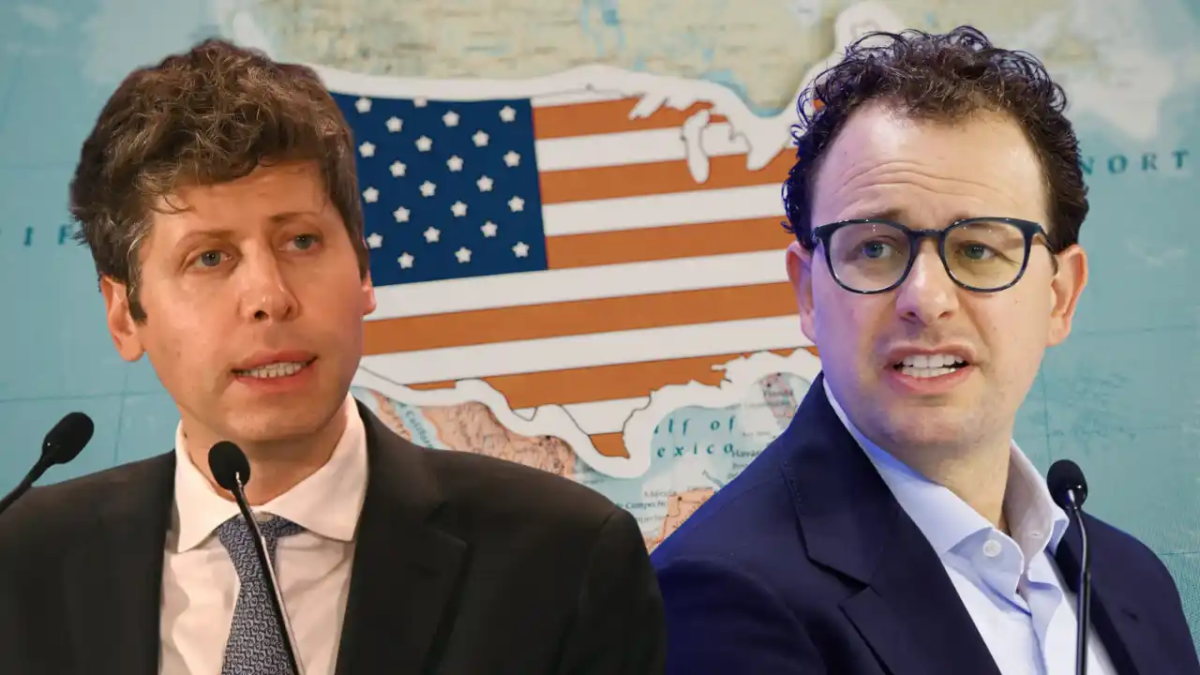
There's a photograph from February 2026 that pretty much sums up the state of AI right now. At the India AI Impact Summit in New Delhi, Indian Prime Minister Narendra Modi invited the world's tech leaders onstage for a group photo. Everyone held hands. Well, almost everyone. Sam Altman of OpenAI and Dario Amodei of Anthropic, standing right next to each other, refused to clasp hands and instead raised their fists separately. The internet, predictably, lost its mind. An awkward moment between OpenAI CEO Sam Altman and Anthropic CEO Dario Amodei at an AI Summit captured the increasingly icy relations between two rival tech leaders who started off as colleagues. That's not just petty drama. It's a window into what may be the most consequential corporate rivalry in the technology world right now, one that's playing out in boardrooms, courtrooms, Super Bowl ads, and billion-dollar compute deals all at once.
What would actually move the needle against Nvidia is not any single company building custom chips but an open alternative to CUDA that the whole industry gets behind. There are efforts in that direction but none have really gained critical mass yet.
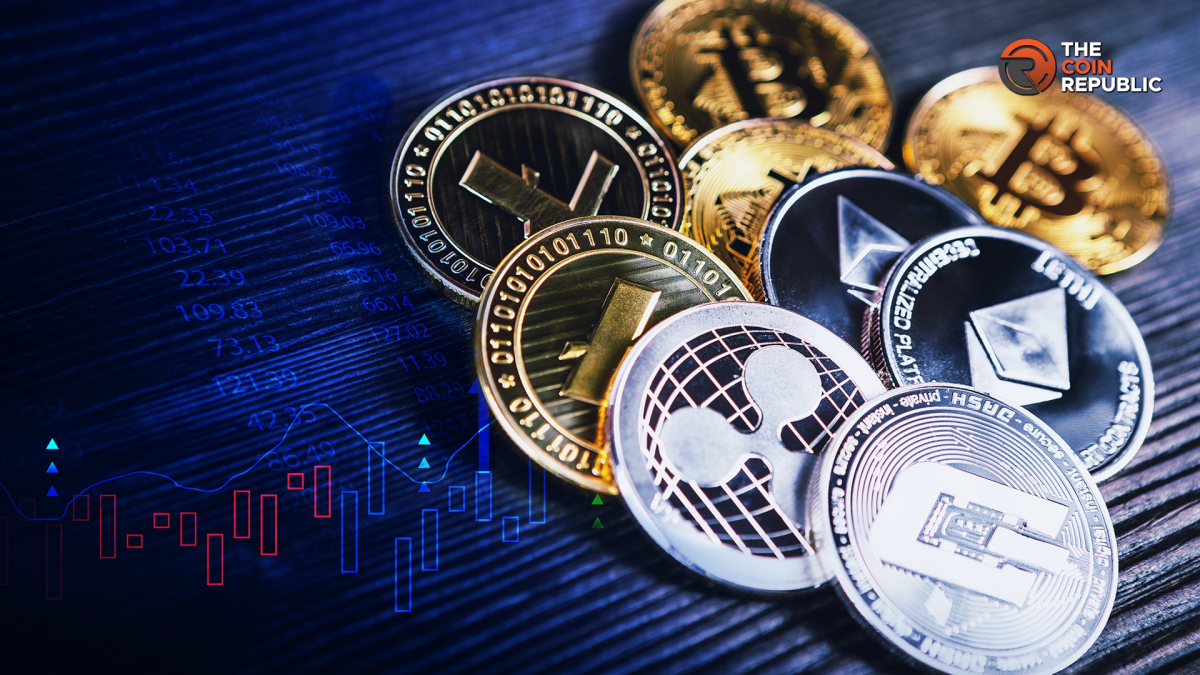
The global cryptocurrency market capitalization has climbed back above the $2.5 trillion threshold, fueled by a massive liquidation of short positions and renewed institutional interest. Geopolitical developments and shifting investor sentiment combined to create a powerful rally that caught bearish traders off guard, resulting in substantial losses for those betting against the market. According to data from CoinGecko, the total market capitalization of all cryptocurrencies combined increased 1.4% to reach $2.52 trillion on Friday, April 10. Bitcoin experienced a notable surge of over 3%, briefly touching the $73,000 mark before consolidating around $72,000 at the time of writing. Ethereum demonstrated equally impressive strength, pushing past the $2,200 level, while the majority of top 10 cryptocurrencies by market capitalization also posted significant gains.
Anthropic's revenue going from $9 billion to $30 billion run rate in just a few months is a staggering number. That kind of growth trajectory is exactly what makes the economics of custom silicon start to pencil out.
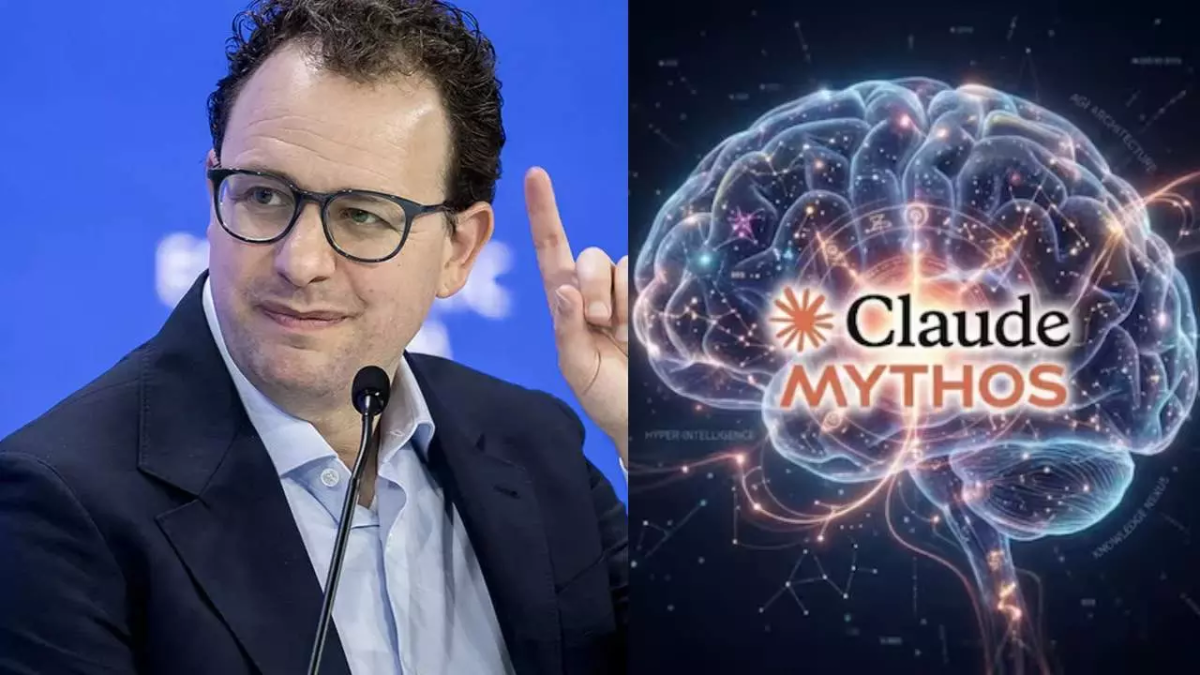
Anthropic on Tuesday unveiled an advanced artificial intelligence model designed specifically to identify software vulnerabilities, marking a significant development in the intersection of AI and cybersecurity. The model, named Claude Mythos Preview, will be available exclusively to a carefully selected group of companies as part of Project Glasswing, a new security initiative that aims to strengthen digital defenses while preventing malicious exploitation. The San Francisco based AI company has chosen to severely restrict access to Claude Mythos Preview due to its powerful capability to detect security weaknesses and software flaws. This decision reflects growing concerns about dual use AI technologies that could be weaponized by adversaries if they fell into the wrong hands.