
What is the best way to improve working memory specifically? Not general brain health, specifically working memory.
15
Sign up to see more
SignupAlready a member?
LoginBy continuing, you agree to Sociomix's Terms of Service, Privacy Policy

What is the best way to improve working memory specifically? Not general brain health, specifically working memory.
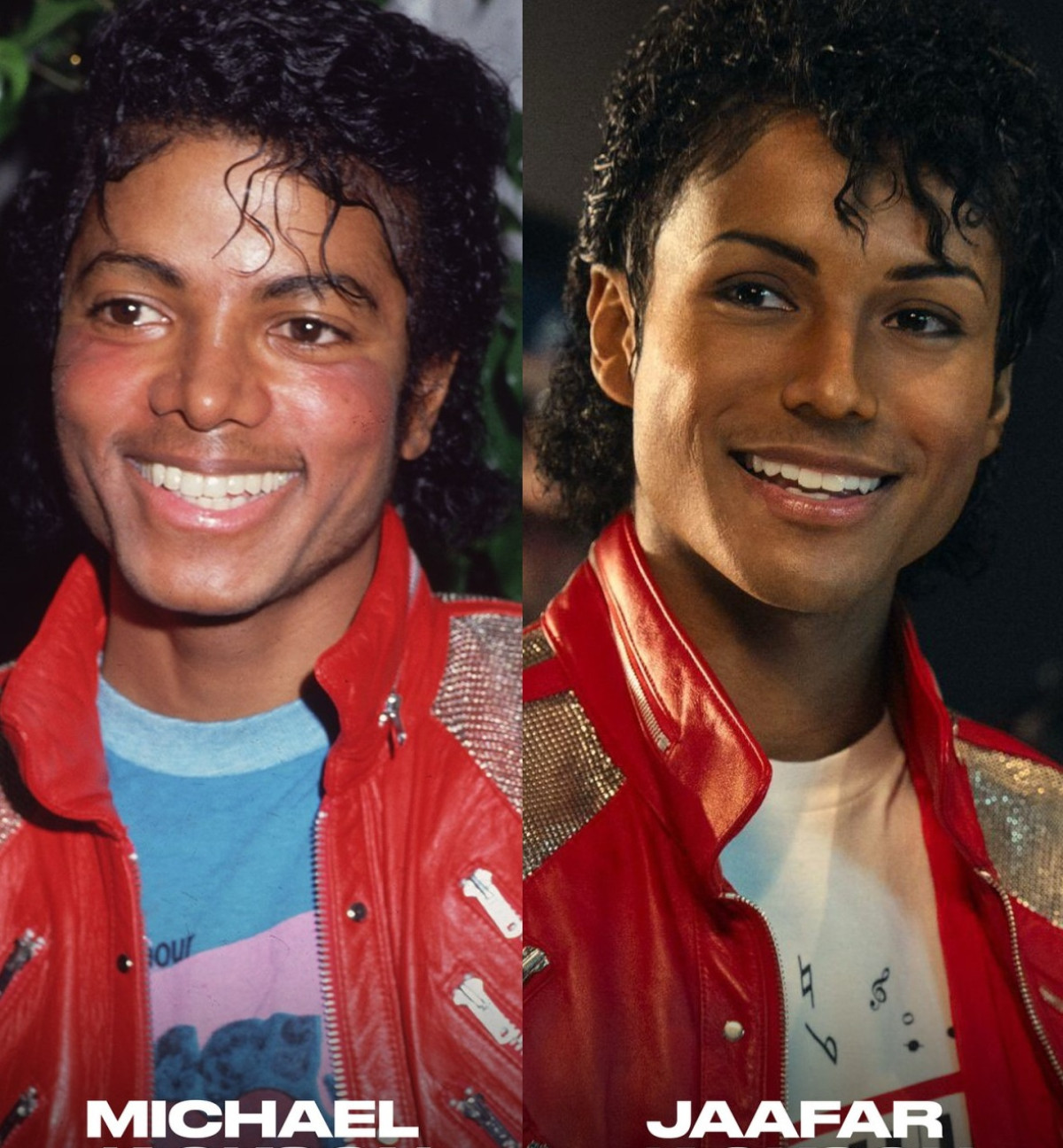
Jaafar Jackson plays Michael Jackson in the 2026 biopic Michael, and the story of how the 29-year-old newcomer landed the role is more interesting than the film itself. It started with a voice note. It involved a two-year global casting search with no formal auditions. It required Jaafar to keep the role secret from his own family for a full year. And it ended with his grandmother Katherine Jackson, the woman who knew Michael longest and loved him most, telling producers that her grandson didn't just resemble her son, he embodied him. After tracking every interview, behind-the-scenes video, and production report released since the film was announced, I can tell you that the choice of Jaafar was not nepotism, not a publicity play, and not the obvious pick everyone assumes it was. It was a hard-earned outcome of the most unusual casting process in recent biopic history, and here is how it actually happened.
Fair pushback above, but the counterpoint is that even with aggressive automation, demand is growing so fast that total headcount is still projected to increase. A shrinking ratio applied to a doubling base still means more jobs.
Minimal score would be the right call. If they put dramatic swelling music over every exchange it will undercut exactly what makes the fights hit so differently from other sports anime.
What is the best entry chapter for someone who wants to evaluate the combat art specifically? Like what chapter actually shows what this series can do at its peak?
Genuinely curious whether kain_y and SORAGAE had planned this as a long serialization from the start or if it began as shorter standalone stories. The episodic structure in early chapters suggests the latter.
The story treating heroism as the unglamorous work of suffering so others never have to feels like a direct philosophical argument against the typical power fantasy setup. It is not subverting the genre so much as interrogating it.
The approach of making magic a discovered element that emerged in response to the invasion rather than a pre-existing part of the world is clever. It means the reader discovers it at roughly the same time as the characters.
The pair programming framing is genuinely how I think about it. Not as a code generator but as someone to think out loud with while I stay in control of the final decisions.
The token-based pricing replacing fixed credits makes costs even harder to predict. At least with a fixed credit count you knew when you were close to the limit. Now a single complex full-stack generation can drain your monthly allocation in a few prompts.
The cloud credit ARR question is the right one. If a significant chunk of that 30 billion is Amazon compute credits flowing back as revenue it's not the same as cash paying enterprise customers. The SEC is going to look at this very carefully.
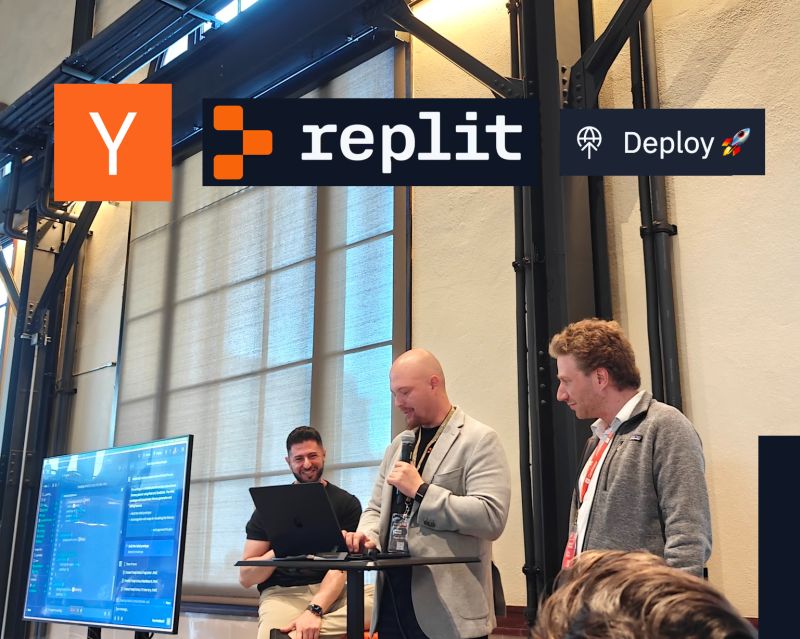
When a company's revenue jumps from $10 million to $100 million in nine months, you pay attention. When that growth comes from an AI agent that builds entire applications autonomously, you realize something fundamental just changed in software development. Replit Agent represents that change, and the numbers prove developers are ready for it. Replit started as a browser-based coding environment for education. Students could write Python or JavaScript without installing anything locally. Teachers loved it because setup time vanished. But the company saw something bigger. If you could run code in the browser, why not let AI write that code? That question led to Agent 3, an AI that doesn't just suggest code completions. It builds entire applications from scratch.
The article's point about semiconductor development operating on three to five year timelines is the key constraint that I do not think gets enough emphasis. This is not like shipping a software update. You commit resources today for outcomes that land in a completely different competitive environment.
Wonder if the joggers would work with a cropped tee for summer? Love the idea of breaking up the set
Maybe add a thin belt at the waist? I always feel like it gives more definition to these styles.