
The framing of murder victims as collectible art sold to the ultra-wealthy is the kind of premise that would feel exploitative in lesser hands. Kim earns it by grounding the critique in class commentary that never feels preachy.
23
Sign up to see more
SignupAlready a member?
LoginBy continuing, you agree to Sociomix's Terms of Service, Privacy Policy

The framing of murder victims as collectible art sold to the ultra-wealthy is the kind of premise that would feel exploitative in lesser hands. Kim earns it by grounding the critique in class commentary that never feels preachy.
Voice acting question is a great one. The best comparison I can think of is something like a voice that projects stillness rather than emptiness. There is a difference. You feel presence without emotion.
BL isekai that takes itself seriously instead of treating the premise as a novelty is genuinely rare. Most attempts either use the isekai hook to justify setting and costume design or treat the BL elements as decoration on top of a standard survival story.
I have been following Korean webtoon fandom spaces and the original Korean readership is intensely devoted to this series. That kind of grassroots enthusiasm usually means something.
If you're new to manhwa or looking to understand what all the hype is about regarding system and leveling stories, you've arrived at exactly the right place. The system genre has become one of the most popular and accessible entry points into Korean comics, offering clear progression mechanics, satisfying power growth, and narratives that feel like playing your favorite RPG or video game brought to life on the page. System manhwa feature protagonists who gain access to game-like interfaces that display stats, skills, quests, and levels. These systems provide clear frameworks for character growth and power progression. You can literally see the protagonist getting stronger through numbers increasing, new abilities unlocking, and challenges being overcome. This visual and concrete progression creates deeply satisfying reading experiences that hook readers from the first chapter.
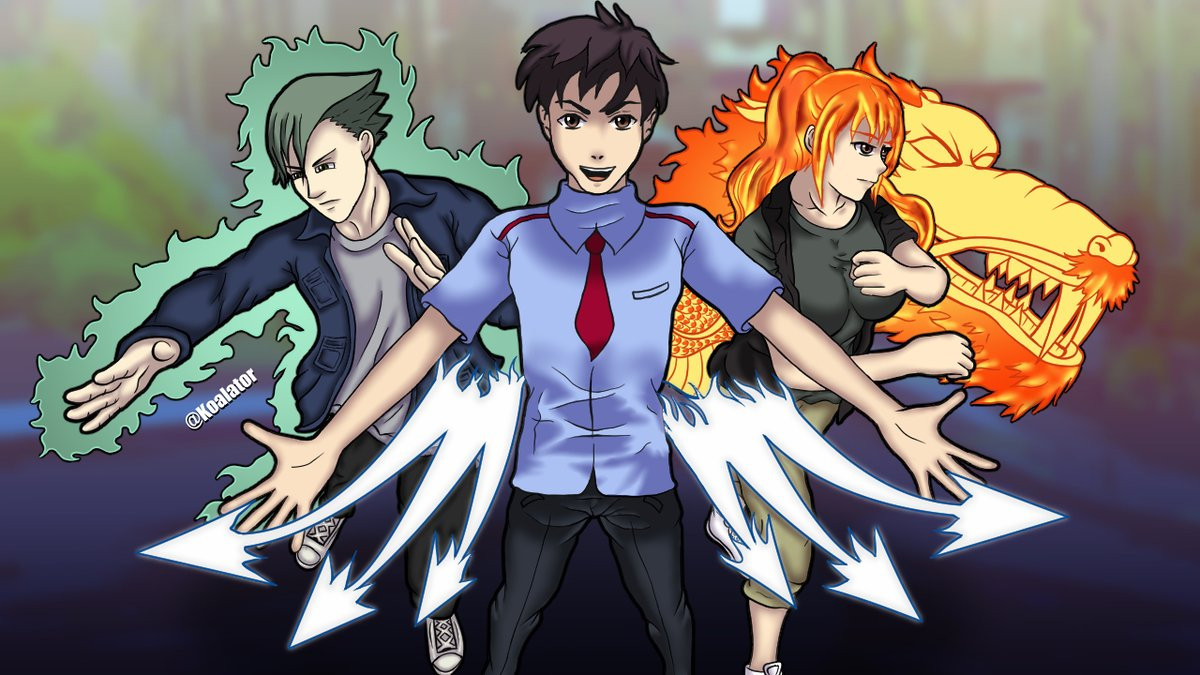
If Terror Man is actually the Iron Man of a larger Korean superhero universe like some readers are saying, and they cut those connections in the anime to keep things simple, that is going to frustrate manhwa readers badly.
The background task automation feature changes the workflow more than anything else. Starting a task before a meeting and coming back to a finished feature is a completely different relationship with your tools than traditional development.
The post mentions integration with SAP SuccessFactors and Workday Learning. The API quality on those integrations is where the rubber meets the road. Surface level connectors are common. Deep native integrations that actually hold up at scale are rare.
Honestly the most interesting competitive dynamic right now is not HeyGen versus Synthesia. It is what happens when every major creative platform adds an AI presenter feature natively. That is the existential question for standalone avatar video tools.
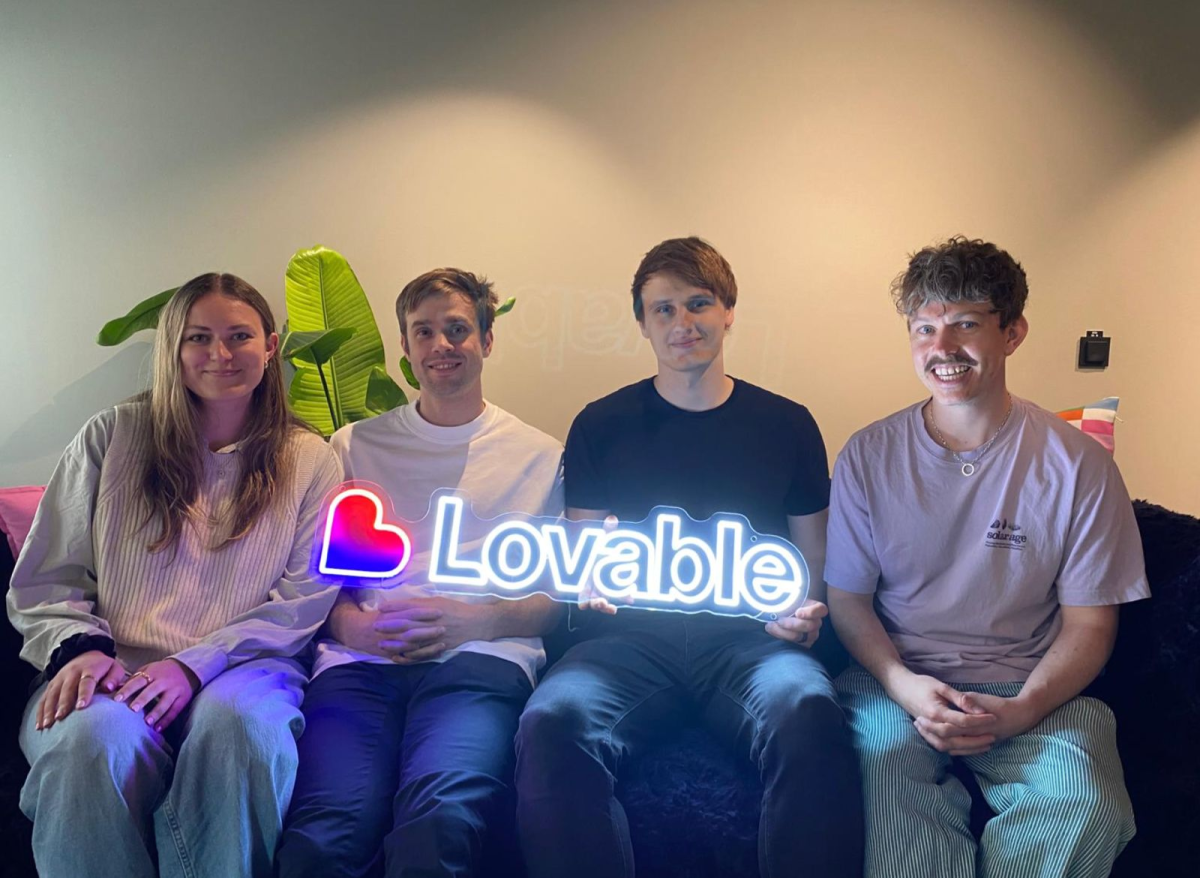
The software development world just witnessed something unprecedented. A European startup called Lovable reached $20 million in annual recurring revenue in just two months, making it potentially the fastest-growing startup in European history. But here's the twist that's making traditional software agencies nervous: they did it by giving non-technical founders the power to build full-stack applications without writing a single line of code. For years, the promise of no-code tools has been the same: anyone can build an app. But the reality has always been different. You'd create a beautiful frontend, get excited about your progress, and then hit the technical cliff. Suddenly you needed to configure databases, set up authentication, manage API keys, and deploy to servers. The "no-code" dream became a "hire-a-developer-anyway" nightmare.
The article frames the Super Bowl ads as Anthropic being aggressive but honestly using the words betrayal and deception about ads in ChatGPT is a bit much. OpenAI putting ads in a free tier is not a moral failing, it's a normal business decision.
The cybersecurity program finding thousands of zero days in weeks makes me simultaneously grateful Anthropic exists and terrified about what happens when a less careful organization builds something similar.
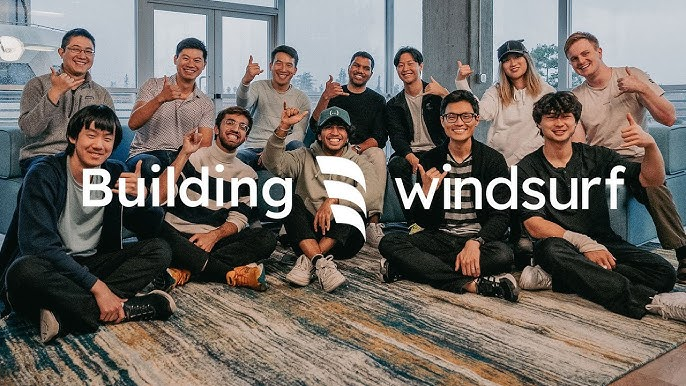
Developers have a new anxiety in 2026: token anxiety. You're in the middle of debugging a complex problem, the AI is helping you refactor three files simultaneously, and suddenly you wonder if this session is about to cost you $50. That mental tax slows you down and makes you second-guess using the tool you're paying for. Windsurf eliminated that anxiety with a simple decision: flat monthly pricing with no token limits. Fifteen dollars per month. Unlimited usage. No tracking credits or calculating costs per query. That pricing model sounds almost boring compared to the complex token systems other AI coding tools use, but boring is exactly what professional developers want when it comes to pricing. They want predictable costs and unlimited usage so they can focus on writing code instead of budgeting AI queries.
The bottom line is that control over compute infrastructure is becoming as strategically important as control over the models themselves. Anyone who does not take the hardware layer seriously is going to find themselves at a structural disadvantage.
As someone who manages social media for a brand, this is genuinely useful. The amount of times we posted a comment with a wrong tag or a mangled sentence and had to delete and repost in a panic is embarrassing. The first 15 minutes after posting are now officially a review window for our team.
The article mentions Microsoft has been more circumspect about its chip efforts. But the Maia 200 chip is definitely real and is designed specifically for Azure AI workloads. Microsoft is very much in this race, just quieter about it.
In a rare divergence from industry norms, TikTok has confirmed it will not adopt end-to-end encryption (E2EE) for direct messages, breaking with nearly every major social media platform and reigniting one of the tech industry's most contentious debates. The Chinese-owned video platform told the BBC exclusively that it believes the privacy technology championed by Meta, Apple, and others as essential for user protection actually makes users less safe by creating "dark spaces" where harmful content can flourish beyond the reach of safety teams and law enforcement. The decision puts TikTok in direct opposition to its competitors while potentially exposing the company to fresh criticism over data protection, particularly given ongoing concerns about its ties to Beijing.
Consolidating around $72K after briefly touching $73K is actually healthy price action. A rally that doesn't have brief pullbacks tends to be fragile.
Facebook has shown edit history for years and it works fine. There is no reason Instagram cannot do the same. Hiding original text while slapping an edited label on it is the worst of both worlds.
The WhatsApp comparison is interesting since WhatsApp also does not show version history on edited messages. It seems like Meta has a consistent internal policy across its apps to show the edited label but hide original content.