Does anyone know how many chapters Copycat manhwa will have in total? Trying to figure out if it will be as long as Sweet Home or closer to Bastard's length.
17
Sign up to see more
SignupAlready a member?
LoginBy continuing, you agree to Sociomix's Terms of Service, Privacy Policy

Does anyone know how many chapters Copycat manhwa will have in total? Trying to figure out if it will be as long as Sweet Home or closer to Bastard's length.
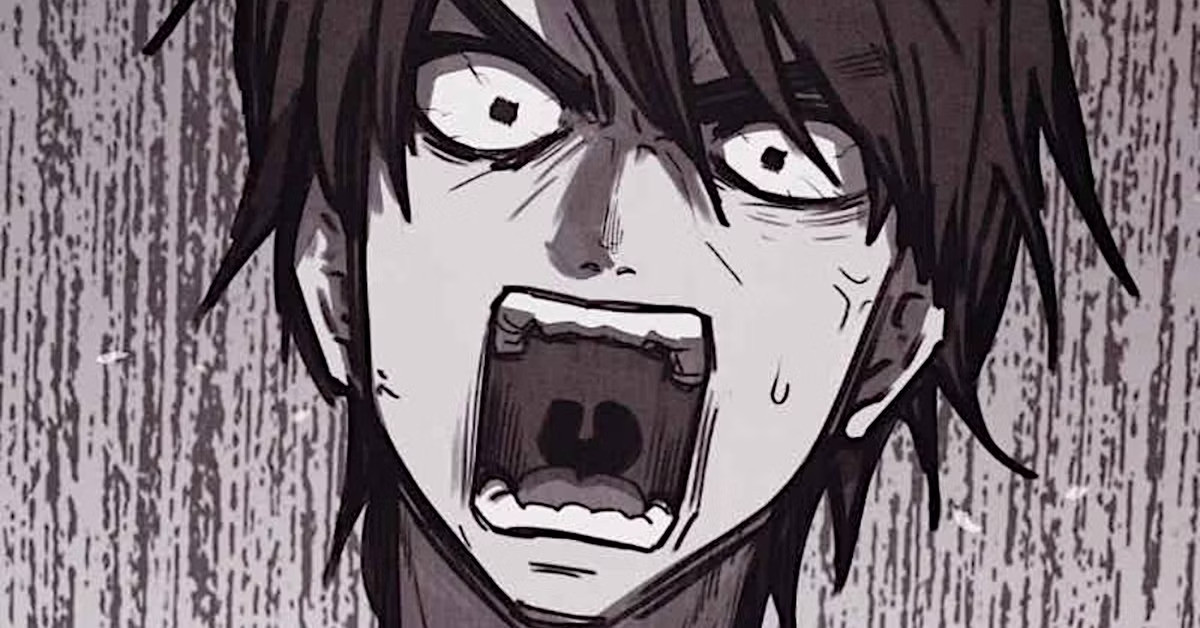
The creators behind some of Webtoon's most successful psychological thrillers have returned with a series that's already generating intense discussion across manhwa communities. For fans who've been following the horror and thriller genre on digital platforms, Carnby Kim and Youngchan Hwang need no introduction. Their latest collaboration tackles themes of artistic plagiarism, obsession, and murder in ways that feel disturbingly relevant to current conversations about creative theft and AI-generated content. This guide covers everything you need to know about Copycat, from its premise and release schedule to how it compares with their previous masterpieces like Sweet Home and Bastard.
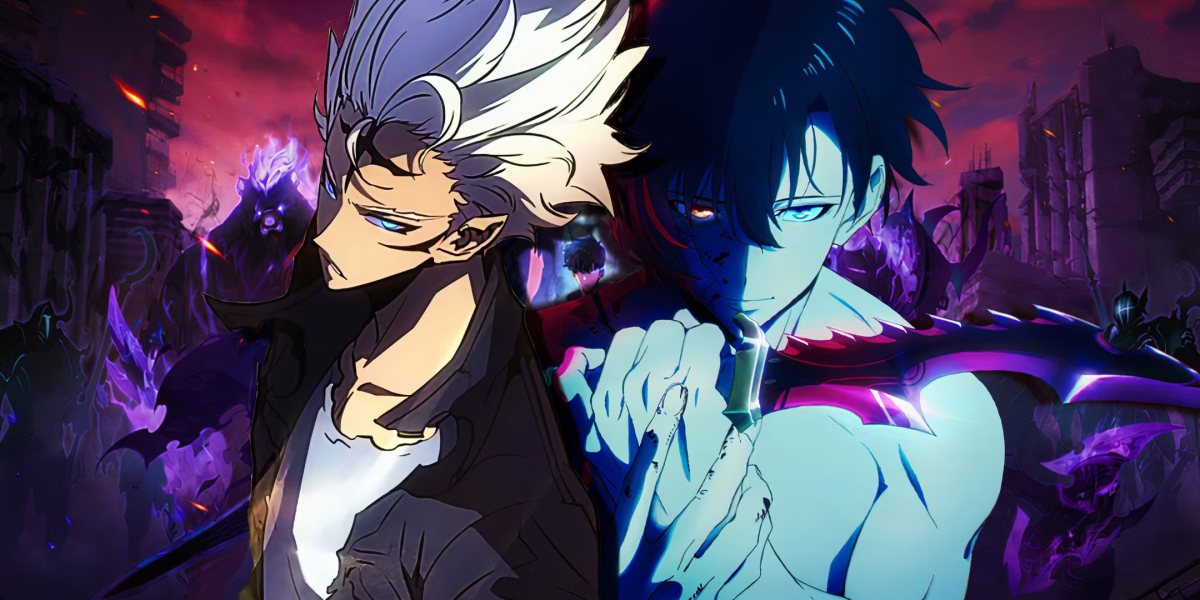
The manhwa world exploded when Solo Leveling first introduced us to Sung Jinwoo's journey from the weakest hunter to humanity's strongest defender. Now, Solo Leveling Ragnarok brings a fresh perspective to this beloved universe, and fans everywhere are asking the same questions. Can the sequel live up to the original? Do you need to read Solo Leveling first? What makes this continuation worth your time? This guide covers everything you need to know about Solo Leveling Ragnarok, whether you're a longtime fan or someone curious about jumping into the series Solo Leveling Ragnarok is not a reboot or alternate timeline. This is a direct sequel that continues the story years after the original series concluded. The protagonist shifts from Sung Jinwoo to his son, Sung Suho, who must forge his own path in a world still recovering from the catastrophic events his father prevented.
When you think of murim manhwa, your mind probably conjures images of ancient martial arts sects, internal energy cultivation, and warriors battling with swords and bare fists in historical settings. Science fiction elements like outer space invasions, advanced technology, and apocalyptic scenarios belong to completely different stories. Return of the Demonic Instructor takes these seemingly incompatible genres and weaves them into something genuinely innovative. Released on Webtoon in January 2026, this series arrived at the perfect moment when readers were hungry for fresh takes on established formulas. The premise alone sounds wild. A murim world gets invaded by demons from outer space, forcing martial artists to adapt centuries-old techniques to fight extraterrestrial threats. Then throw in regression, magic systems, and apocalyptic survival elements for good measure.
A proper anime adaptation needs to nail the background art showing the estate improving over time. That slow visual progression of the land transforming is a huge part of what makes completing each project feel satisfying.
Arzen destroyed Elliot's writing career before the story even started and now Elliot might write letters that make Arzen fall in love with someone else. That is not a plot. That is a war crime against feelings.
Honestly the relic rank system could have been generic stat padding but the series uses it to set up underdog moments constantly. Lower ranked relic used cleverly beats higher ranked one used carelessly. That is good writing.
When a company raises $200 million in Series E funding during January 2026, investors are betting on more than potential. They're backing proven market demand and sustainable growth. Synthesia's funding round came alongside a 44% year-over-year increase in headcount to 706 employees, signaling aggressive expansion in a category the company essentially created: AI avatar-based video generation for enterprise training and communications. Corporate training videos have been expensive and slow to produce for decades. Recording a single 10-minute training module traditionally required booking a studio, hiring a presenter, scheduling a videographer, managing multiple takes, and editing everything together. If you needed to update information or translate content, you essentially started over. Synthesia eliminated this entire production workflow by replacing human presenters with AI avatars.

Enterprise margins at 80% on some accounts is wild. For a company that spent years unable to monetize millions of users, that flip in revenue quality is just as impressive as the top line growth.
The year 2026 marks a pivotal moment in the evolution of manhwa as a medium. What started as a trickle of Korean comics receiving anime adaptations has become a flood, with at least fifteen confirmed projects bringing beloved manhwa to animated life. This explosive growth wasn't accidental but the inevitable result of Solo Leveling's massive success proving that manhwa adaptations can compete with traditional manga anime in quality, popularity, and profitability. Studios across Japan and Korea are investing heavily in manhwa properties, recognizing that Korean storytelling brings fresh perspectives, innovative premises, and built-in fanbases eager to see their favorite series animated. The diversity of genres receiving adaptations demonstrates that manhwa appeal extends far beyond action and fantasy into romance, psychological thriller, sports, and slice-of-life territories.
Hot take: the real innovation here is not the AI, it is the closed browser feedback loop. Every other tool generates code and wishes you luck. Actually running it and fixing errors automatically is the part that changes everything.
The metered pricing creating unpredictable costs is the same complaint people had about cloud hosting in 2010. It did not stop AWS from dominating. Cost unpredictability is a growing pain, not a dealbreaker.
Developers have a new anxiety in 2026: token anxiety. You're in the middle of debugging a complex problem, the AI is helping you refactor three files simultaneously, and suddenly you wonder if this session is about to cost you $50. That mental tax slows you down and makes you second-guess using the tool you're paying for. Windsurf eliminated that anxiety with a simple decision: flat monthly pricing with no token limits. Fifteen dollars per month. Unlimited usage. No tracking credits or calculating costs per query. That pricing model sounds almost boring compared to the complex token systems other AI coding tools use, but boring is exactly what professional developers want when it comes to pricing. They want predictable costs and unlimited usage so they can focus on writing code instead of budgeting AI queries.
Does anyone know if the supply chain risk classification affects Anthropic's Amazon investment relationship since AWS is simultaneously a Glasswing partner? That seems like a genuine conflict of interest worth examining.
The thing that strikes me is that Anthropic disclosed all of this voluntarily. They did not have to publish the red team results or explain the capabilities. That transparency is either genuinely admirable or strategically timed. Probably both.
Meta has just had one of its most important AI moments yet and the early signals are hard to ignore. Following the launch of its newest AI model Muse Spark, the company’s standalone Meta AI app surged dramatically in popularity, hinting at a much larger shift that is beginning to take shape. The release is particularly significant because it marks the first major AI model rollout under Alexandr Wang, who joined Meta to reboot its AI strategy. This is not just another incremental update. It represents a more aggressive and focused push into the AI race. According to data from Appfigures, Meta AI jumped from number 57 to number 5 on the U.S. App Store within a day of the launch. That kind of movement rarely happens without a strong underlying pull from users. It signals not curiosity but intent.
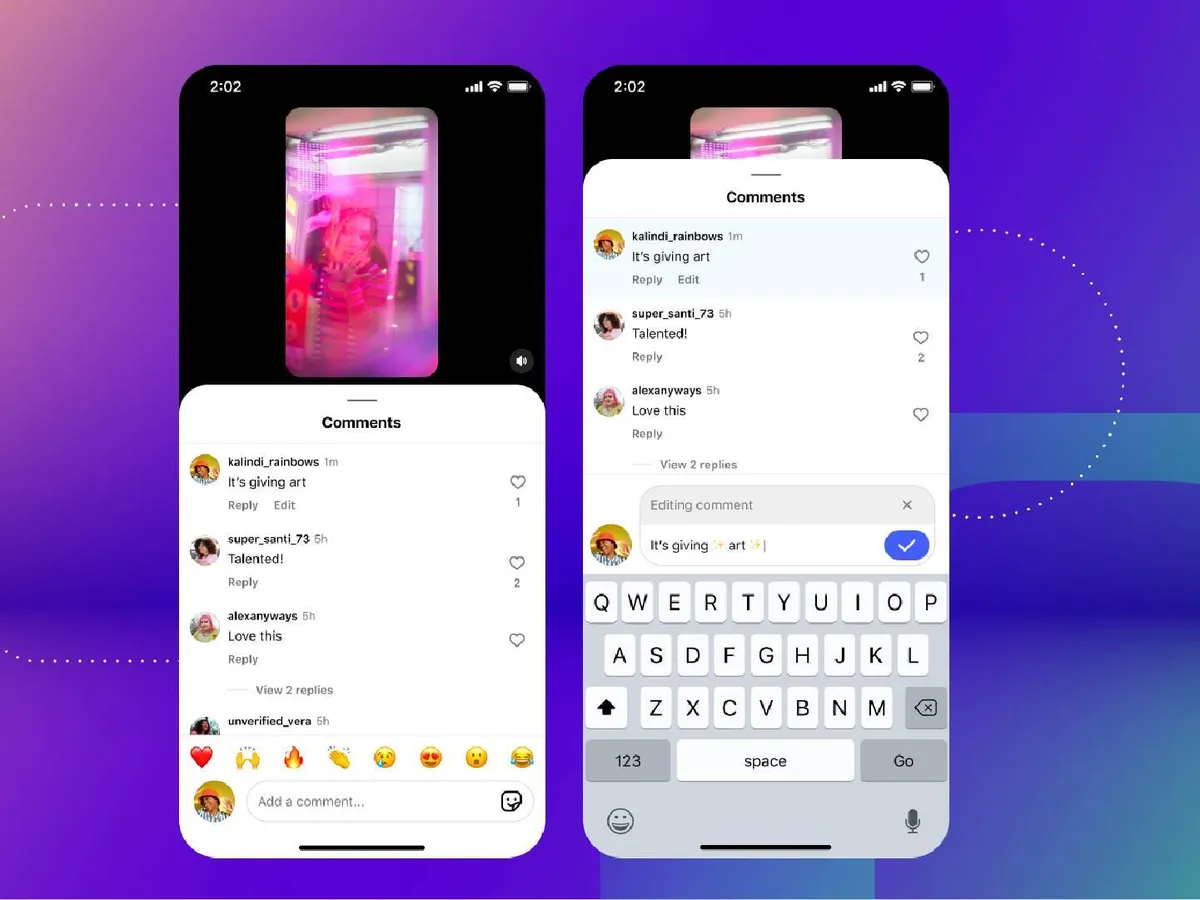
Instagram has rolled out a small but long overdue feature that users have been asking for years. You can now edit your comments after posting them. This simple change solves a very real frustration. Until now, fixing even the smallest typo meant deleting your comment and writing it all over again. That friction is finally gone. But there is a boundary. You get a 15 minute window after posting to make edits. Within that time, you can update your comment as many times as you want. There is also a layer of transparency built in. Once a comment is edited, others will be able to see that it has been modified. However, unlike platforms such as iMessage, Instagram does not show the edit history. What was originally written stays hidden.
Adding tights would make this perfect for winter! Anyone have recommendations for tights that don't snag on leather?
I actually have similar flared pants and usually pair them with a fitted turtleneck. Would love to try them with a bow blouse like this!