
My whole resistance to this is the breakfast thing. I am physically not hungry in the morning and forcing food into my body at 7 am makes me feel worse, not better.
20
Sign up to see more
SignupAlready a member?
LoginBy continuing, you agree to Sociomix's Terms of Service, Privacy Policy

My whole resistance to this is the breakfast thing. I am physically not hungry in the morning and forcing food into my body at 7 am makes me feel worse, not better.
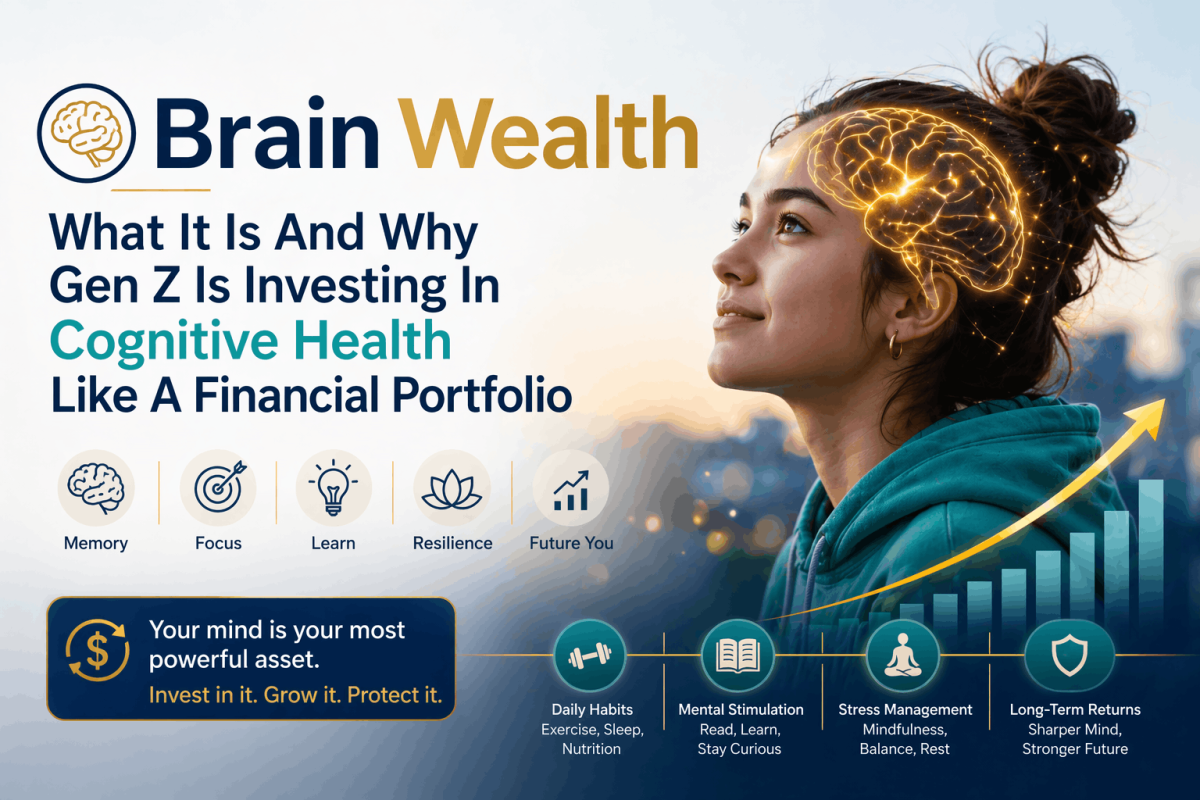
Brain wealth is the lifestyle concept redefining how an entire generation thinks about mental health in 2026, and if you have been treating your cognitive fitness as something to address only when something goes wrong, the shift happening right now will feel either overdue or quietly alarming depending on where you stand. The idea is straightforward but the implications are significant: your cognitive capacity, your ability to focus, adapt, learn, regulate your emotions, and think clearly under pressure, is not a fixed trait you are born with. It is a long-term asset you can actively invest in, protect, and grow.
Estate-approved biopics are basically a subgenre at this point. You get the music, you get the performance, you get a version of the life story that has been pre-approved for palatability. Michael is just the most expensive example so far.
Last year I was doing the classic noon to 8 pm fasting window and wondering why I felt fine but the metabolic markers at my checkup were still off. Switching to an earlier window genuinely changed those numbers.
It skips them completely. The film ends in 1988 with the Bad World Tour. There was apparently a whole different third act involving the 1993 investigation but it got reshot after a legal clause in a settlement was discovered. So you're getting the career highlights version, full stop.
Skeptical of the job security argument, honestly. They said the same thing about semiconductor fabs and financial trading floors. Every industry eventually automates the parts it can and shrinks the parts it cannot.
ORV being compared to Solo Leveling undersells it. It's more accurate to say ORV does what Solo Leveling does and then asks harder questions about why we wanted to watch someone do it.
Does the novel go further into Gongja's psychological state after hundreds of deaths, or does the manhwa cover that sufficiently? Curious whether the source material is worth seeking out separately.
Sports anime and manga have delivered countless memorable series over the decades, from Slam Dunk's basketball brilliance to Haikyuu's volleyball excellence. These stories typically follow familiar patterns: talented but inexperienced protagonist joins a team, forms bonds with teammates, faces rivals, grows through competition, and ultimately pursues championship glory. The formula works because it taps into universal themes about effort, teamwork, and self-improvement. The Boxer, created by JH, takes everything you expect from sports stories and systematically deconstructs it. The protagonist doesn't love boxing. He doesn't form deep bonds with teammates. He doesn't overcome challenges through friendship and determination. Instead, the manhwa presents one of the darkest, most psychologically complex examinations of combat sports ever created, wrapped in stunningly minimalist artwork that elevates the narrative to something approaching high art.

The comparison between Gongja's heroism and the traditional heroism characters feels relevant to a broader shift happening in fiction right now. Readers are increasingly skeptical of the effortless charismatic hero type. This series gives you something more honest.
The Blade God confrontation chapters are peak Nano Machine visually. If those chapters do not sell you on the art nothing will.
The Gen-4 Turbo option for rapid iteration is underrated in this writeup. When you are testing a dozen different concept directions, speed matters more than peak quality. Turbo lets you find the right direction before committing to a full render.
For short form content it works fine for basic cuts and captions but it is not optimized for the trend-responsive fast paced editing style that performs on Reels. There are more nimble tools for that specific use case.
Wait, what about the people who didn't consent to being recorded? The article breezes past the privacy section really fast, but this is genuinely complicated in states like California, Illinois, and Florida where all-party consent is required before recording a conversation.
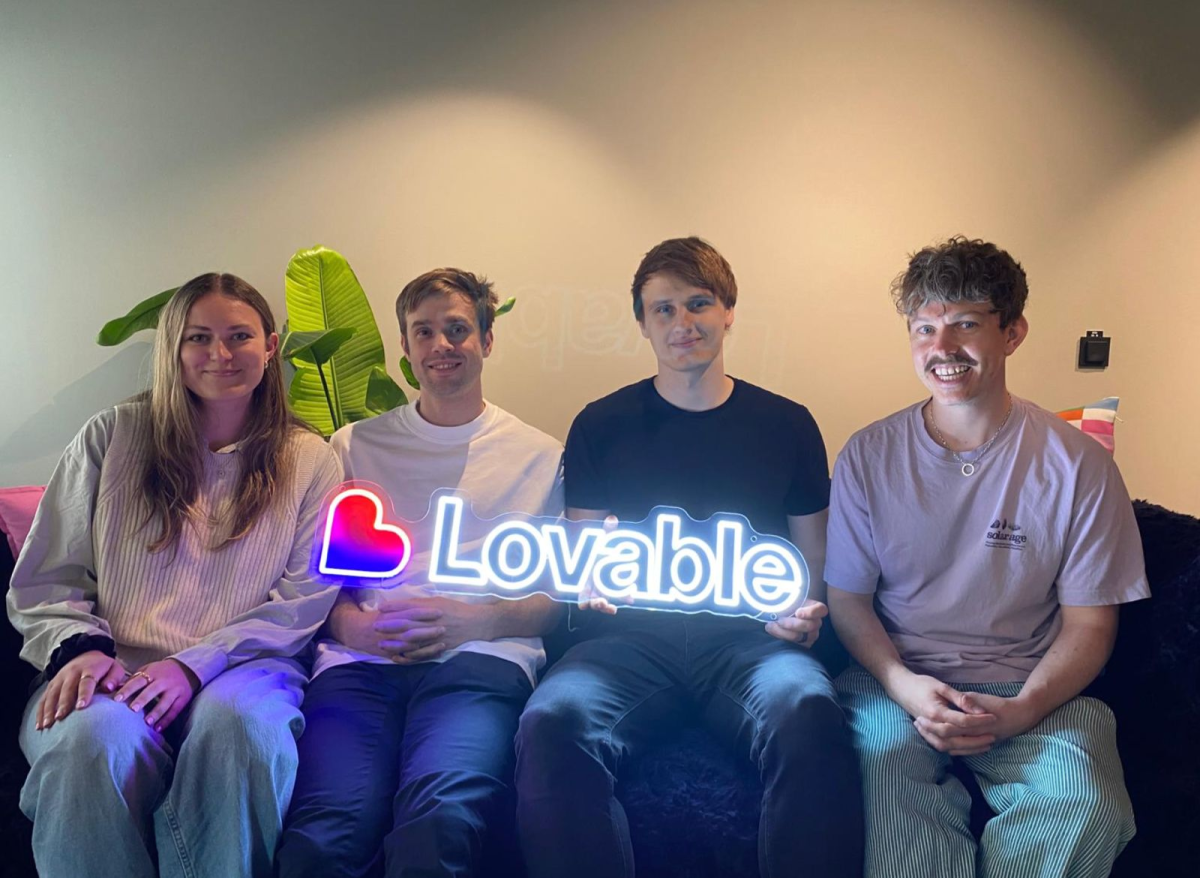
The software development world just witnessed something unprecedented. A European startup called Lovable reached $20 million in annual recurring revenue in just two months, making it potentially the fastest-growing startup in European history. But here's the twist that's making traditional software agencies nervous: they did it by giving non-technical founders the power to build full-stack applications without writing a single line of code. For years, the promise of no-code tools has been the same: anyone can build an app. But the reality has always been different. You'd create a beautiful frontend, get excited about your progress, and then hit the technical cliff. Suddenly you needed to configure databases, set up authentication, manage API keys, and deploy to servers. The "no-code" dream became a "hire-a-developer-anyway" nightmare.
Broadcom is already a chip design partner for OpenAI and is now also working with Anthropic on the Google TPU deal. That company is quietly becoming one of the most important players in the entire AI infrastructure story.
The article frames this as TikTok breaking from industry norms, but given that Meta just reversed Instagram E2EE around the same time, maybe the industry norm is shifting back toward access. The era of unconditional privacy promises on social media might genuinely be ending.
That would never fly with regular users. The cognitive overhead of treating every comment like a versioned document would kill casual engagement instantly. There is a reason Google Docs and Instagram serve completely different communication needs.
the supply chain risk classification while simultaneously inviting Anthropic into a coalition to fix the very problem it supposedly created is some kind of regulatory pretzel logic.
Does anyone know if the supply chain risk classification affects Anthropic's Amazon investment relationship since AWS is simultaneously a Glasswing partner? That seems like a genuine conflict of interest worth examining.