Pure unfiltered genre chaos that somehow holds together. Manhwa is the best right now and this series is part of why.
12
Sign up to see more
SignupAlready a member?
LoginBy continuing, you agree to Sociomix's Terms of Service, Privacy Policy

Pure unfiltered genre chaos that somehow holds together. Manhwa is the best right now and this series is part of why.
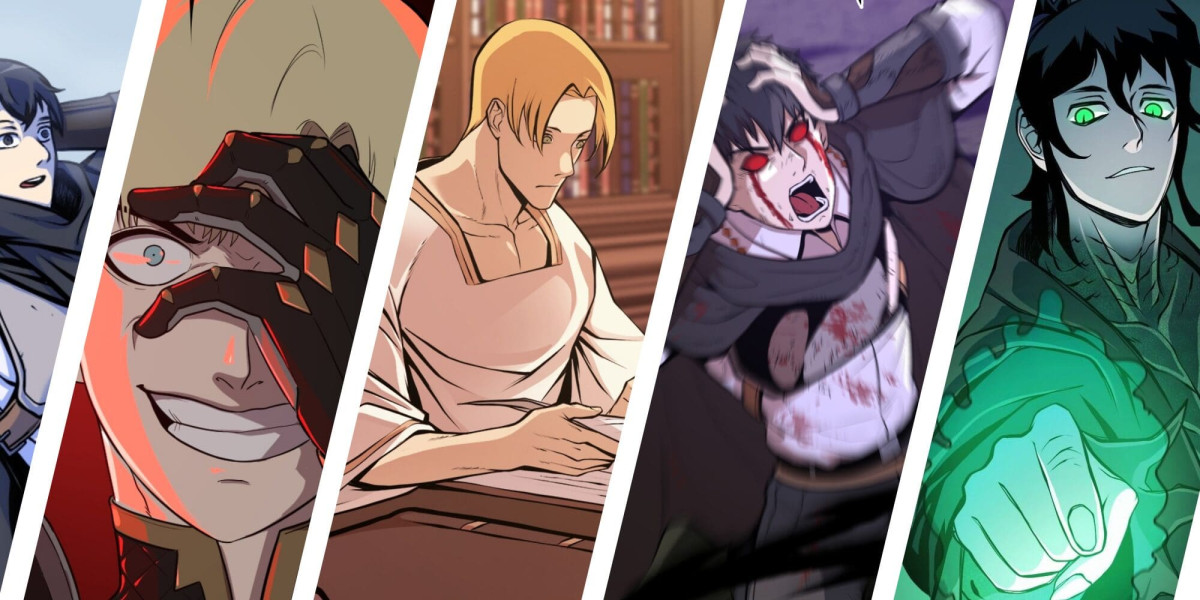
The year 2026 marks a pivotal moment in the evolution of manhwa as a medium. What started as a trickle of Korean comics receiving anime adaptations has become a flood, with at least fifteen confirmed projects bringing beloved manhwa to animated life. This explosive growth wasn't accidental but the inevitable result of Solo Leveling's massive success proving that manhwa adaptations can compete with traditional manga anime in quality, popularity, and profitability. Studios across Japan and Korea are investing heavily in manhwa properties, recognizing that Korean storytelling brings fresh perspectives, innovative premises, and built-in fanbases eager to see their favorite series animated. The diversity of genres receiving adaptations demonstrates that manhwa appeal extends far beyond action and fantasy into romance, psychological thriller, sports, and slice-of-life territories.
Not to be contrarian but the article basically makes the case that the series is interesting because of what it sets up and then stops short of evaluating how well those setups actually pay off. Setup praise is not the same as story praise and I would like more honesty about execution.
For people on the fence, chapters one and two are a slow burn but chapter three completely changed my read on everything that came before. Give it at least that far.
When Tomb Raider King first exploded onto the manhwa scene, it brought a fresh take on dungeon crawling stories by combining archaeological adventure with ruthless protagonist energy and a treasure-hunting premise that felt genuinely different from typical gate and dungeon narratives. The series built a dedicated fanbase through its satisfying blend of historical artifact powers, strategic relic acquisition, and a protagonist who wasn't afraid to be morally gray in pursuit of his goals. Now, with the anime adaptation confirmed for 2026 as one of the most anticipated manhwa-to-anime projects, Tomb Raider King is experiencing a resurgence. New readers are discovering the series while longtime fans eagerly await seeing Jooheon Suh's relic-hunting adventures brought to life with animation. The timing couldn't be better, as the series has built enough content to support a substantial adaptation while maintaining momentum in its ongoing storyline.

In a manhwa landscape dominated by dungeon crawling, regression narratives, and power fantasies, The Greatest Estate Developer stands out by asking a simple question: what if the protagonist's greatest weapon wasn't a sword or magic system, but civil engineering knowledge? This bizarre premise transforms into one of the most entertaining, genuinely funny, and surprisingly heartfelt series currently running, proving that innovation in storytelling comes from unexpected places. The series takes the familiar isekai setup where a modern person finds themselves in a fantasy world and completely subverts expectations. Instead of becoming an adventurer or hero, protagonist Kim Suho uses his engineering knowledge to revolutionize construction, infrastructure, and economic development. What sounds like it should be boring becomes absolutely captivating through sharp writing, excellent comedic timing, and genuine passion for showing how infrastructure improves lives.

Someone above asked about large monorepos. From my experience, Windsurf's codebase awareness degrades when you cross around 200k lines. It still works but the suggestions get less precise.
As someone learning to code, I have mixed feelings. Using the agent to build things is exciting but I worry about skipping the understanding phase. The best developers I know have deep mental models of how systems work. You do not build that by watching AI write code.
Anyone else notice the Replit pivot story buried in this post? They laid off half their staff, nearly collapsed, and then launched the agent that generated $150M in revenue within about a year. That is a founder story for the ages.
When a company raises $200 million in Series E funding during January 2026, investors are betting on more than potential. They're backing proven market demand and sustainable growth. Synthesia's funding round came alongside a 44% year-over-year increase in headcount to 706 employees, signaling aggressive expansion in a category the company essentially created: AI avatar-based video generation for enterprise training and communications. Corporate training videos have been expensive and slow to produce for decades. Recording a single 10-minute training module traditionally required booking a studio, hiring a presenter, scheduling a videographer, managing multiple takes, and editing everything together. If you needed to update information or translate content, you essentially started over. Synthesia eliminated this entire production workflow by replacing human presenters with AI avatars.

Nobody ever posts the failure stories though. The channels that went all in on AI avatars and lost audience trust when they disclosed it, the agencies whose clients pulled back when they found out. Survivorship bias makes every case study look cleaner than reality.
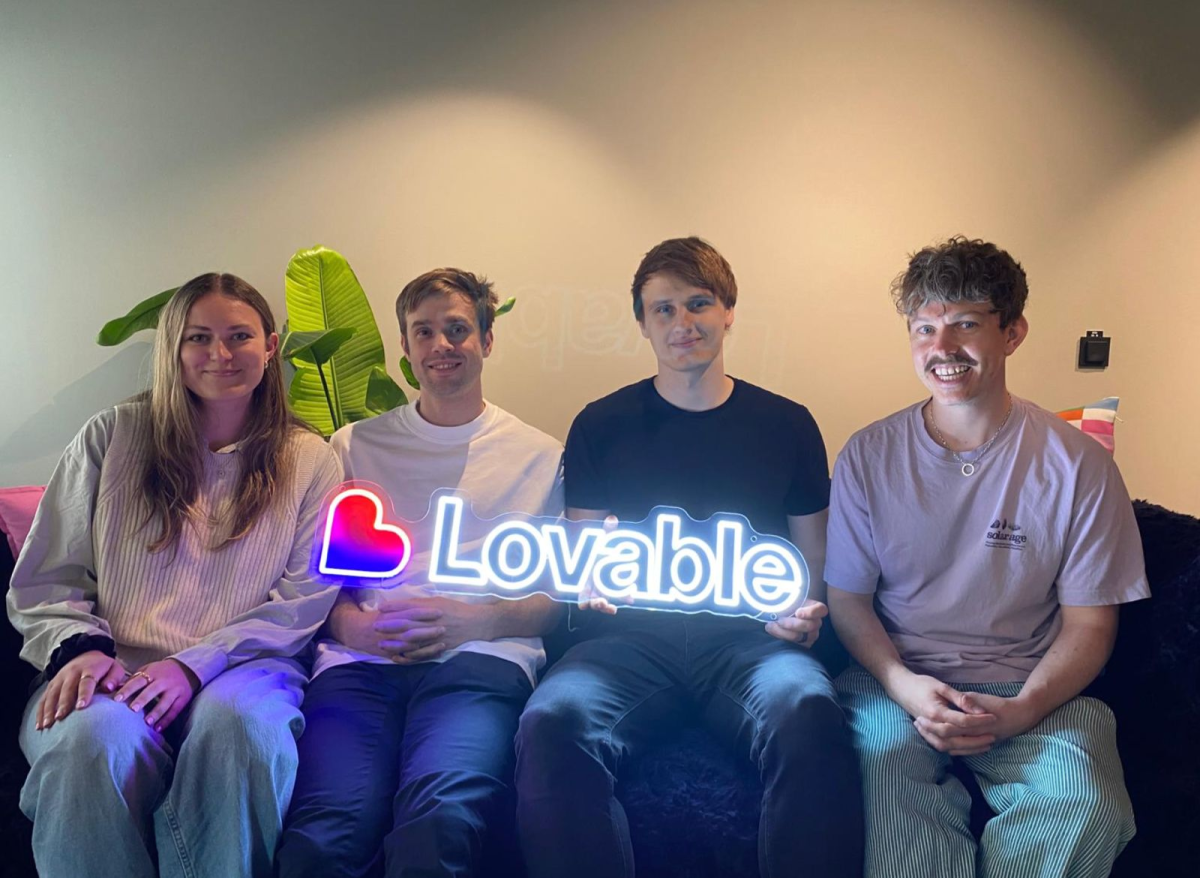
The software development world just witnessed something unprecedented. A European startup called Lovable reached $20 million in annual recurring revenue in just two months, making it potentially the fastest-growing startup in European history. But here's the twist that's making traditional software agencies nervous: they did it by giving non-technical founders the power to build full-stack applications without writing a single line of code. For years, the promise of no-code tools has been the same: anyone can build an app. But the reality has always been different. You'd create a beautiful frontend, get excited about your progress, and then hit the technical cliff. Suddenly you needed to configure databases, set up authentication, manage API keys, and deploy to servers. The "no-code" dream became a "hire-a-developer-anyway" nightmare.
Honestly the article's best point is the correlation with Asian equity markets. That structural link is underappreciated and it means global risk appetite is the real driver, not just crypto-specific narratives.
Hybrid workflow is genuinely the answer here. Claude Code to generate and refine features, Codex to review before merging. Multiple developers on Reddit have settled on this pattern and it makes sense.
That is actually a fascinating point. If keywords in comments now affect discoverability, then the edit window essentially becomes a brief optimization opportunity. Social media managers are definitely going to start treating those 15 minutes strategically.
Has anyone tried rolling the blazer sleeves differently? I struggle with getting them to stay put.
I've been hesitant about flares but this is convincing me to take the plunge. The silhouette is so flattering!