My whole resistance to this is the breakfast thing. I am physically not hungry in the morning and forcing food into my body at 7 am makes me feel worse, not better.
20
Sign up to see more
SignupAlready a member?
LoginBy continuing, you agree to Sociomix's Terms of Service, Privacy Policy

My whole resistance to this is the breakfast thing. I am physically not hungry in the morning and forcing food into my body at 7 am makes me feel worse, not better.
What I want to know is whether Jaafar's own singing voice is in the film at all or if it is entirely Michael's original recordings.
Honestly the series works BECAUSE the premise sounds ridiculous. If you describe it to someone with a straight face they'll think you're joking and then they read three chapters and can't stop.
The article frames K's arc as moving from exploitation to genuine care and that is accurate, but it undersells how messy and uncomfortable that transition is. K is not a good person who learns. He is a complicated one who grows.
The ufotable rumor has been floating around for a while but nothing official confirms it. Demon Slayer level visual quality applied to ORV action scenes though, just thinking about it.
For the person asking about how much to read before the anime, getting through the first 50 to 60 chapters gives you a solid foundation without spoiling most of the major arcs. The first season will almost certainly adapt that range anyway.
Been following since near the beginning and watching the global fanbase grow has been genuinely satisfying. This series earned every reader it has.
The premise alone sold me. A murim world invaded by outer space demons is the kind of chaotic energy I never knew I needed in my life.
That reading just made chapter seven hit completely differently in retrospect.
Not gonna lie, the line about AI leading players treating their software less like consumer products and more like digital weaponry is the most important sentence in this whole piece and it got buried near the bottom.
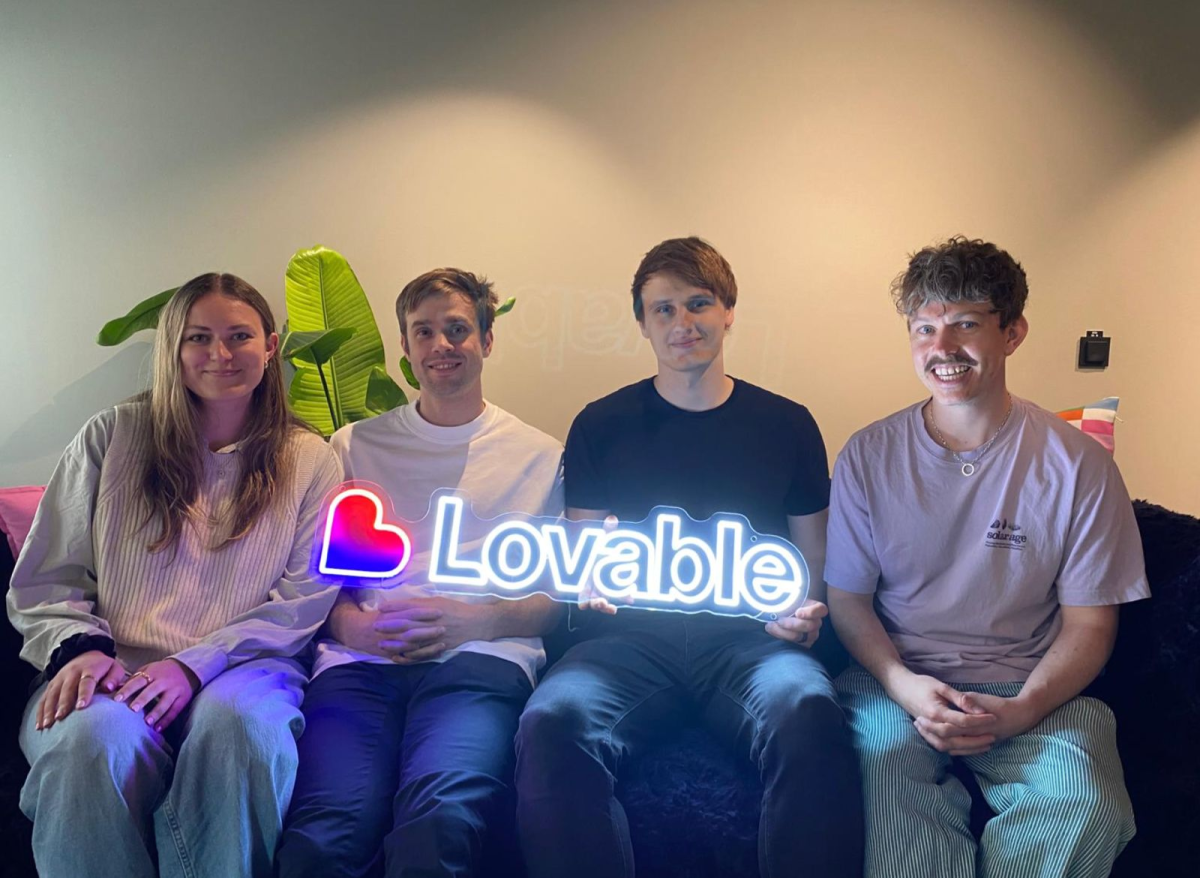
The software development world just witnessed something unprecedented. A European startup called Lovable reached $20 million in annual recurring revenue in just two months, making it potentially the fastest-growing startup in European history. But here's the twist that's making traditional software agencies nervous: they did it by giving non-technical founders the power to build full-stack applications without writing a single line of code. For years, the promise of no-code tools has been the same: anyone can build an app. But the reality has always been different. You'd create a beautiful frontend, get excited about your progress, and then hit the technical cliff. Suddenly you needed to configure databases, set up authentication, manage API keys, and deploy to servers. The "no-code" dream became a "hire-a-developer-anyway" nightmare.
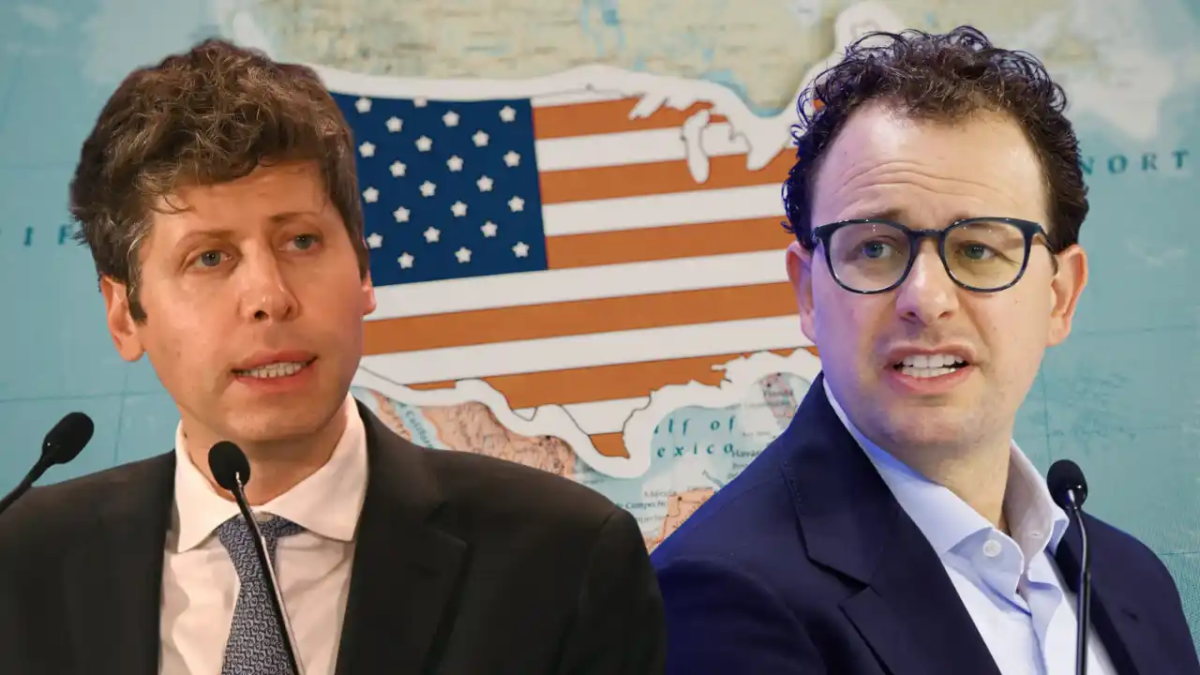
There's a photograph from February 2026 that pretty much sums up the state of AI right now. At the India AI Impact Summit in New Delhi, Indian Prime Minister Narendra Modi invited the world's tech leaders onstage for a group photo. Everyone held hands. Well, almost everyone. Sam Altman of OpenAI and Dario Amodei of Anthropic, standing right next to each other, refused to clasp hands and instead raised their fists separately. The internet, predictably, lost its mind. An awkward moment between OpenAI CEO Sam Altman and Anthropic CEO Dario Amodei at an AI Summit captured the increasingly icy relations between two rival tech leaders who started off as colleagues. That's not just petty drama. It's a window into what may be the most consequential corporate rivalry in the technology world right now, one that's playing out in boardrooms, courtrooms, Super Bowl ads, and billion-dollar compute deals all at once.
The artificial intelligence industry is entering a new phase of competition, one that extends far beyond the development of advanced language models and neural networks. Companies are now engaged in an intense struggle to secure the computational infrastructure necessary to train and deploy their AI systems. In this context, Anthropic has reportedly begun exploring the possibility of designing and manufacturing its own specialized processors to power Claude, its flagship conversational AI platform, along with its broader suite of artificial intelligence technologies. This strategic consideration emerges at a critical moment in the global AI sector. The exponential growth in model complexity and capability has created unprecedented demand for high-performance computing resources. Sources familiar with the matter indicate that Anthropic is conducting feasibility studies to determine whether developing proprietary semiconductor technology could reduce its dependence on external hardware vendors while ensuring reliable access to the computing power required for its operations.

This whole story is really about the fact that the AI industry is maturing. The early phase was about who could build the best models. The current phase is about who controls the infrastructure those models run on. These are very different competitions.
Has anyone tried layering a thin turtleneck under this for fall? I do this with my wrap dresses
Wonder if white pants would work instead of black? Might be too stark with the denim top though