
What is the best way to improve working memory specifically? Not general brain health, specifically working memory.
15
Sign up to see more
SignupAlready a member?
LoginBy continuing, you agree to Sociomix's Terms of Service, Privacy Policy

What is the best way to improve working memory specifically? Not general brain health, specifically working memory.
The main difference is some dialogue tweaks and the Peace Land arc has reworked character motivations in the published novel version. For most readers the manhwa is fine as an anime source. The bones are the same.
Started manhwa because the Solo Leveling anime made me impatient waiting for season 3 and now I have twelve series on my reading list. This genre is a trap in the best possible way.
Absolute banger of a concept, mediocre execution in the first few chapters, gets significantly better around the midpoint of what's available.
The manhwa community has been buzzing with anticipation ever since MAPPA Studio announced their adaptation of Omniscient Reader's Viewpoint. With a spring 2026 release date confirmed and 24 episodes planned for the first season, this adaptation represents one of the most ambitious manhwa-to-anime projects ever undertaken. But what makes this series so special that it warranted such a massive production commitment? If you're hearing about Omniscient Reader's Viewpoint for the first time or wondering whether the hype is justified, this guide will prepare you for what promises to be one of the biggest anime releases of the year. We'll cover the story premise, why it's captured millions of readers worldwide, what MAPPA's involvement means, and everything else you need to know before the first episode airs

The regression premise is so common in manhwa now that Returner's Magic and Tomb Raider King being on the same list is almost funny. How many protagonists got sent back in time with future knowledge this year.
While Synthesia leads in revenue, HeyGen leads in customer acquisition momentum with 152% year-over-year growth in mid-market adoption. That explosive growth rate allowed HeyGen to close much of the customer count gap by late 2025. The company is winning by making avatar video accessible to smaller teams and individual creators who cannot afford enterprise contracts but need professional video capabilities. HeyGen positioned itself for small and medium businesses, marketing teams, content creators, and solo entrepreneurs rather than enterprise learning and development departments. This market segment values affordability, ease of use, and creative flexibility over governance features and advanced integrations. Average contract values are roughly one-third of Synthesia's, reflecting this different customer profile.

As a reader who usually bounces off emotional manhwa because they manipulate rather than earn their moments, this series genuinely earned every single one of mine. The difference between manufactured sadness and real consequence is something this writer understands.
Hot take: this is not replacing your development team. It is replacing your intern. There is a significant difference.
The trust problem is real. Recent developer surveys show that while AI tool adoption keeps climbing, trust in the actual output has dropped pretty sharply. Using these tools more does not mean trusting them more.
The article is right that team pricing at this range makes sense for small engineering teams. Where it falls apart is at the mid-market level where you need SSO and that adds significant per-user cost.
Tried it last weekend out of pure curiosity. Had a working inventory tracker with user login in about three hours. Zero code written. My developer friend is not happy with me right now.
This story would have broken me if I had read it during a period of grief in my life. Reading it now I can appreciate it with a slightly safer distance.
The article glosses over the token pricing model a bit too charitably. Tokens run out faster than you expect, especially when the AI makes mistakes and you go back and forth trying to fix them. The economics get less friendly once you are in a complex project.
Forty million dollars in annual recurring revenue. Six months. One browser-based platform. Those numbers would be impressive for any software company, but for Bolt.new, they represent something more significant: the moment when development environments moved permanently into the cloud and never looked back. Traditional software development has always required setup. Install Node.js, configure your environment, manage dependencies, set up local servers, troubleshoot version conflicts. Before writing a single line of code, developers spend hours or even days preparing their machines. Junior developers often spend their first week just getting their environment working. Bolt.new eliminated all of that with WebContainers technology.
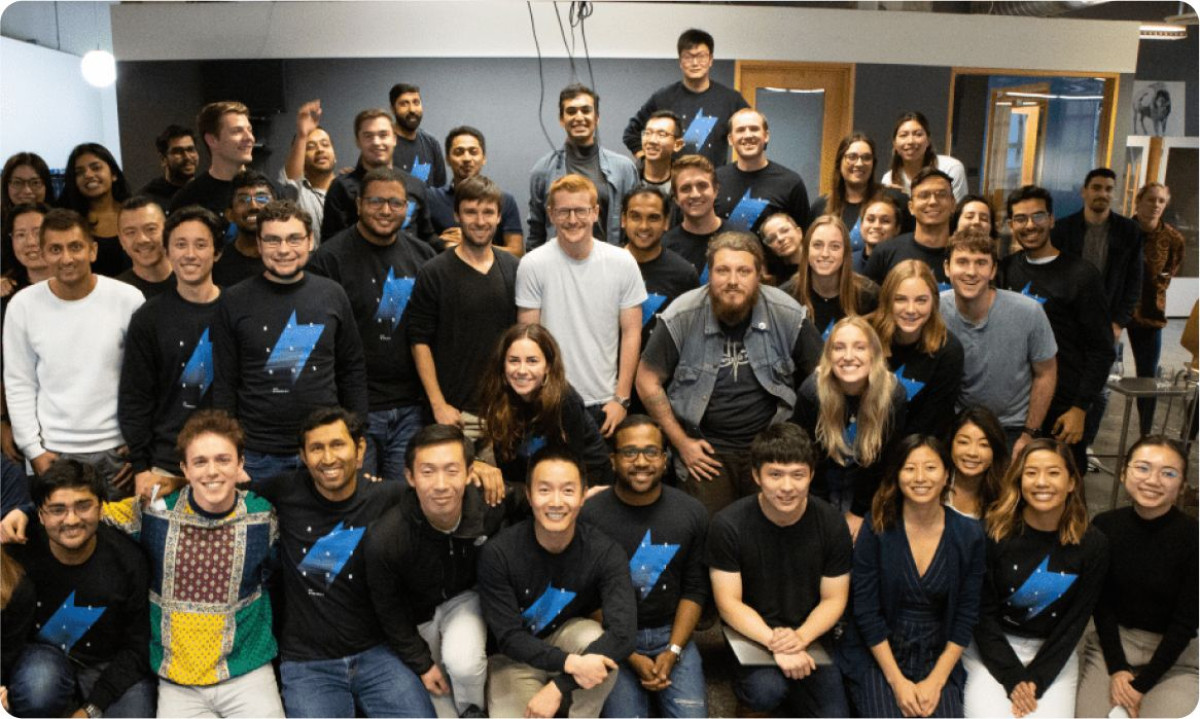
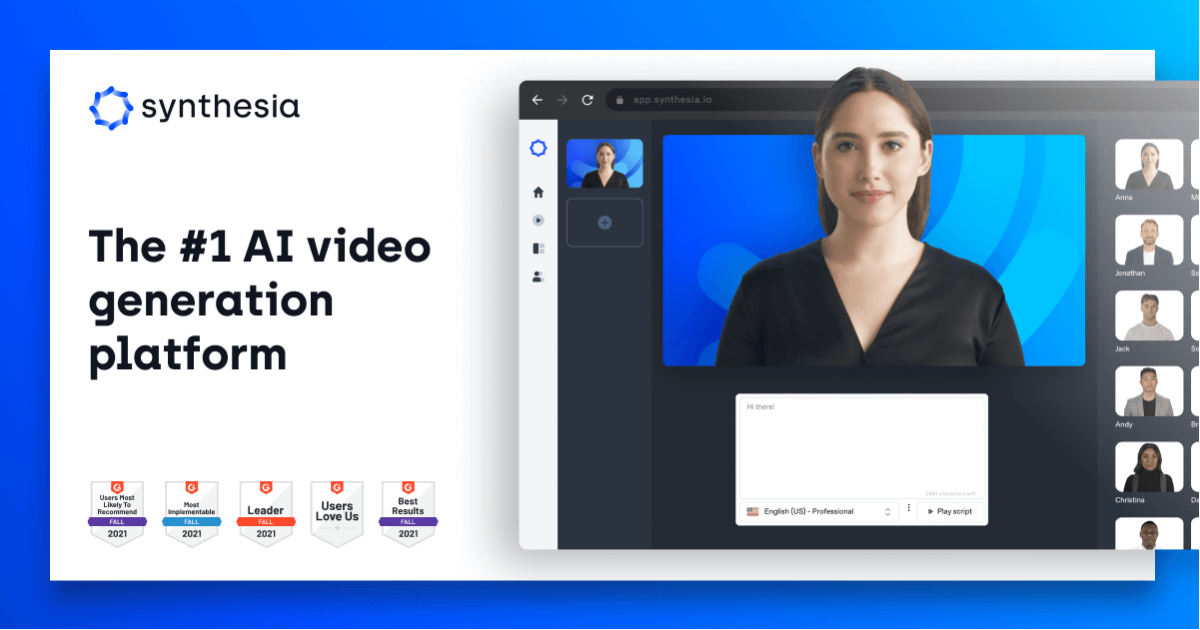
When a company raises $200 million in Series E funding during January 2026, investors are betting on more than potential. They're backing proven market demand and sustainable growth. Synthesia's funding round came alongside a 44% year-over-year increase in headcount to 706 employees, signaling aggressive expansion in a category the company essentially created: AI avatar-based video generation for enterprise training and communications. Corporate training videos have been expensive and slow to produce for decades. Recording a single 10-minute training module traditionally required booking a studio, hiring a presenter, scheduling a videographer, managing multiple takes, and editing everything together. If you needed to update information or translate content, you essentially started over. Synthesia eliminated this entire production workflow by replacing human presenters with AI avatars.
That simultaneous movement is actually a problem. Every major AI company chasing custom silicon at the same time means competing for the same limited pool of chip designers, the same TSMC fabrication slots, and the same advanced memory components. This could make the shortage worse in the short term.