
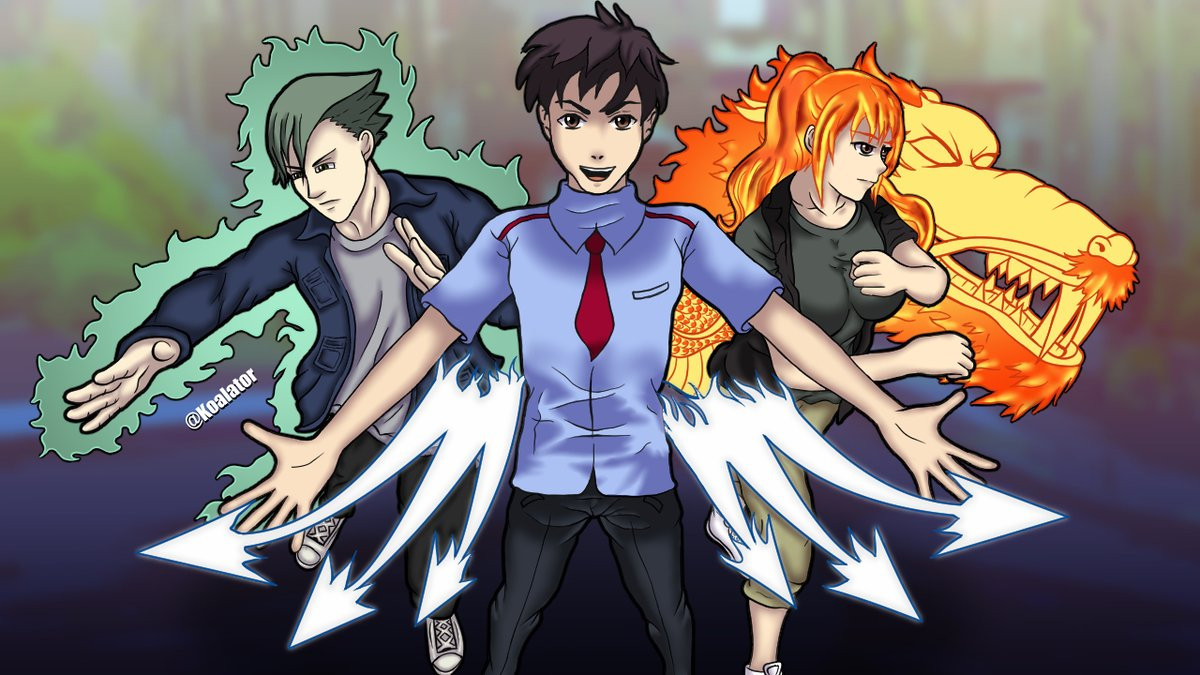
The holographic interface the nano machine uses during fights is genuinely one of the most clever visual storytelling devices in any action comic right now, not just manhwa.
16
Sign up to see more
SignupAlready a member?
LoginBy continuing, you agree to Sociomix's Terms of Service, Privacy Policy

The holographic interface the nano machine uses during fights is genuinely one of the most clever visual storytelling devices in any action comic right now, not just manhwa.
If you're new to manhwa or looking to understand what all the hype is about regarding system and leveling stories, you've arrived at exactly the right place. The system genre has become one of the most popular and accessible entry points into Korean comics, offering clear progression mechanics, satisfying power growth, and narratives that feel like playing your favorite RPG or video game brought to life on the page. System manhwa feature protagonists who gain access to game-like interfaces that display stats, skills, quests, and levels. These systems provide clear frameworks for character growth and power progression. You can literally see the protagonist getting stronger through numbers increasing, new abilities unlocking, and challenges being overcome. This visual and concrete progression creates deeply satisfying reading experiences that hook readers from the first chapter.
The manhwa community calling Omniscient Reader the True King of Manhwa is not hyperbole. The source material has over 3 billion views and the foreshadowing and world building are on a completely different level from most of the titles on this list.
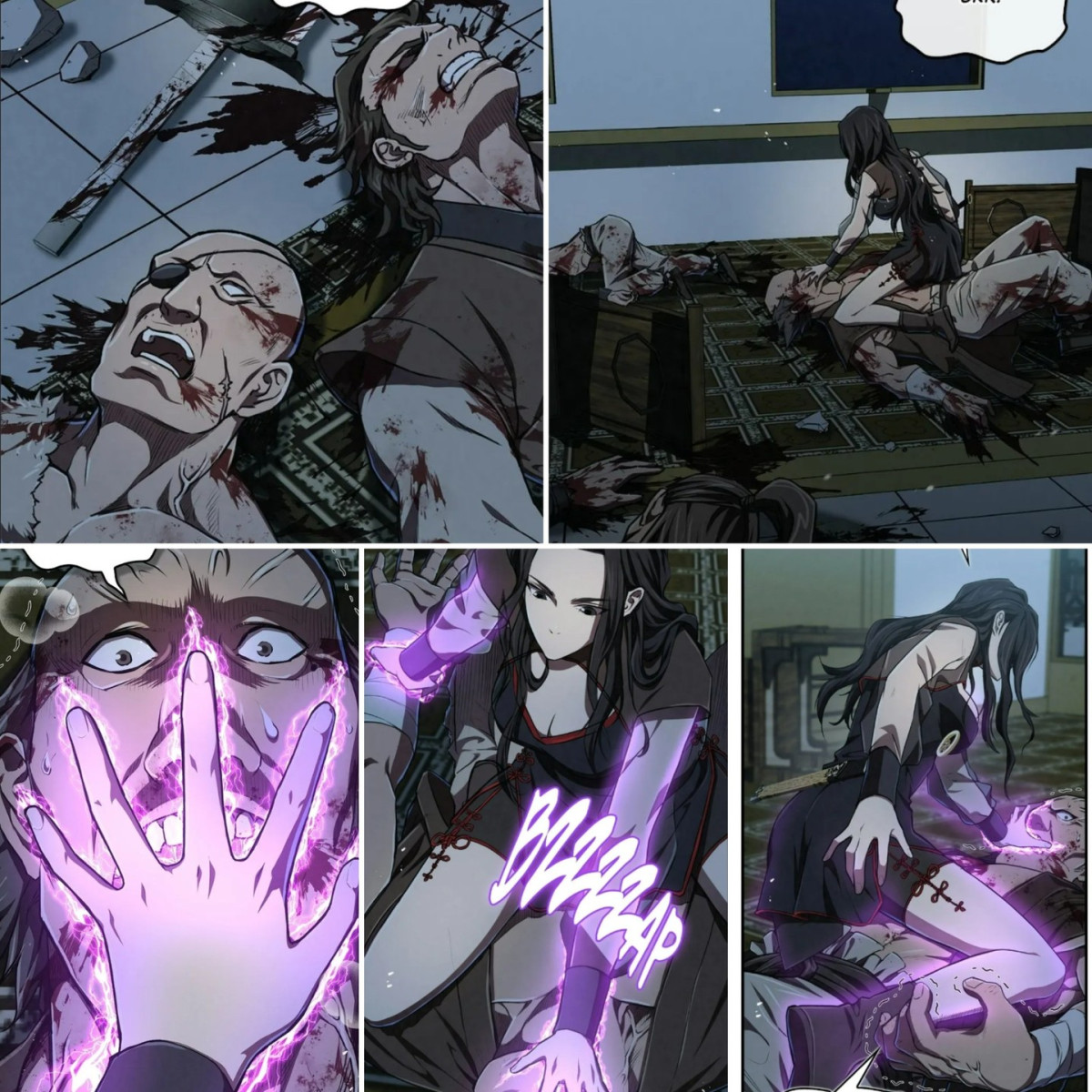
When you think of murim manhwa, your mind probably conjures images of ancient martial arts sects, internal energy cultivation, and warriors battling with swords and bare fists in historical settings. Science fiction elements like outer space invasions, advanced technology, and apocalyptic scenarios belong to completely different stories. Return of the Demonic Instructor takes these seemingly incompatible genres and weaves them into something genuinely innovative. Released on Webtoon in January 2026, this series arrived at the perfect moment when readers were hungry for fresh takes on established formulas. The premise alone sounds wild. A murim world gets invaded by demons from outer space, forcing martial artists to adapt centuries-old techniques to fight extraterrestrial threats. Then throw in regression, magic systems, and apocalyptic survival elements for good measure.
The comparison between Gongja's heroism and the traditional heroism characters feels relevant to a broader shift happening in fiction right now. Readers are increasingly skeptical of the effortless charismatic hero type. This series gives you something more honest.
The brainwashing backstory is doing a lot of heavy lifting for Bigang's character. The fact that he served the demons not through willing betrayal but through psychological violation makes him sympathetic rather than morally compromised.
That's a valid point but accessibility matters enormously. Something being done in a niche light novel versus reaching Webtoon's global audience are completely different conversations.
What worries me about The Greatest Estate Developer adaptation is exactly what the article says. Making construction visually exciting requires creative direction and if the studio plays it safe it becomes a slideshow of blueprint scenes.
Counterpoint: supervising an AI agent well actually requires significant expertise. If you do not know enough to review what it built, you are shipping things you do not understand. That is a risk most people are not taking seriously enough.
Sending a bot to a meeting instead of attending should require telling the other participants first. It should not be something you can do silently. The transparency norm should be explicit.
As someone who produces online courses for a living, text-based editing completely changed my economics. I used to budget 3 hours of editing for every hour of content. Now it is closer to 45 minutes.
Windsurf bumped Pro to $20 after the March 2026 pricing overhaul. The $15 headline in this post is no longer current for new subscribers.
In a manhwa landscape dominated by dungeon crawling, regression narratives, and power fantasies, The Greatest Estate Developer stands out by asking a simple question: what if the protagonist's greatest weapon wasn't a sword or magic system, but civil engineering knowledge? This bizarre premise transforms into one of the most entertaining, genuinely funny, and surprisingly heartfelt series currently running, proving that innovation in storytelling comes from unexpected places. The series takes the familiar isekai setup where a modern person finds themselves in a fantasy world and completely subverts expectations. Instead of becoming an adventurer or hero, protagonist Kim Suho uses his engineering knowledge to revolutionize construction, infrastructure, and economic development. What sounds like it should be boring becomes absolutely captivating through sharp writing, excellent comedic timing, and genuine passion for showing how infrastructure improves lives.

While Synthesia leads in revenue, HeyGen leads in customer acquisition momentum with 152% year-over-year growth in mid-market adoption. That explosive growth rate allowed HeyGen to close much of the customer count gap by late 2025. The company is winning by making avatar video accessible to smaller teams and individual creators who cannot afford enterprise contracts but need professional video capabilities. HeyGen positioned itself for small and medium businesses, marketing teams, content creators, and solo entrepreneurs rather than enterprise learning and development departments. This market segment values affordability, ease of use, and creative flexibility over governance features and advanced integrations. Average contract values are roughly one-third of Synthesia's, reflecting this different customer profile.

Civil engineering student here. The series is not perfectly accurate on technical details but it gets the mindset right. The satisfaction of solving a structural problem is captured really well.
The article mentioned that 4% of all public GitHub commits are now authored by Claude Code with projections of 20% by year end. If that 20% projection is accurate, the implications for junior developer hiring are going to be severe.
Genuinely cannot tell if this is the most important corporate rivalry of our lifetimes or the most expensive public argument in history. Possibly both at the same time.
Already invisible. The moment a feature becomes expected it disappears from the conversation. Nobody celebrates that Reddit has editable comments anymore.
The model was able to find and fully exploit Linux kernel vulnerabilities completely autonomously after a single initial prompt. No human steering after that. That is the detail that separates this from every previous announcement in this space.
Institutional money is patient. They were buying the dip during two consecutive days of outflows and now the market is validating that positioning. That is a completely different dynamic from 2021 retail mania.