
Jaafar vs any outside actor for this role is not even a close comparison when you think about what playing Michael Jackson actually requires. The physicality, the voice pattern, the family archive access. An outsider starts at zero on all of that.
Sign up to see more
SignupAlready a member?
LoginBy continuing, you agree to Sociomix's Terms of Service, Privacy Policy
Sign up to see more
SignupAlready a member?
LoginBy continuing, you agree to Sociomix's Terms of Service, Privacy Policy

Jaafar vs any outside actor for this role is not even a close comparison when you think about what playing Michael Jackson actually requires. The physicality, the voice pattern, the family archive access. An outsider starts at zero on all of that.
Just noticed the article mentions the film covers through the 1988 Bad World Tour. Does that mean the Victory Tour and the Pepsi era are included or does it jump over parts of the early 80s?
This might be an unpopular opinion but I am deliberately not starting Copycat until it hits around 40 or 50 chapters. Weekly reading is torture with thriller manhwa. Binge reading is the only way.
Fair point about the underdog trope being common, but the twist here is that his inability to cultivate isn't eventually fixed by a secret technique or hidden talent. It stays a limitation he works around creatively. That's actually more interesting than the typical hidden genius reveal.
Anime original endings are the bane of my existence so this point matters more than people realize.
Unpopular opinion but the story itself is pretty formulaic and the art is doing heavy lifting that the writing sometimes does not deserve.
Is anyone using v0 for component libraries that need to work across multiple products with different brand identities? Curious how well it handles design tokens and theming at that level of complexity.
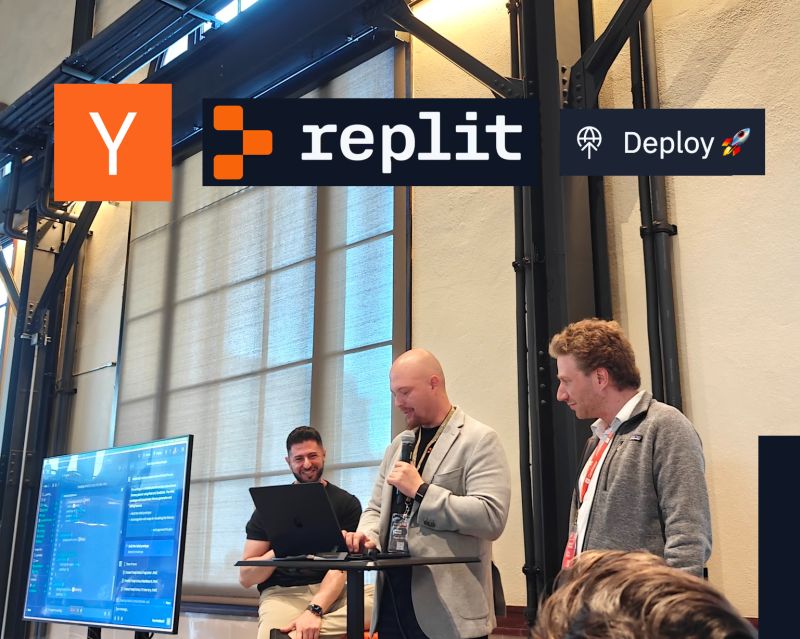
When a company's revenue jumps from $10 million to $100 million in nine months, you pay attention. When that growth comes from an AI agent that builds entire applications autonomously, you realize something fundamental just changed in software development. Replit Agent represents that change, and the numbers prove developers are ready for it. Replit started as a browser-based coding environment for education. Students could write Python or JavaScript without installing anything locally. Teachers loved it because setup time vanished. But the company saw something bigger. If you could run code in the browser, why not let AI write that code? That question led to Agent 3, an AI that doesn't just suggest code completions. It builds entire applications from scratch.
Anyone else notice the Replit pivot story buried in this post? They laid off half their staff, nearly collapsed, and then launched the agent that generated $150M in revenue within about a year. That is a founder story for the ages.
Speaking from experience doing UX work, the emotional cost of watching your designs get interpreted badly is not trivial. You put weeks into getting the details right and then the implementation feels like a rough draft. A tool that closes that gap has real psychological value.
The fact that this company grew from zero to $10 million ARR on roughly two million dollars in spending is the most remarkable capital efficiency story in recent startup history. The unit economics are genuinely alien compared to traditional software companies.
Personally I think the genre peaked with a certain arc in Omniscient Reader's Viewpoint that I will not spoil. Nothing before or since has made me feel that specific combination of devastation and triumph simultaneously.
Just here to say that as a non-technical founder who has tried to hire developers three separate times in the past four years and gotten burned each time, this feels like a personal vindication.
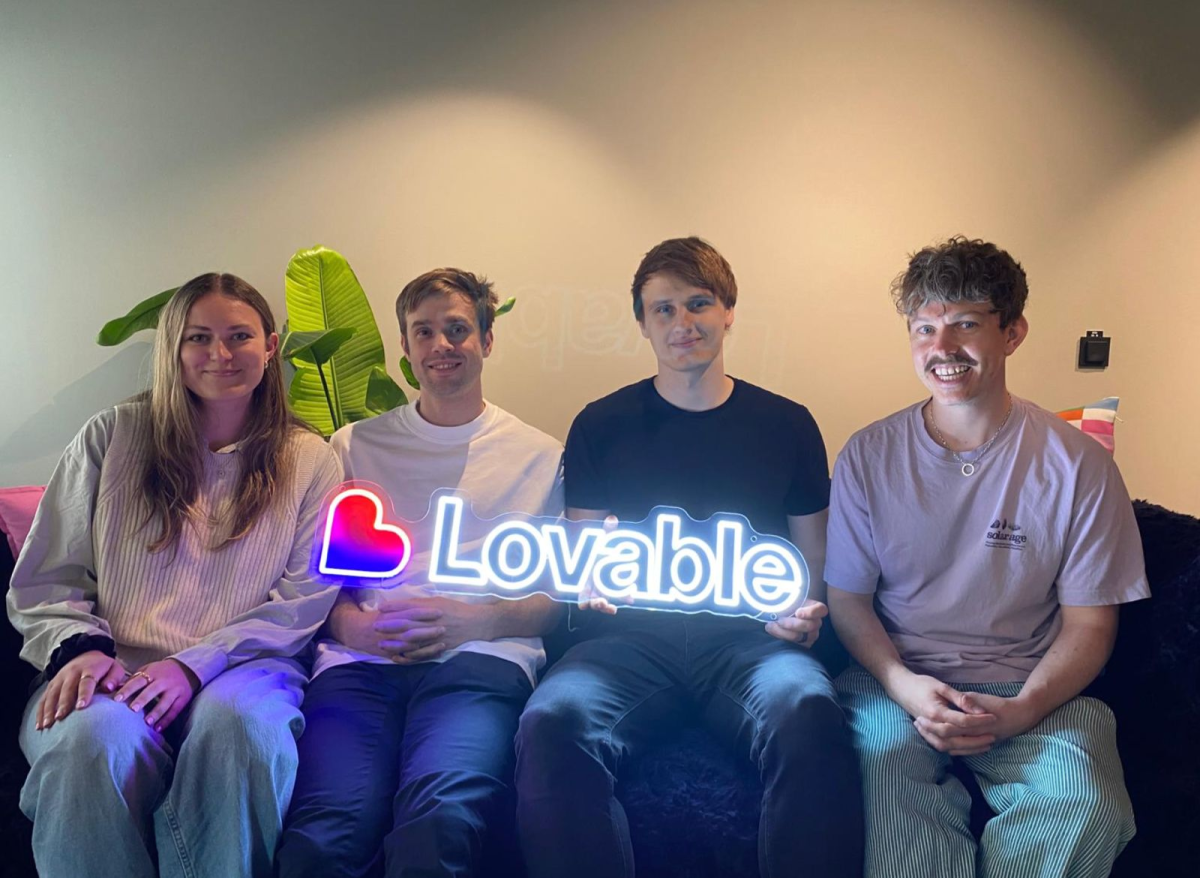
The software development world just witnessed something unprecedented. A European startup called Lovable reached $20 million in annual recurring revenue in just two months, making it potentially the fastest-growing startup in European history. But here's the twist that's making traditional software agencies nervous: they did it by giving non-technical founders the power to build full-stack applications without writing a single line of code. For years, the promise of no-code tools has been the same: anyone can build an app. But the reality has always been different. You'd create a beautiful frontend, get excited about your progress, and then hit the technical cliff. Suddenly you needed to configure databases, set up authentication, manage API keys, and deploy to servers. The "no-code" dream became a "hire-a-developer-anyway" nightmare.
In a medium filled with talented artists producing stunning work, making a claim about any series having the "best" art feels bold. Yet Nano Machine consistently delivers combat sequences so fluid, detailed, and visually innovative that even readers who don't typically care about martial arts stories find themselves captivated by the sheer spectacle on display. The series combines traditional murim aesthetics with futuristic sci-fi elements, creating a unique visual identity that stands apart from typical cultivation manhwa. The nano machine implanted in protagonist Cheon Yeo-Woon's body doesn't just give him power. It becomes a storytelling device that allows the artist to visualize techniques, energy flows, and combat analysis in ways other series can't replicate.
The manhwa community has been buzzing with anticipation ever since MAPPA Studio announced their adaptation of Omniscient Reader's Viewpoint. With a spring 2026 release date confirmed and 24 episodes planned for the first season, this adaptation represents one of the most ambitious manhwa-to-anime projects ever undertaken. But what makes this series so special that it warranted such a massive production commitment? If you're hearing about Omniscient Reader's Viewpoint for the first time or wondering whether the hype is justified, this guide will prepare you for what promises to be one of the biggest anime releases of the year. We'll cover the story premise, why it's captured millions of readers worldwide, what MAPPA's involvement means, and everything else you need to know before the first episode airs
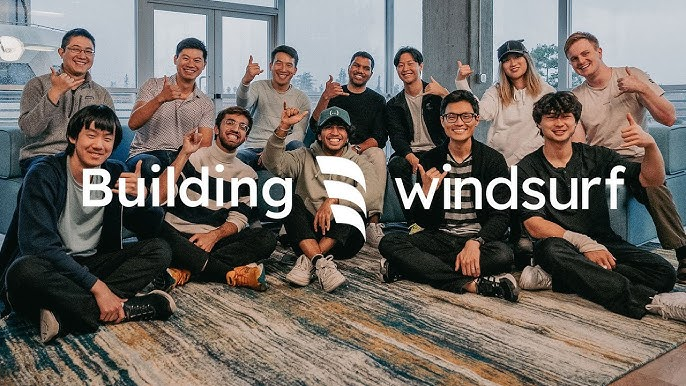
Developers have a new anxiety in 2026: token anxiety. You're in the middle of debugging a complex problem, the AI is helping you refactor three files simultaneously, and suddenly you wonder if this session is about to cost you $50. That mental tax slows you down and makes you second-guess using the tool you're paying for. Windsurf eliminated that anxiety with a simple decision: flat monthly pricing with no token limits. Fifteen dollars per month. Unlimited usage. No tracking credits or calculating costs per query. That pricing model sounds almost boring compared to the complex token systems other AI coding tools use, but boring is exactly what professional developers want when it comes to pricing. They want predictable costs and unlimited usage so they can focus on writing code instead of budgeting AI queries.
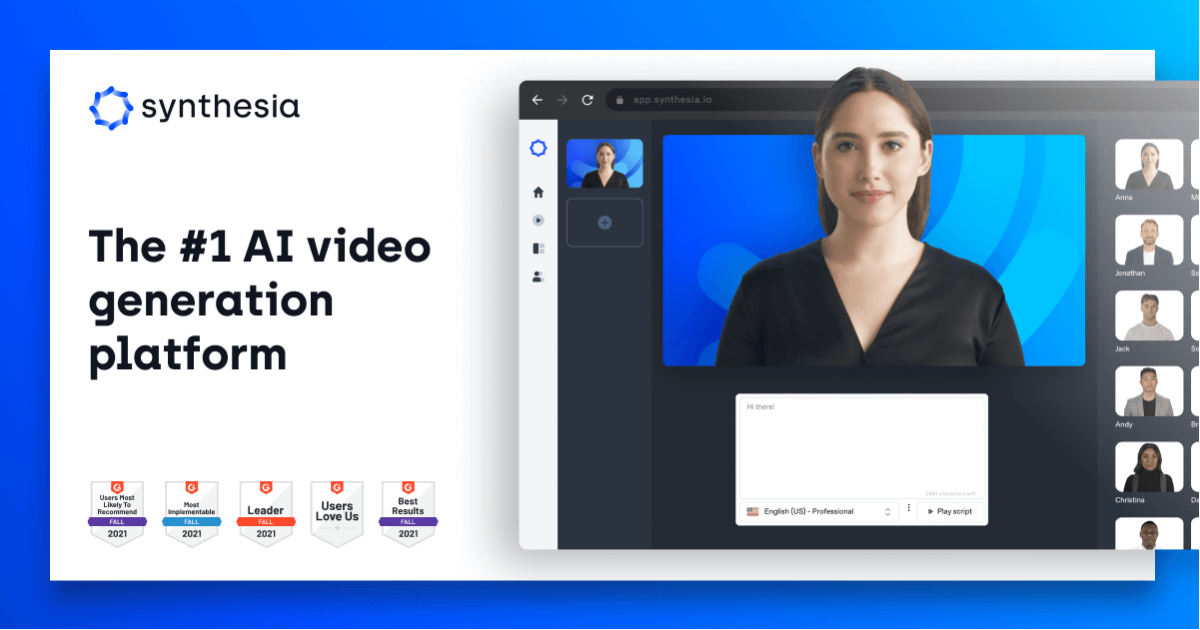
When a company raises $200 million in Series E funding during January 2026, investors are betting on more than potential. They're backing proven market demand and sustainable growth. Synthesia's funding round came alongside a 44% year-over-year increase in headcount to 706 employees, signaling aggressive expansion in a category the company essentially created: AI avatar-based video generation for enterprise training and communications. Corporate training videos have been expensive and slow to produce for decades. Recording a single 10-minute training module traditionally required booking a studio, hiring a presenter, scheduling a videographer, managing multiple takes, and editing everything together. If you needed to update information or translate content, you essentially started over. Synthesia eliminated this entire production workflow by replacing human presenters with AI avatars.
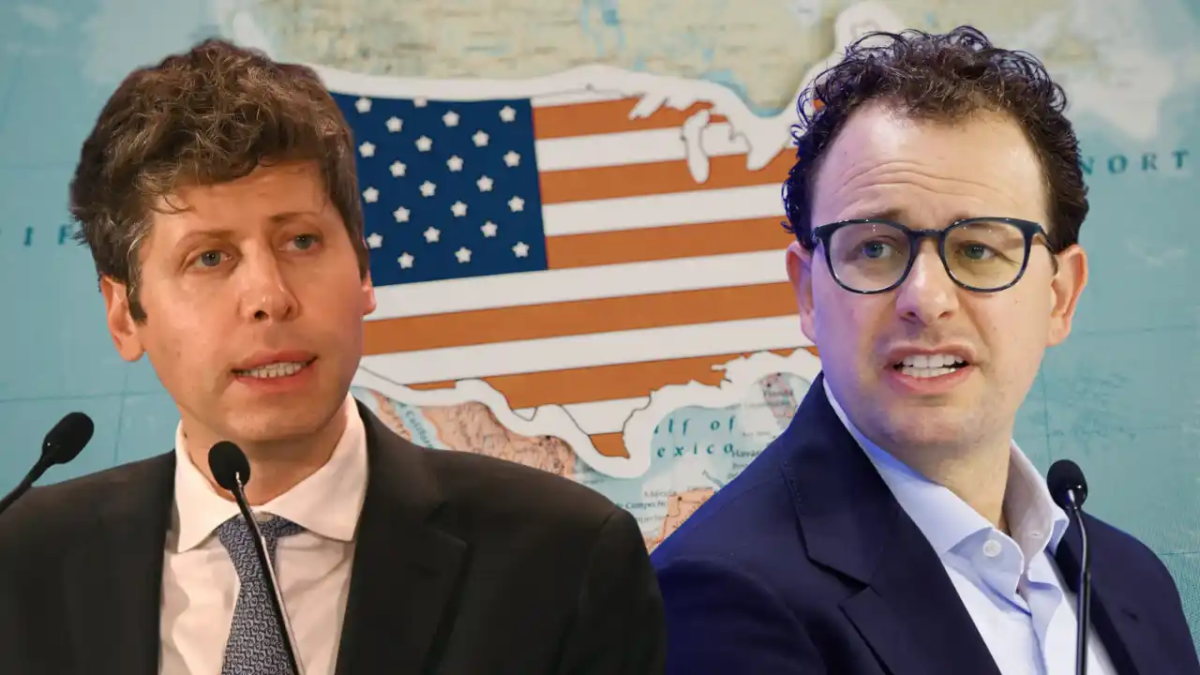
There's a photograph from February 2026 that pretty much sums up the state of AI right now. At the India AI Impact Summit in New Delhi, Indian Prime Minister Narendra Modi invited the world's tech leaders onstage for a group photo. Everyone held hands. Well, almost everyone. Sam Altman of OpenAI and Dario Amodei of Anthropic, standing right next to each other, refused to clasp hands and instead raised their fists separately. The internet, predictably, lost its mind. An awkward moment between OpenAI CEO Sam Altman and Anthropic CEO Dario Amodei at an AI Summit captured the increasingly icy relations between two rival tech leaders who started off as colleagues. That's not just petty drama. It's a window into what may be the most consequential corporate rivalry in the technology world right now, one that's playing out in boardrooms, courtrooms, Super Bowl ads, and billion-dollar compute deals all at once.
I work in education technology and the consistent character environments mentioned in the article are not a nice-to-have, they are the whole ballgame. Learners need to see the same character across multiple explainer segments.
Join independent creators, thought leaders, and storytellers to share your unique perspectives, and spark meaningful conversations.