The article makes a point I had not considered before, that Jaafar was the right fit for the specific film this production was always going to be. A different director or a different mandate might have needed a different actor.
21
Sign up to see more
SignupAlready a member?
LoginBy continuing, you agree to Sociomix's Terms of Service, Privacy Policy

The article makes a point I had not considered before, that Jaafar was the right fit for the specific film this production was always going to be. A different director or a different mandate might have needed a different actor.
Does this approach have any specific guidance for people over 60? Circadian rhythms and sleep patterns change with age and I wonder if the same window timing applies.
The detail that Suchan is hunting the killer because his work was plagiarized, not because of the murders themselves, is one of the most darkly funny protagonist motivations I have ever read in a thriller. Kim is operating on a different level.
As someone from a mechanical engineering background who felt locked out of tech careers, this article is genuinely motivating. HVAC and cooling system expertise is suddenly extremely valuable and I have spent years building it.
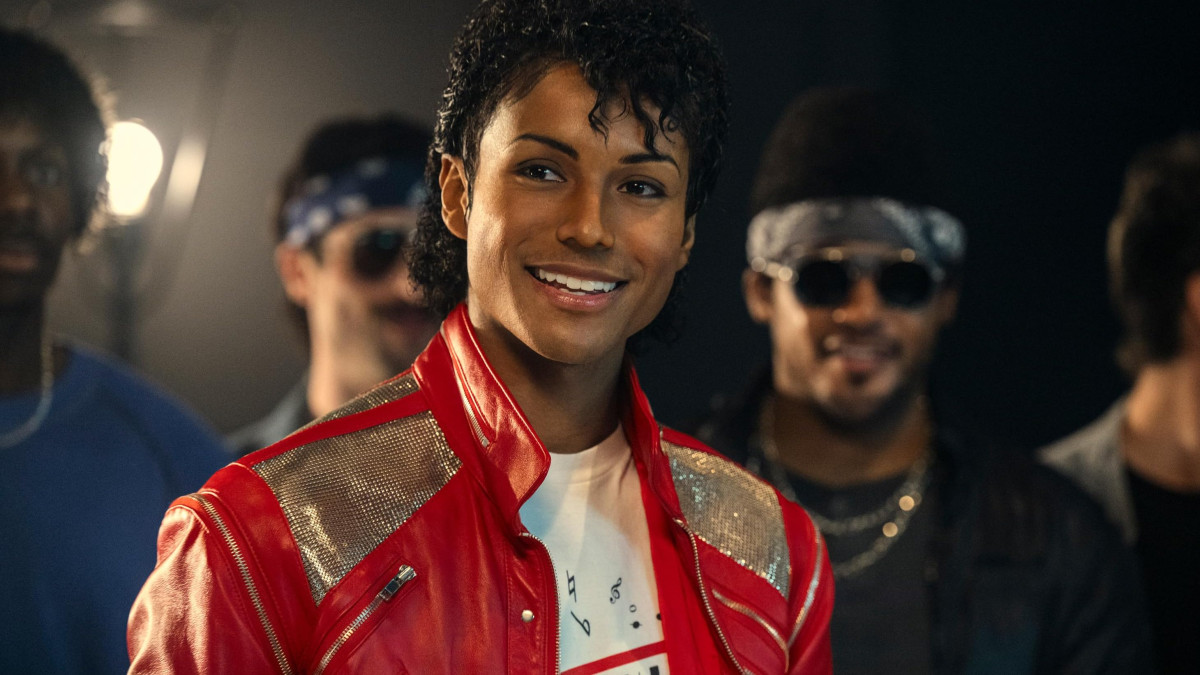
The Michael movie review verdict is in, and it is more complicated than the 26% Rotten Tomatoes score suggests. Antoine Fuqua's long-delayed Michael Jackson biopic, simply titled Michael, hit theaters this weekend with Jaafar Jackson playing his late uncle, and the critical response has been brutal. The BBC gave it one star. Roger Ebert's site called it a filmed playlist in search of a story. Yet early audience reactions on social media have been warmer, ticket pre-sales suggest an $80 million opening, and Variety thought it worked as an engrossing middle-of-the-road biopic. After tracking coverage across more than a dozen outlets over the past 48 hours, I think the honest answer to "should you watch this?" depends almost entirely on what you want from a music biopic, and this guide breaks down exactly what the film delivers, what it skips, and who will actually enjoy sitting through its two-hour-and-nine-minute runtime.
The article doesn't mention SSS-Class Revival Hunter and that is a genuine omission. A protagonist who has to die to gain powers creates tension that most overpowered protagonist stories completely lack.
When you think of murim manhwa, your mind probably conjures images of ancient martial arts sects, internal energy cultivation, and warriors battling with swords and bare fists in historical settings. Science fiction elements like outer space invasions, advanced technology, and apocalyptic scenarios belong to completely different stories. Return of the Demonic Instructor takes these seemingly incompatible genres and weaves them into something genuinely innovative. Released on Webtoon in January 2026, this series arrived at the perfect moment when readers were hungry for fresh takes on established formulas. The premise alone sounds wild. A murim world gets invaded by demons from outer space, forcing martial artists to adapt centuries-old techniques to fight extraterrestrial threats. Then throw in regression, magic systems, and apocalyptic survival elements for good measure.

Ten years before the invasion is the perfect window. Long enough to actually prepare, short enough that there's constant urgency.
For people on the fence, chapters one and two are a slow burn but chapter three completely changed my read on everything that came before. Give it at least that far.
In a manhwa landscape dominated by dungeon crawling, regression narratives, and power fantasies, The Greatest Estate Developer stands out by asking a simple question: what if the protagonist's greatest weapon wasn't a sword or magic system, but civil engineering knowledge? This bizarre premise transforms into one of the most entertaining, genuinely funny, and surprisingly heartfelt series currently running, proving that innovation in storytelling comes from unexpected places. The series takes the familiar isekai setup where a modern person finds themselves in a fantasy world and completely subverts expectations. Instead of becoming an adventurer or hero, protagonist Kim Suho uses his engineering knowledge to revolutionize construction, infrastructure, and economic development. What sounds like it should be boring becomes absolutely captivating through sharp writing, excellent comedic timing, and genuine passion for showing how infrastructure improves lives.

This is all cool but I tried Runway twice and gave up both times because the credit system is confusing and the UI feels designed for people who already know what they are doing. Barrier to entry for new users is real.
Hot take: vibe coding tools that ignore security are going to cause a crisis. The new v0 at least took that seriously by building compliance controls into the platform. Most competitors have not done that yet.
The freemium to paid conversion path described here is textbook product-led growth done right. Let the product prove itself before asking for money. The best SaaS companies have always known this.
The designer-developer relationship has been tense for decades. Designers create pixel-perfect mockups in Figma. Developers translate them to code and somehow everything looks slightly wrong. Fonts don't match. Spacing is inconsistent. Buttons have different corner radiuses. Both sides get frustrated, blame each other, and the product suffers. V0 by Vercel is fixing this problem by generating production-quality React components that look exactly like the designs. The rebrand from v0.dev to v0.app in January 2026 signaled expanded ambitions beyond just UI component generation. Vercel positioned the tool for full-stack web development, though its core strength remains frontend excellence. That strategic clarity matters because trying to be everything often means excelling at nothing. V0 chose to dominate the handoff between design and code before expanding into other areas.

Speaking from experience in cloud infrastructure, the real value of custom chips often shows up in ways that are hard to measure from outside. Things like tighter integration with networking fabric, better memory bandwidth utilization for specific workloads, and reduced licensing overhead can add up.
The benchmarks are basically a wash at this point. Both tools are within a couple percentage points of each other on most real tasks. Pricing and workflow fit matter more than model scores now.
The comparison between TikTok and Signal is unfair. Signal is a dedicated messaging app with privacy as its entire purpose. TikTok is a video entertainment platform. Most users are not thinking about encryption when they slide into someone's DMs to comment on a video.
Three million weekly users is a real number but it does not tell you anything about how much those users are actually relying on the tool versus dabbling. Revenue and retention tell the real story.
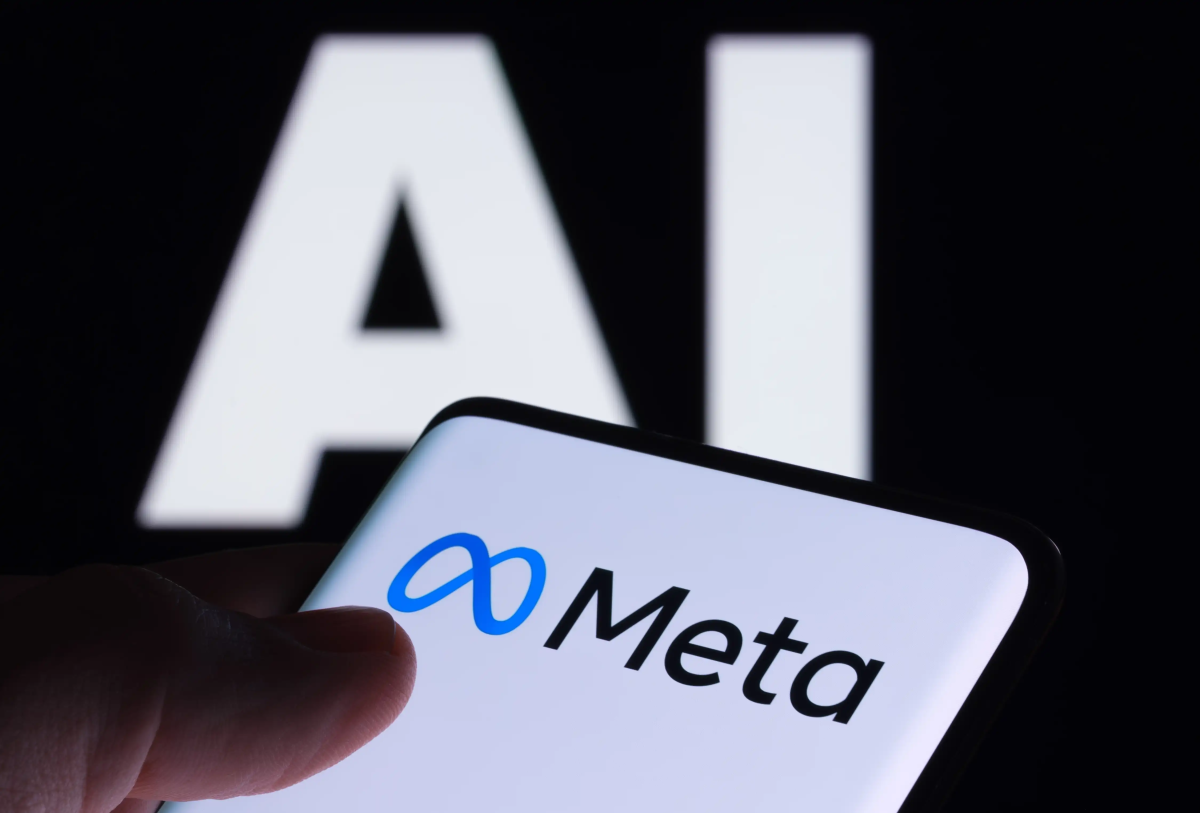
Meta has just had one of its most important AI moments yet and the early signals are hard to ignore. Following the launch of its newest AI model Muse Spark, the company’s standalone Meta AI app surged dramatically in popularity, hinting at a much larger shift that is beginning to take shape. The release is particularly significant because it marks the first major AI model rollout under Alexandr Wang, who joined Meta to reboot its AI strategy. This is not just another incremental update. It represents a more aggressive and focused push into the AI race. According to data from Appfigures, Meta AI jumped from number 57 to number 5 on the U.S. App Store within a day of the launch. That kind of movement rarely happens without a strong underlying pull from users. It signals not curiosity but intent.
The article mentions that the Strait of Hormuz handles roughly one fifth of global oil supply. That context is important. If Bitcoin becomes a recognized payment mechanism there, the addressable market argument changes entirely.