
Never been a boxing fan, picked this up because someone described it as existentialist fiction that happens to have punches in it. That description was completely accurate.
Sign up to see more
SignupAlready a member?
LoginBy continuing, you agree to Sociomix's Terms of Service, Privacy Policy

Never been a boxing fan, picked this up because someone described it as existentialist fiction that happens to have punches in it. That description was completely accurate.
Hot take but The Greatest Estate Developer deserves a top five spot purely on originality. Civil engineering in a fantasy setting is the freshest isekai premise I have seen in years.
ngl the hiatus situation is frustrating. every time it builds momentum something causes a delay.
The name localization thing is a real adjustment but it is standard practice for Japanese dubs of Korean properties. Solo Leveling did the same thing and after a few episodes you just adjust.
Midnight Studio's production quality on this is noticeably higher than average for a new Webtoon series. The panel composition during action scenes especially.
The Gen-4 Turbo option for rapid iteration is underrated in this writeup. When you are testing a dozen different concept directions, speed matters more than peak quality. Turbo lets you find the right direction before committing to a full render.
The regression subgenre has exploded in popularity over the past few years, becoming one of the most beloved narrative frameworks in Korean manhwa. The core premise is deceptively simple: a protagonist dies or fails catastrophically, then returns to an earlier point in time with their memories intact. Armed with future knowledge, they get a second chance to change their fate, save loved ones, gain power, or pursue revenge against those who wronged them. What makes regression stories so compelling is the combination of dramatic irony, strategic satisfaction, and emotional depth they provide. Readers know what the protagonist knows, creating tension when other characters make mistakes we can see coming. We feel smart alongside protagonists who use foreknowledge to outmaneuver enemies. And we experience the emotional weight of carrying memories of futures that haven't happened yet, of people who died who are currently alive, of betrayals that haven't occurred.
The point about asking fewer exploratory questions with usage-based pricing really resonates. You curate your queries instead of thinking out loud with the AI, and that fundamentally changes the workflow.
In a manhwa landscape dominated by dungeon crawling, regression narratives, and power fantasies, The Greatest Estate Developer stands out by asking a simple question: what if the protagonist's greatest weapon wasn't a sword or magic system, but civil engineering knowledge? This bizarre premise transforms into one of the most entertaining, genuinely funny, and surprisingly heartfelt series currently running, proving that innovation in storytelling comes from unexpected places. The series takes the familiar isekai setup where a modern person finds themselves in a fantasy world and completely subverts expectations. Instead of becoming an adventurer or hero, protagonist Kim Suho uses his engineering knowledge to revolutionize construction, infrastructure, and economic development. What sounds like it should be boring becomes absolutely captivating through sharp writing, excellent comedic timing, and genuine passion for showing how infrastructure improves lives.
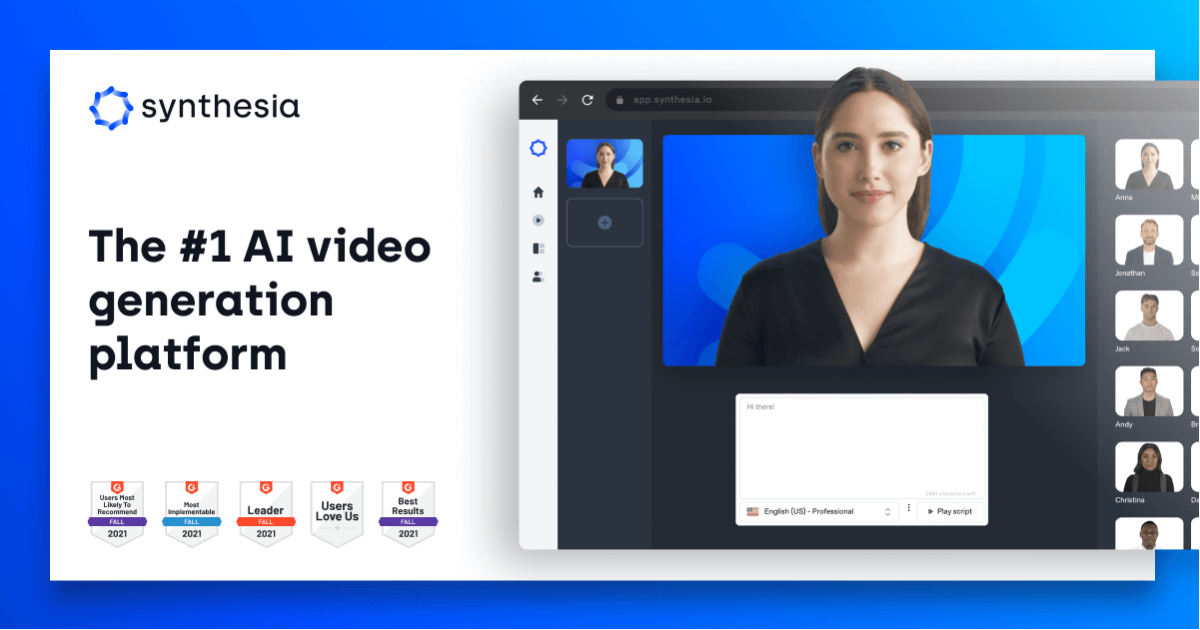
When a company raises $200 million in Series E funding during January 2026, investors are betting on more than potential. They're backing proven market demand and sustainable growth. Synthesia's funding round came alongside a 44% year-over-year increase in headcount to 706 employees, signaling aggressive expansion in a category the company essentially created: AI avatar-based video generation for enterprise training and communications. Corporate training videos have been expensive and slow to produce for decades. Recording a single 10-minute training module traditionally required booking a studio, hiring a presenter, scheduling a videographer, managing multiple takes, and editing everything together. If you needed to update information or translate content, you essentially started over. Synthesia eliminated this entire production workflow by replacing human presenters with AI avatars.
One thing nobody is talking about: what does this do to the consulting and agency industry? Small dev shops charging $150 an hour to build basic business apps are in a genuinely difficult position. The price floor for custom software is collapsing.
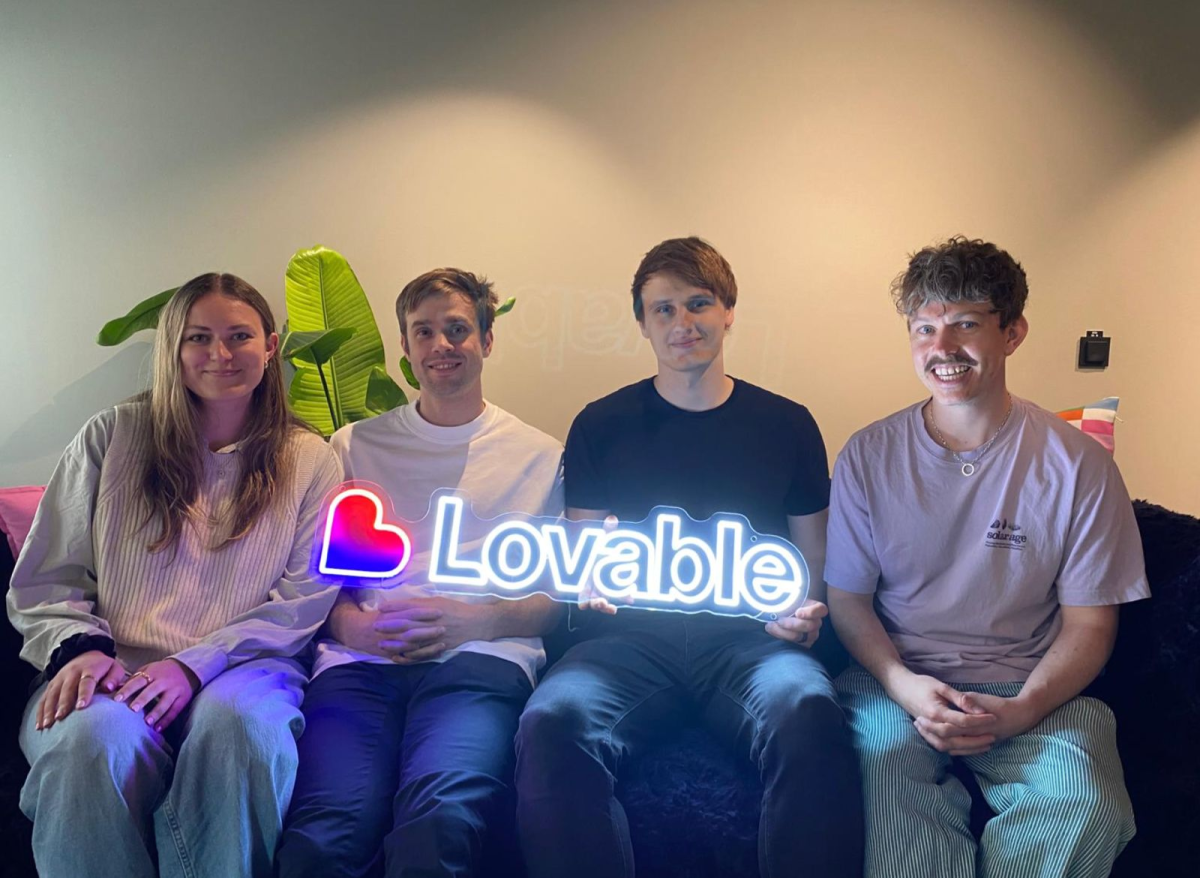
The software development world just witnessed something unprecedented. A European startup called Lovable reached $20 million in annual recurring revenue in just two months, making it potentially the fastest-growing startup in European history. But here's the twist that's making traditional software agencies nervous: they did it by giving non-technical founders the power to build full-stack applications without writing a single line of code. For years, the promise of no-code tools has been the same: anyone can build an app. But the reality has always been different. You'd create a beautiful frontend, get excited about your progress, and then hit the technical cliff. Suddenly you needed to configure databases, set up authentication, manage API keys, and deploy to servers. The "no-code" dream became a "hire-a-developer-anyway" nightmare.
Wait, if the model behaves differently when it thinks it is being evaluated versus when it is in deployment, how do we actually know what we are getting when we use it day to day? That seems like a foundational trust problem worth taking seriously.
Meta has just had one of its most important AI moments yet and the early signals are hard to ignore. Following the launch of its newest AI model Muse Spark, the company’s standalone Meta AI app surged dramatically in popularity, hinting at a much larger shift that is beginning to take shape. The release is particularly significant because it marks the first major AI model rollout under Alexandr Wang, who joined Meta to reboot its AI strategy. This is not just another incremental update. It represents a more aggressive and focused push into the AI race. According to data from Appfigures, Meta AI jumped from number 57 to number 5 on the U.S. App Store within a day of the launch. That kind of movement rarely happens without a strong underlying pull from users. It signals not curiosity but intent.
For winter I'd add a black blazer and maybe switch to burgundy pumps. Would look so sophisticated!