
The 2026 aging study mentioned in this post is the finding that really stopped me. Biological aging across organ systems being linked to meal timing, not just calories, is a genuinely different kind of argument for changing when you eat.
Sign up to see more
SignupAlready a member?
LoginBy continuing, you agree to Sociomix's Terms of Service, Privacy Policy
Sign up to see more
SignupAlready a member?
LoginBy continuing, you agree to Sociomix's Terms of Service, Privacy Policy

The 2026 aging study mentioned in this post is the finding that really stopped me. Biological aging across organ systems being linked to meal timing, not just calories, is a genuinely different kind of argument for changing when you eat.
What I want to know is whether Jaafar's own singing voice is in the film at all or if it is entirely Michael's original recordings.
The article talks about Korean storytelling bringing fresh perspectives but does not engage with the fact that a lot of these premises, regression, system integration, hidden power, are just as formulaic as the manga genres they are supposedly refreshing.
Does anyone else think the King of Hell arc genuinely elevates this beyond a pure comedy? The stakes feel real in a way that sneaks up on you.
In a manhwa landscape dominated by dungeon crawling, regression narratives, and power fantasies, The Greatest Estate Developer stands out by asking a simple question: what if the protagonist's greatest weapon wasn't a sword or magic system, but civil engineering knowledge? This bizarre premise transforms into one of the most entertaining, genuinely funny, and surprisingly heartfelt series currently running, proving that innovation in storytelling comes from unexpected places. The series takes the familiar isekai setup where a modern person finds themselves in a fantasy world and completely subverts expectations. Instead of becoming an adventurer or hero, protagonist Kim Suho uses his engineering knowledge to revolutionize construction, infrastructure, and economic development. What sounds like it should be boring becomes absolutely captivating through sharp writing, excellent comedic timing, and genuine passion for showing how infrastructure improves lives.
Windsurf just raised their Pro price from $15 to $20 and switched from credits to daily and weekly quotas in March 2026. This article is already outdated and the headline is misleading.
Calling it now, if this gets an anime the construction montages with good background music are going to go absolutely viral.
The broader trend this fits into is the move toward what some are calling vibe editing, where you describe your creative intent and AI handles the technical execution. Descript with Underlord is the most complete example of that right now.
When a company raises $200 million in Series E funding during January 2026, investors are betting on more than potential. They're backing proven market demand and sustainable growth. Synthesia's funding round came alongside a 44% year-over-year increase in headcount to 706 employees, signaling aggressive expansion in a category the company essentially created: AI avatar-based video generation for enterprise training and communications. Corporate training videos have been expensive and slow to produce for decades. Recording a single 10-minute training module traditionally required booking a studio, hiring a presenter, scheduling a videographer, managing multiple takes, and editing everything together. If you needed to update information or translate content, you essentially started over. Synthesia eliminated this entire production workflow by replacing human presenters with AI avatars.
The AI video generation race just got a clear winner. Runway Gen-4.5 topped the Video Arena leaderboard with a 1,247 Elo score, surpassing both Google Veo 3 and OpenAI Sora 2. For those unfamiliar with Elo ratings, this is the same system used to rank chess players and competitive games. A higher score means more wins in head-to-head comparisons. When real users compare videos side by side without knowing which AI generated them, they consistently choose Runway's output. Runway didn't start as an enterprise video tool. It began as a playground for artists and filmmakers who wanted to experiment with AI-generated visuals. The early versions produced fascinating but inconsistent results. Sometimes you'd get stunning cinematic footage. Other times you'd get distorted motion and unrealistic physics. Gen-4.5 changed that equation by achieving breakthrough consistency in motion quality and physical accuracy.
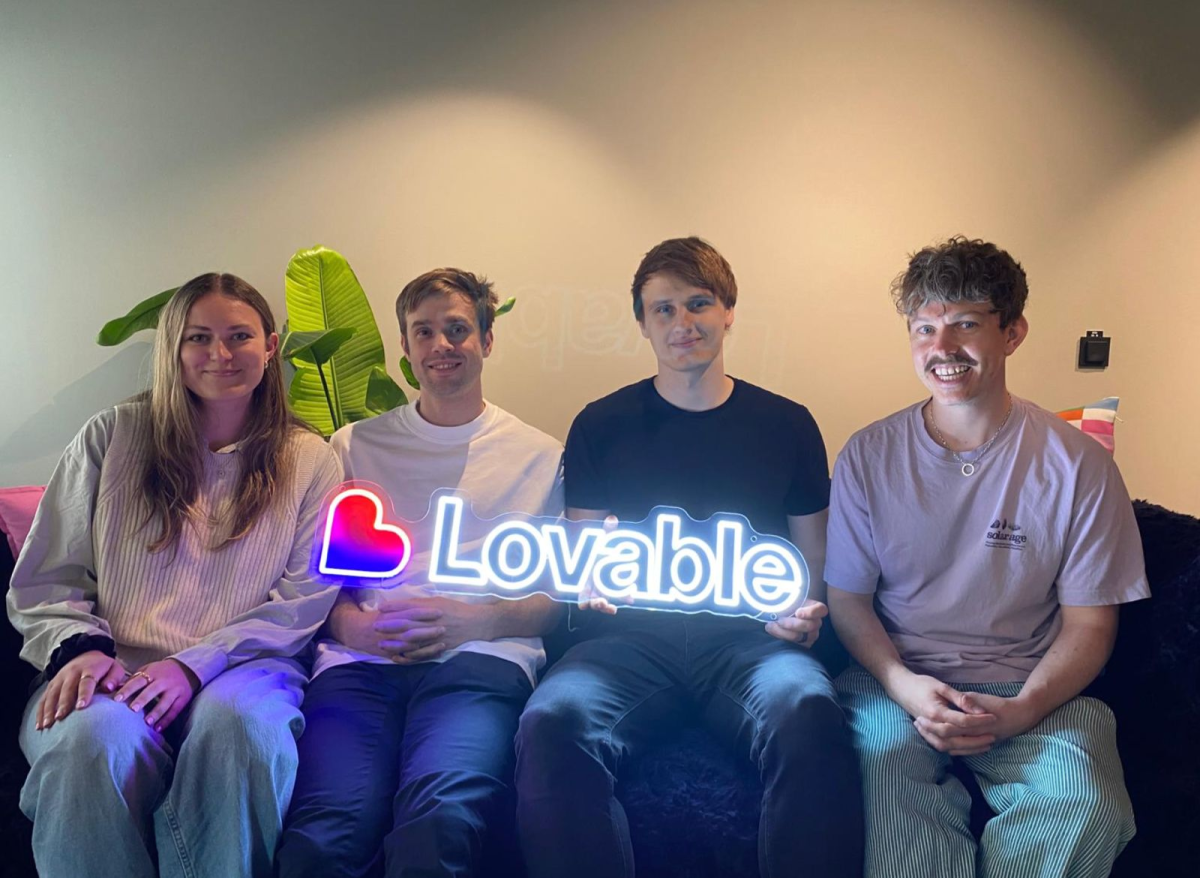
The software development world just witnessed something unprecedented. A European startup called Lovable reached $20 million in annual recurring revenue in just two months, making it potentially the fastest-growing startup in European history. But here's the twist that's making traditional software agencies nervous: they did it by giving non-technical founders the power to build full-stack applications without writing a single line of code. For years, the promise of no-code tools has been the same: anyone can build an app. But the reality has always been different. You'd create a beautiful frontend, get excited about your progress, and then hit the technical cliff. Suddenly you needed to configure databases, set up authentication, manage API keys, and deploy to servers. The "no-code" dream became a "hire-a-developer-anyway" nightmare.
What happens when the platform has downtime and your production app is relying on their infrastructure? That dependency is a real business risk that nobody building on these platforms is talking about honestly.
The fact that every bank CEO who attended declined to say anything to the press tells you everything about the severity of what was presented in that room.
Not gonna lie, the subscription tier sprawl from OpenAI is getting exhausting. Free, Go, Plus, $100 Pro, $200 Pro. Just tell me what I get and what it costs without needing a comparison spreadsheet.
Can someone explain to me why the Iran Bitcoin payment news moved markets this much when there has been zero official confirmation from the Iranian government?
The article is right that this is more than just typo fixing. It is about reducing the friction and anxiety around contributing to public conversations. Knowing you have a grace period changes how boldly you are willing to comment in the first place.
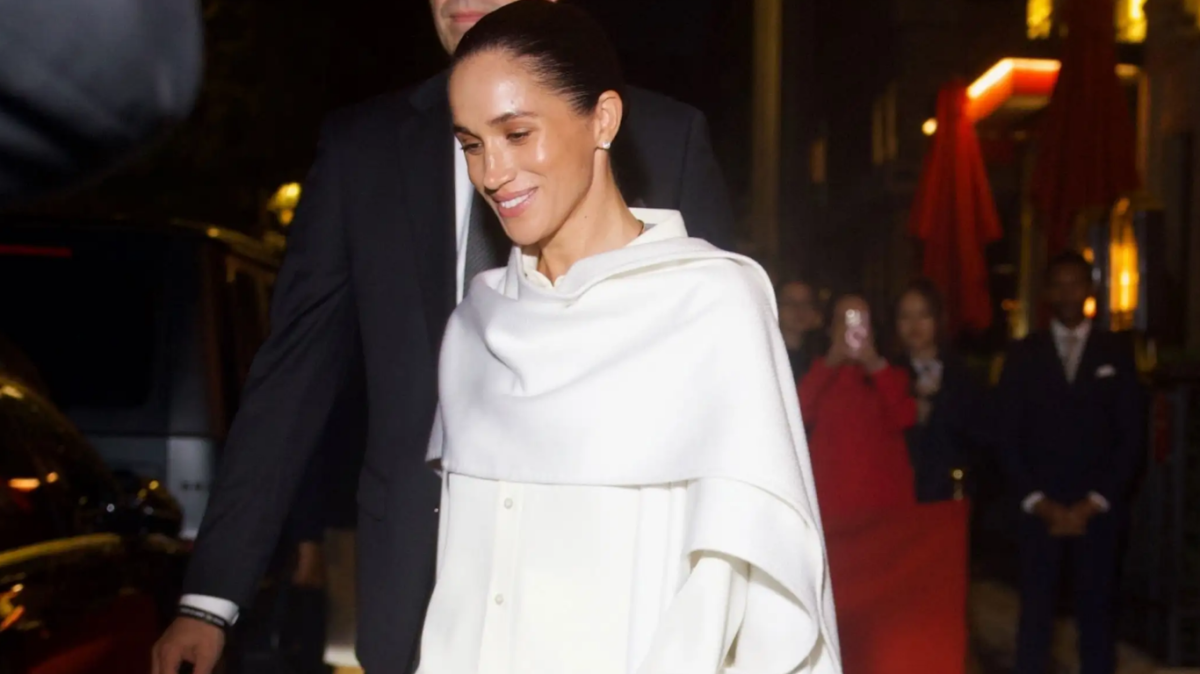
When you hear “Paris Fashion Week,” your mind races to haute couture, bold statements, and the world’s most glamorous attendees. But on October 4, 2025, the scene got a surprise guest—Meghan Markle, making what might be her most talked-about entrance yet. To call it a “debut” feels almost too neat, as if she’s stepping into a world she’s never touched. Yet, Meghan’s gradual evolution as a style influencer has been anything but accidental. Her Paris moment isn’t just celebrity spectacle; it’s a statement, a pivot, and a nuanced step into a new chapter. Here’s my take on why this matters.
The way the high waist flows into those beautiful embroidered hems is just perfect.
Join independent creators, thought leaders, and storytellers to share your unique perspectives, and spark meaningful conversations.