
Does lion's mane mushroom actually work for focus or is it mostly hype at this point? Genuinely curious because I see it in everything now.
5
Sign up to see more
SignupAlready a member?
LoginBy continuing, you agree to Sociomix's Terms of Service, Privacy Policy

Does lion's mane mushroom actually work for focus or is it mostly hype at this point? Genuinely curious because I see it in everything now.
That distinction is everything. Wanting credit is such a small, recognizable, embarrassingly human motivation. Kim weaponizing it as the engine for a serial killer thriller is genuinely brilliant.
The Michael movie review verdict is in, and it is more complicated than the 26% Rotten Tomatoes score suggests. Antoine Fuqua's long-delayed Michael Jackson biopic, simply titled Michael, hit theaters this weekend with Jaafar Jackson playing his late uncle, and the critical response has been brutal. The BBC gave it one star. Roger Ebert's site called it a filmed playlist in search of a story. Yet early audience reactions on social media have been warmer, ticket pre-sales suggest an $80 million opening, and Variety thought it worked as an engrossing middle-of-the-road biopic. After tracking coverage across more than a dozen outlets over the past 48 hours, I think the honest answer to "should you watch this?" depends almost entirely on what you want from a music biopic, and this guide breaks down exactly what the film delivers, what it skips, and who will actually enjoy sitting through its two-hour-and-nine-minute runtime.

58 percent of datacenter managers say multiskilled operators are their top growth area. That stat alone should make every generalist IT person reconsider their career path.
Every opponent in this series is technically the hero of their own story and Yu is the disaster that ends it. The series running nearly 123 episodes of that structure without it becoming repetitive is an extraordinary achievement.
The article is correct that this is the standard other series should aspire to. Whether it is currently the best is a fun argument. That it has raised the bar is not really arguable.
The series is ongoing with a solid chapter count already available so there is plenty to read before you catch up to the current release schedule.
The article frames the silence as MAPPA being careful and collaborative but that is editorializing a situation where we genuinely do not know what is happening in production.
Lezhin has historically been more comfortable with adult content and morally complex narratives so creators who want to tell darker or more nuanced BL stories tend to gravitate there. The platform's tolerance for ambiguity is basically a feature.
Developers have been telling designers for years that their mockups are not realistic. Designers have been telling developers that the implementation is sloppy. Both are partially right. v0 is interesting because it sidesteps the blame entirely.
That dynamic is basically the BL genre promise compressed into a single character relationship. The tension between danger and desire is not incidental to the romance. It is the romance.
Can someone explain how the security actually works at scale though? Row-level security through Supabase sounds fine for an MVP but what about a production app with 50,000 users and sensitive data?
As someone who has read a lot of psychological fiction across different mediums, the way this series handles trauma accumulation is unusually sophisticated. Most stories treat repeated trauma as something you just power through. This one treats it as something that reshapes you whether you want it to or not.
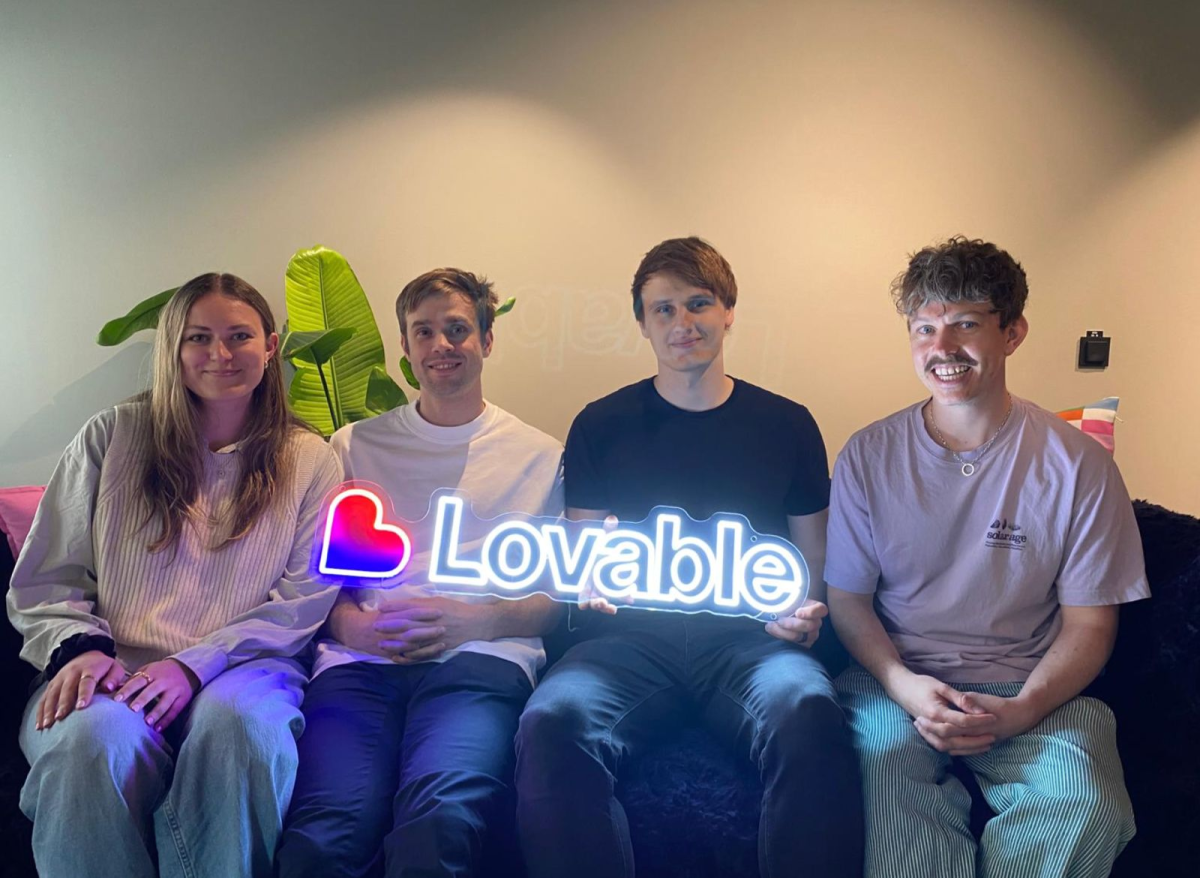
The software development world just witnessed something unprecedented. A European startup called Lovable reached $20 million in annual recurring revenue in just two months, making it potentially the fastest-growing startup in European history. But here's the twist that's making traditional software agencies nervous: they did it by giving non-technical founders the power to build full-stack applications without writing a single line of code. For years, the promise of no-code tools has been the same: anyone can build an app. But the reality has always been different. You'd create a beautiful frontend, get excited about your progress, and then hit the technical cliff. Suddenly you needed to configure databases, set up authentication, manage API keys, and deploy to servers. The "no-code" dream became a "hire-a-developer-anyway" nightmare.
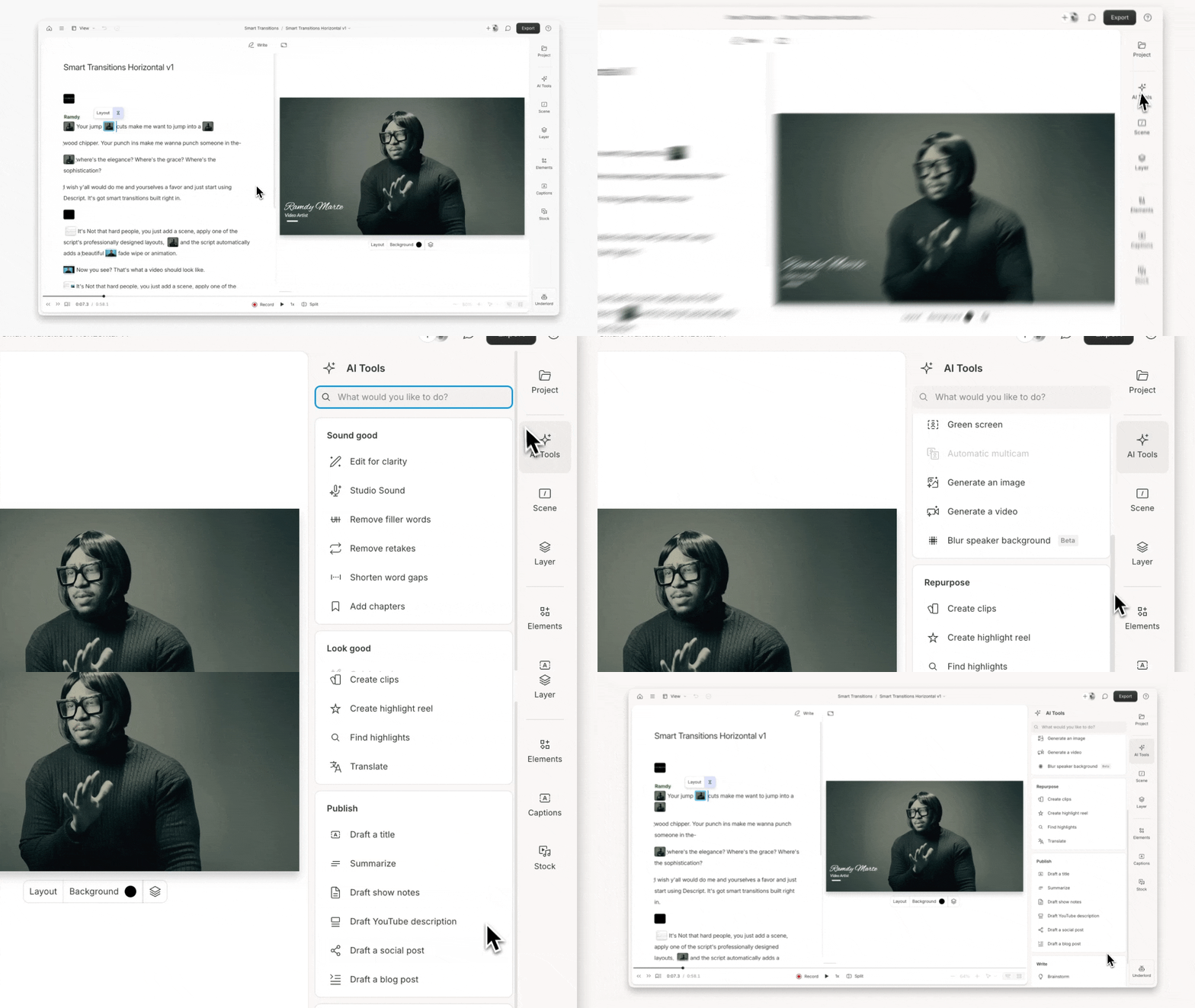
Most people can edit a Google Doc. Delete some words, rearrange sentences, fix typos, add paragraphs. It's intuitive and requires no special training. Now imagine editing video the same way. That's Descript's core innovation, and it transformed video editing from a specialized skill requiring expensive software into something anyone who can edit text can do effectively. Descript started as a transcription tool for podcasters. Record your podcast, upload it to Descript, and get an accurate transcript for show notes. But the founders realized something bigger. If you have a perfect transcript synchronized to audio, you can edit the audio by editing the text. Delete a word from the transcript and that word disappears from the audio. That insight became the foundation for a complete editing platform.
Dario left OpenAI over safety concerns and then built a company that just convinced Apple, Microsoft, Google, Nvidia, Amazon, Cisco, and JPMorgan to all join a cybersecurity partnership together. Whatever you think of the rivalry drama, that is a remarkable outcome for someone who walked away from a VP of Research job.
The Mythos name is such a choice. Very much not a subtle signal about what they think they've built.
The designer-developer relationship has been tense for decades. Designers create pixel-perfect mockups in Figma. Developers translate them to code and somehow everything looks slightly wrong. Fonts don't match. Spacing is inconsistent. Buttons have different corner radiuses. Both sides get frustrated, blame each other, and the product suffers. V0 by Vercel is fixing this problem by generating production-quality React components that look exactly like the designs. The rebrand from v0.dev to v0.app in January 2026 signaled expanded ambitions beyond just UI component generation. Vercel positioned the tool for full-stack web development, though its core strength remains frontend excellence. That strategic clarity matters because trying to be everything often means excelling at nothing. V0 chose to dominate the handoff between design and code before expanding into other areas.
Whether you like her or not, the level of scrutiny applied to every physical gesture she makes in public is exhausting to observe. Let the woman watch a runway show.
Not buying the whole organic spontaneous narrative. Everything she does is calculated and that is fine, powerful women plan. But let us not pretend this just happened.