
Estate-approved biopics are basically a subgenre at this point. You get the music, you get the performance, you get a version of the life story that has been pre-approved for palatability. Michael is just the most expensive example so far.
Sign up to see more
SignupAlready a member?
LoginBy continuing, you agree to Sociomix's Terms of Service, Privacy Policy
Sign up to see more
SignupAlready a member?
LoginBy continuing, you agree to Sociomix's Terms of Service, Privacy Policy

Estate-approved biopics are basically a subgenre at this point. You get the music, you get the performance, you get a version of the life story that has been pre-approved for palatability. Michael is just the most expensive example so far.
The creators behind some of Webtoon's most successful psychological thrillers have returned with a series that's already generating intense discussion across manhwa communities. For fans who've been following the horror and thriller genre on digital platforms, Carnby Kim and Youngchan Hwang need no introduction. Their latest collaboration tackles themes of artistic plagiarism, obsession, and murder in ways that feel disturbingly relevant to current conversations about creative theft and AI-generated content. This guide covers everything you need to know about Copycat, from its premise and release schedule to how it compares with their previous masterpieces like Sweet Home and Bastard.
The military veteran pipeline is real and it is smart. A lot of ex-military folks already understand mission-critical operations, redundant systems thinking, and the discipline that keeps 99.999 percent uptime achievable.
Can someone confirm whether The Hero Returns has a confirmed studio attached? The article just describes the premise without mentioning production details, which makes it hard to gauge actual anticipation.
Everything the article says about the demons being a civilization with strategic logic is accurate and it makes the series more unsettling than most action manhwa. A thinking enemy that adapts is infinitely scarier than monsters.
Hot take but Second Life Ranker gets way more credit than it deserves. The pocket watch mechanic is a smart narrative device but the story eventually turns into a pure power escalation fest that forgets its own emotional core.
Counterpoint, the nano machine conveniently solves every problem the plot creates for Cheon Yeo-Woon and at some point that removes tension. The art is excellent but the power scaling is not as thoughtfully handled as the article implies.
In a manhwa landscape dominated by dungeon crawling, regression narratives, and power fantasies, The Greatest Estate Developer stands out by asking a simple question: what if the protagonist's greatest weapon wasn't a sword or magic system, but civil engineering knowledge? This bizarre premise transforms into one of the most entertaining, genuinely funny, and surprisingly heartfelt series currently running, proving that innovation in storytelling comes from unexpected places. The series takes the familiar isekai setup where a modern person finds themselves in a fantasy world and completely subverts expectations. Instead of becoming an adventurer or hero, protagonist Kim Suho uses his engineering knowledge to revolutionize construction, infrastructure, and economic development. What sounds like it should be boring becomes absolutely captivating through sharp writing, excellent comedic timing, and genuine passion for showing how infrastructure improves lives.
Is the Regressor Instruction Manual still ongoing or did it finish? Asking because I want to know whether to start now or wait for more chapters to build up.
Something the article didn't fully address is how the secondary characters are developing. Some of them who Bigang is training feel like they could carry their own arcs.
What I appreciate is the try before you buy model. Every AI tool should offer enough free usage to actually complete a meaningful task, not just a toy demo. The 25 prompt credit floor is reasonable.
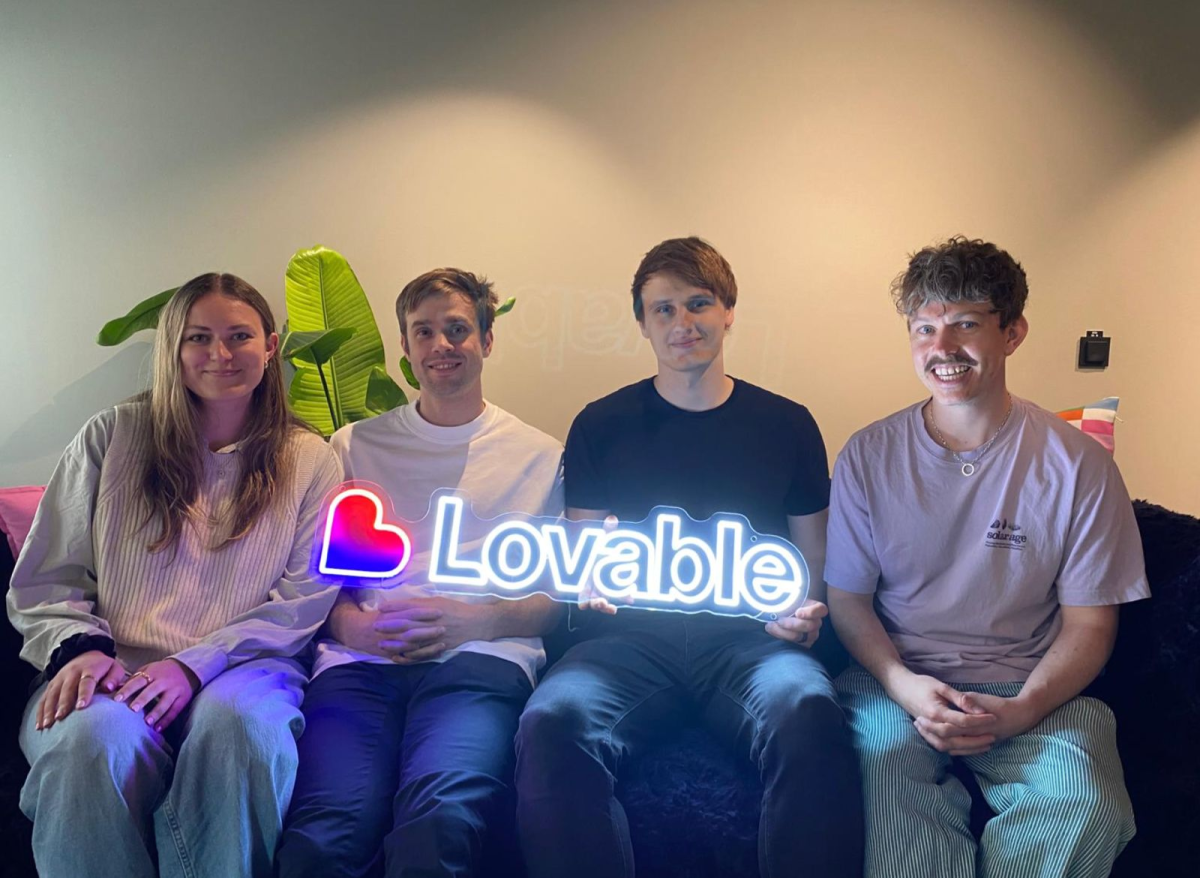
The software development world just witnessed something unprecedented. A European startup called Lovable reached $20 million in annual recurring revenue in just two months, making it potentially the fastest-growing startup in European history. But here's the twist that's making traditional software agencies nervous: they did it by giving non-technical founders the power to build full-stack applications without writing a single line of code. For years, the promise of no-code tools has been the same: anyone can build an app. But the reality has always been different. You'd create a beautiful frontend, get excited about your progress, and then hit the technical cliff. Suddenly you needed to configure databases, set up authentication, manage API keys, and deploy to servers. The "no-code" dream became a "hire-a-developer-anyway" nightmare.
Does the agent handle authentication flows well? That is always where I get tripped up on side projects. Building a basic CRUD app is fine but once you add login, permissions, and session management things get messy fast.
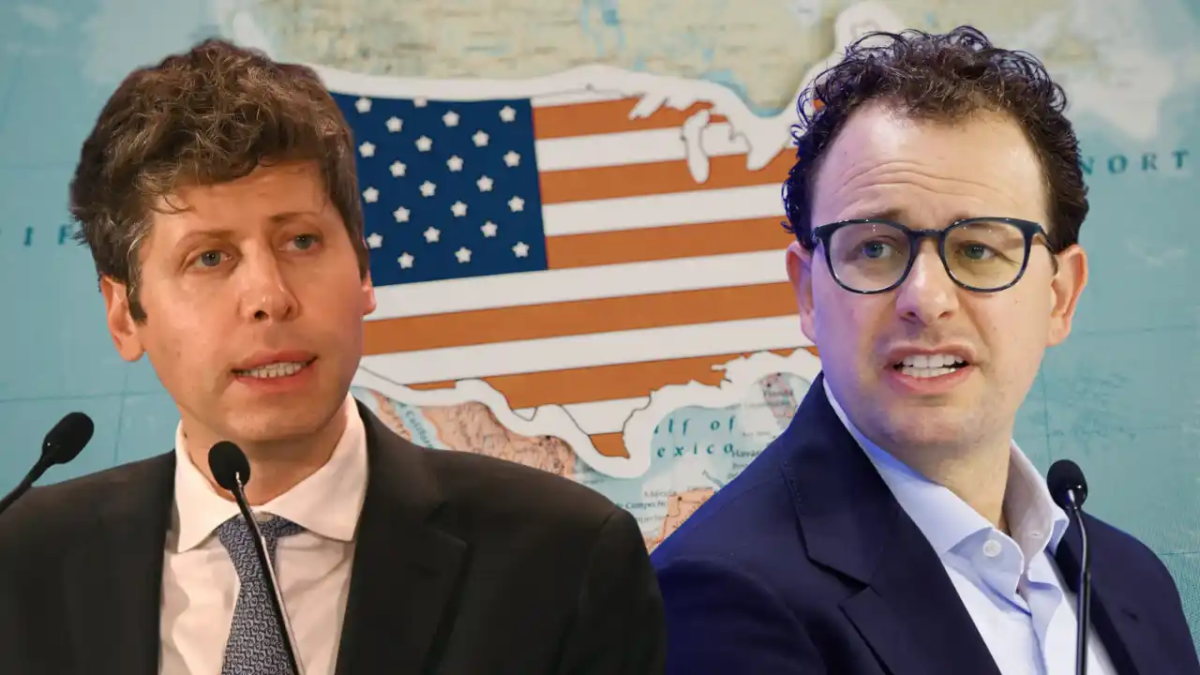
There's a photograph from February 2026 that pretty much sums up the state of AI right now. At the India AI Impact Summit in New Delhi, Indian Prime Minister Narendra Modi invited the world's tech leaders onstage for a group photo. Everyone held hands. Well, almost everyone. Sam Altman of OpenAI and Dario Amodei of Anthropic, standing right next to each other, refused to clasp hands and instead raised their fists separately. The internet, predictably, lost its mind. An awkward moment between OpenAI CEO Sam Altman and Anthropic CEO Dario Amodei at an AI Summit captured the increasingly icy relations between two rival tech leaders who started off as colleagues. That's not just petty drama. It's a window into what may be the most consequential corporate rivalry in the technology world right now, one that's playing out in boardrooms, courtrooms, Super Bowl ads, and billion-dollar compute deals all at once.
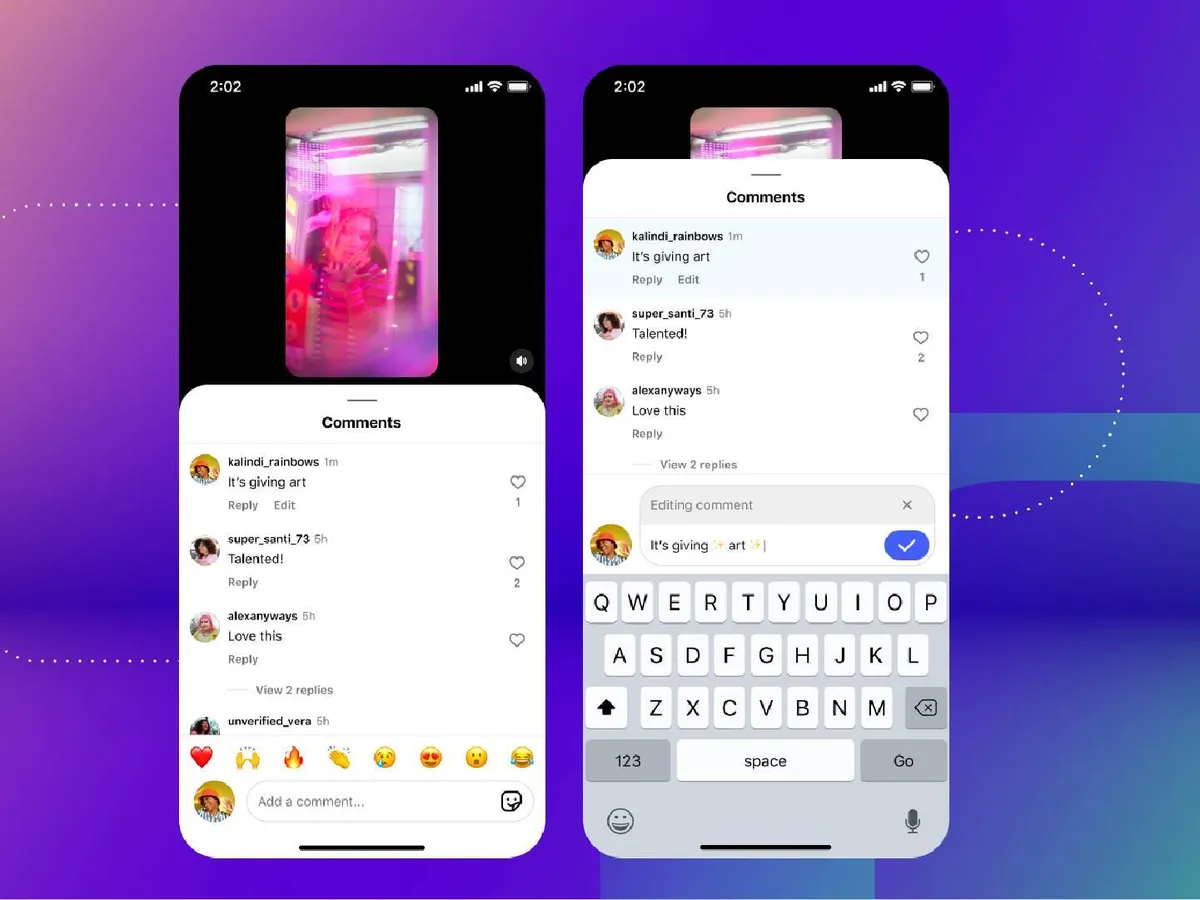
Instagram has rolled out a small but long overdue feature that users have been asking for years. You can now edit your comments after posting them. This simple change solves a very real frustration. Until now, fixing even the smallest typo meant deleting your comment and writing it all over again. That friction is finally gone. But there is a boundary. You get a 15 minute window after posting to make edits. Within that time, you can update your comment as many times as you want. There is also a layer of transparency built in. Once a comment is edited, others will be able to see that it has been modified. However, unlike platforms such as iMessage, Instagram does not show the edit history. What was originally written stays hidden.
Real talk, the way the fashion press covered this was split pretty evenly between the clothes and the celebrity, which tells you the balance was actually right. Shows where the celebrity swamps the fashion are a red flag. This felt like both mattered.
Anna Wintour was also in that front row. If she is there, the show matters. Full stop.
I'm thinking of getting these pants but in sage green. Would the cat tee still work with that color?
This reminds me to get my white blouse professionally cleaned - nothing worse than a dingy white shirt!
Join independent creators, thought leaders, and storytellers to share your unique perspectives, and spark meaningful conversations.