That is genuinely one of the best analogies I've read for this topic. Going to use that.
8
Sign up to see more
SignupAlready a member?
LoginBy continuing, you agree to Sociomix's Terms of Service, Privacy Policy
That is genuinely one of the best analogies I've read for this topic. Going to use that.
Not sure I fully agree that Copycat pacing is faster than Bastard. Bastard had a brutal first chapter hook that still haunts me. These feel pretty comparable in terms of immediate threat establishment.
Speaking from experience in project management for critical infrastructure, the people who can manage complex MEP integration for high-density compute environments are among the most sought after people in any market right now.
The fact that the Solo Leveling franchise topped charts consistently from 2019 through 2024 on major platforms tells you this isn't a one-hit trend. Ragnarok is a continuation of something with real staying power.
Fourteen chapters into a reread and catching setups from earlier chapters that pay off forty chapters later. The craft in this thing is serious.
YA rating threw me off too. The emotional content is definitely heavier than most YA I have read. Maybe the absence of graphic violence or explicit content keeps it in that category technically.
Lorin is the character I am most curious about honestly. The love interest whose love letters are being ghostwritten is either deeply tragic or deeply manipulative and the article wisely does not commit to which reading is correct.
Hard disagree that this is the darkest release of 2026. Dark in tone yes, but there is a stability to the protagonist that keeps it from feeling hopeless. Darkness implies despair and Skeleton Messenger feels more like resignation, which is completely different.
If Aniplex really delivers on this the way they delivered on Solo Leveling, the conversation about Korean webtoons in animation is going to shift permanently. This is that important a title.
Not to be contrarian but the article basically makes the case that the series is interesting because of what it sets up and then stops short of evaluating how well those setups actually pay off. Setup praise is not the same as story praise and I would like more honesty about execution.
Narration done right can absolutely carry those elements in anime form. Vinland Saga and Attack on Titan both pulled off complex internal character logic. It requires a skilled series director but it is very doable.
The manhwa community has been buzzing with anticipation ever since MAPPA Studio announced their adaptation of Omniscient Reader's Viewpoint. With a spring 2026 release date confirmed and 24 episodes planned for the first season, this adaptation represents one of the most ambitious manhwa-to-anime projects ever undertaken. But what makes this series so special that it warranted such a massive production commitment? If you're hearing about Omniscient Reader's Viewpoint for the first time or wondering whether the hype is justified, this guide will prepare you for what promises to be one of the biggest anime releases of the year. We'll cover the story premise, why it's captured millions of readers worldwide, what MAPPA's involvement means, and everything else you need to know before the first episode airs

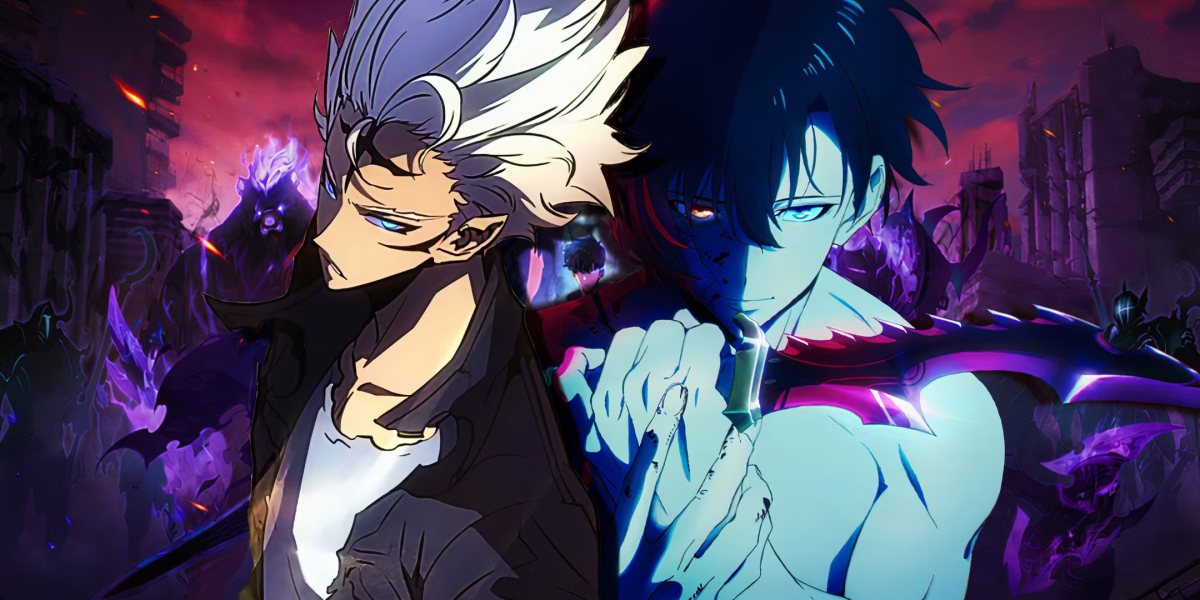
The manhwa world exploded when Solo Leveling first introduced us to Sung Jinwoo's journey from the weakest hunter to humanity's strongest defender. Now, Solo Leveling Ragnarok brings a fresh perspective to this beloved universe, and fans everywhere are asking the same questions. Can the sequel live up to the original? Do you need to read Solo Leveling first? What makes this continuation worth your time? This guide covers everything you need to know about Solo Leveling Ragnarok, whether you're a longtime fan or someone curious about jumping into the series Solo Leveling Ragnarok is not a reboot or alternate timeline. This is a direct sequel that continues the story years after the original series concluded. The protagonist shifts from Sung Jinwoo to his son, Sung Suho, who must forge his own path in a world still recovering from the catastrophic events his father prevented.
Developers have a new anxiety in 2026: token anxiety. You're in the middle of debugging a complex problem, the AI is helping you refactor three files simultaneously, and suddenly you wonder if this session is about to cost you $50. That mental tax slows you down and makes you second-guess using the tool you're paying for. Windsurf eliminated that anxiety with a simple decision: flat monthly pricing with no token limits. Fifteen dollars per month. Unlimited usage. No tracking credits or calculating costs per query. That pricing model sounds almost boring compared to the complex token systems other AI coding tools use, but boring is exactly what professional developers want when it comes to pricing. They want predictable costs and unlimited usage so they can focus on writing code instead of budgeting AI queries.
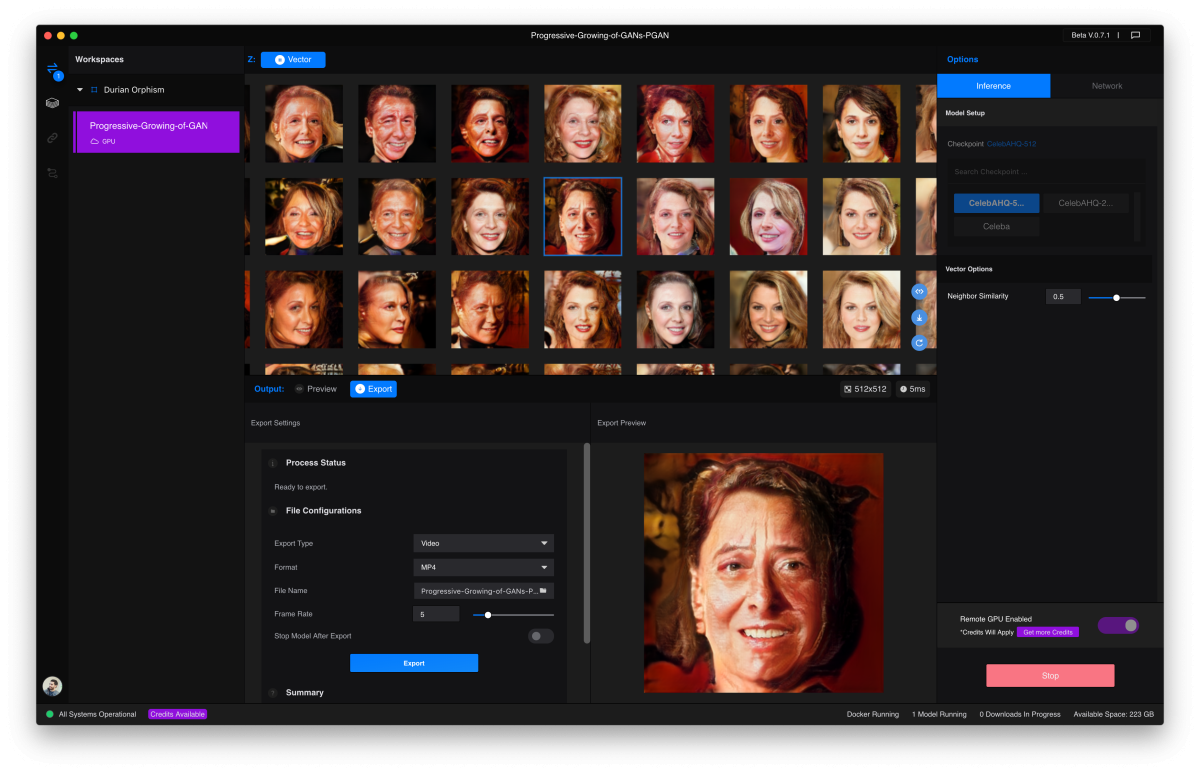
The AI video generation race just got a clear winner. Runway Gen-4.5 topped the Video Arena leaderboard with a 1,247 Elo score, surpassing both Google Veo 3 and OpenAI Sora 2. For those unfamiliar with Elo ratings, this is the same system used to rank chess players and competitive games. A higher score means more wins in head-to-head comparisons. When real users compare videos side by side without knowing which AI generated them, they consistently choose Runway's output. Runway didn't start as an enterprise video tool. It began as a playground for artists and filmmakers who wanted to experiment with AI-generated visuals. The early versions produced fascinating but inconsistent results. Sometimes you'd get stunning cinematic footage. Other times you'd get distorted motion and unrealistic physics. Gen-4.5 changed that equation by achieving breakthrough consistency in motion quality and physical accuracy.
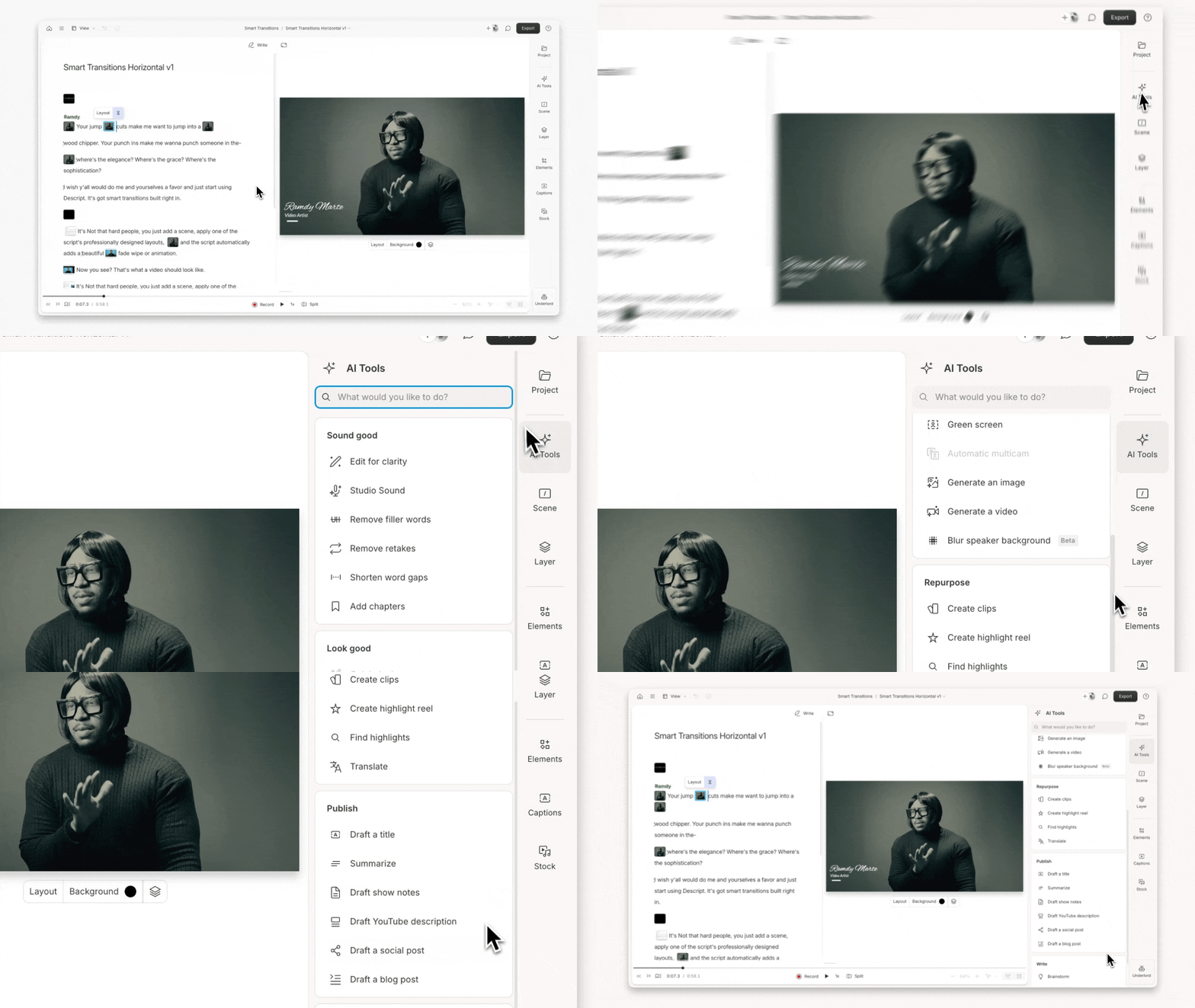
Most people can edit a Google Doc. Delete some words, rearrange sentences, fix typos, add paragraphs. It's intuitive and requires no special training. Now imagine editing video the same way. That's Descript's core innovation, and it transformed video editing from a specialized skill requiring expensive software into something anyone who can edit text can do effectively. Descript started as a transcription tool for podcasters. Record your podcast, upload it to Descript, and get an accurate transcript for show notes. But the founders realized something bigger. If you have a perfect transcript synchronized to audio, you can edit the audio by editing the text. Delete a word from the transcript and that word disappears from the audio. That insight became the foundation for a complete editing platform.
In a manhwa landscape dominated by dungeon crawling, regression narratives, and power fantasies, The Greatest Estate Developer stands out by asking a simple question: what if the protagonist's greatest weapon wasn't a sword or magic system, but civil engineering knowledge? This bizarre premise transforms into one of the most entertaining, genuinely funny, and surprisingly heartfelt series currently running, proving that innovation in storytelling comes from unexpected places. The series takes the familiar isekai setup where a modern person finds themselves in a fantasy world and completely subverts expectations. Instead of becoming an adventurer or hero, protagonist Kim Suho uses his engineering knowledge to revolutionize construction, infrastructure, and economic development. What sounds like it should be boring becomes absolutely captivating through sharp writing, excellent comedic timing, and genuine passion for showing how infrastructure improves lives.

Every single one of these companies, Anthropic included, is going to spend billions on this and some of them are going to fail spectacularly. That is just the nature of moonshot hardware bets. Not everyone who tries this succeeds.