Is there any chance the Michael Jackson biopic will get a streaming release soon after theaters, or is Lionsgate planning a long theatrical window?
7
Sign up to see more
SignupAlready a member?
LoginBy continuing, you agree to Sociomix's Terms of Service, Privacy Policy
Is there any chance the Michael Jackson biopic will get a streaming release soon after theaters, or is Lionsgate planning a long theatrical window?
This is the clearest possible example of why critic scores and audience satisfaction are measuring completely different things and why both metrics are legitimate depending on what you are looking for.
As someone who jumped into manhwa relatively recently after years of manga, what surprised me most about Copycat is how cinematic the panel work is. Hwang composes shots the way a film director frames a scene, not the way most comic artists do.
This is exactly what the murim genre needed in early 2026. Everything in the space was starting to feel like variations on the same template.
The article is overselling it a bit. The middle chapters do drag in places and some of the construction arc explanations go on longer than they need to.
The webtoon format getting this kind of serious adaptation treatment is genuinely meaningful for the medium. Ten years ago this story would never have found an international audience at this scale.
In a medium filled with talented artists producing stunning work, making a claim about any series having the "best" art feels bold. Yet Nano Machine consistently delivers combat sequences so fluid, detailed, and visually innovative that even readers who don't typically care about martial arts stories find themselves captivated by the sheer spectacle on display. The series combines traditional murim aesthetics with futuristic sci-fi elements, creating a unique visual identity that stands apart from typical cultivation manhwa. The nano machine implanted in protagonist Cheon Yeo-Woon's body doesn't just give him power. It becomes a storytelling device that allows the artist to visualize techniques, energy flows, and combat analysis in ways other series can't replicate.

The regression subgenre has exploded in popularity over the past few years, becoming one of the most beloved narrative frameworks in Korean manhwa. The core premise is deceptively simple: a protagonist dies or fails catastrophically, then returns to an earlier point in time with their memories intact. Armed with future knowledge, they get a second chance to change their fate, save loved ones, gain power, or pursue revenge against those who wronged them. What makes regression stories so compelling is the combination of dramatic irony, strategic satisfaction, and emotional depth they provide. Readers know what the protagonist knows, creating tension when other characters make mistakes we can see coming. We feel smart alongside protagonists who use foreknowledge to outmaneuver enemies. And we experience the emotional weight of carrying memories of futures that haven't happened yet, of people who died who are currently alive, of betrayals that haven't occurred.

If Terror Man is actually the Iron Man of a larger Korean superhero universe like some readers are saying, and they cut those connections in the anime to keep things simple, that is going to frustrate manhwa readers badly.
Tried to make a video for a product launch last month and hit the rendering queue at peak hours. For solo creators that is fine. For agencies with client deadlines it is a real operational risk that the article does not mention.
I keep wondering when YouTube and TikTok will start requiring disclosure labels on AI avatar content the way they require disclosure on paid partnerships. The regulatory lag here feels significant.
The analytics integration is a nice touch. Having visitor data, page views, and bandwidth usage right inside the platform means you can validate ideas without stitching together three different services.
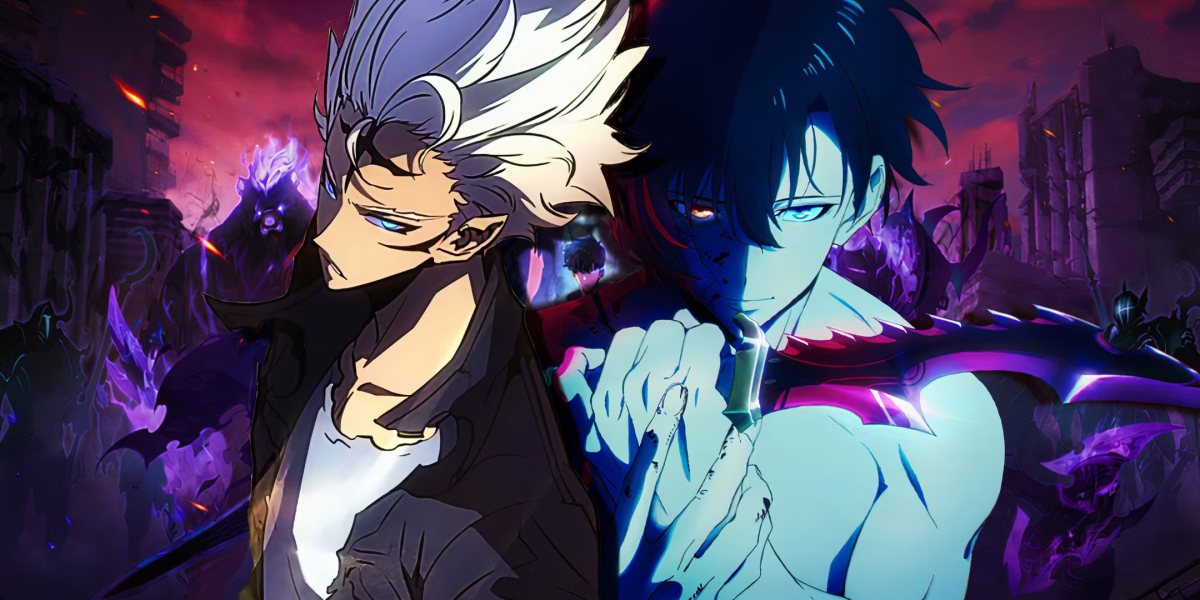
The manhwa world exploded when Solo Leveling first introduced us to Sung Jinwoo's journey from the weakest hunter to humanity's strongest defender. Now, Solo Leveling Ragnarok brings a fresh perspective to this beloved universe, and fans everywhere are asking the same questions. Can the sequel live up to the original? Do you need to read Solo Leveling first? What makes this continuation worth your time? This guide covers everything you need to know about Solo Leveling Ragnarok, whether you're a longtime fan or someone curious about jumping into the series Solo Leveling Ragnarok is not a reboot or alternate timeline. This is a direct sequel that continues the story years after the original series concluded. The protagonist shifts from Sung Jinwoo to his son, Sung Suho, who must forge his own path in a world still recovering from the catastrophic events his father prevented.
Genuine question: how does the generated code quality compare to what you would write yourself? Is it clean enough to hand off to a dev team for continued development or does it become a mess at scale?
The teams plan with security scans and admin deploy controls is what makes this conversation relevant for companies above a certain size. Before that feature existed, the answer for enterprise adoption was a hard no.
While Synthesia leads in revenue, HeyGen leads in customer acquisition momentum with 152% year-over-year growth in mid-market adoption. That explosive growth rate allowed HeyGen to close much of the customer count gap by late 2025. The company is winning by making avatar video accessible to smaller teams and individual creators who cannot afford enterprise contracts but need professional video capabilities. HeyGen positioned itself for small and medium businesses, marketing teams, content creators, and solo entrepreneurs rather than enterprise learning and development departments. This market segment values affordability, ease of use, and creative flexibility over governance features and advanced integrations. Average contract values are roughly one-third of Synthesia's, reflecting this different customer profile.
Sure, except Apple had decades of hardware experience, massive margins to fund the R and D, and a controlled software platform to optimize for. Anthropic has none of those. The comparison is flattering but not really apt.
Is Anthropic profitable yet? Genuine question. They have $30 billion revenue run rate but what does the cost structure look like when you factor in compute, talent, and all the infrastructure spending?
Hot take, every government that is praising TikTok for not encrypting messages is a government that also wants to be able to read those messages someday. The law enforcement community's enthusiasm here is not purely altruistic.