The eyes. The article mentions this and it is exactly right. A single panel of Cheon Yeo-Woon's eyes narrowing is more dramatic than three pages of technique explosions in weaker series.
9
Sign up to see more
SignupAlready a member?
LoginBy continuing, you agree to Sociomix's Terms of Service, Privacy Policy

The eyes. The article mentions this and it is exactly right. A single panel of Cheon Yeo-Woon's eyes narrowing is more dramatic than three pages of technique explosions in weaker series.
The article is a little generous about Jooheon's moral complexity. He is fun to follow but let us not pretend he has a nuanced ethical code. He does what benefits him and the sister protection angle is more emotional shorthand than genuine character depth.
Whether or not the release date in this article is accurate, the excitement is justified. ORV has over 300 million views across platforms. It has earned its moment.
Twelve episodes for 123 webtoon chapters is genuinely concerning. Even with great pacing that means barely touching some of the most emotionally dense arcs in the second half.
The series also quietly does something fascinating with Coach K by showing how a person can simultaneously care about someone and still be using them. Those two things coexisting without resolution is more honest than most fiction allows.
Second Life Ranker deserves to be on this list. The revenge setup, the leveling system, the twin brother mystery, it hooks you from chapter one and never really lets go.
Solo Leveling being the first manhwa anime to win Anime of the Year at the Crunchyroll Awards was a watershed moment. Not just for manhwa but for how the global anime community thinks about Korean storytelling.
The devil's advocate take here is that a lot of what this article praises as innovative is pretty common in light novel and web novel spaces if you read widely. The novelty is more about bringing it to manhwa format accessibly.
The Android app launched for HeyGen recently which means creators can now produce videos from their phone. That is a meaningful shift for the mobile-first creator market, especially outside North America where desktop workflows are less common.
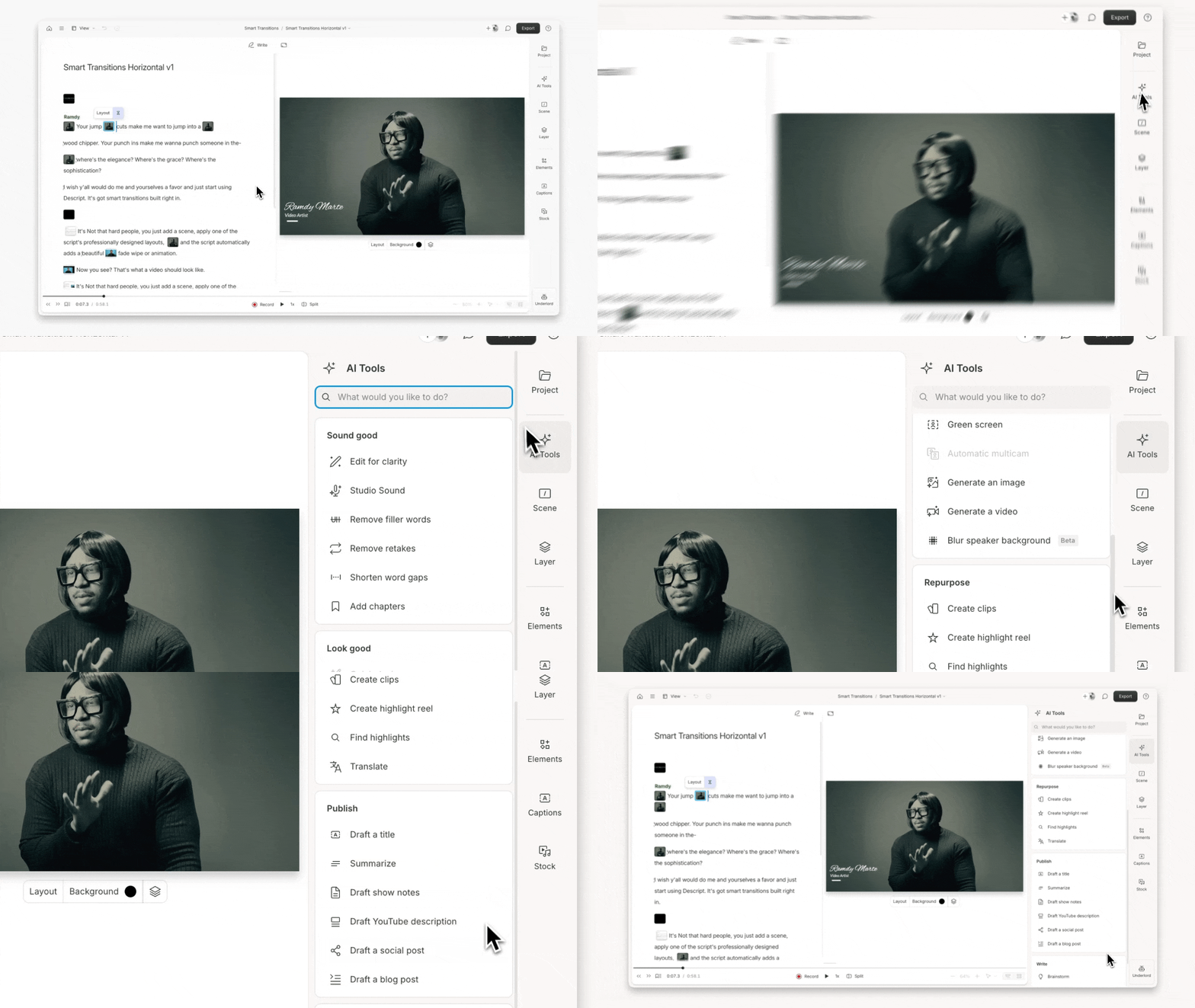
Most people can edit a Google Doc. Delete some words, rearrange sentences, fix typos, add paragraphs. It's intuitive and requires no special training. Now imagine editing video the same way. That's Descript's core innovation, and it transformed video editing from a specialized skill requiring expensive software into something anyone who can edit text can do effectively. Descript started as a transcription tool for podcasters. Record your podcast, upload it to Descript, and get an accurate transcript for show notes. But the founders realized something bigger. If you have a perfect transcript synchronized to audio, you can edit the audio by editing the text. Delete a word from the transcript and that word disappears from the audio. That insight became the foundation for a complete editing platform.
Sports anime and manga have delivered countless memorable series over the decades, from Slam Dunk's basketball brilliance to Haikyuu's volleyball excellence. These stories typically follow familiar patterns: talented but inexperienced protagonist joins a team, forms bonds with teammates, faces rivals, grows through competition, and ultimately pursues championship glory. The formula works because it taps into universal themes about effort, teamwork, and self-improvement. The Boxer, created by JH, takes everything you expect from sports stories and systematically deconstructs it. The protagonist doesn't love boxing. He doesn't form deep bonds with teammates. He doesn't overcome challenges through friendship and determination. Instead, the manhwa presents one of the darkest, most psychologically complex examinations of combat sports ever created, wrapped in stunningly minimalist artwork that elevates the narrative to something approaching high art.
The designer-developer relationship has been tense for decades. Designers create pixel-perfect mockups in Figma. Developers translate them to code and somehow everything looks slightly wrong. Fonts don't match. Spacing is inconsistent. Buttons have different corner radiuses. Both sides get frustrated, blame each other, and the product suffers. V0 by Vercel is fixing this problem by generating production-quality React components that look exactly like the designs. The rebrand from v0.dev to v0.app in January 2026 signaled expanded ambitions beyond just UI component generation. Vercel positioned the tool for full-stack web development, though its core strength remains frontend excellence. That strategic clarity matters because trying to be everything often means excelling at nothing. V0 chose to dominate the handoff between design and code before expanding into other areas.
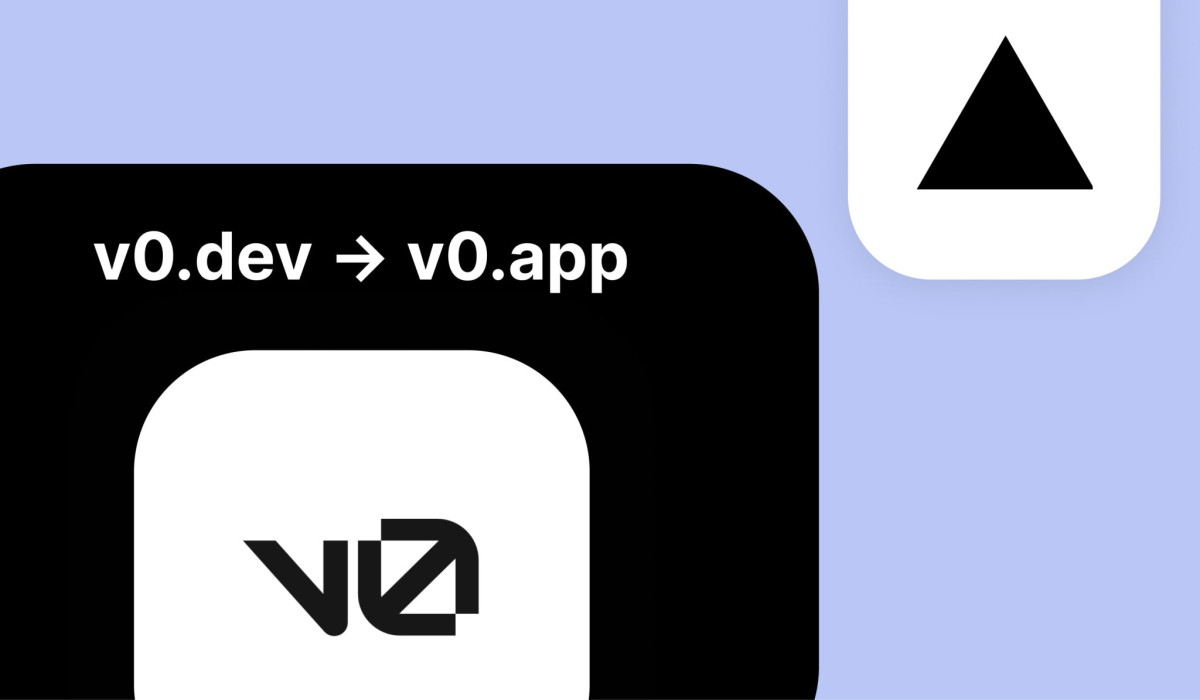
In a medium filled with talented artists producing stunning work, making a claim about any series having the "best" art feels bold. Yet Nano Machine consistently delivers combat sequences so fluid, detailed, and visually innovative that even readers who don't typically care about martial arts stories find themselves captivated by the sheer spectacle on display. The series combines traditional murim aesthetics with futuristic sci-fi elements, creating a unique visual identity that stands apart from typical cultivation manhwa. The nano machine implanted in protagonist Cheon Yeo-Woon's body doesn't just give him power. It becomes a storytelling device that allows the artist to visualize techniques, energy flows, and combat analysis in ways other series can't replicate.

OK but does anyone actually believe Apple and Microsoft are going to use Mythos purely defensively and not quietly integrate the capability into competitive product offerings?
The benchmarks are basically a wash at this point. Both tools are within a couple percentage points of each other on most real tasks. Pricing and workflow fit matter more than model scores now.
The article mentions Microsoft has been more circumspect about its chip efforts. But the Maia 200 chip is definitely real and is designed specifically for Azure AI workloads. Microsoft is very much in this race, just quieter about it.
You could totally swap the pumps for pointed flats and still keep the polished vibe. I've been doing this lately and my feet thank me