Night eating syndrome and circadian eating misalignment feels like a connection this article only brushes. For people with clinical patterns of night eating the timing piece is genuinely therapeutic, not just optimization.
21
Sign up to see more
SignupAlready a member?
LoginBy continuing, you agree to Sociomix's Terms of Service, Privacy Policy

Night eating syndrome and circadian eating misalignment feels like a connection this article only brushes. For people with clinical patterns of night eating the timing piece is genuinely therapeutic, not just optimization.
The Michael movie review verdict is in, and it is more complicated than the 26% Rotten Tomatoes score suggests. Antoine Fuqua's long-delayed Michael Jackson biopic, simply titled Michael, hit theaters this weekend with Jaafar Jackson playing his late uncle, and the critical response has been brutal. The BBC gave it one star. Roger Ebert's site called it a filmed playlist in search of a story. Yet early audience reactions on social media have been warmer, ticket pre-sales suggest an $80 million opening, and Variety thought it worked as an engrossing middle-of-the-road biopic. After tracking coverage across more than a dozen outlets over the past 48 hours, I think the honest answer to "should you watch this?" depends almost entirely on what you want from a music biopic, and this guide breaks down exactly what the film delivers, what it skips, and who will actually enjoy sitting through its two-hour-and-nine-minute runtime.

The technology sector is experiencing a paradox. While headlines scream about mass layoffs at major tech companies, a critical shortage is quietly building in one of the most essential areas of digital infrastructure. Datacenters, the physical backbone of our digital world, are facing an unprecedented demand surge, and there simply are not enough skilled professionals to build and maintain them. Countries across the globe are rushing to establish their own datacenter infrastructure. From India's ambitious plans to become a datacenter hub to the European Union's push for data sovereignty, and emerging markets in Southeast Asia and Latin America building their first large scale facilities, the construction boom is just beginning.
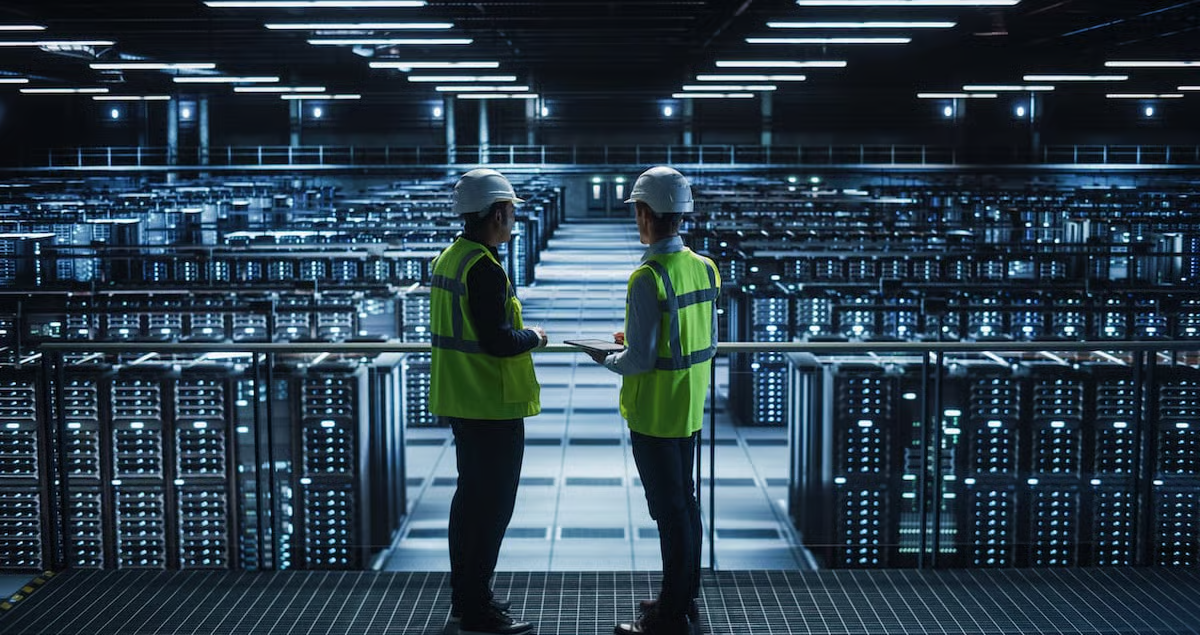
The waste heat recovery section at the end of the article got cut off, which is frustrating because that is genuinely one of the more fascinating emerging areas. Some facilities are selling excess heat to district heating networks. Whole new business model.
The comparison between reading system manhwa and playing games is accurate but it also means the genre has the same problem as games. Once you've seen the systems, replaying the same beats in a new package gets exhausting.
Been a martial arts practitioner for years and what The Boxer gets right about the psychology of facing a superior opponent is genuinely uncomfortable to read. That panic and disbelief feels accurate.
Different genre indeed but also a completely different artistic project. Comparing Nano Machine and The Boxer is like comparing action cinema to slow literary drama. Both can be excellent without competing.
Four billion dollar company, UK based, founded in 2017. This is the kind of story that should be getting more attention as proof that European AI startups can compete at global scale.
The premise alone sold me. A murim world invaded by outer space demons is the kind of chaotic energy I never knew I needed in my life.
The voice learning feature combined with biometric privacy laws is actually a lawsuit waiting to happen. Illinois and Texas have explicit rules about collecting voiceprints without written consent, and the tool does exactly that.
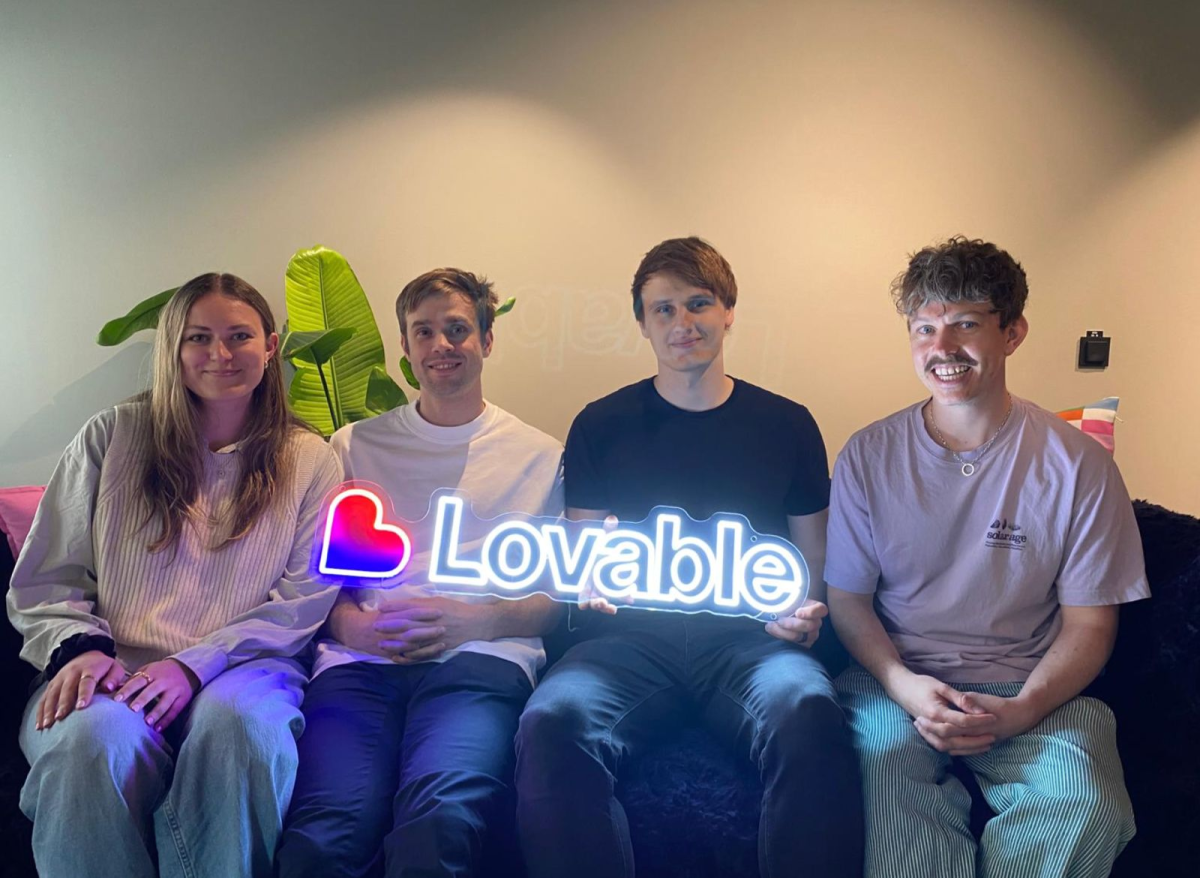
The software development world just witnessed something unprecedented. A European startup called Lovable reached $20 million in annual recurring revenue in just two months, making it potentially the fastest-growing startup in European history. But here's the twist that's making traditional software agencies nervous: they did it by giving non-technical founders the power to build full-stack applications without writing a single line of code. For years, the promise of no-code tools has been the same: anyone can build an app. But the reality has always been different. You'd create a beautiful frontend, get excited about your progress, and then hit the technical cliff. Suddenly you needed to configure databases, set up authentication, manage API keys, and deploy to servers. The "no-code" dream became a "hire-a-developer-anyway" nightmare.
Anyone else find it kind of wild that a PM can now create a branch, open a PR against main, and ship production code without writing a single line themselves? That would have sounded like science fiction to me three years ago.
Forty million dollars in annual recurring revenue. Six months. One browser-based platform. Those numbers would be impressive for any software company, but for Bolt.new, they represent something more significant: the moment when development environments moved permanently into the cloud and never looked back. Traditional software development has always required setup. Install Node.js, configure your environment, manage dependencies, set up local servers, troubleshoot version conflicts. Before writing a single line of code, developers spend hours or even days preparing their machines. Junior developers often spend their first week just getting their environment working. Bolt.new eliminated all of that with WebContainers technology.
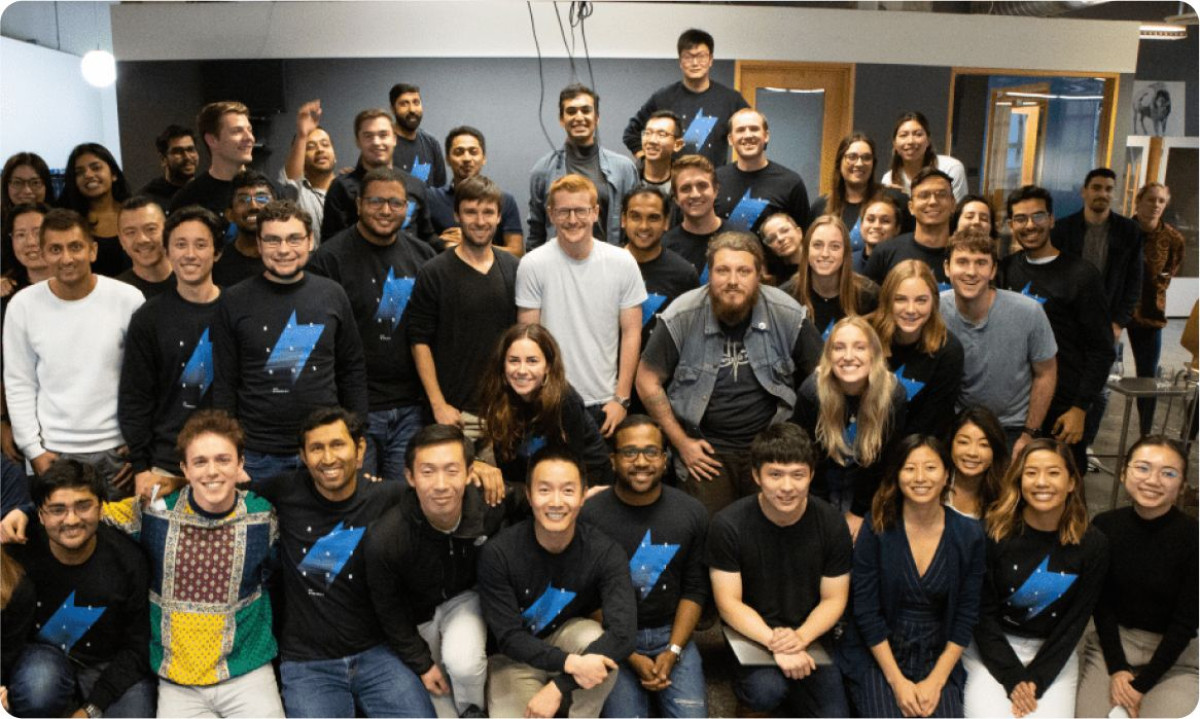
The article talks about teams shipping v0 output directly to production with minor adjustments. I would love to see what that actually looks like in practice for a complex feature vs. a landing page. The bar is very different.
Meta has just had one of its most important AI moments yet and the early signals are hard to ignore. Following the launch of its newest AI model Muse Spark, the company’s standalone Meta AI app surged dramatically in popularity, hinting at a much larger shift that is beginning to take shape. The release is particularly significant because it marks the first major AI model rollout under Alexandr Wang, who joined Meta to reboot its AI strategy. This is not just another incremental update. It represents a more aggressive and focused push into the AI race. According to data from Appfigures, Meta AI jumped from number 57 to number 5 on the U.S. App Store within a day of the launch. That kind of movement rarely happens without a strong underlying pull from users. It signals not curiosity but intent.
The global cryptocurrency market capitalization has climbed back above the $2.5 trillion threshold, fueled by a massive liquidation of short positions and renewed institutional interest. Geopolitical developments and shifting investor sentiment combined to create a powerful rally that caught bearish traders off guard, resulting in substantial losses for those betting against the market. According to data from CoinGecko, the total market capitalization of all cryptocurrencies combined increased 1.4% to reach $2.52 trillion on Friday, April 10. Bitcoin experienced a notable surge of over 3%, briefly touching the $73,000 mark before consolidating around $72,000 at the time of writing. Ethereum demonstrated equally impressive strength, pushing past the $2,200 level, while the majority of top 10 cryptocurrencies by market capitalization also posted significant gains.