The term brain wealth feels a little too market friendly for my taste but I can't argue with the underlying framework. Proactive, compounding investment in cognitive health is just good strategy regardless of what you call it.
24
Sign up to see more
SignupAlready a member?
LoginBy continuing, you agree to Sociomix's Terms of Service, Privacy Policy

The term brain wealth feels a little too market friendly for my taste but I can't argue with the underlying framework. Proactive, compounding investment in cognitive health is just good strategy regardless of what you call it.
Does creatine monohydrate actually help with brain function or is that just gym culture bleeding into nootropics discourse?
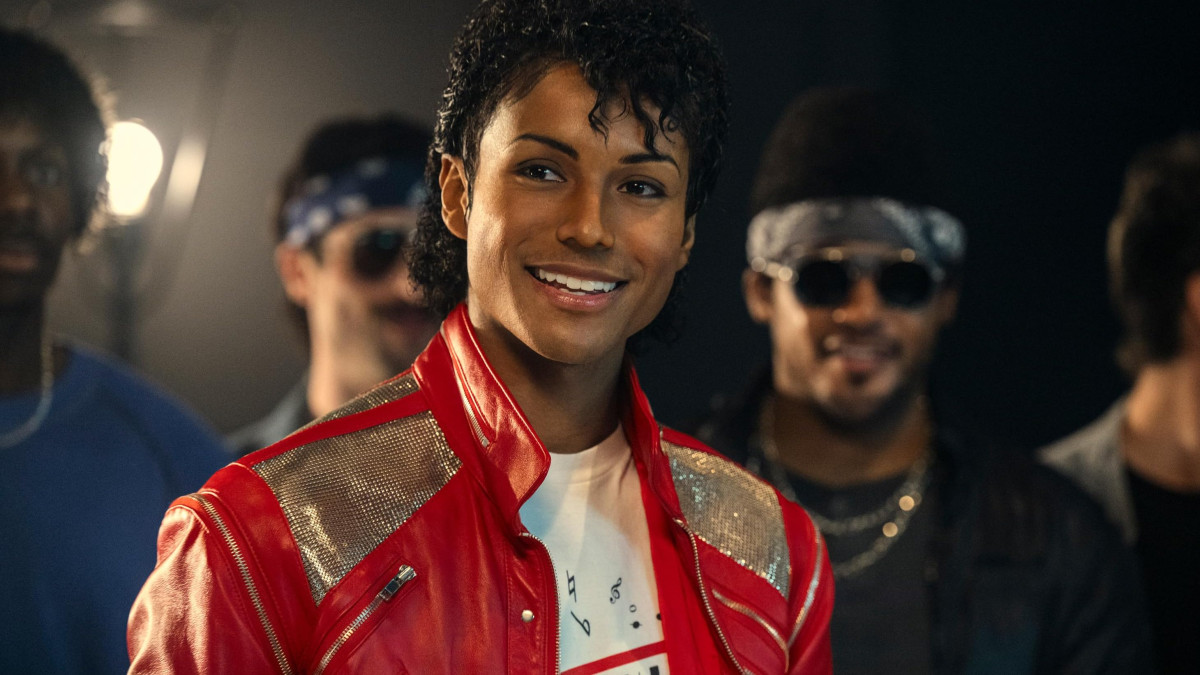
The Michael movie review verdict is in, and it is more complicated than the 26% Rotten Tomatoes score suggests. Antoine Fuqua's long-delayed Michael Jackson biopic, simply titled Michael, hit theaters this weekend with Jaafar Jackson playing his late uncle, and the critical response has been brutal. The BBC gave it one star. Roger Ebert's site called it a filmed playlist in search of a story. Yet early audience reactions on social media have been warmer, ticket pre-sales suggest an $80 million opening, and Variety thought it worked as an engrossing middle-of-the-road biopic. After tracking coverage across more than a dozen outlets over the past 48 hours, I think the honest answer to "should you watch this?" depends almost entirely on what you want from a music biopic, and this guide breaks down exactly what the film delivers, what it skips, and who will actually enjoy sitting through its two-hour-and-nine-minute runtime.
Agreed on the content warning point. Worth adding that the horror here is mostly cerebral and atmospheric rather than gore-focused. But the conceptual darkness is dense and does not let up.
This is not a tech trend. This is an infrastructure mega-cycle, like the railroad boom or the interstate highway system. The difference is it is happening in a decade instead of a century.
The creators behind some of Webtoon's most successful psychological thrillers have returned with a series that's already generating intense discussion across manhwa communities. For fans who've been following the horror and thriller genre on digital platforms, Carnby Kim and Youngchan Hwang need no introduction. Their latest collaboration tackles themes of artistic plagiarism, obsession, and murder in ways that feel disturbingly relevant to current conversations about creative theft and AI-generated content. This guide covers everything you need to know about Copycat, from its premise and release schedule to how it compares with their previous masterpieces like Sweet Home and Bastard.

My one worry is pacing. The manhwa moves fast and covers a lot of ground. Anime adaptations of dense manhwa have a rough track record when it comes to compressing or skipping content without losing the story's flow.
The emperor's final message plotline is what is keeping me most invested. What does a dead emperor have to say to a crumbling empire 120 years later and why does it still matter?
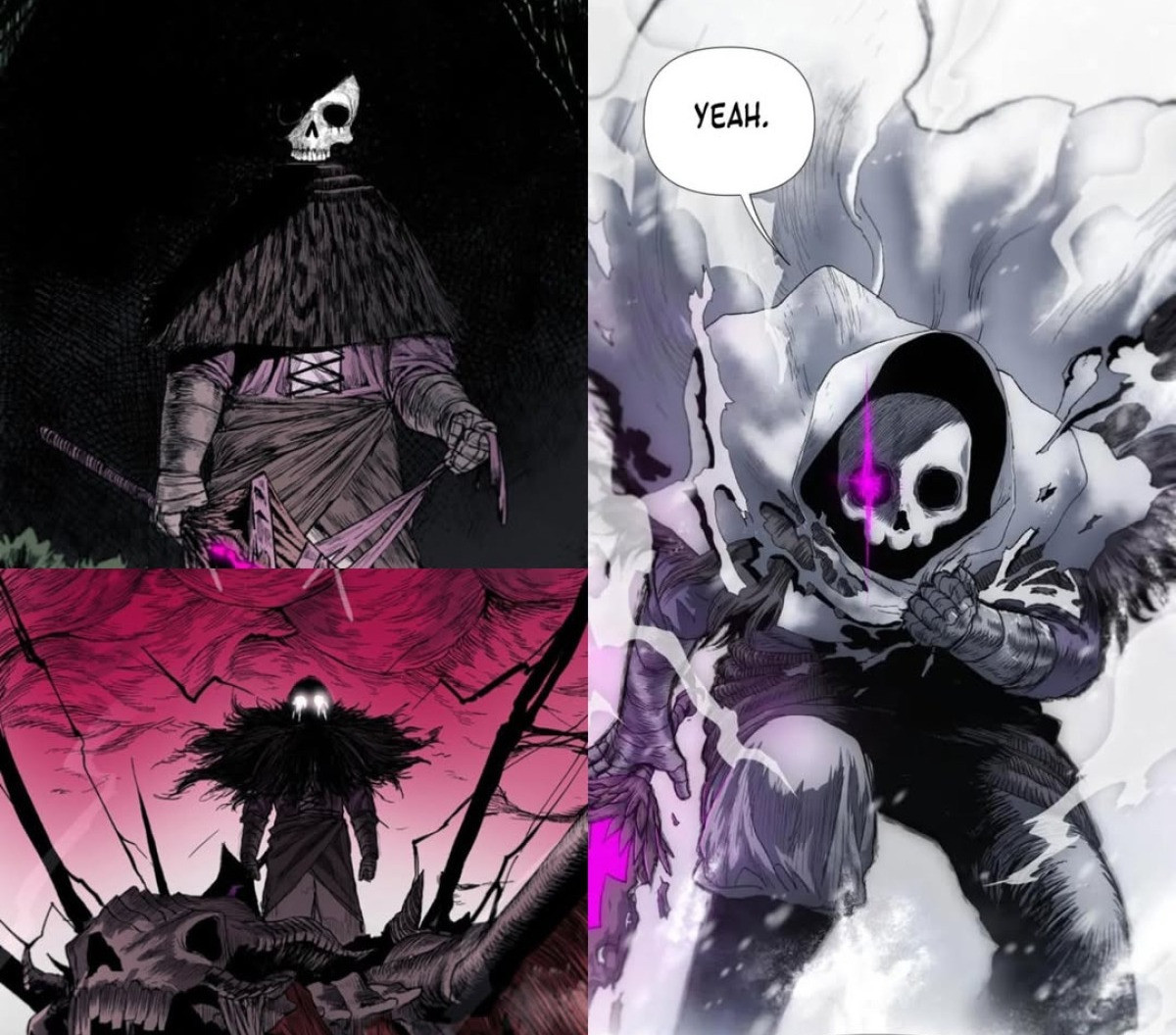
When a manhwa gets compared to Frieren: Beyond Journey's End but with a dark, bleak twist, expectations immediately rise. The Tale of the Skeleton Messenger, released on Webtoon in January 2026 by creators kain_y and SORAGAE, arrives with that exact premise and a tone that sets it apart from the increasingly crowded fantasy manhwa landscape. Most fantasy stories lean toward hopeful narratives where heroes overcome darkness through determination and friendship. Even dark fantasy typically offers glimmers of light and the possibility of triumph. The Tale of the Skeleton Messenger takes a different approach, embracing bleakness and melancholy in ways that feel refreshing rather than oppressive, thoughtful rather than nihilistic.
The supporting cast in this series is doing more emotional heavy lifting than most protagonists in competing titles. That detail about minor characters from single arcs getting real development is not an exaggeration.
Anyone else noticed that the YouTube import feature was quietly turned off? They say it is for compliance reasons but it added a step to the workflow for a lot of creators who were pulling their own content back in for repurposing.
Runway raised $315 million at a $5.3 billion valuation in February 2026 which tells you investors see this benchmark lead as real. That is not money chasing hype, that is money chasing actual enterprise adoption.
Hot take: Seedance 2.0 from ByteDance was quietly the most technically impressive release of early 2026 and barely anyone in Western tech circles is talking about it.
As someone learning to code, I have mixed feelings. Using the agent to build things is exciting but I worry about skipping the understanding phase. The best developers I know have deep mental models of how systems work. You do not build that by watching AI write code.
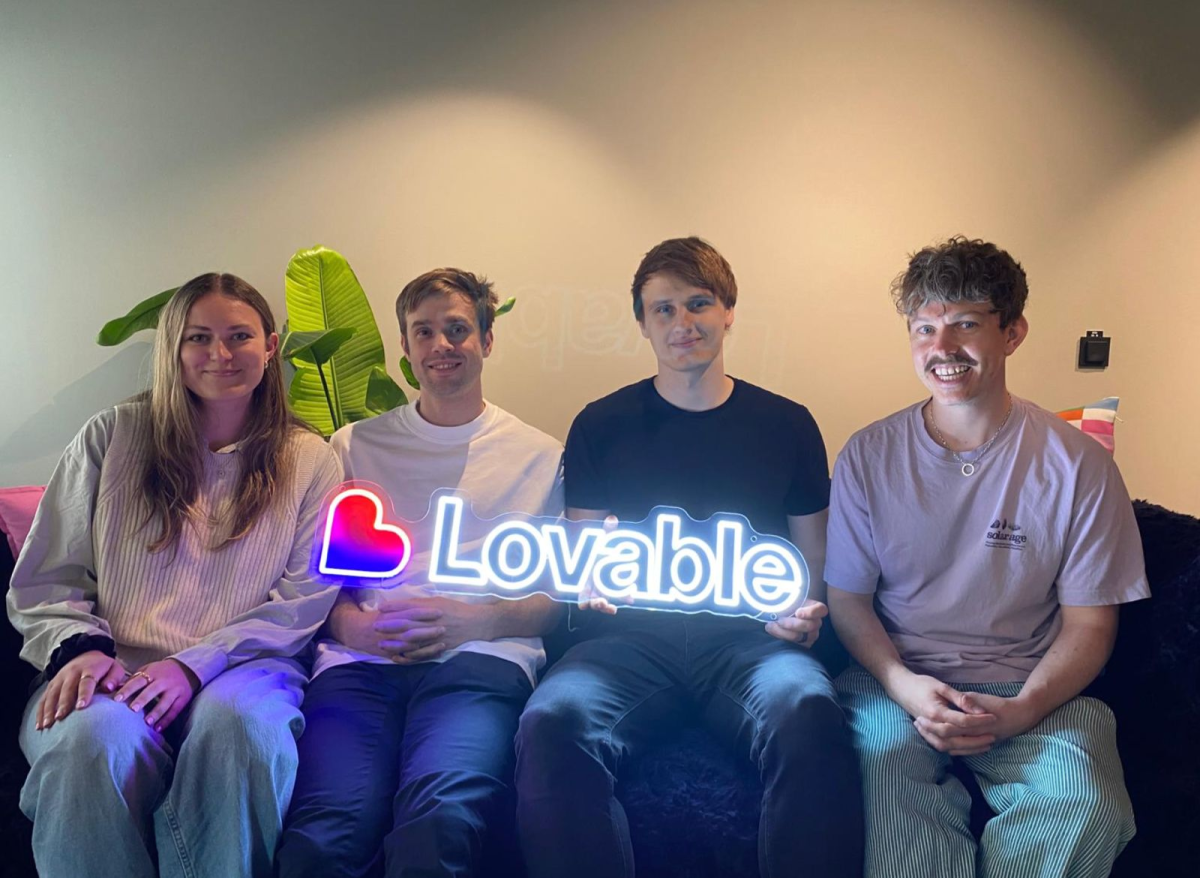
The software development world just witnessed something unprecedented. A European startup called Lovable reached $20 million in annual recurring revenue in just two months, making it potentially the fastest-growing startup in European history. But here's the twist that's making traditional software agencies nervous: they did it by giving non-technical founders the power to build full-stack applications without writing a single line of code. For years, the promise of no-code tools has been the same: anyone can build an app. But the reality has always been different. You'd create a beautiful frontend, get excited about your progress, and then hit the technical cliff. Suddenly you needed to configure databases, set up authentication, manage API keys, and deploy to servers. The "no-code" dream became a "hire-a-developer-anyway" nightmare.
While Synthesia leads in revenue, HeyGen leads in customer acquisition momentum with 152% year-over-year growth in mid-market adoption. That explosive growth rate allowed HeyGen to close much of the customer count gap by late 2025. The company is winning by making avatar video accessible to smaller teams and individual creators who cannot afford enterprise contracts but need professional video capabilities. HeyGen positioned itself for small and medium businesses, marketing teams, content creators, and solo entrepreneurs rather than enterprise learning and development departments. This market segment values affordability, ease of use, and creative flexibility over governance features and advanced integrations. Average contract values are roughly one-third of Synthesia's, reflecting this different customer profile.

CUDA is a moat but even Jensen Huang has publicly said he worries about competition. When the CEO of the dominant company in a market says he is worried, you should probably listen.
The $8 Go tier is interesting too and barely gets mentioned. There are a lot of developers who want occasional agentic help but do not need daily limits. That tier is smart market segmentation.
In a rare divergence from industry norms, TikTok has confirmed it will not adopt end-to-end encryption (E2EE) for direct messages, breaking with nearly every major social media platform and reigniting one of the tech industry's most contentious debates. The Chinese-owned video platform told the BBC exclusively that it believes the privacy technology championed by Meta, Apple, and others as essential for user protection actually makes users less safe by creating "dark spaces" where harmful content can flourish beyond the reach of safety teams and law enforcement. The decision puts TikTok in direct opposition to its competitors while potentially exposing the company to fresh criticism over data protection, particularly given ongoing concerns about its ties to Beijing.