
The Colman Domingo casting as Joe Jackson is inspired. Watching him described as a chilling presence playing the domestic Svengali monster is exactly what that role demands.
13
Sign up to see more
SignupAlready a member?
LoginBy continuing, you agree to Sociomix's Terms of Service, Privacy Policy

The Colman Domingo casting as Joe Jackson is inspired. Watching him described as a chilling presence playing the domestic Svengali monster is exactly what that role demands.
Had something similar happen where I tried a bunch of supplements for focus and got modest results at best. Then I started running three mornings a week and within a month my ability to concentrate at work had changed in a way that no capsule ever matched. Exercise is embarrassingly well supported by the data.
The thing people keep getting wrong about this casting is assuming nepotism explains it. The article lays it out clearly and the answer is way more interesting than that. The voice note origin story alone is something I had never heard before reading this.
The article talks about Korean storytelling bringing fresh perspectives but does not engage with the fact that a lot of these premises, regression, system integration, hidden power, are just as formulaic as the manga genres they are supposedly refreshing.
Genuinely moved by the detail that Elliot's professional dreams were destroyed by the man who is now the protagonist of his survival story. Arzen did not just threaten Elliot's life. He already destroyed Elliot's sense of purpose. The stakes are layered before anything even happens.
Is there a good place to start if someone wants to get into the source material before the anime? The manhwa on Webtoon or go straight for the physical novels from Ize Press?
Suho's self-doubt arc in the early chapters hit harder than expected. The idea of growing up knowing your father is essentially a god and then having to prove yourself worthy of even a fraction of that is genuinely compelling.
It actually did originate from shorter webcomics, from what I understand, before developing into a serialized format. That explains why the early chapters feel slightly more self-contained.
Omniscient Reader keeps getting pushed back. Last confirmed window I saw was late 2026 and even that seems optimistic given how ambitious the source material is.
Hot take: the real innovation here is not the technology, it is the interaction design. Dozens of tools had decent transcription before Descript. Nobody made editing the actual interface until Descript did.
The article calls the custom avatar feature deeply personal even though it is entirely synthetic. Those two things are in direct tension and the article just breezes past it.
As a solo founder running a SaaS product, the ability to parallelize development is genuinely transformative. Three weeks ago I ran four different agent sessions simultaneously exploring different approaches to the same problem. Would have taken me months the old way.
While Synthesia leads in revenue, HeyGen leads in customer acquisition momentum with 152% year-over-year growth in mid-market adoption. That explosive growth rate allowed HeyGen to close much of the customer count gap by late 2025. The company is winning by making avatar video accessible to smaller teams and individual creators who cannot afford enterprise contracts but need professional video capabilities. HeyGen positioned itself for small and medium businesses, marketing teams, content creators, and solo entrepreneurs rather than enterprise learning and development departments. This market segment values affordability, ease of use, and creative flexibility over governance features and advanced integrations. Average contract values are roughly one-third of Synthesia's, reflecting this different customer profile.

Forty million dollars in annual recurring revenue. Six months. One browser-based platform. Those numbers would be impressive for any software company, but for Bolt.new, they represent something more significant: the moment when development environments moved permanently into the cloud and never looked back. Traditional software development has always required setup. Install Node.js, configure your environment, manage dependencies, set up local servers, troubleshoot version conflicts. Before writing a single line of code, developers spend hours or even days preparing their machines. Junior developers often spend their first week just getting their environment working. Bolt.new eliminated all of that with WebContainers technology.
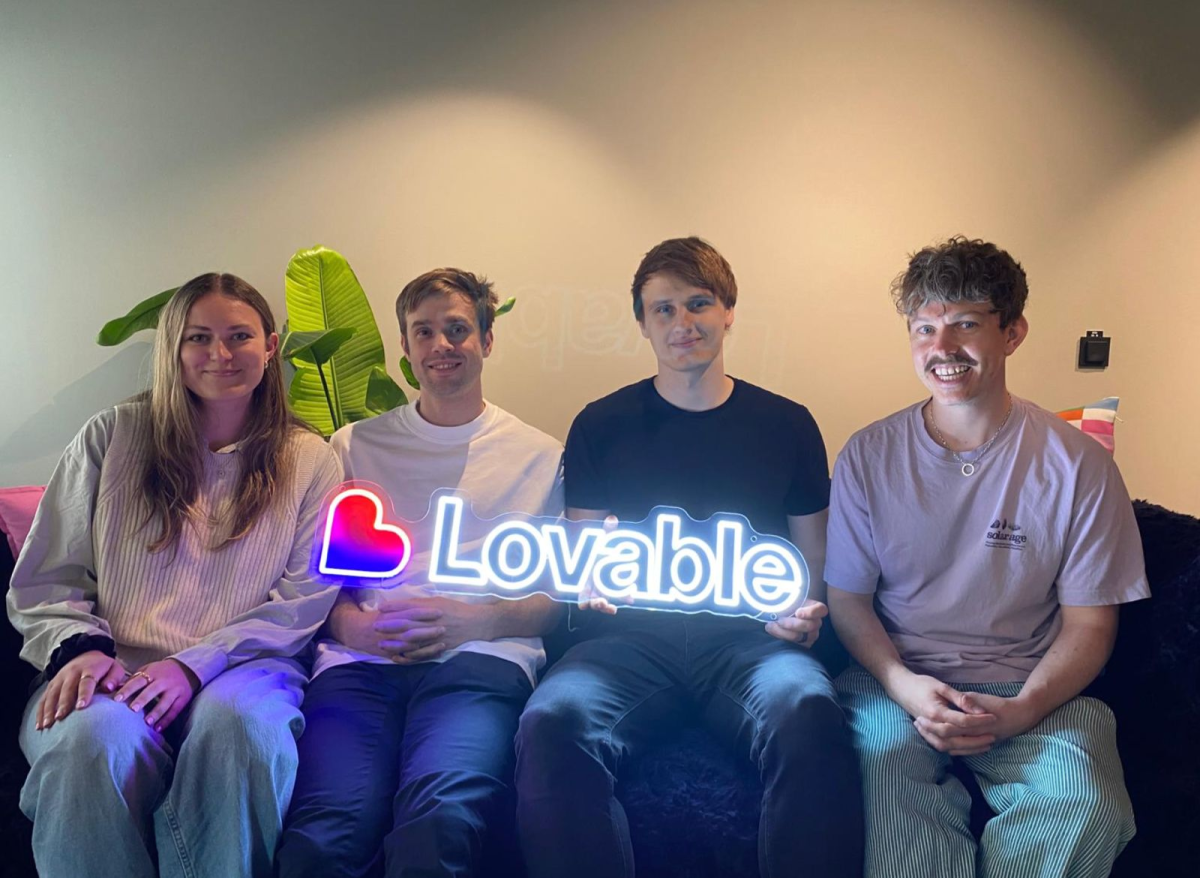
As someone who has been in the no-code space for years, what Lovable got right that others got wrong is the code ownership model. Locking people in was always the fatal flaw of every tool that came before it.
The software development world just witnessed something unprecedented. A European startup called Lovable reached $20 million in annual recurring revenue in just two months, making it potentially the fastest-growing startup in European history. But here's the twist that's making traditional software agencies nervous: they did it by giving non-technical founders the power to build full-stack applications without writing a single line of code. For years, the promise of no-code tools has been the same: anyone can build an app. But the reality has always been different. You'd create a beautiful frontend, get excited about your progress, and then hit the technical cliff. Suddenly you needed to configure databases, set up authentication, manage API keys, and deploy to servers. The "no-code" dream became a "hire-a-developer-anyway" nightmare.
It would likely go through federal court challenging the administrative process, possibly arguing the designation criteria were misapplied. Cases like this tend to move slowly and the interim restrictions can last years.
In a rare divergence from industry norms, TikTok has confirmed it will not adopt end-to-end encryption (E2EE) for direct messages, breaking with nearly every major social media platform and reigniting one of the tech industry's most contentious debates. The Chinese-owned video platform told the BBC exclusively that it believes the privacy technology championed by Meta, Apple, and others as essential for user protection actually makes users less safe by creating "dark spaces" where harmful content can flourish beyond the reach of safety teams and law enforcement. The decision puts TikTok in direct opposition to its competitors while potentially exposing the company to fresh criticism over data protection, particularly given ongoing concerns about its ties to Beijing.
When you hear “Paris Fashion Week,” your mind races to haute couture, bold statements, and the world’s most glamorous attendees. But on October 4, 2025, the scene got a surprise guest—Meghan Markle, making what might be her most talked-about entrance yet. To call it a “debut” feels almost too neat, as if she’s stepping into a world she’s never touched. Yet, Meghan’s gradual evolution as a style influencer has been anything but accidental. Her Paris moment isn’t just celebrity spectacle; it’s a statement, a pivot, and a nuanced step into a new chapter. Here’s my take on why this matters.