Antoine Fuqua getting Colman Domingo and Jaafar Jackson both delivering at this level in the same film is an achievement regardless of script quality. Two first-rate performances do not happen by accident.
23
Sign up to see more
SignupAlready a member?
LoginBy continuing, you agree to Sociomix's Terms of Service, Privacy Policy

Antoine Fuqua getting Colman Domingo and Jaafar Jackson both delivering at this level in the same film is an achievement regardless of script quality. Two first-rate performances do not happen by accident.
Jaafar Jackson plays Michael Jackson in the 2026 biopic Michael, and the story of how the 29-year-old newcomer landed the role is more interesting than the film itself. It started with a voice note. It involved a two-year global casting search with no formal auditions. It required Jaafar to keep the role secret from his own family for a full year. And it ended with his grandmother Katherine Jackson, the woman who knew Michael longest and loved him most, telling producers that her grandson didn't just resemble her son, he embodied him. After tracking every interview, behind-the-scenes video, and production report released since the film was announced, I can tell you that the choice of Jaafar was not nepotism, not a publicity play, and not the obvious pick everyone assumes it was. It was a hard-earned outcome of the most unusual casting process in recent biopic history, and here is how it actually happened.

In a manhwa landscape dominated by dungeon crawling, regression narratives, and power fantasies, The Greatest Estate Developer stands out by asking a simple question: what if the protagonist's greatest weapon wasn't a sword or magic system, but civil engineering knowledge? This bizarre premise transforms into one of the most entertaining, genuinely funny, and surprisingly heartfelt series currently running, proving that innovation in storytelling comes from unexpected places. The series takes the familiar isekai setup where a modern person finds themselves in a fantasy world and completely subverts expectations. Instead of becoming an adventurer or hero, protagonist Kim Suho uses his engineering knowledge to revolutionize construction, infrastructure, and economic development. What sounds like it should be boring becomes absolutely captivating through sharp writing, excellent comedic timing, and genuine passion for showing how infrastructure improves lives.

Aniplex handling this alongside their existing slate is what keeps me cautiously optimistic. They have serious infrastructure for prestige anime projects and they clearly believe in this IP.
Sci-fi demons invading a martial arts world is not a new concept if you've read enough light novels, but the execution here is genuinely fresh.
Genuinely moved by the detail that Elliot's professional dreams were destroyed by the man who is now the protagonist of his survival story. Arzen did not just threaten Elliot's life. He already destroyed Elliot's sense of purpose. The stakes are layered before anything even happens.
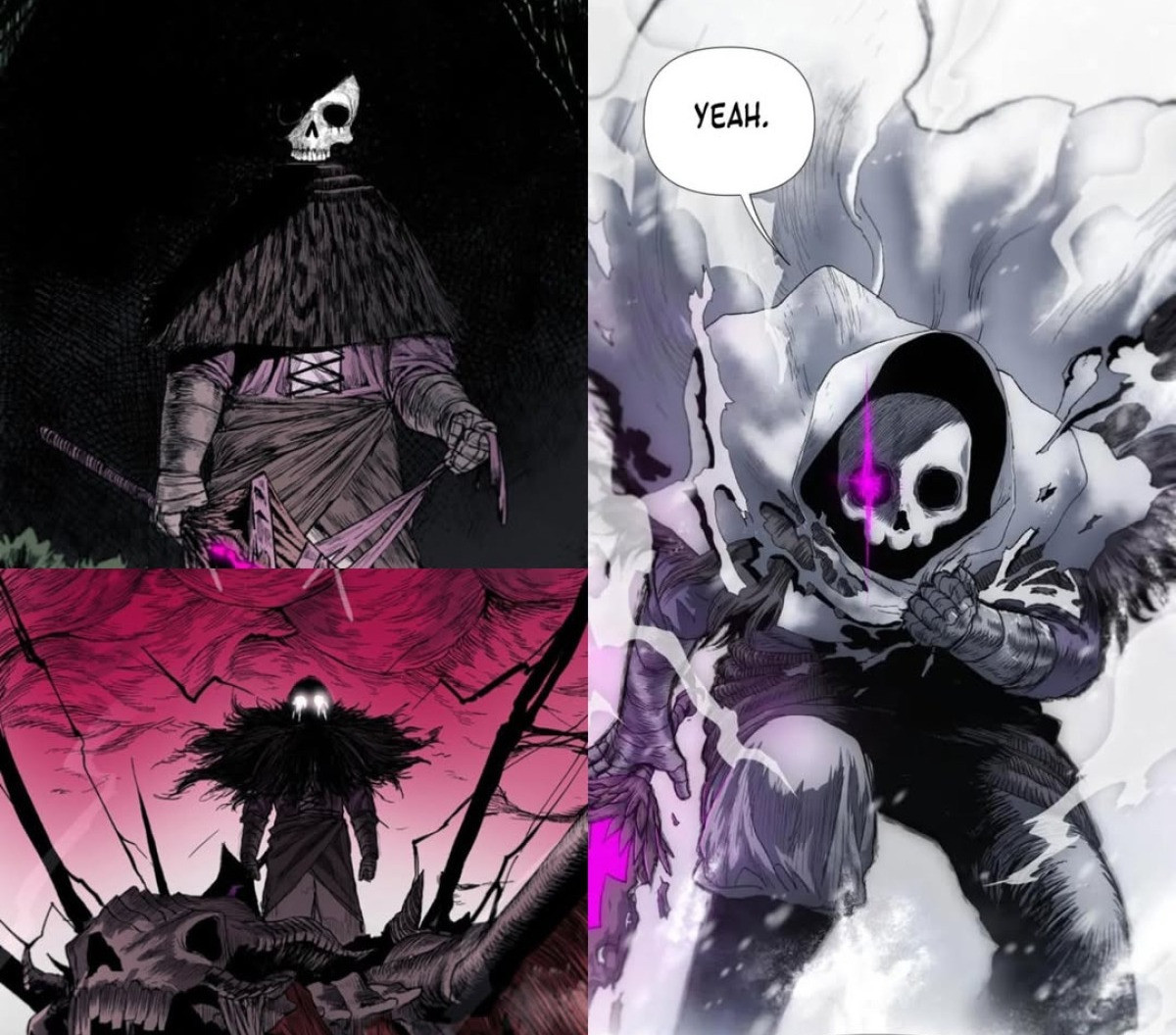
When a manhwa gets compared to Frieren: Beyond Journey's End but with a dark, bleak twist, expectations immediately rise. The Tale of the Skeleton Messenger, released on Webtoon in January 2026 by creators kain_y and SORAGAE, arrives with that exact premise and a tone that sets it apart from the increasingly crowded fantasy manhwa landscape. Most fantasy stories lean toward hopeful narratives where heroes overcome darkness through determination and friendship. Even dark fantasy typically offers glimmers of light and the possibility of triumph. The Tale of the Skeleton Messenger takes a different approach, embracing bleakness and melancholy in ways that feel refreshing rather than oppressive, thoughtful rather than nihilistic.
What nobody talks about is the compounding distraction cost. Every time you stop to evaluate whether a query is worth its cost, you break focus. Flat pricing eliminates that interruption entirely.
Omniscient Reader is the correct answer for beginners who actually want a complete, satisfying story. Solo Leveling is better as spectacle but ORV is better as literature.
If you're new to manhwa or looking to understand what all the hype is about regarding system and leveling stories, you've arrived at exactly the right place. The system genre has become one of the most popular and accessible entry points into Korean comics, offering clear progression mechanics, satisfying power growth, and narratives that feel like playing your favorite RPG or video game brought to life on the page. System manhwa feature protagonists who gain access to game-like interfaces that display stats, skills, quests, and levels. These systems provide clear frameworks for character growth and power progression. You can literally see the protagonist getting stronger through numbers increasing, new abilities unlocking, and challenges being overcome. This visual and concrete progression creates deeply satisfying reading experiences that hook readers from the first chapter.
This piece calls The Boxer a deconstruction of sports stories and that is exactly right. It functions like a very patient argument against every assumption the genre asks you to make.
In a medium filled with talented artists producing stunning work, making a claim about any series having the "best" art feels bold. Yet Nano Machine consistently delivers combat sequences so fluid, detailed, and visually innovative that even readers who don't typically care about martial arts stories find themselves captivated by the sheer spectacle on display. The series combines traditional murim aesthetics with futuristic sci-fi elements, creating a unique visual identity that stands apart from typical cultivation manhwa. The nano machine implanted in protagonist Cheon Yeo-Woon's body doesn't just give him power. It becomes a storytelling device that allows the artist to visualize techniques, energy flows, and combat analysis in ways other series can't replicate.

Can we acknowledge that both companies spending over 19 billion dollars combined on infrastructure in a single year means the compute buildout is now an infrastructure crisis as much as a business story? The power grid implications alone are enormous.
As someone who works in legal services, the discovery risk here is not theoretical. Permanent searchable records of internal business discussions are exactly what opposing counsel subpoenas. Your candid meeting conversations become a liability.
The real story buried in all this is what happens to traditional enterprise software. When Anthropic launched Cowork and SaaS stocks lost two trillion in market cap in a day, that was the market finally pricing in what agentic AI actually means for Salesforce and ServiceNow.
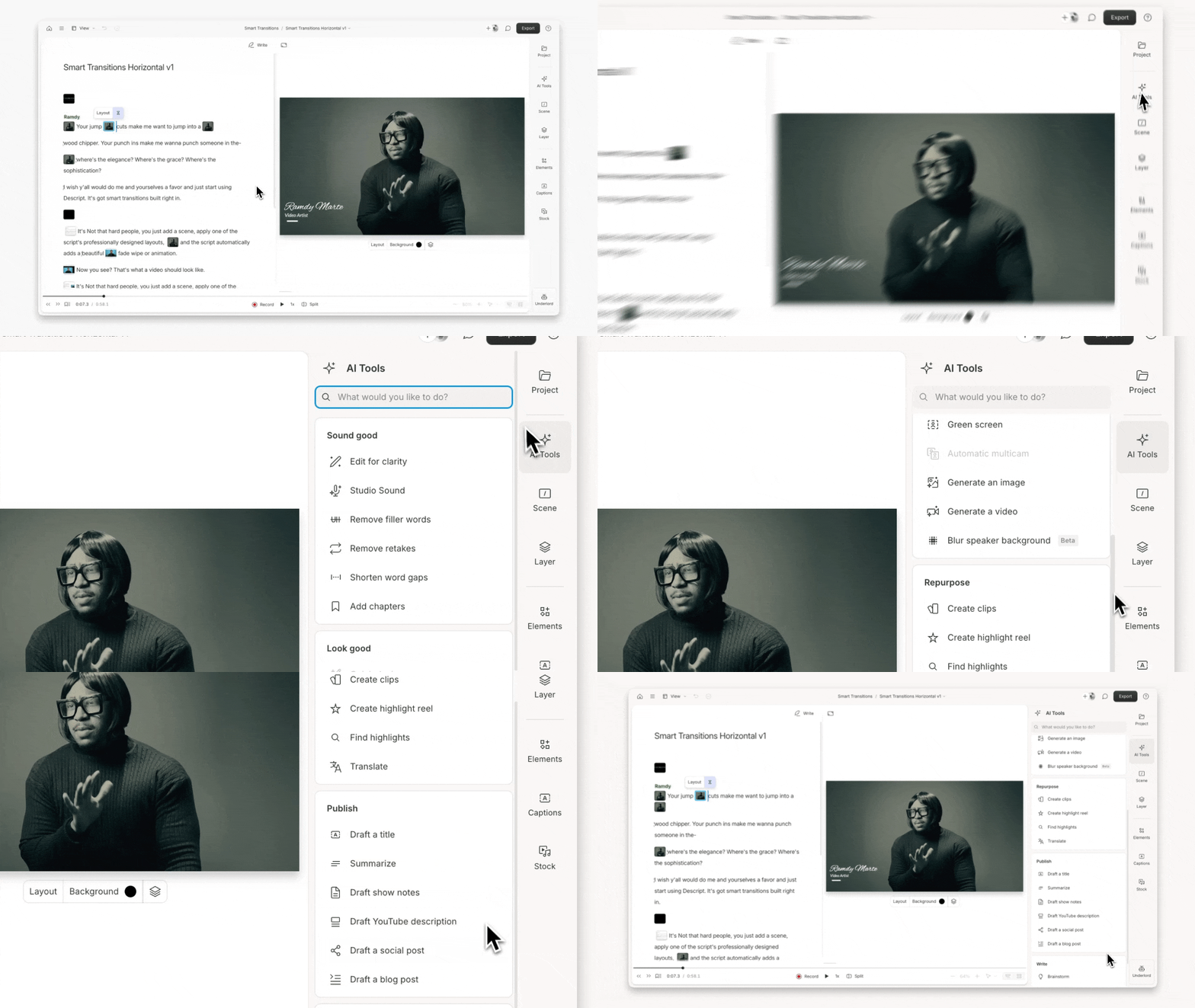
Most people can edit a Google Doc. Delete some words, rearrange sentences, fix typos, add paragraphs. It's intuitive and requires no special training. Now imagine editing video the same way. That's Descript's core innovation, and it transformed video editing from a specialized skill requiring expensive software into something anyone who can edit text can do effectively. Descript started as a transcription tool for podcasters. Record your podcast, upload it to Descript, and get an accurate transcript for show notes. But the founders realized something bigger. If you have a perfect transcript synchronized to audio, you can edit the audio by editing the text. Delete a word from the transcript and that word disappears from the audio. That insight became the foundation for a complete editing platform.
When a company raises $200 million in Series E funding during January 2026, investors are betting on more than potential. They're backing proven market demand and sustainable growth. Synthesia's funding round came alongside a 44% year-over-year increase in headcount to 706 employees, signaling aggressive expansion in a category the company essentially created: AI avatar-based video generation for enterprise training and communications. Corporate training videos have been expensive and slow to produce for decades. Recording a single 10-minute training module traditionally required booking a studio, hiring a presenter, scheduling a videographer, managing multiple takes, and editing everything together. If you needed to update information or translate content, you essentially started over. Synthesia eliminated this entire production workflow by replacing human presenters with AI avatars.

That is what I thought too until my teenager told me she uses TikTok DMs constantly to talk to her friends about personal stuff. Kids absolutely use this for real conversations.
What I appreciate about the article is that it does not pretend this was some purely organic moment. It acknowledges the strategic layer while still giving credit to the genuine connection.
This screams confidence and class! Though I might swap the black clutch for a metallic one to tie in with those amazing sandals.