That is a fair point but also worth noting that Fuqua clearly got an exceptional performance out of a first-time screen actor, which is itself a significant directorial achievement regardless of script issues.
18
Sign up to see more
SignupAlready a member?
LoginBy continuing, you agree to Sociomix's Terms of Service, Privacy Policy

That is a fair point but also worth noting that Fuqua clearly got an exceptional performance out of a first-time screen actor, which is itself a significant directorial achievement regardless of script issues.
Been waiting for this duo to drop something new ever since Bastard wrapped up its physical volumes. April 14 felt like a holiday for manhwa readers.
Fourteen chapters into a reread and catching setups from earlier chapters that pay off forty chapters later. The craft in this thing is serious.
Jooheon collecting relics that everyone else dismissed as broken or useless and then repairing them into weapons is such a satisfying power fantasy. It rewards preparation and knowledge over brute strength.
The comparison to Painter of the Night keeps coming up in discussions of this series and while I understand why, I think it sets up unfair expectations. Painter of the Night is a specific kind of morally dark story. This seems to be going for emotional complexity more than moral provocation.
God of High School's later arcs went off the rails visually though. Power scaling became so abstract the fights stopped being readable. Nano Machine maintains clarity even as the scale grows, which is exactly what GodHS lost.
Basically without major spoilers, the Itarim are entities from other universes who see Earth as unclaimed territory now that the system's original purpose is over. Their power level makes the original gate monsters look like warm-up enemies.
The part of this article about Dokja not being the strongest or most talented protagonist is exactly why I love this series. He wins through preparation and knowing the game, not because he was secretly overpowered all along.
The comparison to One Punch Man is honestly accurate. The comedy works the same way, where the absurdity comes from treating mundane things with completely disproportionate seriousness.
Nickup's linework is clean with expressive faces and the costume design is where the art really shines. The historical European setting gives a lot of visual opportunity and it is used well. Not groundbreaking but confidently executed and tonally appropriate.
Just here to say that as a non-technical founder who has tried to hire developers three separate times in the past four years and gotten burned each time, this feels like a personal vindication.
Veteran demon war commander in a young body trying to function in normal murim society before anyone knows what's coming is an incredible source of dramatic tension.
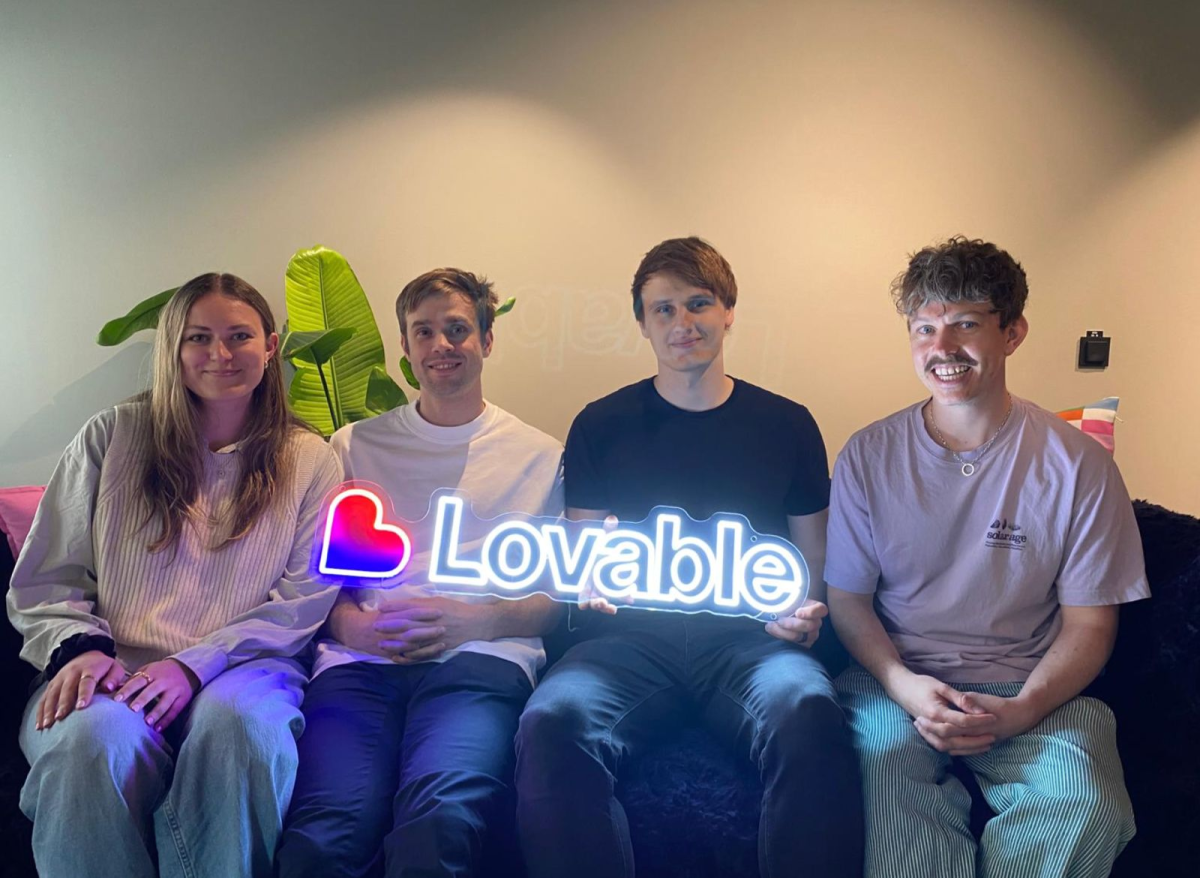
The software development world just witnessed something unprecedented. A European startup called Lovable reached $20 million in annual recurring revenue in just two months, making it potentially the fastest-growing startup in European history. But here's the twist that's making traditional software agencies nervous: they did it by giving non-technical founders the power to build full-stack applications without writing a single line of code. For years, the promise of no-code tools has been the same: anyone can build an app. But the reality has always been different. You'd create a beautiful frontend, get excited about your progress, and then hit the technical cliff. Suddenly you needed to configure databases, set up authentication, manage API keys, and deploy to servers. The "no-code" dream became a "hire-a-developer-anyway" nightmare.
In an extraordinary move signaling growing alarm over artificial intelligence capabilities, US Treasury Secretary Scott Bessent and Federal Reserve Chair Jerome Powell jointly summoned the nation's most powerful banking executives to an emergency meeting this week at Treasury headquarters in Washington, DC. The hastily arranged gathering centered on mounting cybersecurity concerns stemming from Anthropic's latest artificial intelligence system, known as Claude Mythos. The San Francisco-based AI company recently disclosed that its newest model demonstrates unprecedented abilities to identify and exploit software vulnerabilities, raising immediate red flags across the financial sector and national security establishment.
Institutional money is patient. They were buying the dip during two consecutive days of outflows and now the market is validating that positioning. That is a completely different dynamic from 2021 retail mania.
They are not contradictory at all. The Google and Broadcom deal secures compute for the next few years while the in-house chip program, if it proceeds, would not produce anything useful until 2028 or 2029 at the earliest. These are parallel tracks for different time horizons.
Respectfully disagree. Facebook gives you unlimited time to edit and the world has not collapsed. Instagram is being overcautious.
This framing of OpenAI versus Anthropic misses that a huge chunk of serious developers use both. The 79 percent overlap in paying customers across platforms is not a secret. This is an and market, not an or market.
In a rare divergence from industry norms, TikTok has confirmed it will not adopt end-to-end encryption (E2EE) for direct messages, breaking with nearly every major social media platform and reigniting one of the tech industry's most contentious debates. The Chinese-owned video platform told the BBC exclusively that it believes the privacy technology championed by Meta, Apple, and others as essential for user protection actually makes users less safe by creating "dark spaces" where harmful content can flourish beyond the reach of safety teams and law enforcement. The decision puts TikTok in direct opposition to its competitors while potentially exposing the company to fresh criticism over data protection, particularly given ongoing concerns about its ties to Beijing.
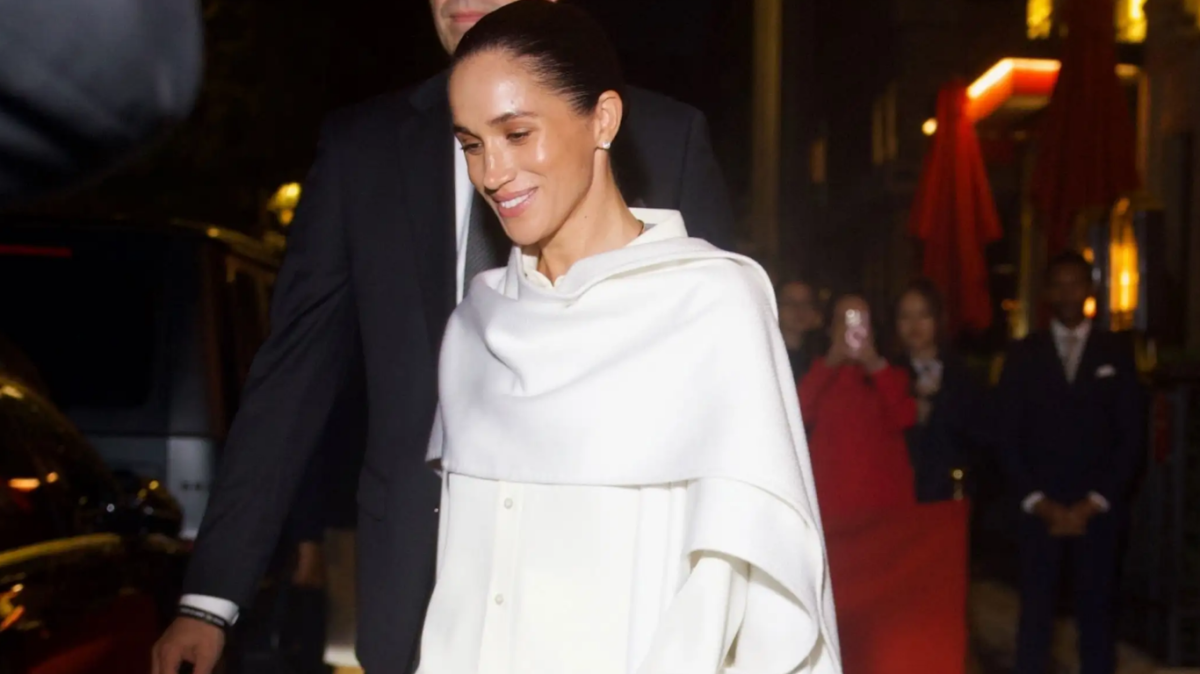
When you hear “Paris Fashion Week,” your mind races to haute couture, bold statements, and the world’s most glamorous attendees. But on October 4, 2025, the scene got a surprise guest—Meghan Markle, making what might be her most talked-about entrance yet. To call it a “debut” feels almost too neat, as if she’s stepping into a world she’s never touched. Yet, Meghan’s gradual evolution as a style influencer has been anything but accidental. Her Paris moment isn’t just celebrity spectacle; it’s a statement, a pivot, and a nuanced step into a new chapter. Here’s my take on why this matters.