
The series also quietly does something fascinating with Coach K by showing how a person can simultaneously care about someone and still be using them. Those two things coexisting without resolution is more honest than most fiction allows.
Sign up to see more
SignupAlready a member?
LoginBy continuing, you agree to Sociomix's Terms of Service, Privacy Policy

The series also quietly does something fascinating with Coach K by showing how a person can simultaneously care about someone and still be using them. Those two things coexisting without resolution is more honest than most fiction allows.
The comparison between Gongja's heroism and the traditional heroism characters feels relevant to a broader shift happening in fiction right now. Readers are increasingly skeptical of the effortless charismatic hero type. This series gives you something more honest.
Calling this one of the most ambitious manhwa-to-anime projects ever when we have zero episode count confirmed is a stretch. The ambition is assumed, not proven yet.
In a manhwa landscape dominated by dungeon crawling, regression narratives, and power fantasies, The Greatest Estate Developer stands out by asking a simple question: what if the protagonist's greatest weapon wasn't a sword or magic system, but civil engineering knowledge? This bizarre premise transforms into one of the most entertaining, genuinely funny, and surprisingly heartfelt series currently running, proving that innovation in storytelling comes from unexpected places. The series takes the familiar isekai setup where a modern person finds themselves in a fantasy world and completely subverts expectations. Instead of becoming an adventurer or hero, protagonist Kim Suho uses his engineering knowledge to revolutionize construction, infrastructure, and economic development. What sounds like it should be boring becomes absolutely captivating through sharp writing, excellent comedic timing, and genuine passion for showing how infrastructure improves lives.
Something the guide doesn't mention is that Ragnarok introduces the term Awakeners alongside Hunters from the original. It's a small world-building detail but it shows the world has changed, not just the protagonist.
The consent issue here is not small. There is actually an active class action lawsuit against Otter right now alleging that the tool recorded conversations without the informed consent of all participants, not just the meeting host. That is a significant legal exposure people should know about before deploying this at scale.
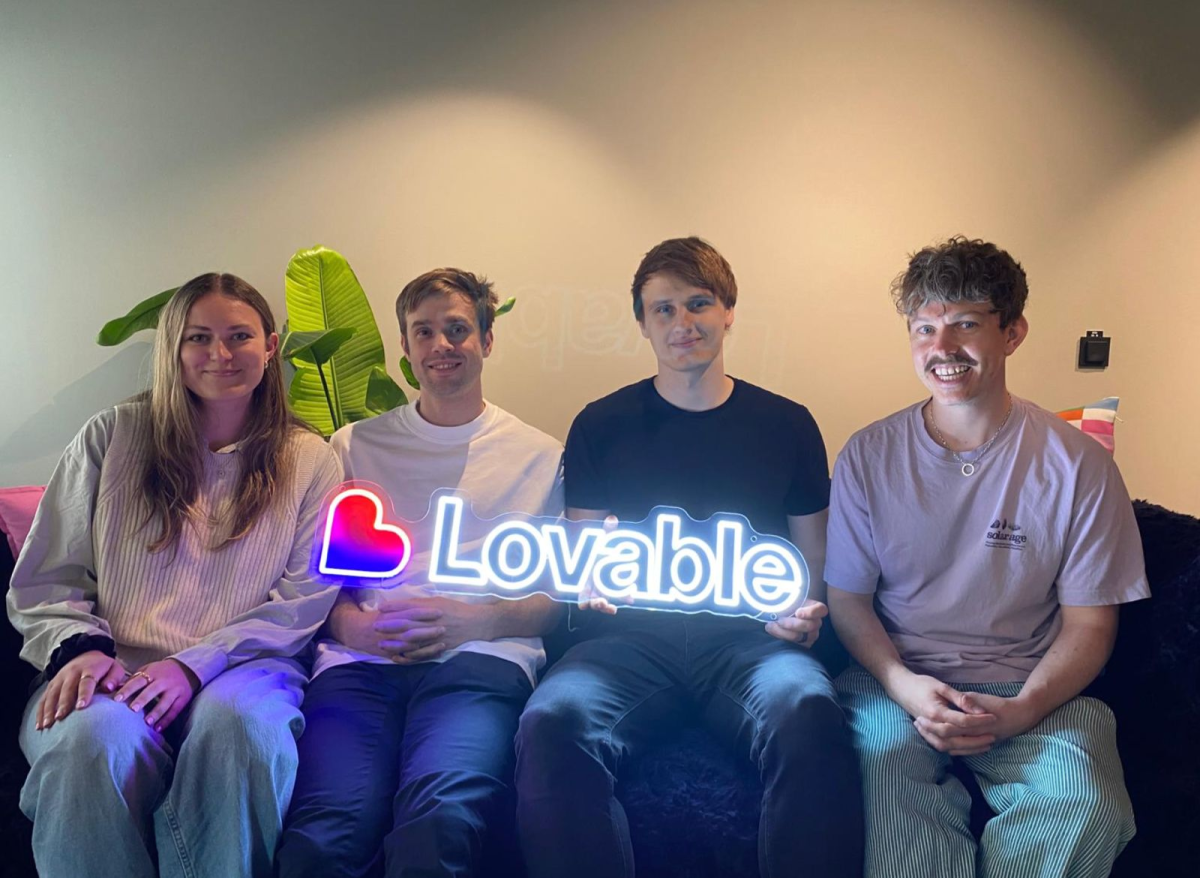
The software development world just witnessed something unprecedented. A European startup called Lovable reached $20 million in annual recurring revenue in just two months, making it potentially the fastest-growing startup in European history. But here's the twist that's making traditional software agencies nervous: they did it by giving non-technical founders the power to build full-stack applications without writing a single line of code. For years, the promise of no-code tools has been the same: anyone can build an app. But the reality has always been different. You'd create a beautiful frontend, get excited about your progress, and then hit the technical cliff. Suddenly you needed to configure databases, set up authentication, manage API keys, and deploy to servers. The "no-code" dream became a "hire-a-developer-anyway" nightmare.
The article talks about Korean storytelling bringing fresh perspectives but does not engage with the fact that a lot of these premises, regression, system integration, hidden power, are just as formulaic as the manga genres they are supposedly refreshing.
Three months ago I had an idea. Last month I had paying customers. This tool was the difference. No exaggeration.
The comparison to having a 1-person team ship what a 4-person team did two years ago is starting to feel conservative honestly.
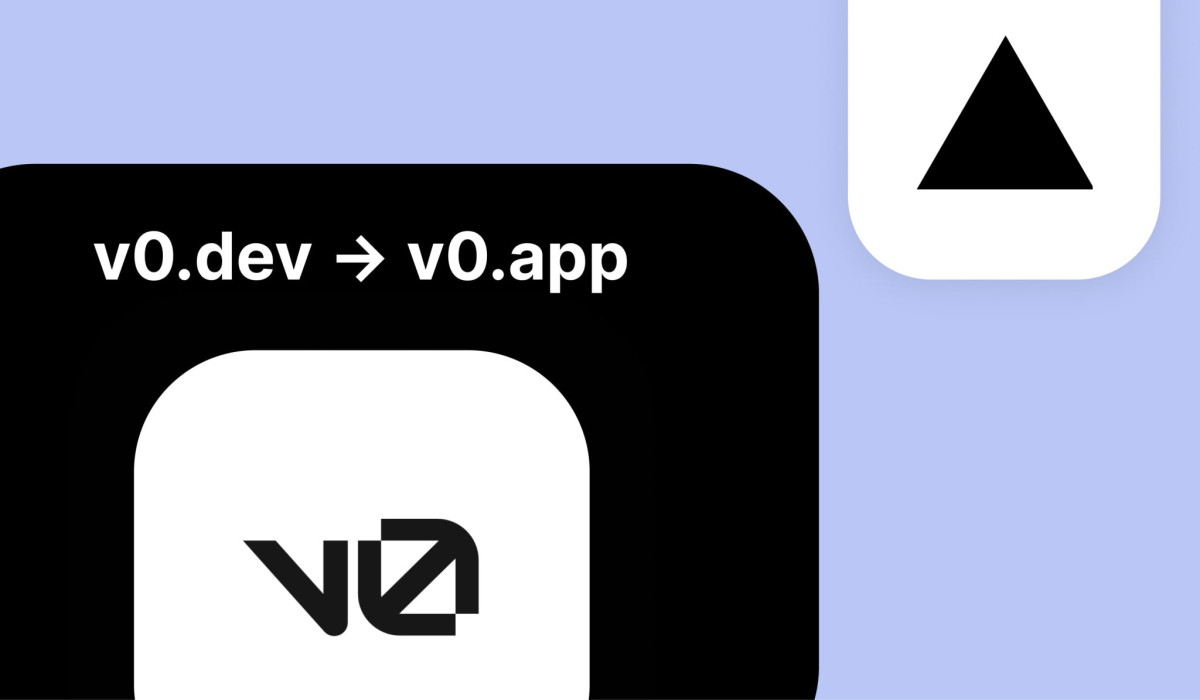
The designer-developer relationship has been tense for decades. Designers create pixel-perfect mockups in Figma. Developers translate them to code and somehow everything looks slightly wrong. Fonts don't match. Spacing is inconsistent. Buttons have different corner radiuses. Both sides get frustrated, blame each other, and the product suffers. V0 by Vercel is fixing this problem by generating production-quality React components that look exactly like the designs. The rebrand from v0.dev to v0.app in January 2026 signaled expanded ambitions beyond just UI component generation. Vercel positioned the tool for full-stack web development, though its core strength remains frontend excellence. That strategic clarity matters because trying to be everything often means excelling at nothing. V0 chose to dominate the handoff between design and code before expanding into other areas.
79% of OpenAI enterprise customers also pay for Anthropic. So much for this being a zero sum battle. Enterprises are just buying both and letting their teams pick.
As someone who works in enterprise software procurement, the fact that 70 percent of Fortune 100 companies now use Claude is the number that should be front and center of this article, not subscription tier comparisons.
The artificial intelligence industry is entering a new phase of competition, one that extends far beyond the development of advanced language models and neural networks. Companies are now engaged in an intense struggle to secure the computational infrastructure necessary to train and deploy their AI systems. In this context, Anthropic has reportedly begun exploring the possibility of designing and manufacturing its own specialized processors to power Claude, its flagship conversational AI platform, along with its broader suite of artificial intelligence technologies. This strategic consideration emerges at a critical moment in the global AI sector. The exponential growth in model complexity and capability has created unprecedented demand for high-performance computing resources. Sources familiar with the matter indicate that Anthropic is conducting feasibility studies to determine whether developing proprietary semiconductor technology could reduce its dependence on external hardware vendors while ensuring reliable access to the computing power required for its operations.
The palm tree detail on those sneakers is everything! I wonder if they come in other colors?