
That is a fair point about backgrounds in the webtoon format but JH leans into that limitation so deliberately that it transforms into a feature rather than a bug.
19
Sign up to see more
SignupAlready a member?
LoginBy continuing, you agree to Sociomix's Terms of Service, Privacy Policy

That is a fair point about backgrounds in the webtoon format but JH leans into that limitation so deliberately that it transforms into a feature rather than a bug.
If you're new to manhwa or looking to understand what all the hype is about regarding system and leveling stories, you've arrived at exactly the right place. The system genre has become one of the most popular and accessible entry points into Korean comics, offering clear progression mechanics, satisfying power growth, and narratives that feel like playing your favorite RPG or video game brought to life on the page. System manhwa feature protagonists who gain access to game-like interfaces that display stats, skills, quests, and levels. These systems provide clear frameworks for character growth and power progression. You can literally see the protagonist getting stronger through numbers increasing, new abilities unlocking, and challenges being overcome. This visual and concrete progression creates deeply satisfying reading experiences that hook readers from the first chapter.
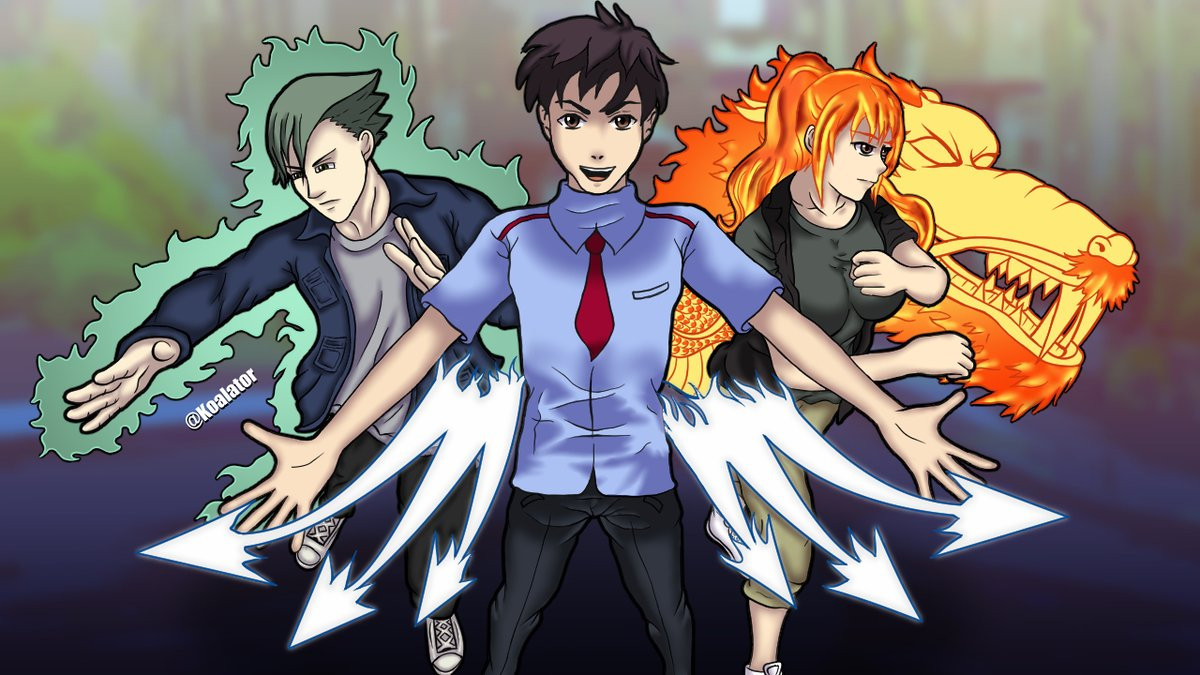
The Dokja and Joonghyuk dynamic is what got me completely hooked. The idea of someone knowing everything about a person before even meeting them, and then that person slowly realizing it, is such good dramatic tension.
The rough early chapters are kind of the point though. You are supposed to see Gongja at his most petty and unimpressive. If the beginning were polished and cool the transformation would mean nothing.
In a manhwa landscape dominated by dungeon crawling, regression narratives, and power fantasies, The Greatest Estate Developer stands out by asking a simple question: what if the protagonist's greatest weapon wasn't a sword or magic system, but civil engineering knowledge? This bizarre premise transforms into one of the most entertaining, genuinely funny, and surprisingly heartfelt series currently running, proving that innovation in storytelling comes from unexpected places. The series takes the familiar isekai setup where a modern person finds themselves in a fantasy world and completely subverts expectations. Instead of becoming an adventurer or hero, protagonist Kim Suho uses his engineering knowledge to revolutionize construction, infrastructure, and economic development. What sounds like it should be boring becomes absolutely captivating through sharp writing, excellent comedic timing, and genuine passion for showing how infrastructure improves lives.

Fair point but the bottleneck moving still matters enormously. If the hard part shifts from production to scripting, you can now have subject matter experts doing the work instead of waiting for studio availability. That is a real efficiency gain even if it is not magic.
Real talk: the trust issue with AI coding tools is not improving. Developers I know are using these tools more while trusting them less, which means they are generating faster and reviewing harder.
Honestly the most interesting competitive dynamic right now is not HeyGen versus Synthesia. It is what happens when every major creative platform adds an AI presenter feature natively. That is the existential question for standalone avatar video tools.
Being honest: I was a Runway skeptic through Gen-1 and Gen-2. Gen-3 started to change my mind. Gen-4.5 is the first version where I am recommending it to clients without qualifications.
Veteran demon war commander in a young body trying to function in normal murim society before anyone knows what's coming is an incredible source of dramatic tension.
As a solo podcaster with no production background, Descript was the first time I finished editing a full episode and felt proud of it rather than just relieved it was done. That emotional shift is real and this article captures it well.
In a medium filled with talented artists producing stunning work, making a claim about any series having the "best" art feels bold. Yet Nano Machine consistently delivers combat sequences so fluid, detailed, and visually innovative that even readers who don't typically care about martial arts stories find themselves captivated by the sheer spectacle on display. The series combines traditional murim aesthetics with futuristic sci-fi elements, creating a unique visual identity that stands apart from typical cultivation manhwa. The nano machine implanted in protagonist Cheon Yeo-Woon's body doesn't just give him power. It becomes a storytelling device that allows the artist to visualize techniques, energy flows, and combat analysis in ways other series can't replicate.

That distinction between social position and narrative position is the kind of thing this series seems built to explore. Elliot can move differently than a female protagonist but the story is still organized around his death. Freedom of movement within a predetermined ending.
Voice cloning consistency is the sleeper feature here. Personal brand recognition is built on voice as much as face, and being able to maintain that audio identity across hundreds of videos without recording each one is actually kind of profound.
This is fundamentally a story about what happens when you pick a boring unsexy enterprise use case and execute on it for eight years while everyone else chases the consumer market. Corporate training is not glamorous. The financials very much are.
Just want to say the personalization at scale use case is genuinely underrated. Sending personalized video messages to thousands of customers for birthdays or follow-ups was a white-glove, high-cost service before. Now it is a flow in a CRM.
Both companies are burning through cash at a pace that would bankrupt most Fortune 500 firms and we're all just nodding along like this is fine.
The article mentioned that 4% of all public GitHub commits are now authored by Claude Code with projections of 20% by year end. If that 20% projection is accurate, the implications for junior developer hiring are going to be severe.
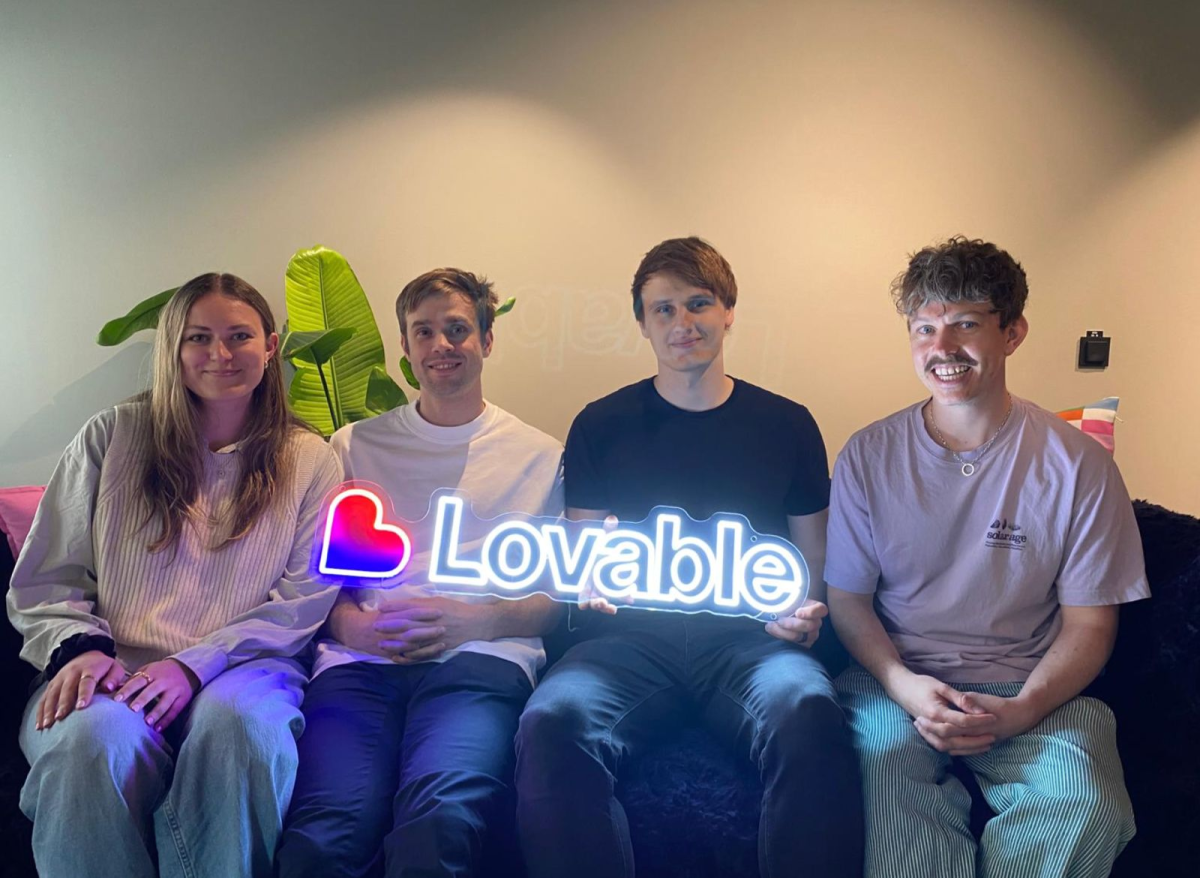
The software development world just witnessed something unprecedented. A European startup called Lovable reached $20 million in annual recurring revenue in just two months, making it potentially the fastest-growing startup in European history. But here's the twist that's making traditional software agencies nervous: they did it by giving non-technical founders the power to build full-stack applications without writing a single line of code. For years, the promise of no-code tools has been the same: anyone can build an app. But the reality has always been different. You'd create a beautiful frontend, get excited about your progress, and then hit the technical cliff. Suddenly you needed to configure databases, set up authentication, manage API keys, and deploy to servers. The "no-code" dream became a "hire-a-developer-anyway" nightmare.
Respectfully, the article is underselling how competitive the field is at this exact moment. The same week Muse Spark launched, Google, OpenAI, and Anthropic all had major moves. Meta got a good headline but the frontier labs are not standing still.