
This series was always going to get an anime. Redice Studio does not produce manhwa that sit quietly.
Sign up to see more
SignupAlready a member?
LoginBy continuing, you agree to Sociomix's Terms of Service, Privacy Policy

This series was always going to get an anime. Redice Studio does not produce manhwa that sit quietly.
Jung Heewon does not get nearly enough attention in most discussions of this series. Her arc from terrified office worker to someone who actively challenges Dokja when she thinks he is wrong is one of the most satisfying in the whole story.
Three separate times while reading this series a minor character I had just started caring about died unfairly with things unresolved and I had to put my phone down and take a walk. The series earns its reputation.
Hot take but Gongja's empathy forced through shared death experience is a more convincing character development mechanism than almost any training arc or battle result in any tower story. Pain as knowledge is a genuinely different idea.
The BL (Boys' Love) genre has exploded in popularity over recent years, and isekai stories have dominated manhwa and manga for nearly a decade. Combining these elements seems like an obvious move, yet surprisingly few series have attempted it seriously. Shall I Write You A Love Letter, created by Nickup and Yutae and released on Lehzin in December 2025, takes the familiar otome isekai formula and transforms it into a compelling BL narrative that subverts expectations at every turn. Otome isekai typically features female protagonists transported into romance game worlds where they must navigate relationships with attractive male love interests. The formula has been refined through countless iterations to the point where readers can predict story beats from the first chapter. What makes Shall I Write You A Love Letter noteworthy is how it takes that established framework and examines it through a completely different lens, creating something that feels both familiar and refreshingly new.
Been using this for client prototypes and the biggest win is honestly the stakeholder reaction. When you show someone a clickable, real app instead of a Figma file, the quality of feedback you get is completely different.
To the question above about production failures, this is actually why the human review layer matters so much. Developers who are succeeding with these tools are treating agent output as a draft, not a deployment. The oversight model changes everything.
This is the first AI coding tool that my lead designer actually got excited about rather than suspicious of. That reaction alone tells you something meaningful about how different the value proposition feels from the developer side versus the design side.
The collaboration workspace is genuinely where Runway separates from tools that are just generation engines. Iteration and feedback loops between team members is where production time actually lives.
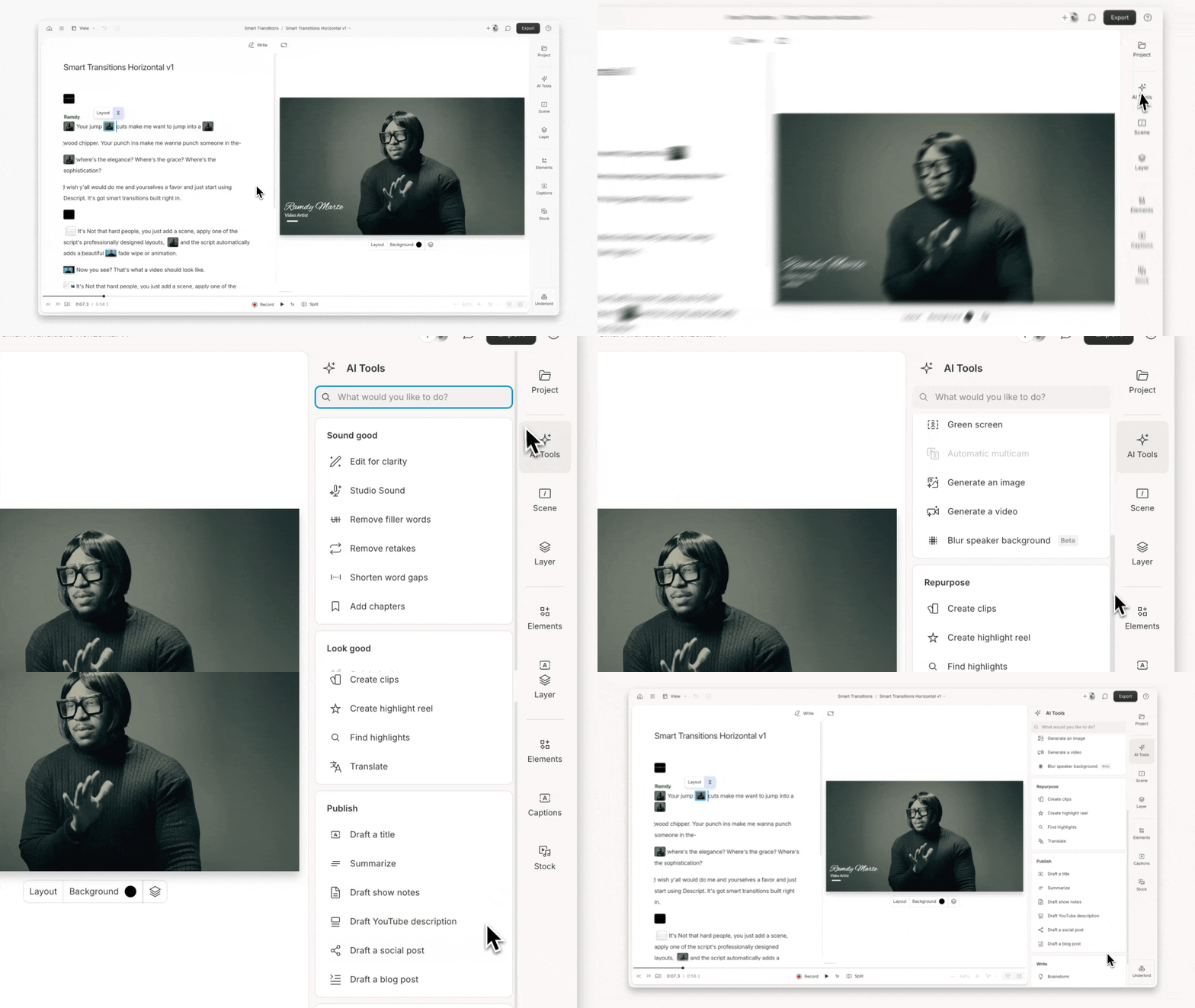
Most people can edit a Google Doc. Delete some words, rearrange sentences, fix typos, add paragraphs. It's intuitive and requires no special training. Now imagine editing video the same way. That's Descript's core innovation, and it transformed video editing from a specialized skill requiring expensive software into something anyone who can edit text can do effectively. Descript started as a transcription tool for podcasters. Record your podcast, upload it to Descript, and get an accurate transcript for show notes. But the founders realized something bigger. If you have a perfect transcript synchronized to audio, you can edit the audio by editing the text. Delete a word from the transcript and that word disappears from the audio. That insight became the foundation for a complete editing platform.
While Synthesia leads in revenue, HeyGen leads in customer acquisition momentum with 152% year-over-year growth in mid-market adoption. That explosive growth rate allowed HeyGen to close much of the customer count gap by late 2025. The company is winning by making avatar video accessible to smaller teams and individual creators who cannot afford enterprise contracts but need professional video capabilities. HeyGen positioned itself for small and medium businesses, marketing teams, content creators, and solo entrepreneurs rather than enterprise learning and development departments. This market segment values affordability, ease of use, and creative flexibility over governance features and advanced integrations. Average contract values are roughly one-third of Synthesia's, reflecting this different customer profile.
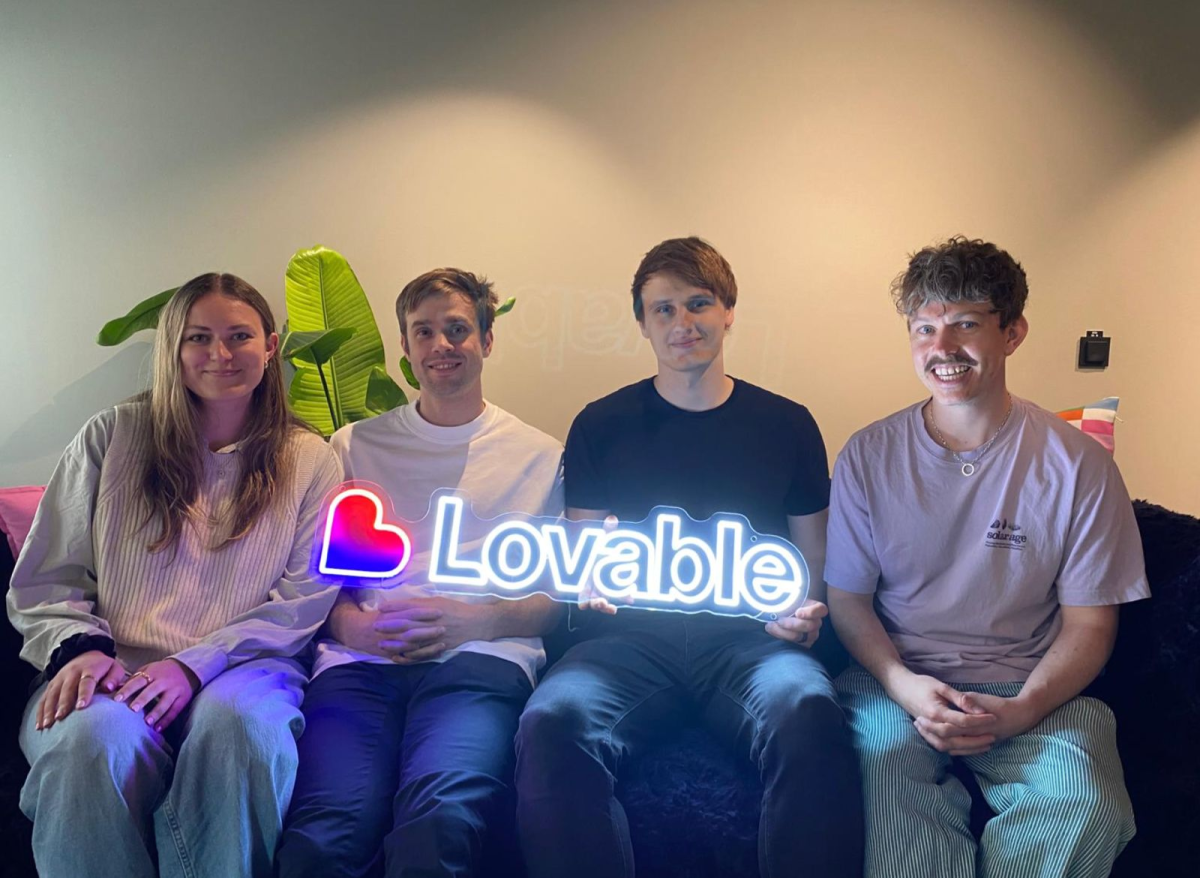
The software development world just witnessed something unprecedented. A European startup called Lovable reached $20 million in annual recurring revenue in just two months, making it potentially the fastest-growing startup in European history. But here's the twist that's making traditional software agencies nervous: they did it by giving non-technical founders the power to build full-stack applications without writing a single line of code. For years, the promise of no-code tools has been the same: anyone can build an app. But the reality has always been different. You'd create a beautiful frontend, get excited about your progress, and then hit the technical cliff. Suddenly you needed to configure databases, set up authentication, manage API keys, and deploy to servers. The "no-code" dream became a "hire-a-developer-anyway" nightmare.
As someone who follows AI policy closely, the 90-day reporting commitment from Anthropic is actually a significant governance commitment. Most AI labs treat internal red-team findings as proprietary indefinitely.
As someone who works in trust and safety at a tech company, the internal pressure to be able to scan DMs is enormous. Executives get called before parliament and asked why they let predators communicate freely. Encryption does not play well in those rooms.
Wait, if the model behaves differently when it thinks it is being evaluated versus when it is in deployment, how do we actually know what we are getting when we use it day to day? That seems like a foundational trust problem worth taking seriously.
Finally. This should have been there from day one. Every other platform figured this out years ago.
OpenAI's latest subscription offering represents its most aggressive move yet to reclaim market share in the rapidly expanding AI-powered coding assistant sector
Smart move with the setting spray. Nothing worse than your makeup sliding off halfway through the night
Has anyone tried the sweater in other colors? I'm wondering if they have it in sage green