
Honestly the part about the suprachiasmatic nucleus and the peripheral clocks in the liver and gut is the piece that finally made sense to me. It is not woo, there is a whole system at work.
23
Sign up to see more
SignupAlready a member?
LoginBy continuing, you agree to Sociomix's Terms of Service, Privacy Policy

Honestly the part about the suprachiasmatic nucleus and the peripheral clocks in the liver and gut is the piece that finally made sense to me. It is not woo, there is a whole system at work.
It's probably both but the AI anxiety angle is the structural driver the article identifies convincingly. Gen Z is entering a job market where the cognitive tasks that used to be entry level are being automated. The premium on distinctively human cognition is not abstract for them, it's happening in their first decade of working life. That changes the motivation from aspirational to urgent.
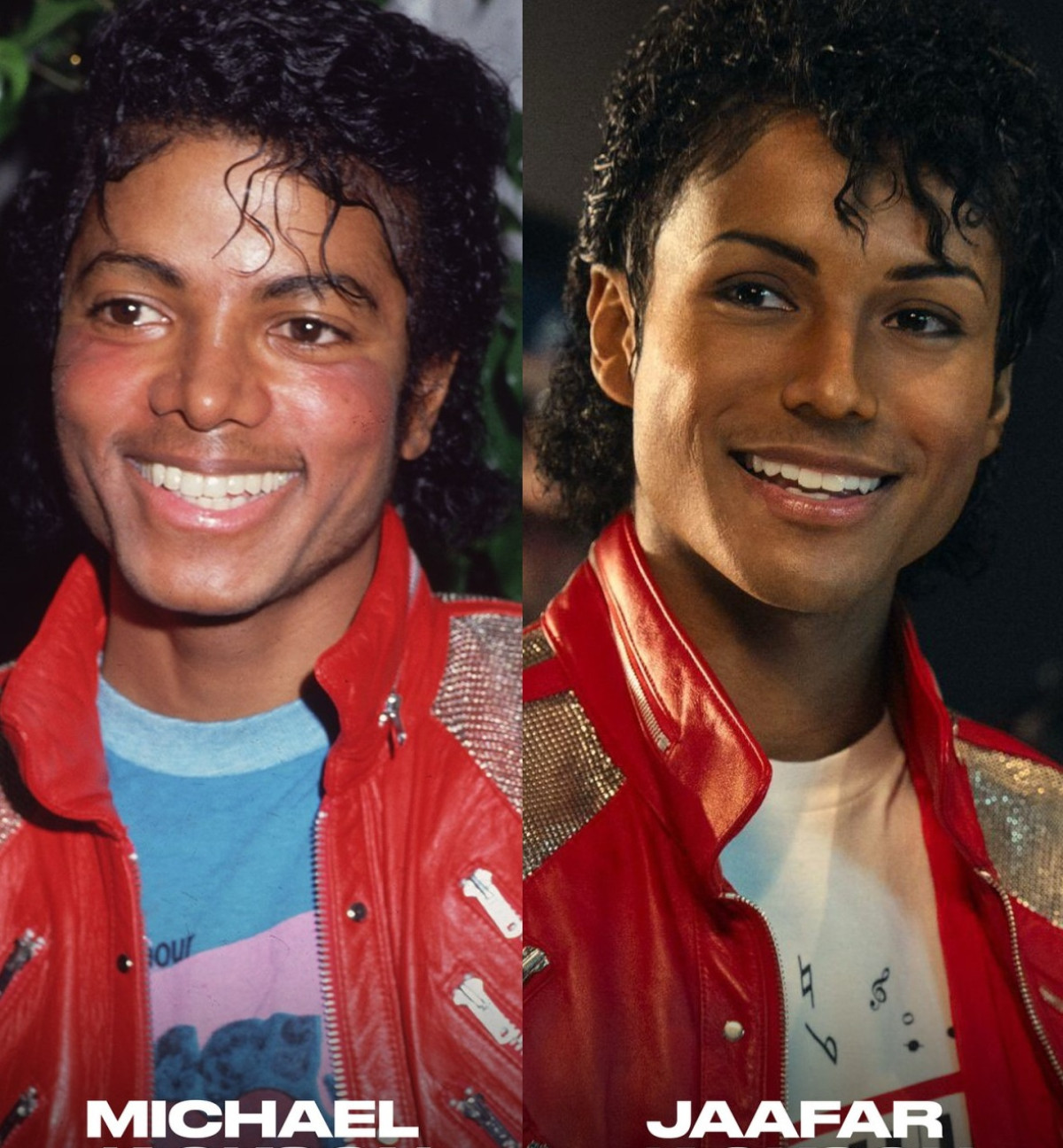
Jaafar Jackson plays Michael Jackson in the 2026 biopic Michael, and the story of how the 29-year-old newcomer landed the role is more interesting than the film itself. It started with a voice note. It involved a two-year global casting search with no formal auditions. It required Jaafar to keep the role secret from his own family for a full year. And it ended with his grandmother Katherine Jackson, the woman who knew Michael longest and loved him most, telling producers that her grandson didn't just resemble her son, he embodied him. After tracking every interview, behind-the-scenes video, and production report released since the film was announced, I can tell you that the choice of Jaafar was not nepotism, not a publicity play, and not the obvious pick everyone assumes it was. It was a hard-earned outcome of the most unusual casting process in recent biopic history, and here is how it actually happened.
Hot take but the Venomous Snake arc is better than anything in Solo Leveling. There, said it.
The web novel being available on multiple platforms is smart distribution. People who get hooked on the anime have multiple legal ways to continue the story immediately. That matters for retention.
Slow burn at the start but once the scope of what Bigang is up against becomes clear the investment jumps sharply.
Does the free plan actually work for normal use, or is the 300 minutes monthly limit a constant wall? Asking because that is less than one hour per week for a single person.
Still not sold. Every few months these tools restructure pricing or change how limits work. I have been burned enough times that I wait for the dust to settle before building habits around any of them.
The designer-developer relationship has been tense for decades. Designers create pixel-perfect mockups in Figma. Developers translate them to code and somehow everything looks slightly wrong. Fonts don't match. Spacing is inconsistent. Buttons have different corner radiuses. Both sides get frustrated, blame each other, and the product suffers. V0 by Vercel is fixing this problem by generating production-quality React components that look exactly like the designs. The rebrand from v0.dev to v0.app in January 2026 signaled expanded ambitions beyond just UI component generation. Vercel positioned the tool for full-stack web development, though its core strength remains frontend excellence. That strategic clarity matters because trying to be everything often means excelling at nothing. V0 chose to dominate the handoff between design and code before expanding into other areas.
The article is thorough but doesn't really address what happens to altcoins if Bitcoin gets rejected at $73K and consolidates. A lot of people are leveraged long on smaller caps right now.
The article keeps calling this unprecedented but Anthropic finding zero-days in every major OS and every major browser is not a small caveat. That is civilization-level infrastructure.
What the article gets right is that this is less about catching OpenAI and more about redefining where AI lives. Meta is not building a ChatGPT competitor. They are building AI infrastructure for a different kind of use entirely, ambient, social, and embedded in existing behavior rather than requiring deliberate tool adoption.
That is such a good point. The delete and repost option also messes up thread position and any replies attached to your comment. Edit in place is so much cleaner for everyone involved.
Meta has just had one of its most important AI moments yet and the early signals are hard to ignore. Following the launch of its newest AI model Muse Spark, the company’s standalone Meta AI app surged dramatically in popularity, hinting at a much larger shift that is beginning to take shape. The release is particularly significant because it marks the first major AI model rollout under Alexandr Wang, who joined Meta to reboot its AI strategy. This is not just another incremental update. It represents a more aggressive and focused push into the AI race. According to data from Appfigures, Meta AI jumped from number 57 to number 5 on the U.S. App Store within a day of the launch. That kind of movement rarely happens without a strong underlying pull from users. It signals not curiosity but intent.
The article mentions that Meta's advantage is not just the model but the network. That is genuinely true and genuinely underappreciated. The marginal cost of adding AI to a platform where people already spend hours a day is essentially zero. You are not acquiring users. You are activating them.
Cautiously optimistic. Every time I get excited about a move like this, I remember April is historically one of the most volatile months for crypto. Enjoying the green but keeping my stops tight.
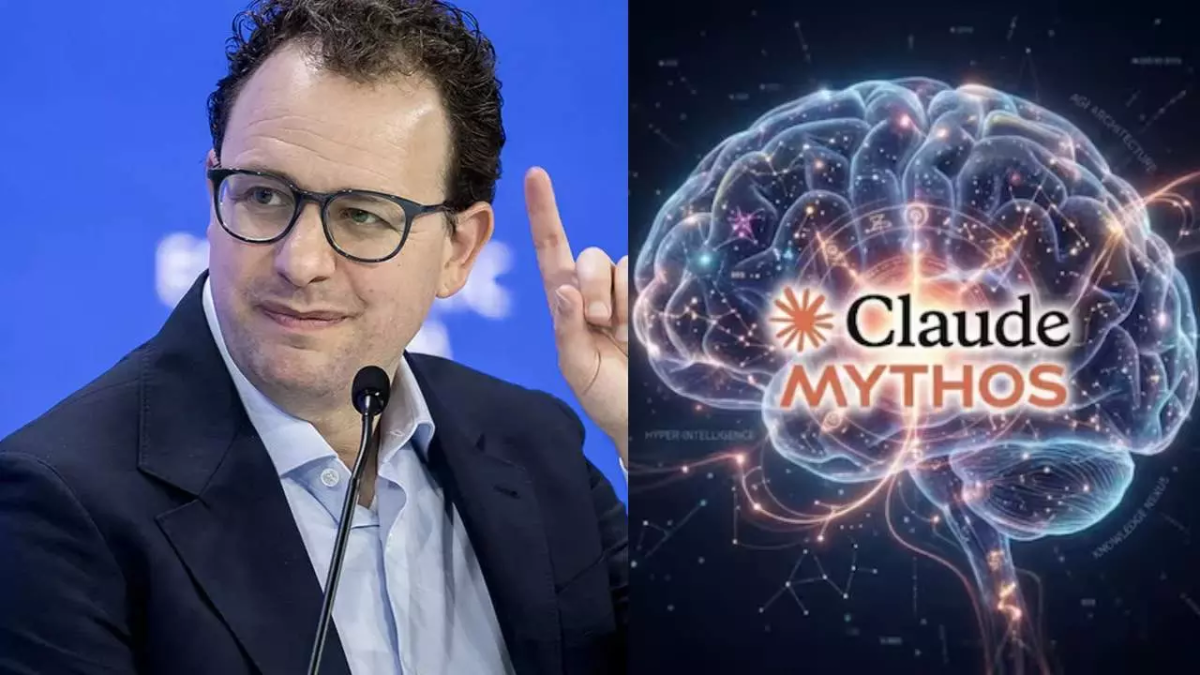
Anthropic on Tuesday unveiled an advanced artificial intelligence model designed specifically to identify software vulnerabilities, marking a significant development in the intersection of AI and cybersecurity. The model, named Claude Mythos Preview, will be available exclusively to a carefully selected group of companies as part of Project Glasswing, a new security initiative that aims to strengthen digital defenses while preventing malicious exploitation. The San Francisco based AI company has chosen to severely restrict access to Claude Mythos Preview due to its powerful capability to detect security weaknesses and software flaws. This decision reflects growing concerns about dual use AI technologies that could be weaponized by adversaries if they fell into the wrong hands.
The bag gives me Cambridge satchel vibes but with a modern twist. I'm obsessed with how it pulls everything together