
Sad but probably accurate. The formal properties of manhwa reading are so specific to the medium that something always gets lost in translation to screen. Sweet Home was good but the webtoon is still superior.
12
Sign up to see more
SignupAlready a member?
LoginBy continuing, you agree to Sociomix's Terms of Service, Privacy Policy

Sad but probably accurate. The formal properties of manhwa reading are so specific to the medium that something always gets lost in translation to screen. Sweet Home was good but the webtoon is still superior.
Physical security at modern datacenters is fascinating from a career standpoint. It genuinely sits at the intersection of traditional security work and advanced systems integration. Not what most people picture when they think about tech careers.
The Uptime Institute keeps saying companies are making the skills crisis worse by demanding over-ambitious qualifications. Asking for ten years of liquid cooling experience when liquid cooling has not even been mainstream for ten years is a real problem.
The article frames this as a pivot for laid-off tech workers but honestly the opportunity is just as big for people coming from trades. An electrician with datacenter experience right now is earning what some software engineers make.
For people on the fence, chapters one and two are a slow burn but chapter three completely changed my read on everything that came before. Give it at least that far.
I have tried recommending this to friends who only watch anime and they consistently bounce off it after the first few chapters. The payoff requires investment that not everyone is willing to make. Not a flaw exactly, but worth flagging.
The designer-developer relationship has been tense for decades. Designers create pixel-perfect mockups in Figma. Developers translate them to code and somehow everything looks slightly wrong. Fonts don't match. Spacing is inconsistent. Buttons have different corner radiuses. Both sides get frustrated, blame each other, and the product suffers. V0 by Vercel is fixing this problem by generating production-quality React components that look exactly like the designs. The rebrand from v0.dev to v0.app in January 2026 signaled expanded ambitions beyond just UI component generation. Vercel positioned the tool for full-stack web development, though its core strength remains frontend excellence. That strategic clarity matters because trying to be everything often means excelling at nothing. V0 chose to dominate the handoff between design and code before expanding into other areas.

In a medium filled with talented artists producing stunning work, making a claim about any series having the "best" art feels bold. Yet Nano Machine consistently delivers combat sequences so fluid, detailed, and visually innovative that even readers who don't typically care about martial arts stories find themselves captivated by the sheer spectacle on display. The series combines traditional murim aesthetics with futuristic sci-fi elements, creating a unique visual identity that stands apart from typical cultivation manhwa. The nano machine implanted in protagonist Cheon Yeo-Woon's body doesn't just give him power. It becomes a storytelling device that allows the artist to visualize techniques, energy flows, and combat analysis in ways other series can't replicate.

Voice cloning consistency is the sleeper feature here. Personal brand recognition is built on voice as much as face, and being able to maintain that audio identity across hundreds of videos without recording each one is actually kind of profound.
The year 2026 marks a pivotal moment in the evolution of manhwa as a medium. What started as a trickle of Korean comics receiving anime adaptations has become a flood, with at least fifteen confirmed projects bringing beloved manhwa to animated life. This explosive growth wasn't accidental but the inevitable result of Solo Leveling's massive success proving that manhwa adaptations can compete with traditional manga anime in quality, popularity, and profitability. Studios across Japan and Korea are investing heavily in manhwa properties, recognizing that Korean storytelling brings fresh perspectives, innovative premises, and built-in fanbases eager to see their favorite series animated. The diversity of genres receiving adaptations demonstrates that manhwa appeal extends far beyond action and fantasy into romance, psychological thriller, sports, and slice-of-life territories.

The comparison to Hajime no Ippo is interesting but they are almost opposite stories. Ippo is about climbing toward the top through effort and heart. The Boxer is about what happens at the very top when effort is irrelevant.
In a manhwa landscape dominated by dungeon crawling, regression narratives, and power fantasies, The Greatest Estate Developer stands out by asking a simple question: what if the protagonist's greatest weapon wasn't a sword or magic system, but civil engineering knowledge? This bizarre premise transforms into one of the most entertaining, genuinely funny, and surprisingly heartfelt series currently running, proving that innovation in storytelling comes from unexpected places. The series takes the familiar isekai setup where a modern person finds themselves in a fantasy world and completely subverts expectations. Instead of becoming an adventurer or hero, protagonist Kim Suho uses his engineering knowledge to revolutionize construction, infrastructure, and economic development. What sounds like it should be boring becomes absolutely captivating through sharp writing, excellent comedic timing, and genuine passion for showing how infrastructure improves lives.

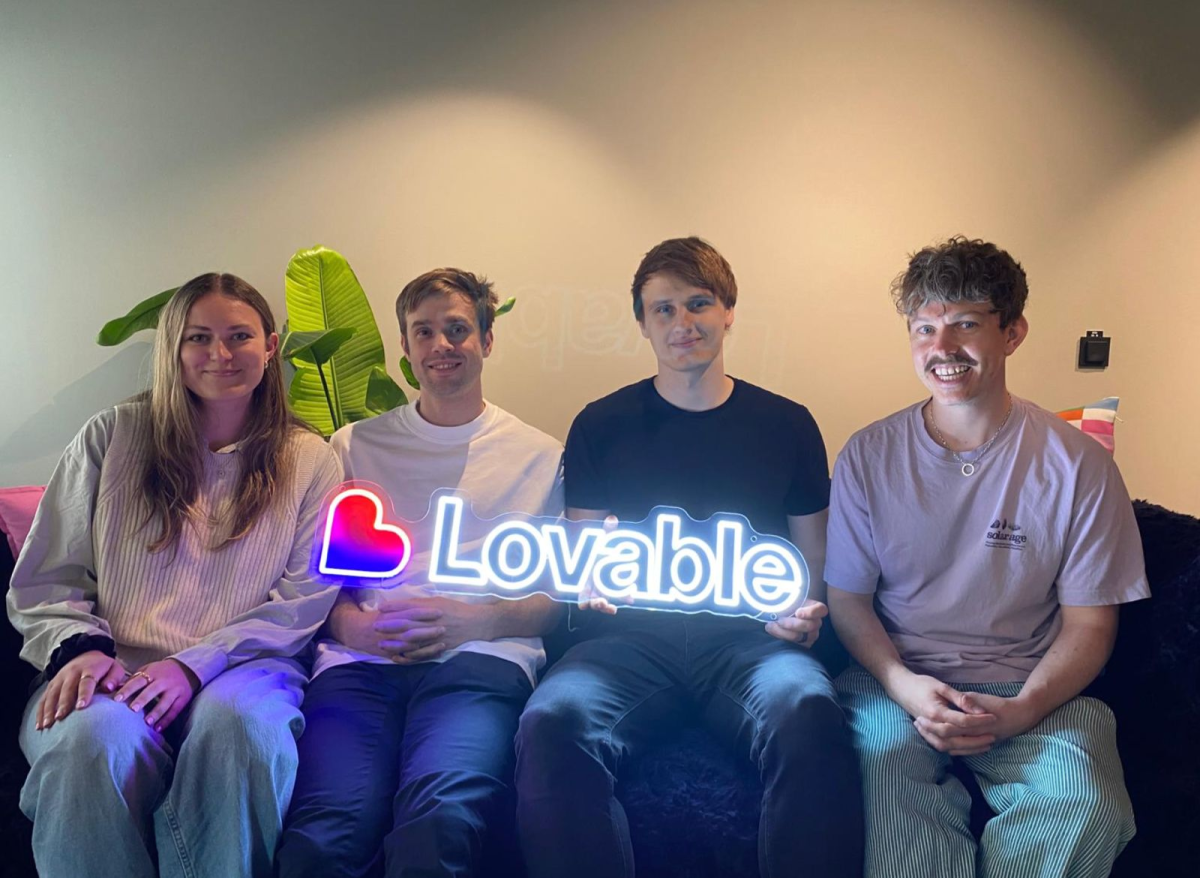
The software development world just witnessed something unprecedented. A European startup called Lovable reached $20 million in annual recurring revenue in just two months, making it potentially the fastest-growing startup in European history. But here's the twist that's making traditional software agencies nervous: they did it by giving non-technical founders the power to build full-stack applications without writing a single line of code. For years, the promise of no-code tools has been the same: anyone can build an app. But the reality has always been different. You'd create a beautiful frontend, get excited about your progress, and then hit the technical cliff. Suddenly you needed to configure databases, set up authentication, manage API keys, and deploy to servers. The "no-code" dream became a "hire-a-developer-anyway" nightmare.
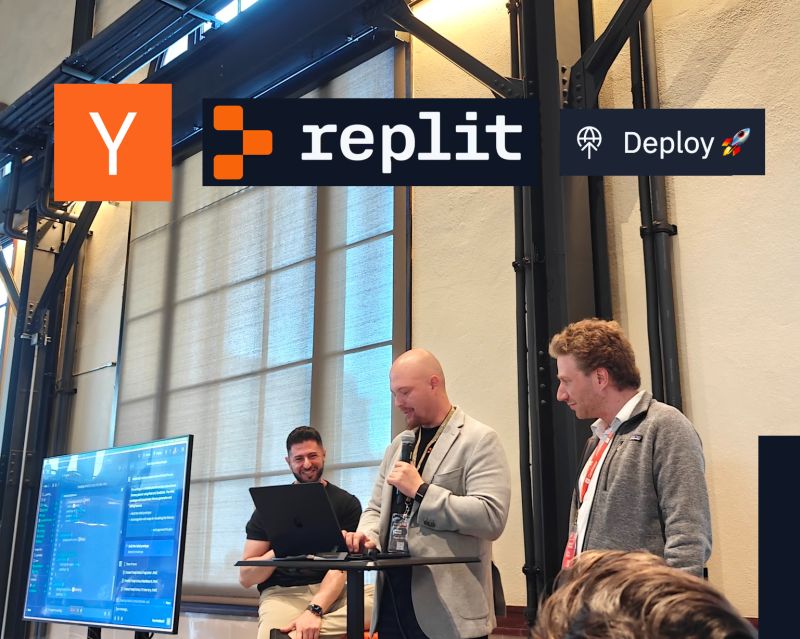
When a company's revenue jumps from $10 million to $100 million in nine months, you pay attention. When that growth comes from an AI agent that builds entire applications autonomously, you realize something fundamental just changed in software development. Replit Agent represents that change, and the numbers prove developers are ready for it. Replit started as a browser-based coding environment for education. Students could write Python or JavaScript without installing anything locally. Teachers loved it because setup time vanished. But the company saw something bigger. If you could run code in the browser, why not let AI write that code? That question led to Agent 3, an AI that doesn't just suggest code completions. It builds entire applications from scratch.
What's the realistic scenario where Bitcoin holds above $72K for more than two weeks? Walk me through what needs to go right.
The benchmarks are basically a wash at this point. Both tools are within a couple percentage points of each other on most real tasks. Pricing and workflow fit matter more than model scores now.
Hot take, TikTok is the most honest platform out there right now. At least they are telling you upfront that they can read your messages. Meta spent years pretending to care about E2EE and then quietly rolled it back this spring.
Codex's voice input via spacebar for terminal workflows is a sleeper feature. If your workflow is already terminal-native that small thing actually speeds up a surprising amount of context-setting.
Respectfully, the Federal Reserve is not going to pivot based on one good week of risk assets. The core PCE at 0.4% monthly is the data that matters and it is telling them to wait.
In an extraordinary move signaling growing alarm over artificial intelligence capabilities, US Treasury Secretary Scott Bessent and Federal Reserve Chair Jerome Powell jointly summoned the nation's most powerful banking executives to an emergency meeting this week at Treasury headquarters in Washington, DC. The hastily arranged gathering centered on mounting cybersecurity concerns stemming from Anthropic's latest artificial intelligence system, known as Claude Mythos. The San Francisco-based AI company recently disclosed that its newest model demonstrates unprecedented abilities to identify and exploit software vulnerabilities, raising immediate red flags across the financial sector and national security establishment.