
Something nobody is saying loudly enough, chronic loneliness is one of the strongest predictors of cognitive decline and it costs nothing to fix except time and intentionality. No wearable closes that gap.
7
Sign up to see more
SignupAlready a member?
LoginBy continuing, you agree to Sociomix's Terms of Service, Privacy Policy

Something nobody is saying loudly enough, chronic loneliness is one of the strongest predictors of cognitive decline and it costs nothing to fix except time and intentionality. No wearable closes that gap.
The part about evening chronotypes needing more deliberate intervention is the part I wish the article had expanded on. That 30-minute-at-a-time adjustment tip is buried near the bottom and it should be front and center.
1.9 million manufacturing worker shortfall projected by 2033. Combine that with the datacenter build-out and you start to understand why every hiring manager in this space sounds like they are in a permanent panic.
The article's point about second chances resonating universally is why this genre crosses cultural and language barriers so effectively. The wish fulfillment is not about power, it is about the universal desire to do better with what you know now.
The Saitama comparison is interesting but Yu is darker because One Punch Man eventually finds humor in the premise. The Boxer finds tragedy. There is no relief valve.
If Aniplex really delivers on this the way they delivered on Solo Leveling, the conversation about Korean webtoons in animation is going to shift permanently. This is that important a title.
The fact that positive developer sentiment toward AI tools actually dropped from over 70% to 60% in recent surveys while usage keeps climbing tells you something interesting. People are adopting these tools even when they have reservations. That is not quite the utopia picture the article paints.
That token burn issue gets better with experience. Learning to be precise in your prompts and understanding when to lock certain files makes a massive difference. Treat it like prompting a contractor, not a magic wand.
Hot take, the real disruption here is not the AI avatars. It is the economics. When producing video number 100 costs roughly the same as producing video number one, the entire calculus of corporate training changes overnight.
In a manhwa landscape dominated by dungeon crawling, regression narratives, and power fantasies, The Greatest Estate Developer stands out by asking a simple question: what if the protagonist's greatest weapon wasn't a sword or magic system, but civil engineering knowledge? This bizarre premise transforms into one of the most entertaining, genuinely funny, and surprisingly heartfelt series currently running, proving that innovation in storytelling comes from unexpected places. The series takes the familiar isekai setup where a modern person finds themselves in a fantasy world and completely subverts expectations. Instead of becoming an adventurer or hero, protagonist Kim Suho uses his engineering knowledge to revolutionize construction, infrastructure, and economic development. What sounds like it should be boring becomes absolutely captivating through sharp writing, excellent comedic timing, and genuine passion for showing how infrastructure improves lives.

When Tomb Raider King first exploded onto the manhwa scene, it brought a fresh take on dungeon crawling stories by combining archaeological adventure with ruthless protagonist energy and a treasure-hunting premise that felt genuinely different from typical gate and dungeon narratives. The series built a dedicated fanbase through its satisfying blend of historical artifact powers, strategic relic acquisition, and a protagonist who wasn't afraid to be morally gray in pursuit of his goals. Now, with the anime adaptation confirmed for 2026 as one of the most anticipated manhwa-to-anime projects, Tomb Raider King is experiencing a resurgence. New readers are discovering the series while longtime fans eagerly await seeing Jooheon Suh's relic-hunting adventures brought to life with animation. The timing couldn't be better, as the series has built enough content to support a substantial adaptation while maintaining momentum in its ongoing storyline.

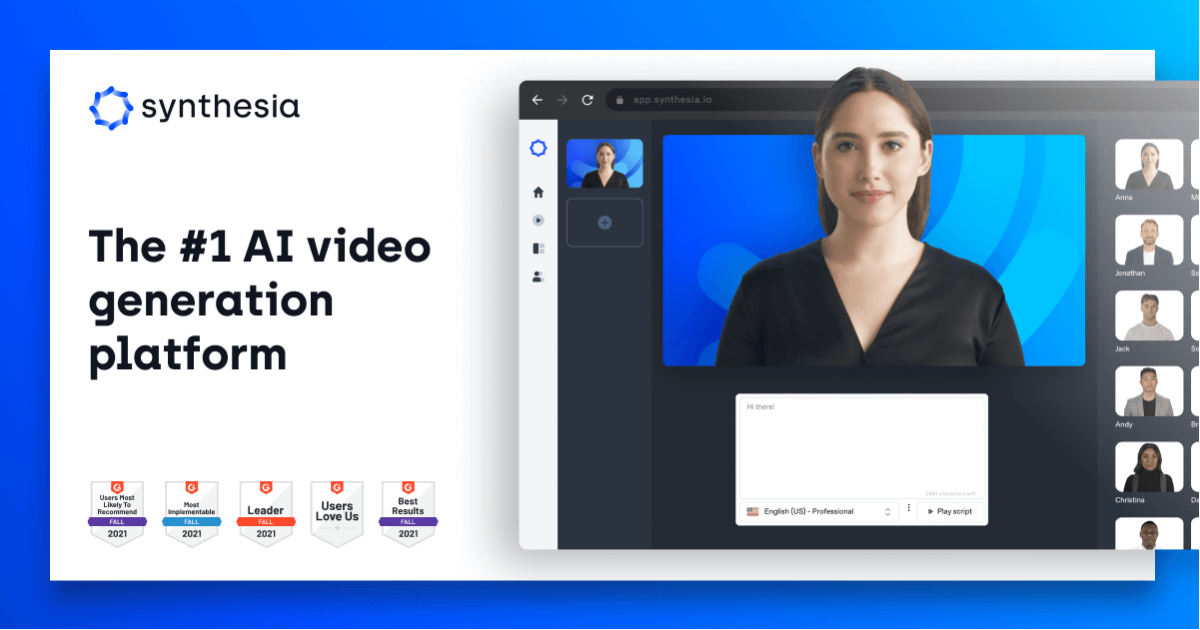
When a company raises $200 million in Series E funding during January 2026, investors are betting on more than potential. They're backing proven market demand and sustainable growth. Synthesia's funding round came alongside a 44% year-over-year increase in headcount to 706 employees, signaling aggressive expansion in a category the company essentially created: AI avatar-based video generation for enterprise training and communications. Corporate training videos have been expensive and slow to produce for decades. Recording a single 10-minute training module traditionally required booking a studio, hiring a presenter, scheduling a videographer, managing multiple takes, and editing everything together. If you needed to update information or translate content, you essentially started over. Synthesia eliminated this entire production workflow by replacing human presenters with AI avatars.
The extended thinking feature is the one I keep coming back to. Pure pattern matching from training data produces plausible-looking garbage at scale. Actual architectural reasoning before writing anything is what separates a prototype from something you can build a business on.
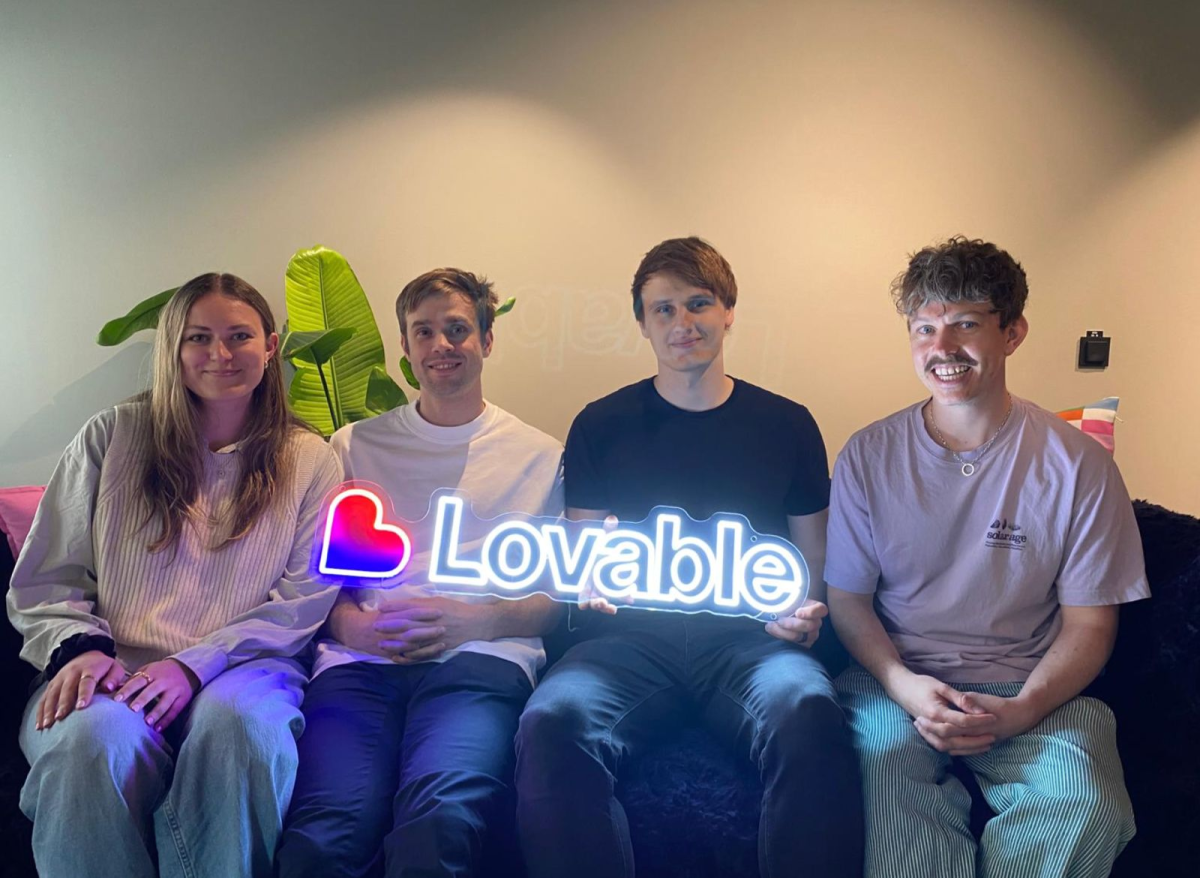
The software development world just witnessed something unprecedented. A European startup called Lovable reached $20 million in annual recurring revenue in just two months, making it potentially the fastest-growing startup in European history. But here's the twist that's making traditional software agencies nervous: they did it by giving non-technical founders the power to build full-stack applications without writing a single line of code. For years, the promise of no-code tools has been the same: anyone can build an app. But the reality has always been different. You'd create a beautiful frontend, get excited about your progress, and then hit the technical cliff. Suddenly you needed to configure databases, set up authentication, manage API keys, and deploy to servers. The "no-code" dream became a "hire-a-developer-anyway" nightmare.
Does it handle legacy codebases well or is it mostly good at greenfield projects? That is the real test for enterprise adoption. Most companies have twenty-year-old systems they need to work with, not clean slates.
The Ethereum chart right now looks the most interesting it has in a long time. The ETH to BTC ratio was at cycle lows and this kind of institutional inflow day could be the inflection point.
Speaking as someone with a background in open source development, having the Linux Foundation in the coalition is not just symbolic. They have direct commit access to the most widely deployed codebase in the world. That matters operationally.
The comparison to iMessage is kind of funny. Apple shows full edit history. Instagram shows a tiny grey tag. One of these is actually transparent.