Honestly the part about the suprachiasmatic nucleus and the peripheral clocks in the liver and gut is the piece that finally made sense to me. It is not woo, there is a whole system at work.
23
Sign up to see more
SignupAlready a member?
LoginBy continuing, you agree to Sociomix's Terms of Service, Privacy Policy
Honestly the part about the suprachiasmatic nucleus and the peripheral clocks in the liver and gut is the piece that finally made sense to me. It is not woo, there is a whole system at work.
The thing people keep getting wrong about this casting is assuming nepotism explains it. The article lays it out clearly and the answer is way more interesting than that. The voice note origin story alone is something I had never heard before reading this.
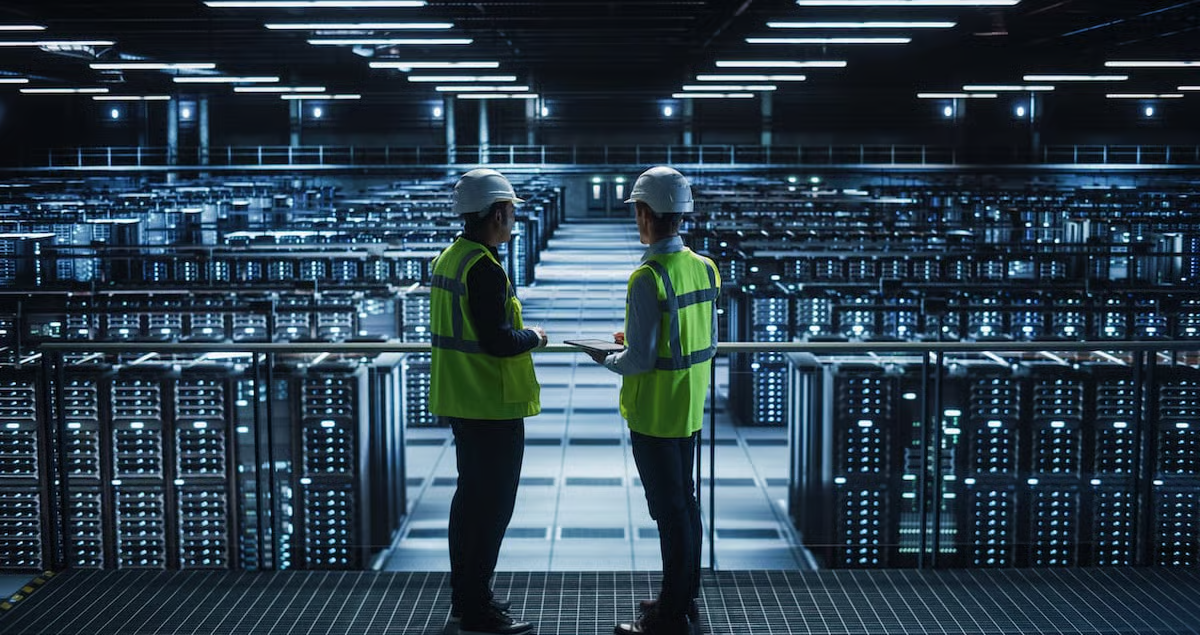
The technology sector is experiencing a paradox. While headlines scream about mass layoffs at major tech companies, a critical shortage is quietly building in one of the most essential areas of digital infrastructure. Datacenters, the physical backbone of our digital world, are facing an unprecedented demand surge, and there simply are not enough skilled professionals to build and maintain them. Countries across the globe are rushing to establish their own datacenter infrastructure. From India's ambitious plans to become a datacenter hub to the European Union's push for data sovereignty, and emerging markets in Southeast Asia and Latin America building their first large scale facilities, the construction boom is just beginning.
Genuinely curious, has there been any actual movement on an anime announcement or is this purely fan wishful thinking at this point?
Hot take but Second Life Ranker gets way more credit than it deserves. The pocket watch mechanic is a smart narrative device but the story eventually turns into a pure power escalation fest that forgets its own emotional core.
Solo Leveling being the first manhwa anime to win Anime of the Year at the Crunchyroll Awards was a watershed moment. Not just for manhwa but for how the global anime community thinks about Korean storytelling.
Veteran demon war commander in a young body trying to function in normal murim society before anyone knows what's coming is an incredible source of dramatic tension.
Counterpoint to the people saying skip straight to Ragnarok, the original Solo Leveling is legitimately one of the most satisfying reads in modern manhwa. Don't rob yourself of that experience just to get to the sequel faster.
The power level visual hierarchy described in the article, faint auras for beginners and almost-solid formations for masters, is so clean. You can gauge how dangerous someone is before a single punch is thrown.
Recap of what we actually know for confirmed 2026 releases. Dark Moon already aired. Terror Man is out in Korea. Tomb Raider King hits Fuji TV in July. Returner's Magic Season 2 has a 2026 window. Everything else is varying degrees of confirmed.
Tower climbing stories have become a dominant force in manhwa, but most follow predictable patterns. A protagonist enters a mysterious tower, gains powers, forms a party, and ascends floors while growing stronger. The formula works because progression feels satisfying and each floor presents new challenges. However, Doom Breaker takes this familiar framework and transforms it into something far more emotionally devastating and psychologically complex than typical tower stories. Also known as SSS-Class Suicide Hunter, Doom Breaker initially appears to be another power fantasy where the protagonist gains an overpowered ability. The premise sounds almost comedic. Kim Gongja can copy any skill by dying, then returns to life to use that ability. But beneath this seemingly absurd power lies a story about pain, sacrifice, redemption, and what it truly means to be a hero when heroism demands everything from you.

From what I understand the novel handles this with some care, suggesting Seongshik had unexplored feelings that the situation brings into focus rather than framing the BL world as the thing that makes him gay. The manhwa adaptation seems to follow the same approach.
Terror Man is the one on this list I keep telling people to pay attention to. The concept of a guy who becomes a terrorist to save lives is so much more morally complex than the standard hero setup.
When Tomb Raider King first exploded onto the manhwa scene, it brought a fresh take on dungeon crawling stories by combining archaeological adventure with ruthless protagonist energy and a treasure-hunting premise that felt genuinely different from typical gate and dungeon narratives. The series built a dedicated fanbase through its satisfying blend of historical artifact powers, strategic relic acquisition, and a protagonist who wasn't afraid to be morally gray in pursuit of his goals. Now, with the anime adaptation confirmed for 2026 as one of the most anticipated manhwa-to-anime projects, Tomb Raider King is experiencing a resurgence. New readers are discovering the series while longtime fans eagerly await seeing Jooheon Suh's relic-hunting adventures brought to life with animation. The timing couldn't be better, as the series has built enough content to support a substantial adaptation while maintaining momentum in its ongoing storyline.

In a manhwa landscape dominated by dungeon crawling, regression narratives, and power fantasies, The Greatest Estate Developer stands out by asking a simple question: what if the protagonist's greatest weapon wasn't a sword or magic system, but civil engineering knowledge? This bizarre premise transforms into one of the most entertaining, genuinely funny, and surprisingly heartfelt series currently running, proving that innovation in storytelling comes from unexpected places. The series takes the familiar isekai setup where a modern person finds themselves in a fantasy world and completely subverts expectations. Instead of becoming an adventurer or hero, protagonist Kim Suho uses his engineering knowledge to revolutionize construction, infrastructure, and economic development. What sounds like it should be boring becomes absolutely captivating through sharp writing, excellent comedic timing, and genuine passion for showing how infrastructure improves lives.

The designer-developer relationship has been tense for decades. Designers create pixel-perfect mockups in Figma. Developers translate them to code and somehow everything looks slightly wrong. Fonts don't match. Spacing is inconsistent. Buttons have different corner radiuses. Both sides get frustrated, blame each other, and the product suffers. V0 by Vercel is fixing this problem by generating production-quality React components that look exactly like the designs. The rebrand from v0.dev to v0.app in January 2026 signaled expanded ambitions beyond just UI component generation. Vercel positioned the tool for full-stack web development, though its core strength remains frontend excellence. That strategic clarity matters because trying to be everything often means excelling at nothing. V0 chose to dominate the handoff between design and code before expanding into other areas.
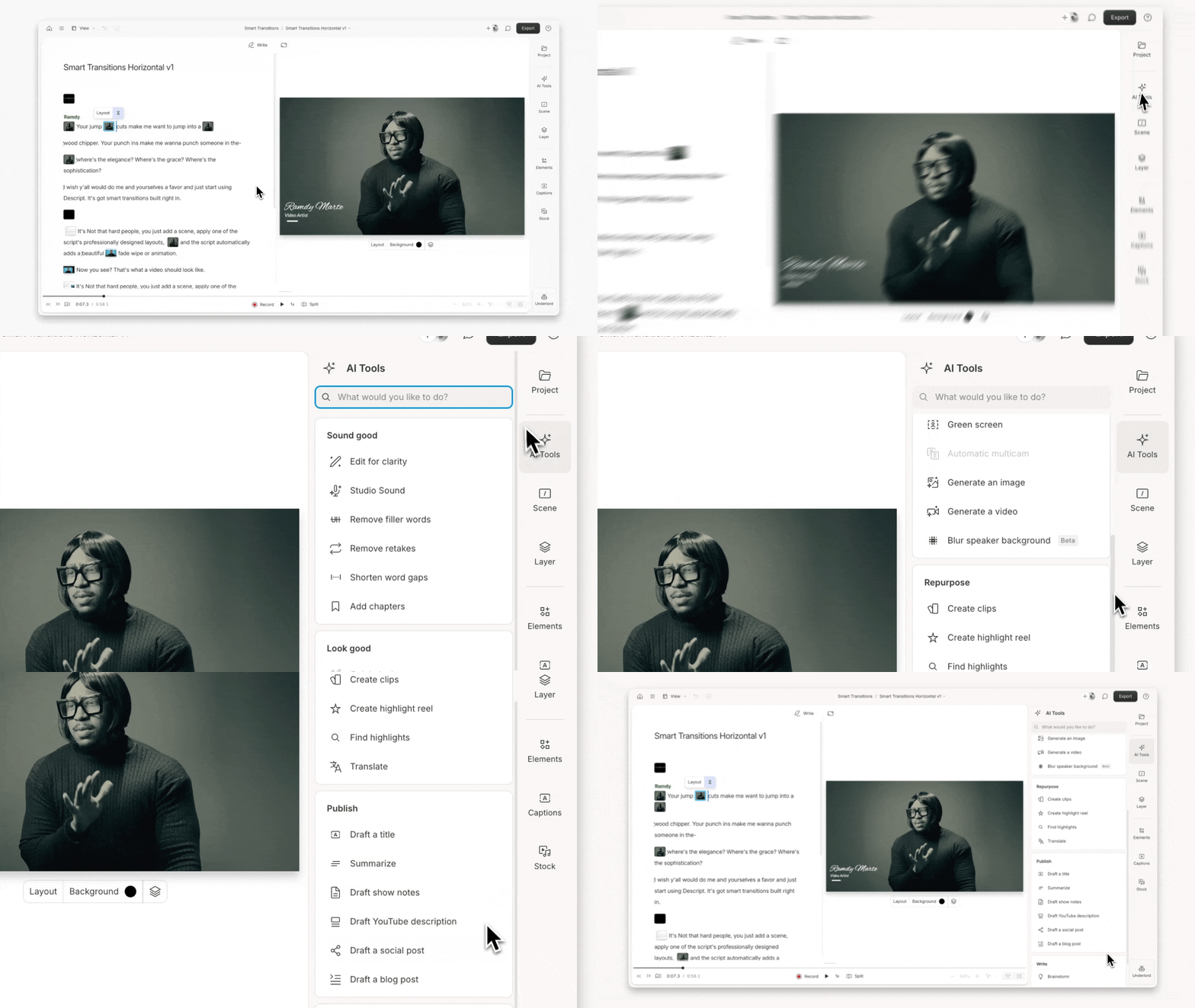
Most people can edit a Google Doc. Delete some words, rearrange sentences, fix typos, add paragraphs. It's intuitive and requires no special training. Now imagine editing video the same way. That's Descript's core innovation, and it transformed video editing from a specialized skill requiring expensive software into something anyone who can edit text can do effectively. Descript started as a transcription tool for podcasters. Record your podcast, upload it to Descript, and get an accurate transcript for show notes. But the founders realized something bigger. If you have a perfect transcript synchronized to audio, you can edit the audio by editing the text. Delete a word from the transcript and that word disappears from the audio. That insight became the foundation for a complete editing platform.
Tried building a Svelte app as the article claims is supported. Framework flexibility is real but the AI has obvious preferences and will drift toward familiar patterns even when you specify something different. You have to be persistent.
Cascade is legitimately impressive for multi-file refactors. Gave it a large module migration last week and it handled import resolution and interface updates across eleven files without losing context.