Replacing calorie counting with meal timing that actually works is the kind of shift I did not know I needed. Six weeks in and I stopped thinking about food constantly for the first time in years.
16
Sign up to see more
SignupAlready a member?
LoginBy continuing, you agree to Sociomix's Terms of Service, Privacy Policy

Replacing calorie counting with meal timing that actually works is the kind of shift I did not know I needed. Six weeks in and I stopped thinking about food constantly for the first time in years.
What gets me is that the concept is not even traditionally beautiful or commercial. It is dark installation art that only 32 people bothered to see. Someone saw that and decided it was worth killing for. That level of obsession directed at a forgotten failure is genuinely unsettling.
Reminded me of when I tried explaining to a non-artist friend why AI training on scraped artwork without consent feels like theft. She did not fully get it until I described it as someone profiting enormously from your discarded concepts without credit. Copycat captures that feeling exactly.
The edge computing section is the sleeper part of this piece. I live in a mid-size city that just had two edge micro facilities break ground nearby. Those jobs are not going to Seattle or Austin.
Genuinely could not tell you what cultivation realm anyone is in for most of the series I read. In Nano Machine you know exactly where everyone stands at every moment because the art tells you.
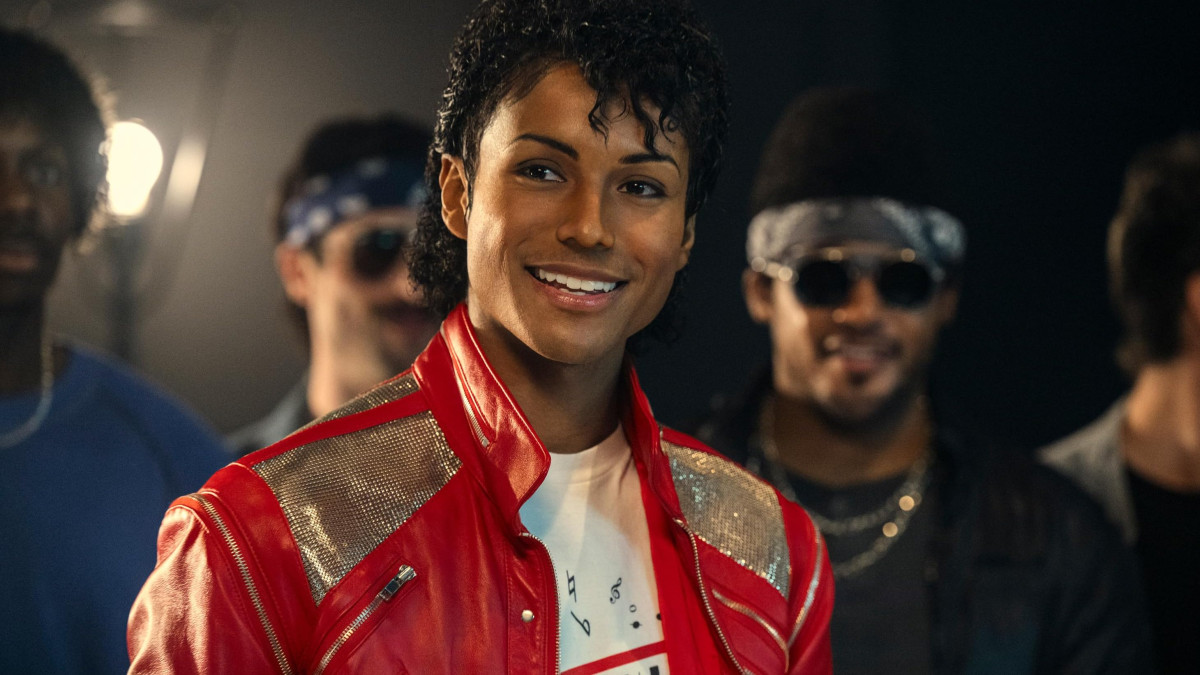
The Michael movie review verdict is in, and it is more complicated than the 26% Rotten Tomatoes score suggests. Antoine Fuqua's long-delayed Michael Jackson biopic, simply titled Michael, hit theaters this weekend with Jaafar Jackson playing his late uncle, and the critical response has been brutal. The BBC gave it one star. Roger Ebert's site called it a filmed playlist in search of a story. Yet early audience reactions on social media have been warmer, ticket pre-sales suggest an $80 million opening, and Variety thought it worked as an engrossing middle-of-the-road biopic. After tracking coverage across more than a dozen outlets over the past 48 hours, I think the honest answer to "should you watch this?" depends almost entirely on what you want from a music biopic, and this guide breaks down exactly what the film delivers, what it skips, and who will actually enjoy sitting through its two-hour-and-nine-minute runtime.
The article talks about Korean storytelling bringing fresh perspectives but does not engage with the fact that a lot of these premises, regression, system integration, hidden power, are just as formulaic as the manga genres they are supposedly refreshing.
Okay but can we talk about how the lack of any official studio announcement two years after the reveal is genuinely unusual even for long production pipelines? Something is either going really right or really wrong behind the scenes.
The name localization thing is a real adjustment but it is standard practice for Japanese dubs of Korean properties. Solo Leveling did the same thing and after a few episodes you just adjust.
When a manhwa gets compared to Frieren: Beyond Journey's End but with a dark, bleak twist, expectations immediately rise. The Tale of the Skeleton Messenger, released on Webtoon in January 2026 by creators kain_y and SORAGAE, arrives with that exact premise and a tone that sets it apart from the increasingly crowded fantasy manhwa landscape. Most fantasy stories lean toward hopeful narratives where heroes overcome darkness through determination and friendship. Even dark fantasy typically offers glimmers of light and the possibility of triumph. The Tale of the Skeleton Messenger takes a different approach, embracing bleakness and melancholy in ways that feel refreshing rather than oppressive, thoughtful rather than nihilistic.

The Primal Hunter going darker with its post-apocalyptic morality is the thing that will either make it special or make it uncomfortable for audiences used to the genre playing it safe.
The manhwa has over 1.6 billion cumulative views worldwide according to some reports. This is not a niche property hoping for an audience. The audience already exists and it is enormous.
One thing nobody mentions: the transcript is searchable. When you have 200 episodes of a podcast you can search for any word or phrase and jump directly to that moment across your entire archive. That use case alone is worth the subscription.
Anyone else think the pricing model with credits and tiers is still the biggest barrier to mainstream adoption? Non-technical users do not want to think about generation queues and credit limits.
Wait, what about the people who didn't consent to being recorded? The article breezes past the privacy section really fast, but this is genuinely complicated in states like California, Illinois, and Florida where all-party consent is required before recording a conversation.
People keep framing this as no-code vs developers as if those are the only two options. The real story is that the feedback loop between idea and working product just compressed from months to hours.
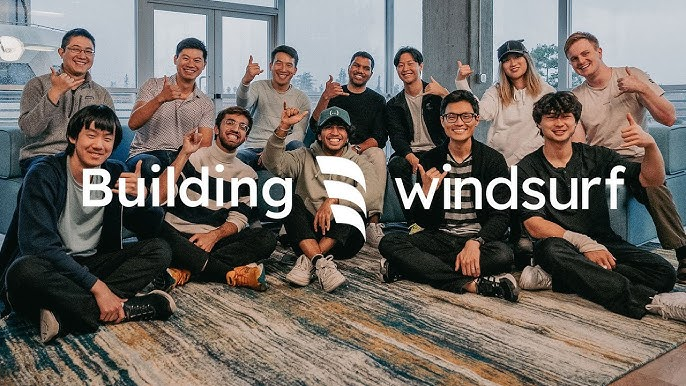
Developers have a new anxiety in 2026: token anxiety. You're in the middle of debugging a complex problem, the AI is helping you refactor three files simultaneously, and suddenly you wonder if this session is about to cost you $50. That mental tax slows you down and makes you second-guess using the tool you're paying for. Windsurf eliminated that anxiety with a simple decision: flat monthly pricing with no token limits. Fifteen dollars per month. Unlimited usage. No tracking credits or calculating costs per query. That pricing model sounds almost boring compared to the complex token systems other AI coding tools use, but boring is exactly what professional developers want when it comes to pricing. They want predictable costs and unlimited usage so they can focus on writing code instead of budgeting AI queries.
Not gonna lie, every time a tech company says trust us with your private data we have strict internal controls, within about 18 months there is a report about employees abusing those controls or a breach exposing them. This pattern is so consistent it should be part of the risk calculation.
The correlation between Asian equity markets and crypto has been tightening for years. Nikkei up 1.8% and Bitcoin surging on the same session is not a coincidence anymore, it's a structural pattern.
Good question about the health guardrails. From what Meta has said publicly, it is framed as helping you navigate health questions with more detailed responses, not providing medical advice. But the line between detailed health information and medical guidance is blurry in practice and users will not always distinguish between them.