As someone who reads widely in this genre, the way this series handles what repeated sacrifice does to a person's sense of self-worth is unlike anything else out there. Gongja does not emerge triumphant and intact. He emerges marked.
8
Sign up to see more
SignupAlready a member?
LoginBy continuing, you agree to Sociomix's Terms of Service, Privacy Policy

As someone who reads widely in this genre, the way this series handles what repeated sacrifice does to a person's sense of self-worth is unlike anything else out there. Gongja does not emerge triumphant and intact. He emerges marked.
The manhwa community has been buzzing with anticipation ever since MAPPA Studio announced their adaptation of Omniscient Reader's Viewpoint. With a spring 2026 release date confirmed and 24 episodes planned for the first season, this adaptation represents one of the most ambitious manhwa-to-anime projects ever undertaken. But what makes this series so special that it warranted such a massive production commitment? If you're hearing about Omniscient Reader's Viewpoint for the first time or wondering whether the hype is justified, this guide will prepare you for what promises to be one of the biggest anime releases of the year. We'll cover the story premise, why it's captured millions of readers worldwide, what MAPPA's involvement means, and everything else you need to know before the first episode airs

Honestly the relic system is what separates this from every other regression manhwa. The idea that each artifact has its own personality and will is genuinely creative and I never get tired of seeing Jooheon negotiate or strong-arm them into submission.
It is wild that the premise is basically a joke setup and the story builds something genuinely profound from it. Whatever the creative team is doing it works.
The found family dynamic that develops across arcs is something the article gestures at but does not fully explore. That element carries a lot of the emotional weight in the later half of the story.
In a medium filled with talented artists producing stunning work, making a claim about any series having the "best" art feels bold. Yet Nano Machine consistently delivers combat sequences so fluid, detailed, and visually innovative that even readers who don't typically care about martial arts stories find themselves captivated by the sheer spectacle on display. The series combines traditional murim aesthetics with futuristic sci-fi elements, creating a unique visual identity that stands apart from typical cultivation manhwa. The nano machine implanted in protagonist Cheon Yeo-Woon's body doesn't just give him power. It becomes a storytelling device that allows the artist to visualize techniques, energy flows, and combat analysis in ways other series can't replicate.

The fact that this started as a simple podcast transcription tool and evolved into a platform with Sora 2 generative video integration is honestly one of the better product evolution stories in creator tech.
Flat pricing with daily resets versus flat pricing with no limits are two completely different products. The headline of this article describes the second but Windsurf now operates on the first.
Real talk: the first time the filler word removal took out 200 ums from a 20-minute interview in literally three seconds I laughed out loud alone in my home office. Still kind of feels illegal.
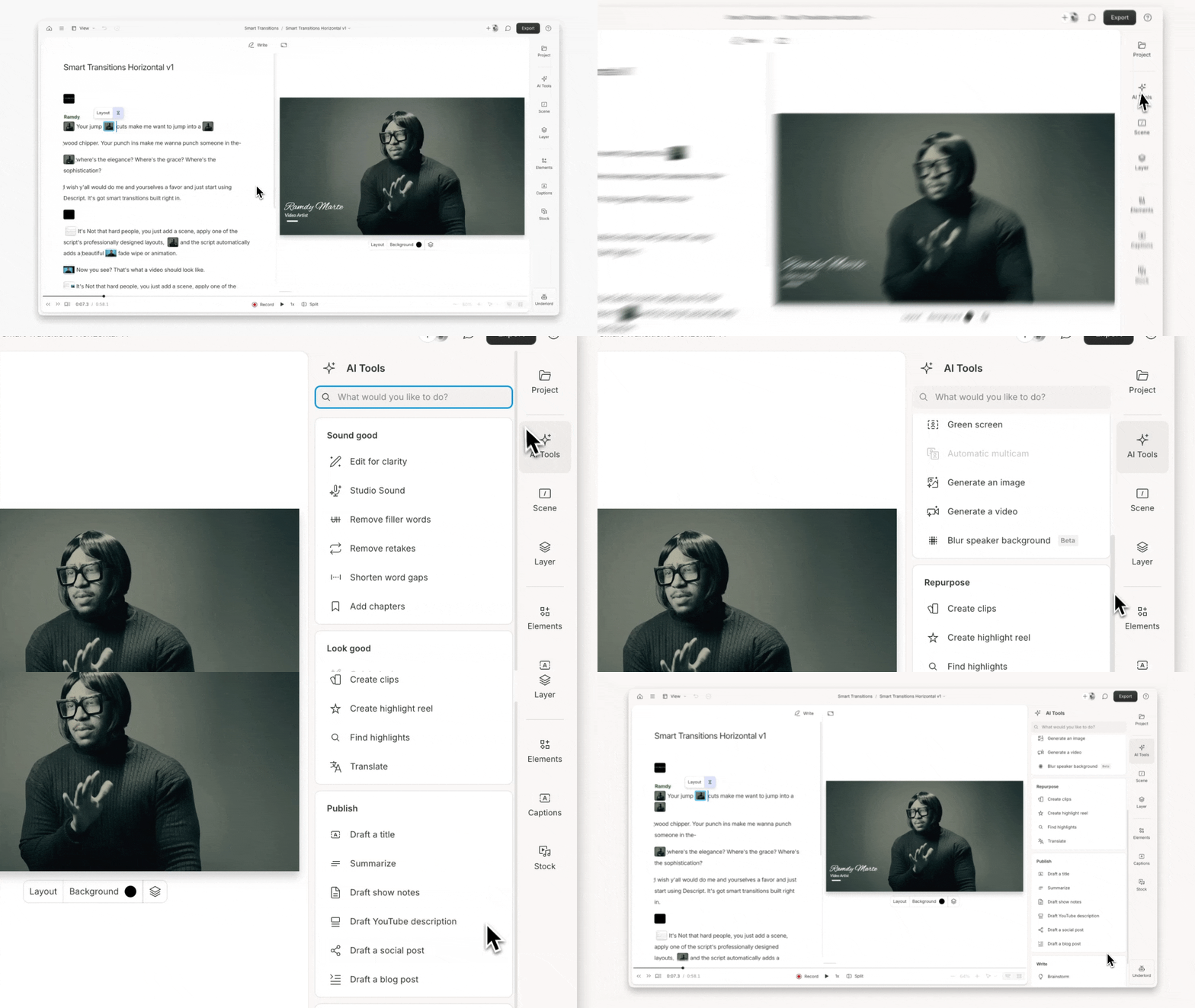
Most people can edit a Google Doc. Delete some words, rearrange sentences, fix typos, add paragraphs. It's intuitive and requires no special training. Now imagine editing video the same way. That's Descript's core innovation, and it transformed video editing from a specialized skill requiring expensive software into something anyone who can edit text can do effectively. Descript started as a transcription tool for podcasters. Record your podcast, upload it to Descript, and get an accurate transcript for show notes. But the founders realized something bigger. If you have a perfect transcript synchronized to audio, you can edit the audio by editing the text. Delete a word from the transcript and that word disappears from the audio. That insight became the foundation for a complete editing platform.
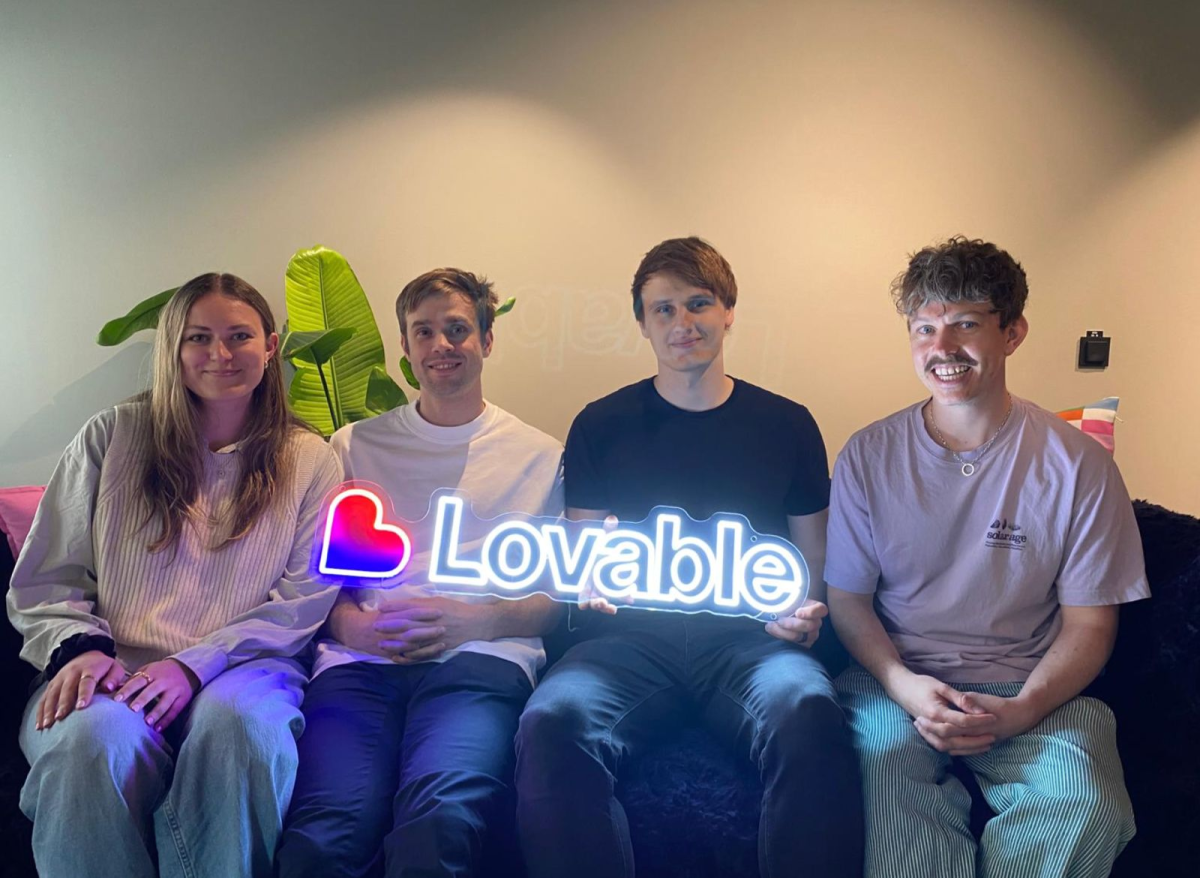
The software development world just witnessed something unprecedented. A European startup called Lovable reached $20 million in annual recurring revenue in just two months, making it potentially the fastest-growing startup in European history. But here's the twist that's making traditional software agencies nervous: they did it by giving non-technical founders the power to build full-stack applications without writing a single line of code. For years, the promise of no-code tools has been the same: anyone can build an app. But the reality has always been different. You'd create a beautiful frontend, get excited about your progress, and then hit the technical cliff. Suddenly you needed to configure databases, set up authentication, manage API keys, and deploy to servers. The "no-code" dream became a "hire-a-developer-anyway" nightmare.
The detail about the Chinese state-sponsored group that achieved 80 to 90 percent autonomous tactical execution using Claude back in September 2025 should have been the headline of every major newspaper. That story got buried.
The WhatsApp comparison is interesting since WhatsApp also does not show version history on edited messages. It seems like Meta has a consistent internal policy across its apps to show the edited label but hide original content.
The proactive announcement makes sense if you think about TikTok's regulatory environment. They are trying to win points with governments that want platform access while also getting positive press from child safety organizations. It is a political move as much as a technical one.
The artificial intelligence industry is entering a new phase of competition, one that extends far beyond the development of advanced language models and neural networks. Companies are now engaged in an intense struggle to secure the computational infrastructure necessary to train and deploy their AI systems. In this context, Anthropic has reportedly begun exploring the possibility of designing and manufacturing its own specialized processors to power Claude, its flagship conversational AI platform, along with its broader suite of artificial intelligence technologies. This strategic consideration emerges at a critical moment in the global AI sector. The exponential growth in model complexity and capability has created unprecedented demand for high-performance computing resources. Sources familiar with the matter indicate that Anthropic is conducting feasibility studies to determine whether developing proprietary semiconductor technology could reduce its dependence on external hardware vendors while ensuring reliable access to the computing power required for its operations.

Nvidia's CUDA ecosystem has literally millions of developers and thousands of optimized applications built up over nearly two decades. That is not something any custom chip program displaces in the near term no matter how good the hardware is.
This is going to play out very differently in different markets. European users with GDPR protections have legal recourse that US or Indian users do not. The risk calculation is genuinely different depending on where you live.
Niche take but this feature matters most for non-English speakers commenting in a second language. The pressure of posting something grammatically off and not being able to fix it is way higher when you are already self-conscious about how you write.
The window between vulnerability discovery and active exploitation has collapsed from months to minutes. That single sentence from the Mythos disclosure should be on the front page of every financial regulator's briefing book.
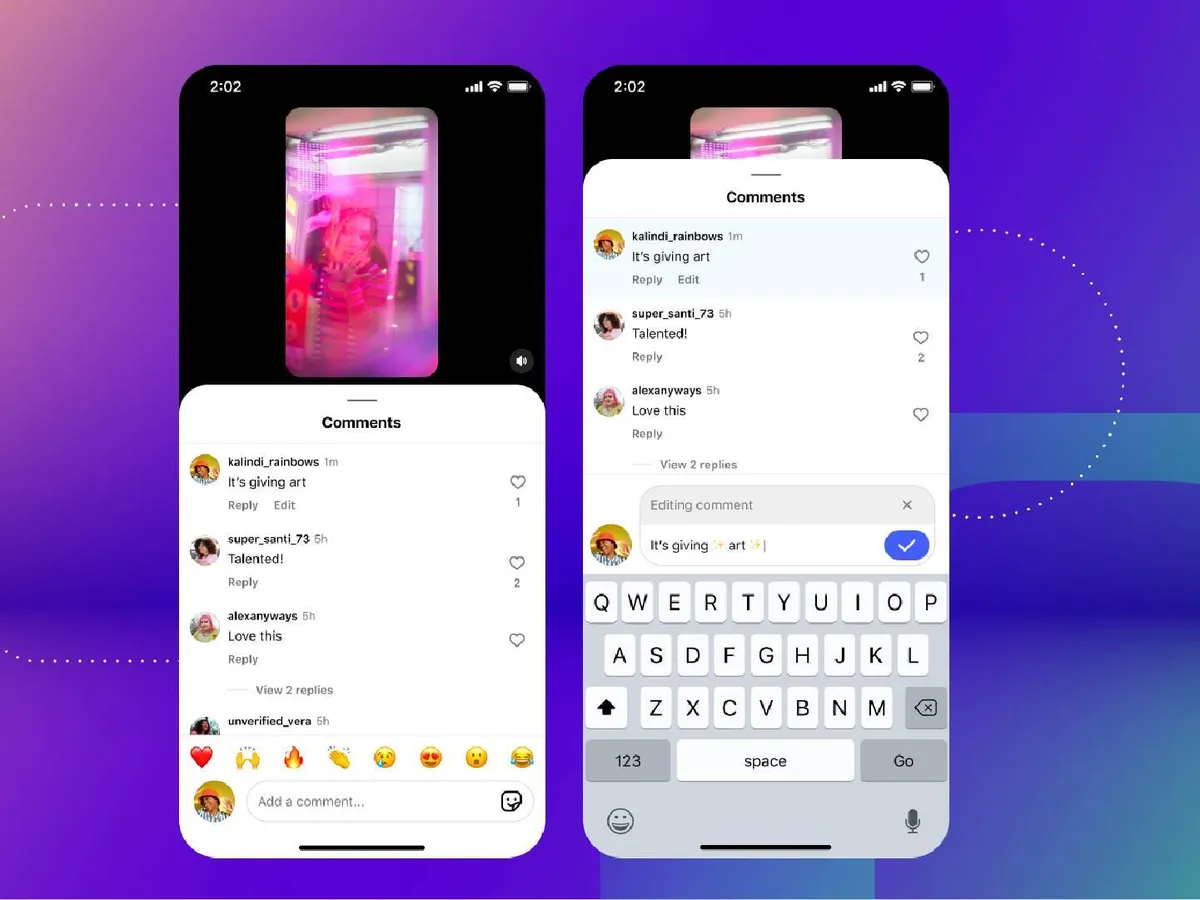
Instagram has rolled out a small but long overdue feature that users have been asking for years. You can now edit your comments after posting them. This simple change solves a very real frustration. Until now, fixing even the smallest typo meant deleting your comment and writing it all over again. That friction is finally gone. But there is a boundary. You get a 15 minute window after posting to make edits. Within that time, you can update your comment as many times as you want. There is also a layer of transparency built in. Once a comment is edited, others will be able to see that it has been modified. However, unlike platforms such as iMessage, Instagram does not show the edit history. What was originally written stays hidden.